
Why Your Pest Problem Keeps Coming Back – Hidden Mistakes in Bangladeshi Homes
3/20/20267 min read
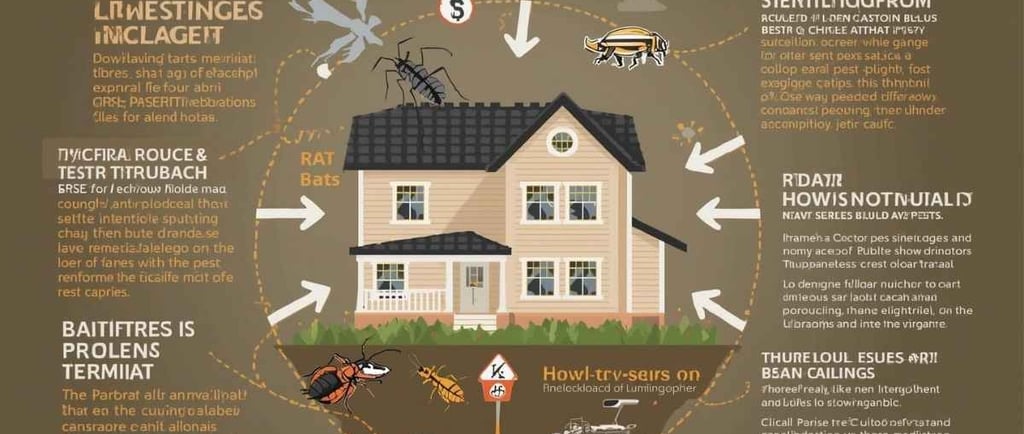
Understanding the Recurring Pest Problem in Bangladesh
Pest issues in Bangladeshi homes are a common challenge, often exacerbated by several environmental factors and lifestyle habits. One prominent reason for the recurrence of pests, such as rodents and insects, lies in the tropical climate of Bangladesh, which provides a conducive environment for these creatures to thrive. High humidity levels and warm temperatures create ideal breeding conditions, enabling pests to multiply rapidly, making eradication efforts seem futile.
In addition to environmental factors, certain common household practices can inadvertently contribute to persistent pest problems. For instance, improper waste management is a significant concern. Often, food scraps and waste materials are not disposed of correctly, attracting pests such as cockroaches, ants, and rats. These pests find an ample food supply in overflowing bins or improperly stored food items, leading to their continued presence even after treatment measures have been implemented.
Another contributing factor is the construction and maintenance of homes. Many Bangladeshi houses have structural vulnerabilities, such as cracks in walls, gaps around windows, and unsealed entry points, which allow pests easy access. Regular maintenance is crucial in preventing pests from entering homes. Moreover, the tendency to neglect these issues further compounds the pest problem.
The lack of awareness regarding pest behavior and biology also plays a crucial role. Homeowners may not understand the specific attractants and nesting sites that certain pests prefer, leading them to miss effective prevention strategies. Education about pest control, including understanding key entry points and potential food sources, can greatly reduce the likelihood of future infestations.
In summary, addressing the recurring pest problems in Bangladeshi homes requires a multifaceted approach that considers both environmental conditions and household practices. By implementing informed waste management strategies, maintaining structural integrity, and enhancing awareness of pest behavior, homeowners can significantly mitigate the ongoing threat posed by pests.
Common Mistakes That Keep Pests Coming Back
Pest infestations in homes often result from a variety of common mistakes that homeowners may not even realize they are making. One of the primary issues is poor sanitation practices. A lack of cleanliness can create favorable conditions for pests to thrive. For example, food scraps left on countertops or floors, unsealed containers, and overflowing trash cans can attract insects and rodents. Therefore, maintaining a high standard of hygiene in the kitchen and dining areas is essential for pest prevention.
Another significant mistake is neglecting to seal gaps and cracks around the home. Construction flaws often leave openings where pests, including ants, cockroaches, and rodents, can enter. These small openings around windows, doors, vents, and the foundation of a house can serve as access points for pests, making it critical for homeowners to conduct regular inspections and seal any vulnerabilities. Utilizing caulk or other sealing materials can help in effectively blocking these entry points.
Additionally, allowing moisture to accumulate is a frequent oversight that contributes to pest problems. Many household pests are attracted to damp and humid environments, which can be exacerbated by leaking pipes, poorly ventilated bathrooms, or water pooling in basements and crawl spaces. It is crucial to address any sources of moisture, ensuring proper ventilation and promptly repairing leaks. Utilizing dehumidifiers in high-moisture areas can also help in minimizing the chances of a pest infestation.
By actively avoiding these common mistakes—ensuring thorough sanitation, sealing entry points, and controlling moisture levels—homeowners can significantly reduce the likelihood of pest problems recurring in their homes. Implementing these preventive measures is essential in maintaining a pest-free environment.
The Consequences of Incomplete Pest Treatment
Incomplete pest treatment often leaves the underlying issues unresolved, leading to recurring infestations. When pest control methods are insufficient or improperly executed, the pests that survive can reproduce, leading to a more extensive problem. For instance, if a pest management plan fails to address the specific nesting sites or breeding areas of a pest, such as cockroaches or termites, these pests can quickly reestablish themselves, making the initial treatment ineffective.
Moreover, lack of follow-up treatments can aggravate the situation. Pest control is not merely a one-time event; it requires careful monitoring and subsequent treatments to ensure that all pests are eliminated and do not return. Failing to conduct follow-ups can create an environment where pests thrive, often leading residents to believe that their pest problems are permanently resolved when, in fact, they are simply dormant. This oversight can lead to increased costs down the line, as homeowners may have to invest in additional treatments that could have been avoided with a more thorough approach.
Furthermore, incomplete pest management practices can have implications on health and safety. Pests such as rodents and insects can carry diseases, and their droppings can trigger allergies or asthma in vulnerable individuals. In situations where pest problems are inadequately addressed, homes can become hazardous, particularly for children, the elderly, or those with pre-existing health conditions. Therefore, it is crucial for homeowners to recognize the importance of comprehensive pest control strategies that not only eliminate pests but also provide ongoing preventative measures, ensuring a pest-free environment in the long run.
Psychological Triggers: Frustration of Dealing with Pests
Recurring pest infestations in homes across Bangladesh can evoke a range of emotional responses in homeowners, leading to considerable psychological stress. The frustration of encountering an ongoing pest problem often outweighs the practical aspects of controlling such invasions. Homeowners may experience feelings of helplessness as they repeatedly combat infestations, which can lead to anxiety and a perceived loss of control over their living environment.
The persistence of pests, whether they are cockroaches, rodents, or termites, can create a significant emotional burden. Many homeowners find themselves on edge, anticipating the next problem, rather than enjoying their homes. This constant worry can adversely affect mental well-being, manifesting as sleep disturbances, irritability, and increased stress levels. The anxiety associated with pest issues can skew a homeowner's perception, causing them to become hyper-aware of their surroundings. Every little noise or sight might trigger overwhelming concern about an uninvited guest appearing in their home.
Furthermore, homeowners often face pressure to address these problems quickly, yet ineffective solutions may exacerbate their frustration. A lack of understanding about pest behavior and biology can result in the application of incorrect treatments, leading to temporary relief but ultimately failing to resolve the underlying issues. The cycle of trying various methods and experiencing continued pest issues fuels emotional turmoil and erodes homeowner confidence in their ability to maintain a healthy environment.
Therefore, the impact of this anxiety and frustration on homeowners cannot be ignored. It leads to hasty decisions, reliance on unverified methods, and an overall negative association with their living spaces. Addressing the psychological effects of pest problems is as important as the practical solutions themselves; recognizing these emotional triggers may empower homeowners in their quest for effective pest management.
Developing a Long-Term Pest Prevention Plan
Creating an effective long-term pest prevention plan is essential for Bangladeshi homeowners who seek to mitigate pest problems at their source rather than merely addressing surface issues. The foundation of such a plan involves a combination of routine maintenance, sanitation practices, and professional inspections.
The first step in any pest prevention strategy is ensuring that your living environment is conducive to neither pests nor their sustenance. Routine maintenance plays a critical role in this effort. Homeowners should regularly check for and repair leaks in plumbing, which can provide a water source for many pests. Additionally, sealing cracks and crevices around windows and doors can significantly limit entry points. It is also important to keep yards and gardens well-maintained. Overgrown vegetation can harbor pests and become breeding grounds. Regular trimming and proper disposal of yard waste help deter infestations.
Sanitation practices are equally crucial. Keeping the home clean and free of food debris will deter rodents and insects alike. Regularly taking out the trash, using airtight containers for food storage, and promptly cleaning spills can help in reducing food sources for pests. Moreover, a clean kitchen is vital; ensure that appliances such as stoves and microwaves are regularly cleaned to eliminate food remnants that may attract pests.
Finally, the importance of professional inspections cannot be overlooked. Engaging pest control specialists for routine inspections can help identify potential pest issues before they escalate. These experts employ their knowledge and tools to recognize early signs of infestation and provide tailored recommendations based on your specific circumstances. By actively involving professionals, you enhance the effectiveness of your long-term pest prevention plan, making your home a fortress against unwanted pests.
When to Seek Professional Help for Pest Control
Identifying the appropriate time to engage professional pest control services can significantly impact the effectiveness of managing pest infestations in Bangladeshi homes. Homeowners should be vigilant and aware of certain signs that indicate a more serious pest problem that may require expert intervention.
One of the primary indicators is the presence of repeated infestations despite employing DIY pest control methods. If you find that pests, whether they are rodents, termites, or cockroaches, persist or reappear even after treatment, it may signal that the underlying issues have not been adequately addressed. Professionals possess the tools, experience, and knowledge to target the source of the problem effectively, thereby ensuring that pests do not return.
Furthermore, homeowners should be particularly concerned if they notice an increase in pest activity. For instance, if the sighting of pests becomes more frequent, or if there is a sudden emergence of new types of pests, this could suggest a larger infestation. In such scenarios, professional pest control services can provide a thorough inspection, identifying hidden nests or entry points that may go unnoticed by the untrained eye.
Additionally, there are health risks associated with certain pests, such as mosquitoes or rodents, which can lead to serious diseases. If your home is fostering pests known for carrying pathogens, it is crucial to seek immediate professional help to mitigate these health hazards and protect your family.
In conclusion, recognizing the signs that point to a serious pest problem and understanding the benefits of professional pest control services can lead to effective long-term management. By acting promptly, homeowners can ensure the safety and comfort of their living spaces while preventing potential health risks associated with pest infestations.
Conclusion and Call to Action for Professional Services
Addressing pest issues in homes is not merely a matter of eliminating visible infestations. As discussed, many homeowners in Bangladesh often overlook hidden factors contributing to their pest problems, leading to recurring infestations. Identifying and rectifying these underlying issues is crucial for effective long-term pest control.
To prevent pests from returning, it is essential to conduct a thorough inspection of the home to uncover any structural weaknesses, moisture problems, or potential entry points for pests. Maintaining cleanliness and being vigilant about food storage can also make a significant difference. However, these preventative measures may not always suffice, especially in cases of severe infestations or when dealing with specific pest types that require specialized knowledge.
Therefore, engaging professional pest control services can provide homeowners with expert insights and tailored solutions to tackle these issues comprehensively. Experienced pest control technicians can not only eradicate existing infestations but also implement proactive measures to ensure that homes remain pest-free. They utilize advanced treatment methods that are often more effective than over-the-counter solutions, ensuring the long-term well-being of your home.
In conclusion, if you find your pest problem persists despite your best efforts, it might be time to consult with a pest control professional. Taking decisive action now can save you from bigger headaches down the road, ensuring that your home remains a safe and comfortable environment for you and your family. Don't wait until a minor pest issue develops into a more significant problem; reach out to a professional service today for a thorough assessment and tailored pest management solutions.
Address:
264/5, Kamal Soroni Road, Mirpur, Dhaka-1216
Contact
Your Quaries on pest control askings
pestexterminatorbd@gmail.com
+8801642008383 +8801988300003, 01723057746
© 2025. All rights reserved. to Urban Pest Control Pvt. Ltd. this site is powered by Our Own IT Team