
Why Pest Problems Increase During Rainy Season in Bangladesh – Complete Prevention Guide
3/14/202612 min read
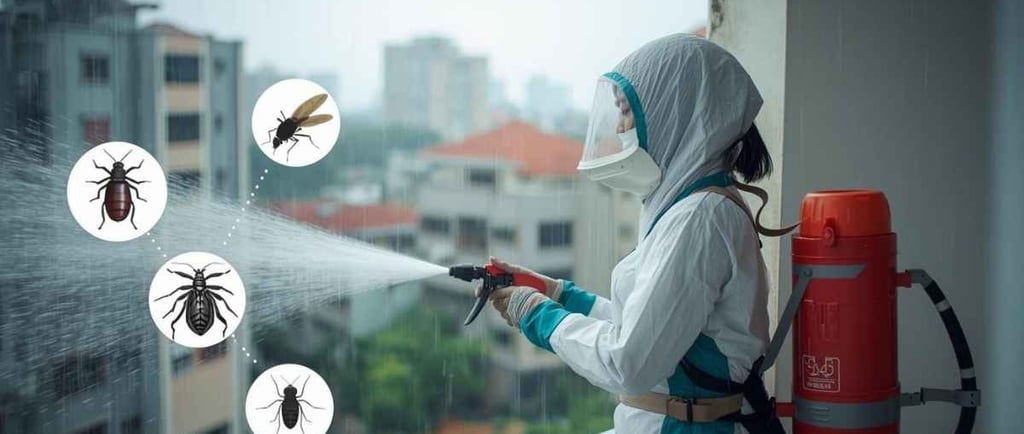
Introduction to Seasonal Pest Problems in Bangladesh
Seasonal pest problems in Bangladesh are significantly influenced by the country's climatic conditions, particularly during the monsoon season. This period, typically characterized by heavy rainfall and humid weather, creates a favorable environment for a broad range of pests, including mosquitoes, cockroaches, and various types of insects. The increased moisture not only fosters the breeding of these pests but also supports their survival, leading to heightened infestations across both urban and rural areas.
During the monsoon, stagnant water becomes a common sight, providing breeding grounds for mosquitoes, which are notorious carriers of diseases such as dengue and malaria. As the rainwater accumulates in open containers, drains, and low-lying areas, the mosquito population can escalate rapidly, resulting in public health concerns that necessitate immediate community and governmental responses. Moreover, the increase in cockroach sightings can lead to not just health risks but also significant distress among homeowners and businesses, particularly in settings where food hygiene is paramount.
The economic implications of these pest problems are substantial. Pest infestations can lead to increased expenditures on pest control measures, as individuals and businesses seek to mitigate the health risks and property damage associated with pest presence. Additionally, the impact on agriculture can be severe, as seasonal pests often threaten crops and livestock, thereby affecting food security and farmers' livelihoods. As the monsoon rains continue, understanding seasonal pest problems becomes crucial for developing effective management strategies to minimize health risks and economic losses throughout the country.
Why Monsoon Weather Increases Pest Infestation
The arrival of the monsoon season in Bangladesh significantly influences the prevalence of various pests, which tend to flourish during these wet months. This seasonal change is marked by increased humidity levels, fluctuating temperatures, and the accumulation of standing water—conditions that are particularly favorable for pest proliferation.
Humidity plays a crucial role, as many pests thrive in moist environments. High humidity levels create an ideal habitat for insects such as mosquitoes, cockroaches, and termites. These pests not only seek shelter from heavy rains but also require moisture for their survival and reproduction. As a result, greater humidity leads to an enhanced breeding rate, thereby increasing their population density.
The temperature during monsoon contributes to the lifecycle of pests. Warm, humid weather not only accelerates the developmental stages of many insects but also extends their active periods. For instance, certain species of ants and flies can complete their life cycles much quicker in warmer temperatures. Consequently, during the monsoon season, we observe a faster maturation of pests, overwhelming local ecosystems and negatively impacting human living conditions.
Additionally, monsoon rains often result in the accumulation of standing water in various habitats, including gardens, drains, and litter. Such stagnant water sources serve as breeding grounds for mosquitoes and other water-associated pests. The presence of standing water can lead to an exponential increase in population, as female mosquitoes lay hundreds of eggs in these conducive environments. As the rainy season progresses, these standing water pools continue to facilitate breeding, perpetuating the life cycle of various pests.
Overall, the combination of high humidity, favorable temperatures, and standing water creates a perfect storm for pest infestation. Understanding these environmental factors allows for better pest management strategies during the challenging monsoon season in Bangladesh.
Most Dangerous Rainy Season Pests
The rainy season in Bangladesh brings with it a surge of various pests that can pose significant health risks and property damage. Among the most formidable of these pests are mosquitoes, cockroaches, termites, and ants, each exhibiting distinct behaviors and environmental preferences that contribute to their proliferation during this time.
Mosquitoes are perhaps the most notorious rainy season pests. Breeding sites often accumulate in stagnant water, which is common after heavy rains. Female mosquitoes lay their eggs in these water collections, resulting in rapid population growth. Diseases such as dengue and malaria, which are transmitted by these mosquitoes, can lead to severe health implications for the affected population.
Cockroaches are another prevalent concern during the rainy season. They thrive in damp environments, often infiltrating homes in search of food and moisture. Their presence can lead to respiratory ailments and allergic reactions as they carry pathogens and allergens. The resilience of cockroaches makes them particularly difficult to eradicate, necessitating proactive pest control measures.
Termites also become active during the rainy months, as the moisture in the soil promotes foraging activity. These insects can cause extensive damage to wooden structures, furniture, and even crops. As they tunnel through wood to access cellulose, they can compromise the integrity of homes and buildings, which can become a costly challenge for homeowners.
Lastly, ants are often seen in greater numbers as they search for food and water. Some species, such as red imported fire ants, can deliver painful stings, making them a nuisance and a health hazard. Their ability to nest in various environments means they can invade homes easily during the rainy season.
Given this variety of pests, understanding their behavior and the threats they pose is crucial for effective pest management during the rainy season in Bangladesh. Timely intervention and preventive measures can help mitigate the risks associated with these hazardous pests.
Mosquito
Mosquitoes are a significant concern in Bangladesh, particularly during the monsoon season when the environment provides ideal breeding conditions. These insects thrive in stagnant water, which can accumulate from heavy rainfall, making it crucial for residents to be vigilant in their surroundings. The female mosquito lays hundreds of eggs in still water, leading to exponential population growth if left unchecked. Understanding their breeding habits is essential for effective pest control.
Beyond their nuisance, mosquitoes are vectors for serious diseases. In Bangladesh, species such as Aedes aegypti and Anopheles can transmit illnesses like dengue fever, malaria, and chikungunya. The rise in these diseases during the rainy season highlights an urgent need for community awareness and action to control mosquito populations. Governments and health organizations have emphasized the importance of combating these pests to safeguard public health.
Preventive measures are paramount for reducing mosquito infestations. Individuals can take several steps to mitigate the risk of mosquito breeding around their homes. First, it is advisable to eliminate standing water by properly disposing of containers, regularly cleaning gutters, and ensuring that water storage units are tightly covered. Using mosquito nets while sleeping, employing insect repellents, and installing screens on windows can also significantly lower the odds of mosquito bites.
Community-level initiatives, such as organized clean-up campaigns, play a crucial role in managing mosquito populations. By collectively addressing stagnant water and other breeding sites, communities can effectively diminish the threat of diseases transmitted by mosquitoes. Education about the dangers of these pests and the necessary steps to control them can empower individuals to take action, ultimately contributing to better health outcomes during the monsoon season.
Cockroach
Cockroaches are resilient insects that have thrived for millions of years, adapting to various environments, including tropical climates like that of Bangladesh. Understanding the life cycle of cockroaches is crucial for effective control and management. Their life cycle typically consists of three stages: egg, nymph, and adult. The eggs, often laid in dark and hidden places, can hatch into nymphs within weeks, which then grow into adults within a couple of months, depending on the environmental conditions.
These pests are particularly attracted to damp, warm areas such as kitchens, bathrooms, and basements. The moisture present in these environments provides the ideal habitat for their survival and reproduction. Furthermore, cockroaches are nocturnal creatures that prefer to remain hidden during the day, making them challenging to detect until infestations become severe. Not only do they thrive in unhygienic conditions, but they can also cause significant health issues. Cockroaches are known carriers of various pathogens, and they can contaminate food and utensils, leading to foodborne illnesses.
Moreover, exposure to cockroach droppings, saliva, or body parts can trigger allergic reactions and exacerbate asthma symptoms, particularly in sensitive individuals. To effectively manage cockroach infestations, it is vital to implement a combination of preventive measures and control methods. Proper sanitation practices, such as regular cleaning, sealing cracks and crevices, and reducing moisture levels, can minimize the conducive conditions for cockroach habitation. In addition, various pest control methods are available, ranging from traps and bait to chemical insecticides. Choosing the right method often requires an assessment of the specific situation to ensure efficacy and safety.
Termite
Termites pose a significant threat to wooden structures, particularly during the rainy season in Bangladesh. As moisture levels rise, wood becomes more susceptible to infestation, providing a conducive environment for termites to thrive. It is essential to understand the behavior and characteristics of these pests to mitigate the risk of severe structural damage.
Identifying termite activity early is crucial for effective pest control. Homeowners should be vigilant for several signs of termite presence. Common indicators include mud tubes along walls or foundations, hollow-sounding wood, and discarded wings near entry points. These signs often point to the presence of a termite colony actively seeking wood to infest. In many cases, the damage caused by termites can go unnoticed until it reaches an advanced stage, resulting in costly repairs.
The rainy season can exacerbate issues related to termite infestations as damp conditions enhance their breeding and feeding activity. Areas of high humidity, such as basements and crawl spaces, are particularly vulnerable. To protect their properties, homeowners should conduct regular inspections, particularly after heavy rainfall. Finding and addressing any moisture issues promptly can be an effective deterrent against these pests.
Timely intervention is key to managing termite infestations. If signs of termite activity are detected, it is advisable to consult a professional pest control service without delay. Techniques such as baiting systems or liquid pesticide treatments can be employed to effectively eliminate these pests and prevent future infestations. Homeowners must remain proactive in their pest management strategies to safeguard their investments from the damaging effects of termites.
Ants in Bangladesh
Ants are a prevalent pest in Bangladesh, particularly during the monsoon season when wet conditions create an ideal environment for various species. The most common types found in this region include the red imported fire ant, carpenter ants, and sugar ants. Each of these species exhibits distinct foraging behaviors and nesting habits that can significantly impact both residential and agricultural settings.
Ants are known for their complex social structures and ability to communicate effectively. They often form large colonies, which can number in the thousands. In search of food, they employ a foraging strategy where scouts identify resources and communicate their findings through pheromones. This behavior can lead large numbers of ants to invade households, particularly kitchens where food residues are present. The presence of food sources also encourages nesting close to human habitation, often in wall voids, under floors, or within landscaping.
The threats posed by ants vary depending on the species. For instance, carpenter ants can damage wooden structures as they excavate nesting sites. Additionally, some species may occasionally bite or sting, posing a risk of allergic reactions in susceptible individuals. Moreover, the presence of ants can invite other pests or indicate underlying moisture issues that may attract termites or other wood-destroying insects.
To effectively control ant populations, several strategies can be employed. Maintaining cleanliness in food preparation areas is crucial. Sealing access points around the home can also prevent ants from entering. Using bait traps specifically designed for the species in question can help eliminate entire colonies. In cases of severe infestations, consulting a professional pest control service may be necessary to devise a more targeted approach. Understanding their behaviors and addressing the environmental factors that attract ants is essential in managing this seasonal pest problem.
Health Risks from Monsoon Pests
The monsoon season in Bangladesh fosters an environment that is conducive to the proliferation of various pests, leading to significant health risks for the population. In particular, mosquitoes, cockroaches, and rodents are among the most common pests that emerge during this period. These organisms are not merely nuisances; they serve as vectors for numerous diseases that can have serious health implications for humans.
One of the primary health risks associated with monsoon pests is the transmission of vector-borne diseases. For instance, the Aedes mosquito, which flourishes in stagnant water during the rainy season, is known to spread dengue fever, chikungunya, and Zika virus. Similarly, the Culex mosquito is responsible for transmitting the West Nile virus and encephalitis. The surge in the mosquito population during monsoons creates an elevated risk for outbreaks, necessitating widespread public health awareness.
Furthermore, other pests, such as cockroaches, can exacerbate allergies and respiratory issues. Cockroaches are known to produce allergens that may trigger asthma and other allergic reactions, particularly in sensitive individuals. The dampness of the monsoon environment significantly contributes to the growth of mold and mildew, further aggravating these conditions. This allergic response varies in severity, depending on exposure and individual susceptibility.
It is essential to consider the psychological effects of pest infestations as well. The mere presence of pests can induce anxiety and distress among affected individuals, leading to decreased quality of life. Persistent infestations can cause individuals to feel uneasy in their own homes, prompting a need for proactive pest control measures. Addressing these health risks through prevention and timely intervention will help mitigate the adverse consequences associated with monsoon pests.
Professional Pest Control vs DIY Methods
When tackling pest issues, homeowners often find themselves weighing the option of professional pest control services against do-it-yourself (DIY) methods. Both approaches come with distinct advantages and disadvantages, which merit careful consideration before deciding on a course of action.
One significant advantage of professional pest control is the expertise that trained technicians bring to the table. These professionals are equipped with advanced knowledge, experience, and tools that allow them to identify and eliminate pest problems effectively. They can also assess the specific needs of a household, tailoring their methods to match the type of infestation encountered. In addition, most professional pest control services use high-quality, long-lasting products that provide a more durable solution compared to many over-the-counter alternatives.
On the other hand, the cost of hiring professional pest control can be a considerable deterrent for some homeowners. These services may involve upfront fees that can vary widely based on the severity of the pest problem and the company’s pricing structure. DIY methods, in contrast, often appear to be a more affordable solution. Homeowners can utilize various readily available products, based on personal research, often at a fraction of the cost of professional services. Furthermore, DIY efforts can provide a sense of control and immediate action that some homeowners may prefer.
However, there are important safety considerations to note. Professional pest control operators are trained to handle hazardous materials safely, substantially reducing the risk of accidental exposure to toxic substances. In comparison, DIY methods may sometimes involve the use of chemicals that require careful handling and can pose risks if not administered properly. Additionally, while DIY methods can be effective in the short term, they often lack the long-term effectiveness of professional services, which may lead to recurring pest issues.
Understanding Monthly Pest Control Plans
Monthly pest control plans are designed to provide comprehensive protection against pest infestations throughout the year. This proactive approach ensures that potential pest issues are addressed before they escalate, offering peace of mind to homeowners and businesses alike.
When enrolling in a monthly pest control plan, clients can anticipate regular visits from a qualified pest management professional. These visits typically occur once a month, although the frequency can be adjusted based on individual needs and the specific pest issues that may arise in a given area. Each visit serves to inspect the property, identify potential pest entry points, and treat any existing infestations effectively.
During these scheduled visits, pest control professionals employ a variety of treatment modalities to ensure comprehensive pest elimination. These treatments may include localized spraying, baiting systems, and the application of eco-friendly pesticides. The choice of treatment often depends on the type of pests being targeted, as well as safety considerations for both occupants and pets. In addition, monthly plans frequently incorporate preventative measures, such as sealing cracks and crevices, to hinder future infestations.
Clients can also expect personalized service based on their specific pest challenges. Pest control companies often provide educational insights during inspections, helping clients understand the pest behavior and the importance of preventative strategies. This interactive approach not only fosters collaboration but also equips clients with the knowledge needed to maintain a pest-free environment.
Overall, monthly pest control plans offer a structured and efficient approach to pest management, ensuring the effectiveness of treatments and minimizing the potential for pest-related issues throughout the year.
Why Choose Professional Pest Control in Dhaka
Choosing professional pest control services in Dhaka is essential for effectively managing seasonal pest problems. The region's unique climate conditions, particularly during the monsoon season, create a favorable environment for various pests. These include mosquitoes, cockroaches, and rodents, which can pose significant health risks. Professional pest control experts possess the specific knowledge and experience needed to identify and eliminate these pests safely and efficiently.
One of the primary advantages of opting for professional pest control in Dhaka is the access to advanced technology and methods. Professionals leverage state-of-the-art equipment and eco-friendly products that are more effective than standard household remedies. Unlike over-the-counter solutions, which often provide only temporary relief, these services apply targeted treatments that not only kill existing pests but also prevent future infestations. For instance, targeted insecticide applications can reduce mosquito populations significantly, leading to a safer home environment during the rainy season.
Furthermore, professional pest control teams are trained to assess property vulnerabilities that homeowners may overlook. They conduct comprehensive inspections to identify problem areas, potential entry points, and breeding sites for pests. By employing integrated pest management strategies, they ensure a thorough approach that encompasses elimination, prevention, and monitoring. The knowledge of pest behavior and biology allows these specialists to employ the most effective techniques tailored to the specific pest issues prevalent in Dhaka.
Investing in professional pest control not only enhances the safety and comfort of your living space but also saves time and money in the long run, as it reduces the risk of property damage associated with pest-related problems. Overall, professional pest control services are indispensable for maintaining a pest-free environment, making them a wise choice for residents in Dhaka.
Conclusion
In conclusion, understanding seasonal pest problems in Bangladesh is essential for maintaining a healthy living environment, particularly during the monsoon season. This period not only creates favorable conditions for pests to thrive but also exacerbates the challenges faced by homeowners in managing them. The key points discussed highlight the significant risk posed by various pests, including mosquitoes, termites, and rodents, which can compromise both public health and property integrity.
Timely and effective pest control measures are crucial in preventing infestations and addressing existing pest issues. By implementing proactive strategies, such as regular inspections and collaborating with pest management professionals, individuals can safeguard their homes against the adverse effects of seasonal pests. It is vital to recognize that neglecting pest control during the rainy season may lead to larger infestations, resulting in costly damages and health concerns.
We encourage readers to take action by assessing their current pest control practices and considering the benefits of professional pest management services. Engaging with experts can provide tailored solutions and effective treatments that address specific pest challenges unique to the monsoon season. Ultimately, prioritizing pest control will not only protect your health and property but also contribute to a more comfortable living environment.
For those facing pest problems, do not hesitate to reach out to qualified pest control services in your area. Proactive measures can make all the difference in ensuring a pest-free home, especially during the monsoon.
Address:
264/5, Kamal Soroni Road, Mirpur, Dhaka-1216
Contact
Your Quaries on pest control askings
pestexterminatorbd@gmail.com
+8801642008383 +8801988300003, 01723057746
© 2025. All rights reserved. to Urban Pest Control Pvt. Ltd. this site is powered by Our Own IT Team