
Why Every Restaurant & Office in Dhaka Needs Monthly Pest Control Service (2026 Guide)
3/17/20266 min read
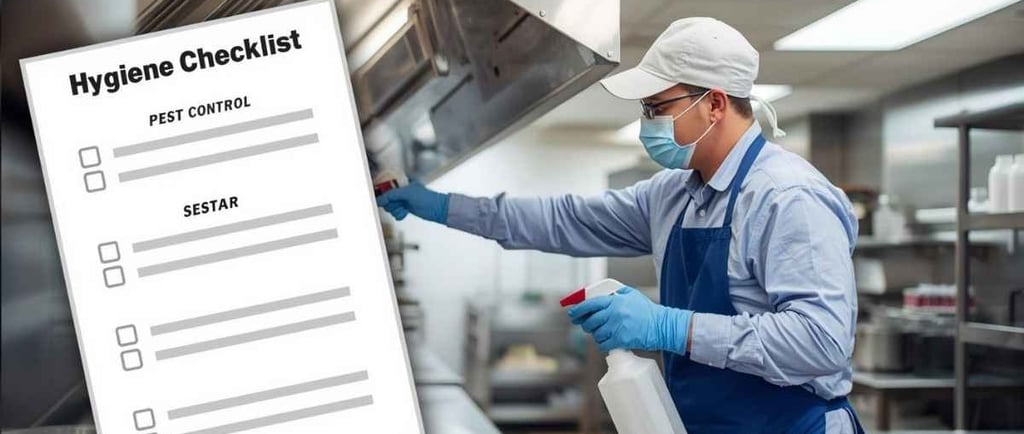

Legal Requirements for Pest Control in Bangladesh
In Bangladesh, businesses must adhere to specific legal requirements concerning pest control to ensure health and safety standards are met. The legal framework is primarily based on various regulations that mandate pest management practices to protect public health and the environment. Understanding these requirements is critical for business owners to mitigate the risk of violating laws that could lead to penalties.
One of the main laws governing pest control in Bangladesh is the Public Health Act, which mandates that property owners maintain sanitation standards that prevent pest infestations. This includes not only active prevention measures but also regular checks and necessary treatments should pests be identified. Noncompliance with this act can lead to health hazards, resulting in fines or legal action from local health authorities.
Moreover, businesses must obtain specific permits before executing pest control measures. The Department of Health, along with the Ministry of Agriculture, regulates pest control services, requiring operators to be licensed and adhere to safe application practices. It is essential for businesses to hire only certified pest control services that have proven compliance with these governmental guidelines and that utilize approved methods and chemicals, minimizing adverse impacts on human health and the environment.
Alongside these permits, businesses are obligated to keep records of pest management activities for inspection by local health authorities. This documentation can include details about treatments performed, chemicals used, and employee training on pest control measures. By meeting these legal obligations, businesses in Dhaka not only avoid potential sanctions but also contribute to a healthier community, ensuring safety and compliance with local health standards.
Risks Associated with Pests in Restaurants
Pest infestations present significant risks for restaurants, impacting food safety, employee health, and overall establishment reputation. The presence of pests, such as rodents and insects, can contaminate food supplies, leading to food safety violations that not only endanger the health of customers but can also result in costly fines and closures by health authorities.
Health hazards posed by pests are particularly concerning in the restaurant industry. Rodents are known carriers of various diseases, which pose a direct threat to both customers and staff. Their droppings can contaminate surfaces and food, leading to serious illnesses such as Salmonella or Listeria. Meanwhile, insects like cockroaches can also trigger allergic reactions and transmit pathogens, making it imperative for restaurant operators to mitigate these risks through effective pest control strategies.
Moreover, a pest infestation can severely tarnish a restaurant's reputation. In today's digital age, where reviews and ratings heavily influence consumer choices, damaging reports of pest sightings can deter potential customers and result in a loss of business. Restaurants that fail to address pest issues may find themselves facing not only immediate operational challenges but also long-term consequences, such as decreased customer trust and loyalty.
Employing proactive pest management helps restaurants safeguard their operations against these risks. By integrating regular inspections and preventive measures, businesses can effectively eliminate pests before they become a problem, ensuring compliance with health regulations and protecting their patrons' wellbeing. Thus, it is essential for restaurant operators to recognize the threats posed by pests and prioritize effective pest control solutions to maintain their establishment's integrity.
The Financial Consequences of Neglecting Pest Control
Ignoring pest problems in a business environment can lead to severe financial repercussions. When pests invade a commercial establishment, they can damage inventory, increase operational costs, and even result in the loss of valuable customers. A study conducted by the National Pest Management Association revealed that pest-related issues can lead to a staggering 25% increase in operational costs over time if not addressed promptly.
For instance, restaurants are particularly vulnerable to pest infestations, especially from rodents and insects. A case study involving a prominent dining establishment in Dhaka illustrated how a lack of effective commercial pest control led to a significant outbreak of cockroaches. The scenario not only forced the business to close temporarily for treatment but also resulted in a loss of approximately 15% in expected revenue during peak hours. Ongoing negative reviews from customers compounded the issue, leading to a long-term decline in patronage.
Moreover, businesses may face legal liabilities due to health and safety violations. Regulatory agencies impose heavy fines for establishments failing to maintain a pest-free environment, and such penalties can burden businesses financially. Additionally, potential legal action from customers who suffer from pest-related health issues can further escalate costs and damage the brand's reputation.
Overall, the cost of ignoring pest problems extends beyond immediate financial impacts. From increased operational expenses to reputational damage and potential legal repercussions, businesses must recognize that proactive pest management solutions are essential to maintaining a healthy and profitable operation. The data clearly show that investing in pest control is not merely an expense; it is a necessary step toward safeguarding the future viability of commercial entities in Dhaka.
Monthly Pest Control Plans vs. One-Time Services
When addressing pest control needs in commercial settings, businesses often face the decision between establishing monthly pest control plans and opting for one-time services. Each approach comes with its own set of benefits and drawbacks, but understanding them is crucial for an effective pest management strategy.
Monthly pest control plans provide a continuous and proactive means of ensuring that businesses remain pest-free. One significant advantage of this approach is the long-term effectiveness it offers. Regular treatments can significantly reduce the chances of re-infestation, as pest control professionals can monitor the premises consistently and take immediate action if any new pest activity is detected. This ongoing vigilance not only addresses current infestations but also fortifies the property against future pest problems. However, monthly plans do come with a higher recurring cost, which may not be feasible for every business.
In contrast, one-time pest control services can be a more economical option for some businesses, particularly those experiencing a localized or temporary pest issue. These services can effectively address immediate concerns without the commitment of an ongoing plan. Furthermore, for businesses that operate in low-risk environments or who are able to conduct regular monitoring, one-time treatments might suffice. However, the effectiveness of such services may be limited, and without consistent follow-up, businesses run the risk of rapid pest re-infestation following the initial treatment.
Ultimately, the choice between monthly pest control plans and one-time services should be guided by the specific needs of the business, including factors such as pest risk level, budget, and long-term pest management goals. Engaging with a professional pest control service can provide insight into the best option based on industry-specific requirements and pest behavior patterns.
Case Study: Success Stories in Commercial Pest Control
In Dhaka, many businesses have faced significant challenges related to pest infestations, leading to a growing need for effective commercial pest control solutions. One notable success story is that of a prominent restaurant chain in the city, which struggled with rodent issues threatening their reputation and health compliance. To address this, they implemented a comprehensive pest management strategy. The restaurant partnered with a pest control service that conducted a thorough inspection to identify entry points and potential nesting areas. Strategies included sealing gaps in construction, setting traps, and regular monitoring, which ultimately led to a substantial reduction in rodent sightings.
Another example involves a local textile manufacturer that encountered severe pest problems affecting its production line. After a detailed assessment, the company adopted an Integrated Pest Management (IPM) approach, which focused on both immediate removal of pests and long-term preventive measures. This involved employee training on sanitation practices, establishing pest exclusion methods, and regular audits of the facility. The results were remarkable, with a 70% drop in pest activity reported within a few months, allowing the business to regain customer trust and streamline operations.
A further case is that of a large office building in Dhaka. Management noticed an influx of cockroaches and ants, leading to numerous complaints from tenants. To resolve these issues, they engaged a professional pest control company that provided a tailored solution, including application of eco-friendly insecticides and establishment of a routine maintenance schedule. The outcome was highly satisfactory, with tenants reporting a pest-free environment, which enhanced the overall tenant experience.
These real-life examples illustrate the importance of comprehensive pest control solutions for businesses in Dhaka. They highlight how tailored strategies and proactive measures can lead to improved outcomes, fostering safer environments while ensuring operational continuity.
Call to Action for Pest Control Contracts
In the bustling commercial landscape of Dhaka, ensuring a pest-free environment is not just a luxury, but a necessity for businesses aiming to maintain a professional image and safeguard their operations. Engaging a dedicated pest management service is an effective strategy to mitigate potential pest problems that can disrupt operations and tarnish reputations. By signing up for pest control contracts, businesses can achieve peace of mind, knowing that experts are regularly monitoring their premises and implementing preventive measures tailored to their specific needs.
One of the primary benefits of establishing a pest control contract is access to expert intervention. Professional pest control technicians are trained to identify signs of infestations early, allowing for timely treatments that can prevent minor issues from escalating into major infestations. With their wealth of knowledge and experience, they utilize methods and products that are both effective and compliant with safety regulations, ensuring that your business environment remains safe for employees and customers alike.
Moreover, pest management services provide tailored solutions that cater to the unique challenges faced by different types of businesses. Whether your establishment is a food service, retail outlet, or office space, a customized approach means that you receive pest control strategies designed specifically for your operational needs and the products used in your facility. This personalized approach not only enhances effectiveness but also promotes long-term pest management success.
Furthermore, acting swiftly to secure a pest control contract can help businesses avoid the costly repercussions of pest infestations, commonly leading to property damage, loss of revenue, and diminished customer trust. With a reliable pest control partner, your business can focus on its core activities without the distraction or impact of pest issues, preserving both productivity and profitability.
Address:
264/5, Kamal Soroni Road, Mirpur, Dhaka-1216
Contact
Your Quaries on pest control askings
pestexterminatorbd@gmail.com
+8801642008383 +8801988300003, 01723057746
© 2025. All rights reserved. to Urban Pest Control Pvt. Ltd. this site is powered by Our Own IT Team