
Which Chemicals Are Used in Pest Control in Bangladesh? Full Safety Guide
3/20/20267 min read
Introduction to Pest Control in Bangladesh
In recent years, the pest control situation in Bangladesh has garnered increasing attention due to a notable rise in pest-related issues, both in urban and rural environments. This escalation can largely be attributed to rapid urbanization, climate change, and altered agricultural practices, creating ideal conditions for pests to thrive. Urban areas, characterized by dense populations and inadequate waste management practices, are particularly vulnerable to infestations, which can have considerable health, economic, and environmental repercussions.
Pests such as rodents, mosquitoes, termites, and agricultural insects pose significant challenges in Bangladesh, impacting public health and food security. The threat of vector-borne diseases, exemplified by the increasing prevalence of dengue fever and malaria, correlates closely with pest populations. As insects and rodents proliferate, they not only compromise food quality and safety but also contribute to the spread of diseases, prompting significant concern among health professionals and the general public.
In response to these pressing challenges, chemical pest control methods have emerged as a vital component of integrated pest management strategies in Bangladesh. These methods provide immediate relief from pest infestations and help mitigate the associated risks to health and agriculture. The significance of chemical pesticides, therefore, cannot be overstated, serving as an effective tool in managing pest populations quickly and efficiently. This highlights the necessity for informed and responsible use of these chemicals, ensuring that they contribute positively to pest management while minimizing risks to human health and the environment.
The following sections will delve deeper into the specific chemicals utilized in pest control in Bangladesh, exploring their functions, safety guidelines, and the implications of their use in both rural and urban settings.
Types of Chemicals Used in Pest Control
Pest control in Bangladesh encompasses various strategies that rely on chemically formulated agents known as pesticides. These agents are categorized into several types, each serving a specific purpose in managing unwanted pests. The primary categories of pesticides include insecticides, herbicides, and fungicides.
Insecticides are chemical substances specifically designed to kill or repel insects. Popular insecticides utilized in Dhaka and other urban areas include organophosphates and pyrethroids, which are effective against a wide range of insect pests, such as mosquitoes and cockroaches. These chemicals disrupt neurological functions in insects, leading to their death, thereby helping to maintain public health and sanitation.
Herbicides are another vital category, used predominantly for controlling weeds that can affect agricultural productivity. Glyphosate and 2,4-D are commonly used herbicides in Bangladesh. These chemicals target the growth processes of plants and are often employed in rice and vegetable cultivation to enhance yield by eliminating competing flora. Proper application of herbicides ensures optimal crop growth, although it is crucial to adhere to safety guidelines to mitigate potential harm to surrounding flora and fauna.
Fungicides, on the other hand, are chemicals used to prevent and treat fungal infections in plants. In Bangladesh, the use of fungicides like mancozeb and carbendazim is widespread among farmers dealing with diseases that can devastate crops. These fungicides help control issues such as blight and rust, thus ensuring healthier plant growth.
In conclusion, the use of these chemical pesticides is an essential aspect of pest control in Bangladesh. Awareness of the types and specific chemicals applied is critical for effective pest management and ensuring safety for humans and the environment alike.
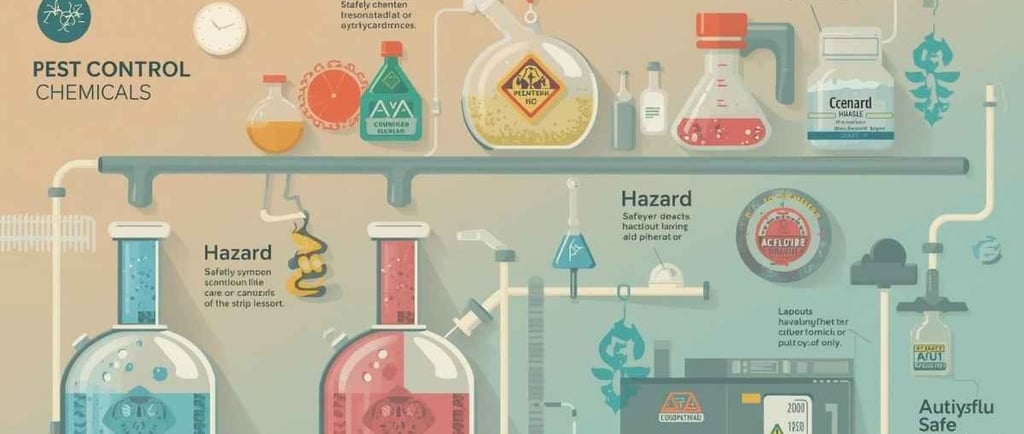
Pest control chemicals can be classified into two major categories: safe and harmful. Safe pest control chemicals are often derived from natural sources and are designed to minimize risks to human health and the environment. These products often use ingredients such as essential oils, botanical extracts, and naturally occurring compounds that effectively repel or control pest populations without posing significant health threats. Household-safe options, such as diatomaceous earth and insecticidal soaps, are typically deemed suitable for residential use, especially in environments with children and pets.
In contrast, harmful pest control chemicals often consist of synthetic compounds that can pose considerable health risks and environmental threats. These chemicals are frequently characterized by their potent ability to eliminate pests, but they also carry the potential for adverse effects on human health and non-target species. For instance, common synthetic pesticides like organophosphates and carbamates can lead to serious acute poisoning symptoms and have been linked to chronic health issues, including neurological damage and hormonal disruption upon prolonged exposure.
Moreover, the environmental implications of using harmful chemicals cannot be overlooked. Such substances can run off into water supplies, affecting aquatic ecosystems and contaminating drinking water. They can also disrupt the balance of local fauna, harming beneficial insects and other wildlife that play essential roles in the ecosystem. Thus, it is vital for individuals to be aware of these distinctions when selecting pest control methods. By understanding the differences between safe and harmful chemicals, consumers can make informed decisions that prioritize health and environmental welfare while effectively managing pest problems.
Application Methods for Pesticides
The application methods for pesticides play a crucial role in the effectiveness of pest control in Bangladesh. The most common methods include sprays, granules, and bait systems, each tailored for specific types of pests and environments. Understanding when and how to use each method ensures optimum results while prioritizing safety and environmental health.
Sprays are perhaps the most widely recognized method of pesticide application. This method involves the use of liquid formulations, which can be dispersed over large areas and hard-to-reach places. Spraying is particularly effective for managing airborne pests and invasive species that infest crops, as it provides even coverage and allows for rapid action against pests. It is essential to select appropriate spray nozzles and maintain proper distance and angle to maximize efficiency and minimize drift that could affect non-target organisms.
Granular formulations are another effective application method, especially for soil-borne pests. Granules are typically spread over the ground and allow for slow release of active ingredients into the soil where pests may reside. This method not only targets pests directly but also helps in protecting seedlings and plants. It is important to water the area after application to activate the granules, which will ensure distribution of the chemicals at the root level.
Bait application is commonly used for pests such as rodents and insects. Bait systems can be designed to attract pests and deliver a controlled dose of poison. This method significantly reduces the amount of pesticide used and minimizes the exposure to non-target wildlife. Care should be taken to secure bait stations in locations inaccessible to children and pets.
Best practices for pesticide application focus on the timing, dosage, and environmental conditions. Applying pesticides during calm weather and following label instructions strictly will not only enhance efficiency but also ensure safety for the surrounding ecosystem. A systematic approach to pest management will ultimately lead to sustainable agricultural practices in Bangladesh.
Safety Precautions for Families
When utilizing chemicals for pest control, it is essential for families to implement comprehensive safety precautions to safeguard their health and well-being. Firstly, it is advisable to choose pest control products that are certified for residential use and to carefully read all labeling instructions before application. Families should familiarize themselves with the potential hazards associated with these chemicals, ensuring that they are aware of any specific safety precautions that should be taken.
Protective gear plays a crucial role in minimizing exposure to pest control chemicals. Individuals applying these substances should wear gloves, goggles, and masks to limit direct contact with the skin, eyes, and respiratory system. It is recommended that children and pets be kept away from treated areas during and immediately after application, as they are particularly vulnerable to the adverse effects of chemicals. Designating a safe zone can help minimize the risk of exposure.
In the event of accidental exposure, families should have a clear emergency procedure in place. This includes keeping contact information for local poison control and emergency services readily available. If an individual shows signs of distress or any adverse reactions after contact with pest control chemicals, immediate medical assistance should be sought. Additionally, it is advisable to have a well-stocked first-aid kit that includes items suitable for treating chemical exposure, such as activated charcoal, antiseptic wipes, and bandages.
Household members should also be educated about the importance of proper ventilation when using pest control chemicals indoors. Opening windows and using fans can help disperse lingering vapors, further reducing the risk of inhalation. Post-application cleanup should be thorough; removing residues from surfaces and properly storing chemical containers can help maintain a safe living environment. By following these guidelines, families can effectively manage pest control while ensuring safety is prioritized.
Government Standards and Approved Pesticides
The regulatory framework governing pest control chemicals in Bangladesh plays a crucial role in ensuring public health and environmental safety. The Government of Bangladesh has established comprehensive guidelines to regulate the use of pesticides. These regulations are administered by the Directorate General of Drug Administration (DGDA) and the Department of Agricultural Extension (DAE), which set standards for the registration, sale, and use of pesticides.
Approved pesticides in Bangladesh must undergo rigorous evaluation processes before being permitted for use. This evaluation assesses the chemical's effectiveness, potential health risks, and environmental impact. The standards for safety are designed to protect both the applicators and the community, ensuring that any chemical approved for pest control has passed comprehensive risk assessments.
Moreover, the government continuously updates its list of approved pesticides to incorporate new scientific findings and safety data. This flexibility allows officials to respond promptly to emerging dangers associated with certain chemicals, thus prioritizing public health. It also takes into consideration the efficacy of pesticides in controlling pest populations that threaten agricultural productivity.
Compliance measures are in place to ensure adherence to these regulations. These include regular inspections of retailers and distributors, monitoring the correct use of pesticides by farmers, and educating stakeholders on safe handling practices. The government also imposes penalties for violations of pesticide regulations, reinforcing the significance of following safety practices. As a result, a robust framework has been created to manage the use of pest control chemicals in Bangladesh, reducing the risks associated with their application and helping to maintain the delicate balance between agricultural needs and public health.
Conclusion and Best Practices for Pest Control
In conclusion, effective pest control in Bangladesh necessitates a comprehensive understanding of the various chemicals utilized in managing pest populations. The use of chemical pesticides can be an effective method, but it also carries potential risks to human health and the environment. It is essential for individuals and professionals to be well-informed about the specific chemicals used, their application methods, and safety protocols to mitigate any adverse effects.
When preferring pest control chemicals, it is advisable to select those that are certified and regulated by relevant authorities to ensure safety and efficacy. Reading labels and understanding the active ingredients can help in making informed decisions. Opting for environmentally friendly or organic pest control solutions when feasible is a commendable practice that not only protects human health but also safeguards local biodiversity.
Moreover, applying pesticides should always follow the manufacturer's instructions closely. Protective gear such as gloves, masks, and goggles should be worn to minimize exposure during application. It is also critical to ensure that children and pets are kept away from treated areas until it is safe to return. Proper storage of chemicals, ensuring they are securely locked away and out of reach, is another essential safety measure.
Regular monitoring and evaluation of pest activity can be beneficial in assessing the effectiveness of the chosen pest control methods. Should any adverse effects occur, immediate action should be taken to address them. Ultimately, a balanced approach that combines safe chemical use with preventive practices will yield the best results in managing pest populations effectively while prioritizing safety for all stakeholders involved.
Address:
264/5, Kamal Soroni Road, Mirpur, Dhaka-1216
Contact
Your Quaries on pest control askings
pestexterminatorbd@gmail.com
+8801642008383 +8801988300003, 01723057746
© 2025. All rights reserved. to Urban Pest Control Pvt. Ltd. this site is powered by Our Own IT Team