
What Causes Water Pollution? Major Sources Destroying Rivers and Oceans
3/8/20267 min read
Introduction to Water Pollution
Water pollution is a significant environmental concern that occurs when harmful substances contaminate water bodies, including rivers, lakes, and oceans. This degradation of water quality has wide-ranging implications for ecosystems, human health, and the overall sustainability of our planet. Clean water is essential for all forms of life, functioning as a critical resource for drinking, agriculture, sanitation, and industrial processes.
The causes of water pollution are diverse, stemming from both natural processes and human activities. For instance, runoff from agricultural fields can carry fertilizers and pesticides into nearby streams, while industrial discharge may introduce heavy metals and toxins into larger water systems. Additionally, urban areas often contribute to pollution through stormwater runoff, which can transport waste and pollutants directly into water bodies.
Furthermore, water pollution extends its detrimental effects beyond just the immediate contamination of water sources. Disrupted ecosystems can lead to a decline in biodiversity as aquatic life struggles to survive in polluted conditions. The health implications for humans are equally concerning; the consumption of contaminated water can result in severe health issues, including gastrointestinal diseases and neurological disorders. Moreover, water pollution disproportionately affects marginalized communities who may rely on contaminated sources due to limited access to clean water alternatives.
In light of these challenges, addressing water pollution has become an urgent priority. Understanding the various causes and the critical importance of clean water is essential for fostering effective policies and practices aimed at mitigating this environmental issue. As we delve deeper into the major causes of water pollution in the sections that follow, it is clear that concerted efforts are required to combat this pervasive threat to our natural resources and public health.
Industrial Waste Discharge
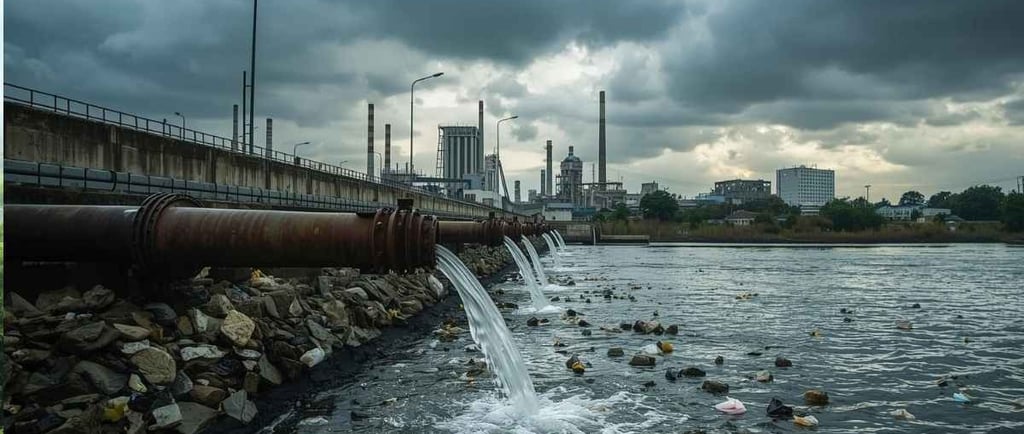
Industrial waste discharge is one of the primary contributors to water pollution, impacting ecosystems and human health significantly. Industries ranging from manufacturing and mining to agriculture and energy production release a variety of waste products into water bodies, often without adequate treatment. This wastewater can contain numerous harmful chemicals such as heavy metals, organic pollutants, and toxic compounds.
For instance, manufacturing plants frequently discharge effluents containing heavy metals like lead, mercury, and cadmium, which not only degrade water quality but also accumulate in aquatic life. The textile industry is notorious for releasing dyes and other chemicals that can cause severe discoloration and toxicity in water sources. Similarly, the oil and gas sector often results in oil spills that introduce hydrocarbons into marine and freshwater systems, leading to devastating consequences for wildlife and habitats.
Despite the known risks, the regulation of industrial wastewater discharge varies significantly across regions. Some countries enforce stringent regulations that require industries to treat their waste before disposal, adhering to set limits for pollutants. However, many regions lack the necessary regulatory framework or resources to monitor and control industrial discharges effectively. This lack of oversight allows industries to bypass essential waste management practices, exacerbating the problem of water pollution.
Moreover, even where regulations exist, compliance is not always enforced. Instances of regulatory failure can lead to unauthorized discharges, overwhelming nearby water bodies with pollutants. Additionally, the evolving nature of industrial activities means that old regulations may not address emerging pollutants, necessitating continuous updates to legal frameworks. Understanding the sources and impacts of industrial waste discharge is crucial for developing stronger policies aimed at protecting water resources and public health.
Agricultural Pesticides
The application of agricultural pesticides has become commonplace in modern farming practices, aimed at combating pests and ensuring crop productivity. However, these chemicals pose significant threats to water bodies through a process known as runoff. When it rains, pesticides used in agricultural fields can wash off the land and enter nearby streams, rivers, and lakes. This runoff not only contaminates surface water but can also seep into groundwater sources, leading to widespread ecological consequences.
One of the major concerns regarding agricultural pesticides is their potential to bioaccumulate within aquatic ecosystems. Once these harmful substances enter water bodies, they can be ingested by aquatic organisms, leading to a cascading effect up the food chain. Fish and other marine creatures may suffer from health issues ranging from reproductive problems to increased mortality rates. Additionally, waterfowl and terrestrial predators that consume contaminated fish may also ingest these toxic substances, further perpetuating the cycle of pollution.
Moreover, the presence of pesticides in water bodies can disrupt the natural balance of aquatic ecosystems. Beneficial organisms, such as phytoplankton and macroinvertebrates, can be adversely affected, reducing biodiversity and altering habitats. The long-term repercussions of pesticide accumulation can be severe, not only diminishing water quality but also impairing the ability of ecosystems to recover. It is imperative for agricultural practices to integrate sustainable pest management strategies that minimize the reliance on chemical pesticides, thereby safeguarding water resources and promoting ecological balance.
Sewage Contamination
Sewage contamination is a significant contributor to water pollution, resulting primarily from the discharge of untreated or inadequately treated wastewater into rivers, lakes, and oceans. When municipalities fail to properly process sewage, dangerous pathogens and toxic substances can enter aquatic environments, posing severe health risks to humans and ecosystems alike. This problem is particularly prevalent in densely populated regions where infrastructure may be outdated or overburdened by population growth.
A pertinent example is the city of Mumbai, India, where a substantial portion of sewage is released into the Arabian Sea without adequate treatment. The consequences are dire, with high levels of fecal coliform bacteria found in local beaches, leading to serious health advisories for residents and tourists alike. Similarly, in Dhaka, Bangladesh, inadequate wastewater treatment facilities result in significant groundwater contamination, exacerbating public health problems and affecting drinking water sources.
The health risks associated with sewage pollution are multifaceted. Exposure to pathogens such as bacteria, viruses, and parasites found in contaminated water can lead to diseases such as cholera, typhoid fever, and gastroenteritis. Furthermore, the presence of heavy metals and other hazardous chemicals can have long-term effects on human health, contributing to conditions ranging from neurological disorders to cancer. Vulnerable populations, including children and the elderly, are especially at risk, highlighting the need for urgent interventions.
Addressing sewage contamination requires a comprehensive approach that involves upgrading treatment facilities, implementing stricter regulations, and promoting public awareness regarding the importance of proper wastewater management. Effective solutions not only protect human health but also preserve aquatic ecosystems from the detrimental effects of untreated sewage discharge.
Oil Spills
Oil spills represent a significant environmental challenge, primarily affecting marine ecosystems and coastal regions. These incidents usually result from human activities such as tanker accidents, offshore drilling mishaps, and equipment failures. The immediate cause of oil spills is often linked to the transportation of crude oil, which involves considerable risk throughout the supply chain. Even seemingly minor leaks can lead to devastating consequences for marine life.
Historically, some of the most notorious oil spills have raised environmental awareness and highlighted the catastrophic impact that oil contamination can have on aquatic environments. Notable incidents include the Exxon Valdez spill in 1989, where approximately 11 million gallons of crude oil were released into Alaska's Prince William Sound, affecting thousands of marine animals and damaging the local ecosystem for decades. The Deepwater Horizon spill in 2010 further emphasized the scale of disaster possible, with approximately 210 million gallons of oil discharged into the Gulf of Mexico, causing irreversible harm to marine biodiversity and coastal communities.
The effects of oil spills extend far beyond the immediate area of discharge. Oil chemically alters water quality, which can lead to the death of marine organisms, including fish, birds, and mammals. Furthermore, the toxic compounds found in crude oil can bioaccumulate in the food web, ultimately affecting human health when seafood contaminated by oil spills is consumed. Cleanup efforts can be exceptionally challenging, as they require a combination of mechanical recovery, chemical dispersants, and bioremediation methods, each with their own limitations and potential for further ecological damage.
Long-term effects of oil pollution persist long after the initial spill has been managed. Ecosystems struggle to recover, and species affected may face chronic health issues, behavioral changes, and decreased reproduction rates. Therefore, prevention measures and stringent regulations regarding oil transportation and extraction are essential to mitigate oil spill incidents and protect marine environments. Understanding oil spills as a critical type of water pollution underscores the necessity for continued research and advocacy aimed at preserving aquatic life.
Plastic Waste
Plastic waste represents a significant driver of water pollution globally, adversely affecting the health of oceans and waterways. The various types of plastics that contribute to this crisis include single-use plastics, such as bags, bottles, and straws, as well as more durable items like fishing nets and packaging materials. These plastics often find their way into waterways through littering, inadequate waste management systems, and industrial runoff.
One of the most alarming byproducts of plastic waste is the formation of microplastics. These tiny particles, measuring less than five millimeters, arise from the breakdown of larger plastic items or by-products from consumer goods, like microbeads found in toiletries. Microplastics can easily be ingested by marine life, leading to potential bioaccumulation in the food chain and, ultimately, posing risks to human health as well.
Globally, the plastic pollution crisis is evident in various regions, particularly oceans, where large-scale accumulation has led to the formation of "garbage patches." The Great Pacific Garbage Patch, for instance, is a well-documented accumulation of plastic debris situated between Hawaii and California, sustained by ocean currents and wind patterns. Similar phenomena are observable in many oceanic regions around the world, showcasing the transboundary nature of plastic pollution. Measures to mitigate plastic waste, such as improving recycling efforts, increasing public awareness, and implementing stricter regulations on plastic production, are essential to address this environmental crisis. Each country must take responsibility for managing its plastic waste to prevent further degradation of freshwater and marine ecosystems.
Heavy Metals in Water
Heavy metals such as lead, mercury, and cadmium are significant contaminants found in water supplies worldwide. These toxic substances often enter the aquatic environment through both natural processes and anthropogenic activities. Industrial discharges, mining operations, and urban runoff are well-established pathways for heavy metal pollution. Agricultural activities may also contribute to contamination, particularly through the use of fertilizers and pesticides that contain heavy metals.
The health risks associated with exposure to heavy metals in drinking water are significant and varied. Lead, for instance, is known to be particularly harmful, especially to young children. It can cause developmental issues, reduced IQ, and problems with attention and behavior. Mercury exposure, on the other hand, can lead to neurological and kidney damage, ultimately affecting cognitive and motor functions. Likewise, cadmium can result in adverse health effects, including kidney damage and bone softening.
Communities across the globe have faced the repercussions of heavy metal pollution. A notable example is Flint, Michigan, where lead leached into the drinking water due to corroded pipes. This incident not only raised national awareness regarding water contamination but also highlighted the dire need for infrastructure improvements and regulatory oversight. Another case to consider is the excessive mercury found in water bodies surrounding mining sites in regions such as Peru and Brazil, where small-scale gold mining operations utilize mercury to extract gold, leading to severe environmental and health consequences.
Understanding the sources and impacts of heavy metals in water is crucial for developing effective strategies to combat water pollution. Mitigating such contamination requires a concerted effort from policymakers, industries, and communities to establish stringent regulations and promote sustainable practices that protect water quality and public health.
Address:
264/5, Kamal Soroni Road, Mirpur, Dhaka-1216
Contact
Your Quaries on pest control askings
pestexterminatorbd@gmail.com
+8801642008383 +8801988300003, 01723057746
© 2025. All rights reserved. to Urban Pest Control Pvt. Ltd. this site is powered by Our Own IT Team