
Water Pollution in Bangladesh: Causes, Effects & Best Water Treatment Solutions
3/8/20268 min read
Introduction to Water Pollution in Bangladesh
Water pollution in Bangladesh represents a significant challenge that impacts the health, economy, and environmental stability of the country. As one of the most densely populated nations globally, Bangladesh is grappling with a myriad of water pollution issues, which have implications not only for its population but also for the surrounding ecosystems. The health repercussions of contaminated water are profound, leading to a range of waterborne diseases that disproportionately affect vulnerable communities. It is estimated that millions of people suffer annually from severe ailments due to unsafe drinking water.
The primary sources of water pollution in Bangladesh can be traced back to industrial discharge, agricultural runoff, and inadequate sanitation facilities. With a rapidly growing industrial sector, factories often release untreated waste directly into rivers and canals, contaminating vital water sources. Additionally, the extensive use of fertilizers and pesticides in agriculture contributes significantly to the degradation of waterways, as these chemicals leach into the soil and ultimately find their way into the water supply. Furthermore, the lack of proper sewage management exacerbates the scenario, with untreated sewage being a leading contributor to water pollution.
Urgency surrounds the necessity for sustainable solutions to combat water pollution in the country. As Bangladesh continues to develop, the demand for clean water increases, making it imperative to address the root causes of pollution. The environmental impact of water pollution also extends to aquatic life, disrupting ecosystems that are critical to both biodiversity and the fishing industry, which sustains many local households. As such, enhancing public awareness, investing in waste treatment infrastructure, and implementing stringent regulations are essential steps toward achieving cleaner water for all. The fight against water pollution in Bangladesh remains not just an environmental issue but a pressing social and economic concern that warrants immediate attention.
Major Polluted Rivers in Bangladesh: Buriganga, Turag, and Shitalakkhya
Bangladesh, a country enriched by its extensive network of rivers, faces significant challenges with water pollution, primarily affecting major rivers such as the Buriganga, Turag, and Shitalakkhya. The Buriganga River, flowing through the capital city of Dhaka, is particularly critical due to its historical and economic importance. This river has served as a vital waterway for trade and transportation for centuries. However, industrial discharges, combined with untreated sewage and solid waste, have severely compromised its water quality, making it one of the most polluted rivers in the world.
The Turag River, which adjoins the Buriganga, also suffers from similar issues. This river has become a dumping ground for factory waste and residential effluents, leading to a decline in aquatic life and posing significant health risks to surrounding communities. The pollution concentration in the Turag has raised alarming concerns, not only due to the degradation of existing ecosystems but also due to the potential long-term health implications for residents relying on this river for daily use.
Similarly, the Shitalakkhya River, which flows through Narayanganj, is critically polluted due to industrial activities from nearby factories. The river has become heavily contaminated with chemicals and heavy metals, causing widespread concern among the local populace. Residents often report skin diseases and respiratory issues, highlighting the direct impact of environmental negligence on public health. Additionally, the degradation of these rivers has led to diminished livelihoods for communities depending on fishing and other river-related activities.
In summary, the Buriganga, Turag, and Shitalakkhya Rivers exemplify the serious water pollution issues facing Bangladesh. The rampant industrial discharge and inadequate waste management are contributing to environmental degradation, threatening not only biodiversity but also human health and economic stability in surrounding communities.
Industrial Waste Contamination: A Growing Concern
Industrial waste contamination represents a significant and escalating challenge in Bangladesh's ongoing struggle with water pollution. With rapid industrialization, numerous factories proliferate across the nation, frequently disregarding proper waste disposal methods. As a result, the direct discharge of untreated industrial effluents into rivers and lakes has become commonplace, leading to grave environmental consequences.
One of the most troubling aspects of this widespread contamination is the presence of heavy metals and hazardous chemicals introduced into water bodies by industrial activities. These substances often include lead, cadmium, chromium, and arsenic, which not only threaten aquatic ecosystems but also pose severe health risks to communities reliant on these water sources. The impact of heavy metal pollution is particularly alarming, as these toxic elements can accumulate in the food chain, further exacerbating the risks to human health, including chronic diseases and developmental disorders.
The urgency of addressing industrial waste contamination is amplified by the lack of stringent regulatory measures governing industrial practices. Unregulated industrial growth has led to a scenario where many companies prioritize profit over environmental responsibility. Insufficient enforcement of environmental laws often results in factories taking shortcuts, releasing toxic substances with little regard for their effects on local water resources. This negligence calls for a comprehensive understanding of the relationship between industrial activities and water pollution.
To mitigate the consequences of industrial waste contamination, it is crucial for the government to implement strict regulations and promote sustainable industrial practices. Additionally, increasing public awareness and encouraging community engagement can play pivotal roles in holding industries accountable for their waste management practices. By addressing these challenges comprehensively, Bangladesh can begin to tackle the pervasive issue of water pollution stemming from industrial activities.
Arsenic Contamination in Groundwater: A Silent Crisis
Arsenic contamination in groundwater is a critical issue affecting millions in Bangladesh, posing severe health risks and raising significant challenges for sustainable development. This insidious crisis primarily arises from the natural occurrence of arsenic in geological formations, exacerbated by human activities. Over the past few decades, the extensive extraction of groundwater for irrigation and drinking purposes has led to increased exposure to arsenic, a toxic metalloid.
The origins of arsenic contamination can largely be traced to sedimentary deposits in the deltaic plains of Bangladesh. When groundwater is extracted and remains in contact with these deposits, arsenic can leach into the water supply. Additionally, agricultural practices that exploit groundwater resources further increase the risk of contamination, as the overuse of groundwater creates conditions conducive to arsenic mobilization. This situation is particularly dire in rural areas where communities rely heavily on tube wells, often unaware of the hidden dangers lurking in their water sources.
The health implications of arsenic-contaminated water are grave and far-reaching. Chronic exposure to arsenic through drinking water can result in a myriad of health issues, including skin lesions, cancers (especially bladder and skin cancers), and cardiovascular diseases. Moreover, the long-term effects of arsenic can adversely impact public health systems, with substantial economic repercussions for affected communities. Vulnerable populations, particularly women and children, face heightened risks due to their reliance on contaminated sources for essential daily needs.
The situation demands immediate action, including enhanced monitoring of groundwater supplies, public education on the risks associated with arsenic exposure, and the implementation of feasible water purification methods. Addressing arsenic contamination in groundwater is not merely a health issue; it embodies a multifaceted challenge that requires coordinated efforts from government bodies, international organizations, and local communities to safeguard the health and well-being of Bangladesh's population.
Plastic Pollution: The Lingering Threat in Rivers
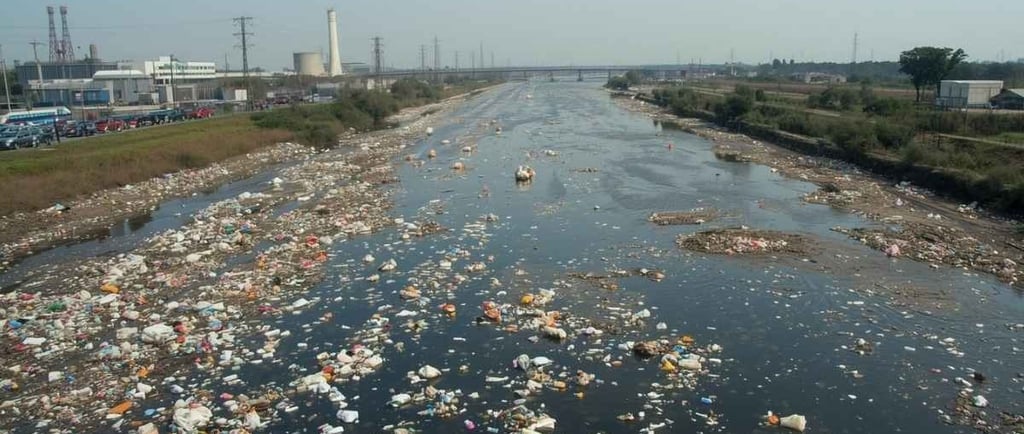
Plastic pollution continues to pose a significant challenge in Bangladesh, particularly in its rivers. The abundance of plastic waste has emerged as a critical environmental issue affecting water quality and ecosystem health. As a developing nation, Bangladesh faces relentless pressures from urbanization, population growth, and industrial practices. These factors contribute significantly to the uncontrolled discharge of plastic into rivers, leading to a multitude of negative outcomes for both human and ecological health.
The sources of plastic waste in Bangladesh's rivers are varied. A considerable amount stems from domestic waste, where residents contribute to the problem through improper disposal methods. Industries, especially those related to packaging and manufacturing, are prominent contributors, with plastic products often discarded haphazardly. Moreover, informal recycling practices further exacerbate the issue, as discarded plastics often find their way into waterways instead of proper recycling facilities. Consequently, the accumulation of plastic waste disrupts aquatic ecosystems and degrades water quality.
The impact of plastic pollution extends to both aquatic life and human populations. Marine and freshwater organisms ingest plastic particles, mistaking them for food, which can result in injury, disease, or death. Furthermore, toxins associated with plastics can bioaccumulate in the food chain, threatening larger species, including fish that are consumed by humans. This chain of contamination poses serious health risks to communities dependent on these water resources for their livelihoods.
Addressing the plastic pollution crisis requires a multi-faceted approach that centers on effective waste management practices. Initiatives aimed at improving recycling rates, implementing waste segregation strategies, and increasing public awareness about proper disposal can significantly mitigate this pervasive issue. In summary, without concerted efforts to combat plastic pollution, rivers in Bangladesh may continue to face dire consequences that affect both the environment and public health.
Health Risks Due to Contaminated Water Sources
The pervasive issue of water pollution in Bangladesh poses significant health risks, primarily due to the consumption of contaminated water. Waterborne diseases such as cholera, dysentery, and typhoid fever have become alarmingly prevalent, impacting public health disproportionately. According to a report by the World Health Organization (WHO), approximately 2.2 million people die annually from diseases caused by unsafe drinking water, with children under five being particularly vulnerable.
In regions of Bangladesh where water sources are polluted with pathogens and toxic substances, the consequences can be dire. For instance, the prevalence of arsenic contamination in groundwater has led to severe health consequences, including skin lesions, developmental impacts, and an increased risk of cancer. The Bangladesh Arsenic Mitigation Water Supply Program highlights that an estimated 20 million people are at risk of arsenic exposure from their primary drinking water source. This toxic exposure not only poses immediate health threats but also leads to chronic health conditions that can last a lifetime.
Furthermore, the economic burden of these water-related health issues is profound. The costs associated with treating waterborne diseases and addressing chronic health problems prevent families from achieving financial stability, often leading to a cycle of poverty. Data from the National Institute of Preventive and Social Medicine (NIPSOM) indicates that the economic losses due to poor water quality could amount to approximately 4% of the national GDP. This situation underscores the urgent need for sustainable solutions to ensure access to safe drinking water and effectively mitigate health risks associated with water pollution.
Solutions for Clean Drinking Water and Sustainable Management
Addressing the challenges of water pollution in Bangladesh is essential to ensure access to clean drinking water and promote environmental sustainability. Several solutions can be implemented to achieve these goals, each requiring a multi-faceted approach.
One prominent solution involves the adoption of advanced filtration systems that utilize both traditional and modern technologies. For example, incorporating bio-sand filters, which are affordable and easy to maintain, can significantly reduce contaminants in household water supplies. Regions that have successfully implemented such systems, like certain areas in India, have seen marked improvements in water quality and public health.
Policy reforms are also crucial in ensuring long-term sustainability in water management. The Bangladeshi government can benefit from learning from best practices adopted in countries such as Singapore, where integrated water resource management strategies have been employed. This includes the regulation of industrial discharges into rivers and stricter enforcement of pollution control measures, which can create a cleaner environment for potable water sources.
Community education plays a pivotal role as well. Initiatives aimed at raising awareness about the importance of water conservation and pollution prevention can empower local populations. Programs that teach proper waste disposal, promote rainwater harvesting, and advocate for the use of non-toxic cleaning agents can have a lasting impact on water quality.
Infrastructure improvements are necessary to ensure that clean drinking water is accessible to all. Investment in modern pipeline systems and treatment facilities can help eliminate leaks and contamination risks. Successful examples can be found in urban areas of Africa, where similar initiatives have led to significant improvements in access to safe drinking water.
Combining these strategies enhances the potential for achieving both clean drinking water and sustainable environmental management in Bangladesh. By drawing inspiration from successful case studies and tailoring solutions to local conditions, it is possible to address the pressing water pollution problems effectively.
Address:
264/5, Kamal Soroni Road, Mirpur, Dhaka-1216
Contact
Your Quaries on pest control askings
pestexterminatorbd@gmail.com
+8801642008383 +8801988300003, 01723057746
© 2025. All rights reserved. to Urban Pest Control Pvt. Ltd. this site is powered by Our Own IT Team