
Understanding Pest Behavior in Bangladesh: Why They Invade Your Home
3/20/20267 min read
Introduction to Pest Behavior in Bangladesh
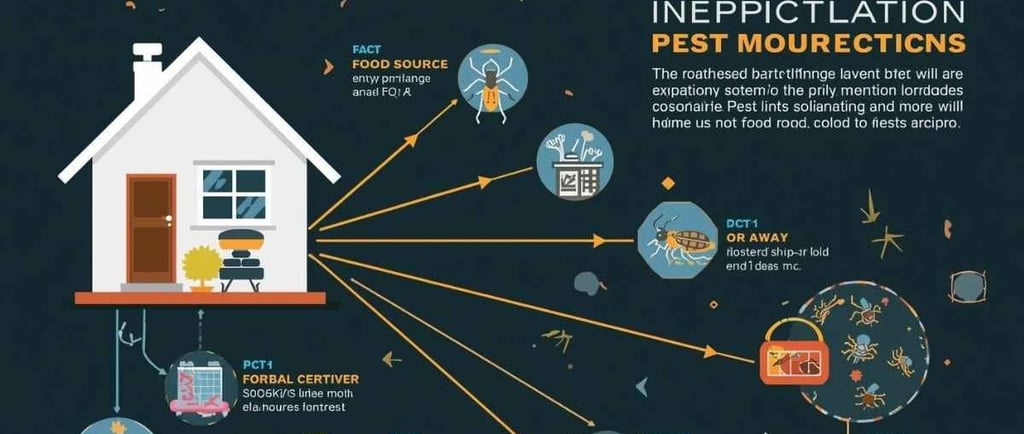
Bangladesh, with its diverse climate and abundant vegetation, is home to a variety of pests, including insects and rodents that can pose significant challenges for homeowners. Understanding pest behavior in this context is crucial for effectively managing and preventing infestations. Pests invade homes for a multitude of reasons, primarily seeking shelter, food, and water sources. The tropical climate of Bangladesh further exacerbates this issue, creating an ideal environment for pest proliferation.
Among the most prevalent pests in Bangladesh are mosquitoes, cockroaches, rats, and termites. Mosquitoes, in particular, thrive in damp areas and can transmit harmful diseases, making them a major concern during the rainy season. Similarly, cockroaches are notorious for their adaptability and resilience, often found in kitchens where they can access food remnants. Rodents such as rats not only damage property but can also contaminate food supplies, leading to significant health risks.
In understanding pest behavior, it is essential to consider the specific factors that lead to infestations. Pests are often drawn to homes that provide easy access points, such as cracks in foundations or gaps around windows and doors. Once inside, they exploit available resources, quickly establishing a presence if not promptly addressed. Homeowners must be proactive in implementing preventive measures, including maintaining cleanliness, sealing entry points, and using pest management strategies.
In summary, recognizing the behavior and habits of pests common to Bangladesh is pivotal for homeowners. By understanding the motivations and patterns of pest invasions, individuals can take appropriate precautions and measures to safeguard their homes from these unwelcome intruders. This article will delve deeper into the behaviors of specific pests and effective strategies for control and prevention.
Understanding Pest Attraction Factors
Pest infestation in homes is a prevalent issue in Bangladesh, driven by numerous factors that create a conducive environment for these unwanted guests. Understanding these attraction factors is essential for effective pest management and prevention. The primary environmental factors include humidity and temperature, both of which play a crucial role in determining pest behavior.
In Bangladesh's tropical climate, the elevated humidity levels offer an ideal breeding ground for a variety of pests, including mosquitoes, cockroaches, and termites. These pests thrive in warm and damp conditions, leading them to seek shelter in homes where they find moisture and food sources. Moreover, fluctuating temperatures can impact pest activity, with many species becoming more prevalent during warmer months when they are most active.
In addition to environmental influences, human behaviors significantly contribute to pest attraction. Poor food storage practices, such as leaving food exposed or improperly disposing of waste, create an inviting atmosphere for pests. For instance, crumbs left on countertops or uneaten food scattered in living areas can attract rodents and ants, exacerbating infestation issues. Similarly, accumulating garbage provides a rich habitat for flies and cockroaches.
When homeowners neglect proper sanitation and waste management, the likelihood of attracting pests increases dramatically. Simple changes, like sealing food containers and cleaning up spills promptly, can significantly deter pests. Furthermore, addressing entry points–such as cracks in walls or gaps around windows–helps minimize potential pest ingress.
In conclusion, understanding the various environmental and human factors that attract pests to homes in Bangladesh allows homeowners to take proactive measures. By making minor adjustments in their living spaces and maintaining cleanliness, individuals can effectively reduce the risk of pest invasion and promote a healthier home environment.
Common Behavioral Patterns of Household Pests
Understanding the behavioral patterns of common household pests such as cockroaches and termites is crucial for effective pest management. These pests exhibit specific behaviors that enable them to thrive in human environments. For instance, cockroaches are nocturnal creatures, primarily active during the night when they scavenge for food. They are attracted to warmth and moisture, often seeking shelter in kitchens and bathrooms, where food residues and water sources are abundant.
Similarly, termites display distinct behavioral traits, particularly during their foraging and nesting activities. They prefer damp wood and decaying vegetation also present in and around homes. These insects are particularly active in warmer months, which is essential for recognizing the optimal times for prevention. Their ability to work collaboratively in colonies allows them to efficiently locate food sources and expand their nests, often unnoticed by homeowners until significant damage is evident.
The reproductive habits of these household pests contribute to their proliferation within residential areas. Cockroaches can reproduce rapidly, with a single female producing multiple egg cases throughout her lifetime, each containing dozens of eggs. This high reproductive rate can lead to a rapid escalation of an infestation if left unchecked. In comparison, termites establish large colonies that can include thousands of individuals, with workers, soldiers, and reproductive members playing specific roles within the community. Understanding these life cycles is essential; knowing when to expect increased activity can aid in early detection and treatment.
In summary, recognizing the behavioral patterns of common household pests allows homeowners to adopt effective prevention measures. By identifying when and where these pests are most active, residents can take proactive steps to minimize their presence and protect their living spaces from infestations.
Cockroach Hiding Places: Why They Choose Your Home
Cockroaches are notorious pests known for their ability to invade homes, seeking refuge in various hiding spots that provide them with the ideal conditions for survival. These resilient insects are typically drawn to dark, damp areas that offer both shelter and access to food sources. Understanding the specific locations within a home where cockroaches are likely to hide can be instrumental in preventing infestations.
One of the most common hiding places for cockroaches is under sinks and in kitchen cabinets, particularly those located near plumbing fixtures. The moisture present in these areas, combined with the warmth from pipes, creates a suitable environment for these pests. Additionally, the proximity to food scraps and crumbs further attracts them.
Another prime location for cockroaches is behind appliances such as refrigerators, ovens, and dishwashers. These areas often remain undisturbed, providing a secure hiding spot that is dark and warm. The appliances themselves, often generating heat, exacerbate the appeal of these locations. Furthermore, gaps and crevices in structures, such as behind baseboards or within cracks in walls, serve as excellent shelters for cockroaches as they can easily navigate through these tight spaces.
Basements and crawl spaces are also frequent hiding places due to their typically cooler, darker, and more humid environments. Such locations often go unnoticed by homeowners, allowing cockroaches to establish colonies undetected. Lastly, cluttered spaces both indoors and outdoors, including piles of boxes or debris, provide ample hiding spots for cockroaches, making the organization a key factor in pest control.
In conclusion, comprehending why cockroaches choose specific hiding places in the home is critical for effective pest management. By addressing moisture levels, improving sanitation, and reducing clutter, homeowners can significantly reduce the likelihood of cockroach infestation. Remaining vigilant and proactive can help create an inhospitable environment for these resilient pests.
Termite Behavior in Bangladesh: A Deep Dive
Understanding termite behavior is crucial for homeowners in Bangladesh, where these pests are prevalent due to the country’s warm and humid climate. Termites primarily feed on wood and cellulose, making wooden structures and products particularly vulnerable to their invasion. The diet of termites includes not just timber from homes but also decaying plant matter, which plays a critical role in the ecosystem by recycling nutrients. However, their wood-eating tendencies can lead to substantial damage to structures over time.
Termites are social insects that live in colonies, which can range from a few thousand to several million individuals. Each colony consists of a queen, kings, workers, and soldiers, each performing distinct functions. In Bangladesh, common species such as the Eastern Subterranean termite can often be found invading homes through foundations or wooden infrastructures. They create mud tubes to facilitate their movement from the ground to food sources, which allows them to navigate unnoticed. This behavior underscores the importance of regular inspections to detect early signs of infestation.
Seasonal changes significantly affect termite activities; during the warmer months, especially from May to August, termite swarming is prevalent. This is the time when winged reproductive termites leave their colonies to establish new nests. Homeowners are advised to be particularly vigilant during this warm period as the likelihood of encountering swarms near or inside their homes increases. Additionally, the wet season makes the ground more conducive for termites to travel undetected, thereby reinforcing the necessity for preventive measures and awareness of termite behavior in residential areas.
Smart Prevention Tips to Keep Pests at Bay
The management of pest behavior in Bangladesh requires a multifaceted approach aimed at minimizing their likelihood of invasion in residential spaces. Effective pest prevention begins with maintaining a clean home environment. Regularly cleaning areas such as kitchens and dining rooms can significantly reduce food sources that attract pests. It is advisable to promptly store food in airtight containers and promptly clean spills or crumbs that can serve as invitations for rodents and insects.
Another significant strategy is pest-proofing your home. This involves identifying and sealing any potential entry points that pests might exploit to gain access to your living spaces. Cracks in walls, gaps around windows and doors, and holes in screens should be carefully inspected and properly sealed. Properly installing door sweeps and window screens can inhibit entry and significantly lessen the chances of infestation.
Environmental modifications also play a critical role in pest control. For instance, ensuring that your yard is well-maintained can deter pests from approaching your home. This includes trimming overgrown vegetation, removing standing water which can breed mosquitoes, and maintaining a clean outdoor area free from debris. Additionally, using mulch can enhance aesthetics but should be applied judiciously, as it can attract certain insects if used excessively.
Moreover, adopting natural deterrents, such as planting pest-repelling herbs like mint or lavender, can also be effective for keeping pests at bay. Such plants can not only beautify your garden but also create an inhospitable environment for common pests.
Through these targeted prevention strategies, homeowners can better understand the underlying psychological triggers of pest behavior and effectively mitigate pest invasions. By implementing these practices consistently, it becomes possible to cultivate a living space less inviting to unwanted visitors.
Conclusion: Taking Action Against Pests
In understanding the behavior of pests in Bangladesh, it becomes evident that preventive measures and informed actions can greatly reduce the risk of infestations. Throughout this article, we have examined the various types of pests that commonly invade homes, including their habits and the environmental factors that contribute to their presence. By analyzing these behaviors, homeowners can tailor their approaches to pest management, creating a less inviting environment for these unwelcome guests.
One of the most crucial steps in mitigating pest issues is maintaining cleanliness in and around the home. Simple practices such as regular cleaning, proper waste disposal, and sealing off entry points can significantly decrease the likelihood of pests taking residence. Furthermore, being cognizant of seasonal changes and climatic conditions in Bangladesh will aid in predicting pest activities, allowing homeowners to implement timely preventive strategies.
Additionally, eco-friendly pest control alternatives are gaining traction as effective measures in managing infestations. Options such as natural repellents and traps can provide humane solutions while minimizing harm to the environment. Educating oneself about these alternatives is a vital step towards fostering an eco-conscious approach to pest management. Community awareness plays a pivotal role, as collaborating with neighbors can lead to combined efforts in pest control, reducing the overall pest population in the area.
Ultimately, taking action against pests requires a proactive mindset and a commitment to understanding their behavior. By integrating effective management practices and promoting community awareness on pest control alternative methods, homeowners can achieve a pest-free environment that enhances their quality of life.
Address:
264/5, Kamal Soroni Road, Mirpur, Dhaka-1216
Contact
Your Quaries on pest control askings
pestexterminatorbd@gmail.com
+8801642008383 +8801988300003, 01723057746
© 2025. All rights reserved. to Urban Pest Control Pvt. Ltd. this site is powered by Our Own IT Team