
Understanding LD50 Dosage for Insecticides and Safe Learning Practices
Understanding LD50 Dosage for Insecticides and Safe Learning Practices
12/4/20257 min read
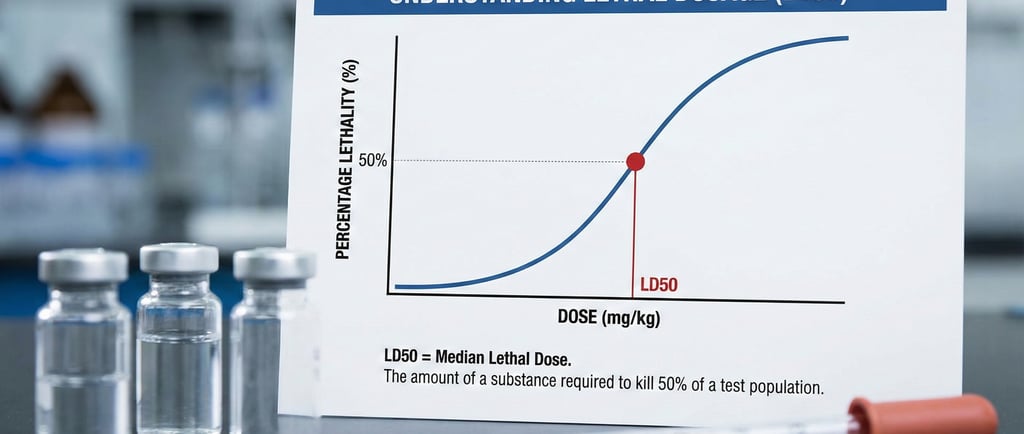
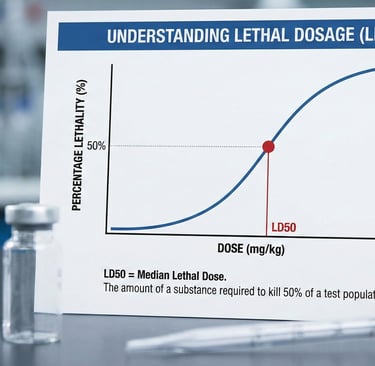
Introduction to LD50 and Its Importance
LD50, or Lethal Dose 50, is a critical metric in toxicology that represents the dose of a substance required to kill half of a test population. This measurement is particularly significant in assessing the toxicity of various chemicals, including insecticides. Understanding LD50 provides an essential foundation for the responsible use of pesticides, especially in agriculture and pest control. The historical context of LD50 begins with the early 20th century when scientists sought to quantify the toxic effects of substances on living organisms. The establishment of this standard allowed for more straightforward comparisons of toxicity levels across different chemicals and enabled the development of safety regulations and guidelines in pesticide application.
In essence, LD50 helps determine the potential risk associated with a specific insecticide. For instance, a lower LD50 value indicates that a smaller amount of the chemical can lead to lethal effects, thus raising concerns regarding its safety during handling and application. Consequently, understanding this metric becomes pivotal for farmers, pest control professionals, and regulatory bodies. It enables them to make informed decisions about which insecticides to use based on their efficacy and safety profiles.
Moreover, the relevance of LD50 extends beyond the laboratory, influencing real-world applications. By grasping the implications of this dosage measure, practitioners can adopt safer learning practices involving pesticide usage. This understanding promotes responsible application strategies, minimizing exposure risks to humans, wildlife, and the environment. Therefore, knowledge of LD50 is essential not only for regulatory compliance but also for fostering a culture of safety in the pest management industry.
How LD50 is Measured
Understanding the methodology for measuring the LD50 value of insecticides is crucial for assessing their toxicity. LD50, defined as the lethal dose required to kill 50% of a tested population, is determined through carefully controlled laboratory studies. The most common approach involves administering varying doses of an insecticide to a sample population, typically involving laboratory animals such as rats or mice, under strict ethical guidelines.
The initial step in determining the LD50 involves selecting an appropriate test organism, which is essential because the sensitivity to toxins can vary markedly between species. Once the organism is chosen, researchers follow a specific protocol involving repeated dosing of different concentrations of the insecticide. Each dose is administered via various routes of exposure, which may include oral, dermal, or inhalation methods. This variation is critical, as different routes can lead to different absorption rates and toxicity levels.
After exposure, the population is observed for signs of toxicity, morbidity, and mortality. The collected data is then analyzed using statistical models to derive an LD50 value. The probit analysis is one common statistical method employed, which helps researchers calculate the dose-response relationship accurately. This relationship is influenced by multiple factors, including the dosage form of the insecticide, whether it is liquid, solid, or gas, and the formulation type, which can alter the bioavailability of the active ingredient.
Variations in LD50 can also arise from genetic differences among species, making it imperative to interpret results carefully. Consequently, results obtained from one species may not be directly transferable to another, necessitating a prudent approach in extrapolating data across different insects or mammals. Overall, the procedures and factors influencing LD50 measurement contribute significantly to our understanding of insecticide safety and risk assessments.
Interpreting LD50 Results
The LD50 value, which denotes the lethal dose required to kill 50% of a test population, serves as a critical indicator of the toxicity level of insecticides. Understanding LD50 results is pivotal for both users and regulatory bodies to assess the safety and potential risks associated with chemical applications. These values are typically expressed in milligrams per kilogram (mg/kg) and vary considerably among different compounds, leading to a classification of insecticides into high and low toxicity categories.
Insecticides with low LD50 values—generally less than 50 mg/kg—are classified as highly toxic. These substances pose significant risks not only to target organisms but also to non-target species, including beneficial insects and humans. Conversely, insecticides with higher LD50 values, often greater than 500 mg/kg, are considered to have lower toxicity, which implies that a higher dose is required to cause harm. This differentiation is essential for safe handling practices and selecting appropriate products for pest control in various environments.
Risk assessments rely heavily on LD50 values to evaluate the safety of insecticides. It is crucial to consider both the LD50 and the mode of action when selecting insecticides for particular applications. The mode of action describes how the chemical affects the biological systems of organisms, which can influence the choice of substance in environments where non-target organisms may be present. For effective pest management practices, the implications of various toxicity levels must be weighed against the potential environmental impact. Achieving a balance between effective pest control and ecological safety necessitates a thorough understanding of LD50 results and responsible application methods.
Safe Handling Practices for Insecticides
Handling insecticides requires a thorough understanding of safety practices to minimize risks and promote responsible usage. One of the most critical aspects of safe handling is the use of personal protective equipment (PPE). Individuals must don appropriate PPE, which typically includes gloves, goggles, respirators, and protective clothing. This equipment acts as a barrier between the user and the chemicals, thus significantly reducing the chances of skin contact or inhalation of potentially harmful substances. It is essential to select PPE that is specifically rated for the type of insecticide being utilized, as not all materials provide adequate protection against every chemical.
Proper storage of insecticides is another cornerstone of safe handling practices. Insecticides should be stored in a cool, dry place, away from direct sunlight and sources of heat. It is crucial to keep insecticides in their original containers, complete with labels that detail usage instructions, hazards, and first-aid information. Storing these products out of the reach of children and pets is imperative to prevent accidental exposure. Additionally, establishing a dedicated area for storage, with clearly marked shelves and bins, can help ensure that these substances are organized and handled securely.
In the event of accidental exposure, having a set of emergency procedures in place can greatly enhance safety. Individuals should be trained on how to respond to various emergencies, such as chemical spills or accidental ingestion. Emergency plans should include immediate steps for decontamination, access to first-aid kits, and emergency contact information. Moreover, it is beneficial to have ready access to material safety data sheets (MSDS) for each insecticide, providing vital information on safe handling, toxicity levels, and appropriate first-aid responses. By fostering a culture of safety and preparedness, the handling of insecticides can be conducted in a manner that prioritizes both effectiveness and the well-being of individuals and the environment.
Best Practices for Pest Management Using Insecticides
The effective management of pests is crucial for maintaining healthy ecosystems and ensuring sustainable agricultural practices. Integrated Pest Management (IPM) offers a holistic approach that combines various strategies to mitigate pest issues while minimizing adverse effects on human health and the environment. Among these strategies, understanding and using insecticides responsibly is paramount. When selecting insecticides, practitioners should consider the LD50 values, which indicate the dosage required to kill half of a population of test subjects, thereby assessing the toxicity of a given pesticide. Products with lower LD50 values are generally more toxic to both target pests and non-target organisms, necessitating careful consideration.
Application timing is another important factor in pest management. Insecticides should be applied during periods when pests are most vulnerable, which often coincides with their life cycles. This strategic timing enhances the effectiveness of the product while reducing the volume needed, thereby lowering the risk of environmental contamination and harm to beneficial organisms. Moreover, rotating insecticides with different modes of action is a critical strategy to prevent the development of resistance among pest populations. This practice not only prolongs the efficacy of available insecticides but also promotes a diverse ecosystem in which beneficial insects can thrive.
In addition to chemical methods, non-chemical approaches should also be emphasized in pest management strategies. Cultural practices, biological controls, and habitat manipulation play essential roles in sustainable pest management. For instance, introducing natural predators can effectively control pest populations without relying solely on pesticides. Such a balanced approach not only helps in managing pests efficiently but also fosters a healthier environment by reducing chemical inputs. By integrating these practices, pest managers can optimize their strategies, ensuring both efficacy and safety in their operations.
Regulatory Framework and Guidelines
The regulatory framework governing the use of insecticides is integral to ensuring safety for both humans and the environment. In the United States, the Environmental Protection Agency (EPA) plays a critical role in pesticide regulation. The EPA is responsible for evaluating and approving insecticides prior to their market release, focusing on their efficacy and potential health risks. Compliance with the standards set by the EPA not only protects consumers but also ensures that the products used in agricultural and domestic settings are safe and effective. These regulations establish strict guidelines for the dosage and application of these substances, including the determination of lethal doses such as the LD50 measure.
Additionally, the Occupational Safety and Health Administration (OSHA) is pivotal in creating regulations that protect workers from occupational hazards associated with insecticide application. OSHA standards require that all insecticide products be clearly labeled, providing critical information such as active ingredients, potential risks, and recommended safety precautions. Compliance with these labeling requirements is essential for preventing accidents and ensuring that users are informed about the substances they are handling.
Furthermore, organizations often implement comprehensive worker training programs that focus on the safe handling and application of insecticides. These training initiatives encompass understanding the regulations, recognizing the significance of LD50 values, and evaluating the appropriate protective measures needed during pesticide use. Adequate training fosters a knowledgeable workforce that can effectively mitigate risks associated with insecticides, thus promoting safer practices across various sectors, including agriculture, horticulture, and pest management. As such, adherence to regulatory guidelines and ongoing education is crucial in cultivating a culture of safety and compliance in the use of insecticides.
Conclusion and Further Resources
In summary, understanding the LD50 dosage for insecticides is crucial for ensuring both human safety and environmental protection. The term LD50, or lethal dose for 50 percent of the test population, serves as a critical measure that helps gauge the toxicity of various pesticides. Familiarizing oneself with these figures not only enables more informed decision-making when selecting insecticides but also emphasizes the necessity of following safety guidelines during application.
Practicing safe pesticide management involves multiple facets, including adhering strictly to label instructions, using the appropriate personal protective equipment (PPE), and implementing integrated pest management (IPM) strategies. By being vigilant about the LD50 values, users can significantly reduce the risks associated with pesticide use while effectively controlling pest populations.
For those interested in deepening their understanding of insecticide safety and handling, numerous resources are available. Local agricultural extension services often provide educational materials specific to regional pest issues and appropriate pesticide use. Websites dedicated to pesticide safety, such as the Environmental Protection Agency (EPA) and the National Pesticide Information Retrieval System (NPIRS), offer comprehensive details about various insecticides, including their toxicity levels, application methods, and protective measures.
Furthermore, various educational programs and webinars are conducted by agricultural colleges and institutes that cover best practices in pesticide usage and management strategies. Engaging with these resources not only enhances one's knowledge but also fosters a culture of responsibility towards the environment and public health. By continually prioritizing education and awareness regarding LD50 dosages and safe practices, we can collectively work towards a balanced approach to pest management that is safe for both users and the ecosystem.
Address:
264/5, Kamal Soroni Road, Mirpur, Dhaka-1216
Contact
Your Quaries on pest control askings
pestexterminatorbd@gmail.com
+8801642008383 +8801988300003, 01723057746
© 2025. All rights reserved. to Urban Pest Control Pvt. Ltd. this site is powered by Our Own IT Team