
Ultrasonic Wildlife Repeller Systems for Farms and Agricultural Fields
3/12/20267 min read
Introduction to Ultrasonic Wildlife Repeller Systems
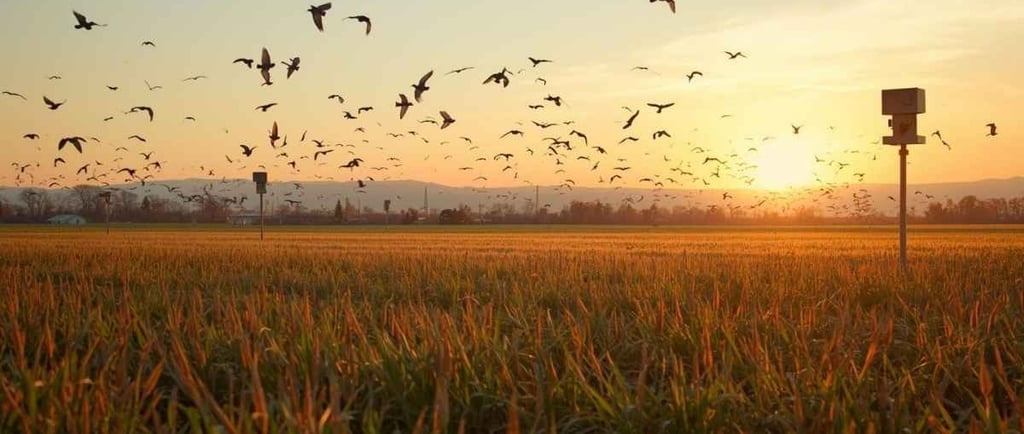
Ultrasonic wildlife repeller systems represent an innovative approach to managing agricultural areas by deterring wild animals that pose a threat to crops. These systems function by emitting high-frequency sounds that are typically inaudible to humans but can be heard by a variety of animals, including rodents, deer, and birds. The sound waves produced disrupt the animals' ability to navigate and forage in the vicinity of the repeller, effectively guiding them away from valuable agricultural lands.
The principle behind ultrasonic wildlife repellers relies on the animals' heightened sensitivity to these frequencies, which can cause discomfort and fear. As such, these devices serve as a non-lethal alternative to traditional pest control methods, such as traps or chemical repellents, which may have lasting harmful effects on the ecosystem. Ultrasonic sound waves propagate through the environment, creating a deterrent zone around the target area, thus significantly reducing wildlife intrusions without requiring extensive intervention.
The application of ultrasonic wildlife repeller systems highlights their importance in modern farming practices, especially as agriculture increasingly seeks sustainable and humane methods of pest control. These systems not only help preserve crops but also aid in maintaining biodiversity, as they minimize the harm inflicted on non-target species. Furthermore, with advances in technology, many of these systems are now equipped with features such as solar power and programmable settings to enhance their efficiency and user convenience, making them an attractive option for farmers looking to protect their crops effectively.
Understanding the Need for Wildlife Control in Agriculture
Agricultural production is essential for sustaining the growing global population, yet it faces numerous threats from wildlife. Farmers experience significant challenges from various animals viewed as pests, including deer, monkeys, birds, and rodents. These creatures can cause remarkable damage to crops, leading to substantial economic losses. In the United States alone, wildlife intrusions account for billions of dollars in crop damage each year, compelling growers to seek effective wildlife control methods.
Deer, for instance, are notorious for feasting on a wide array of vegetables and fruits, significantly reducing yields. Additionally, monkeys can invade fields, trampling plants and stealing produce, while birds often flock to orchards and grain fields, creating further competition for resources and impacting the quality of harvested goods. Rodents, as another category of pest, can cause hidden damages, gnawing on roots, stems, and grains, potentially leading to lost harvests that are not always immediately visible.
According to studies, farmers can experience up to a 30% decrease in crop yield due to these unwanted visits from wildlife. Whether statutes directly linked to wildlife management or anecdotal evidence shared within local farming communities, the narrative remains consistent; the presence of wildlife poses a critical challenge that cannot be overlooked.
This persistent issue highlights the urgent need for effective deterrent systems that provide practical solutions. Among the myriad options available, ultrasonic wildlife repeller systems have garnered attention for their human- and environmentally-friendly capabilities. By thoroughly understanding the patterns and behaviors of these pests, farmers can better appreciate the necessity of innovative wildlife control measures that not only safeguard their crops but also contribute positively to the overall agricultural ecosystem.
How Ultrasonic Wildlife Deterrents Work
Ultrasonic wildlife deterrent systems are innovative devices designed to protect crops and property from various animal intrusions. The effectiveness of these systems lies in their ability to produce high-frequency sound waves that are inaudible to the human ear but can be perceived by a range of wildlife. The frequencies emitted typically range from 20 kHz to 65 kHz, targeting animals such as rodents, deer, and other common pests that may threaten agricultural production.
The science behind ultrasonic deterrents involves acoustics and animal behavior. Different species respond to ultrasonic frequencies in varying ways. For instance, while rodents may experience discomfort in the presence of sounds above 25 kHz, larger animals like deer may respond to lower frequencies between 20 kHz and 30 kHz. This variation in sensitivity allows the devices to be tailored for specific types of wildlife, increasing their overall effectiveness.
Ultrasonic deterrents operate on the principle of discomfort and disruption, causing animals to associate the sound with a negative experience, even though they cannot precisely locate the sound's source. The effectiveness partly relies on the sound's pulse rate, which can be varied to keep wildlife from becoming accustomed to a constant noise, a phenomenon known as habituation. For optimal results, many of these systems are equipped with motion sensors, activating the ultrasonic alarms specifically when animals are detected nearby.
In practice, utilizing ultrasonic wildlife repellers can significantly diminish crop damage while reducing the need for chemical deterrents or traps, creating a more sustainable approach to wildlife management. Therefore, understanding how these devices work can help farmers and landowners select the most suitable solutions to protect their crops from unwanted wildlife interference.
Real-World Examples of Successful Implementation
Farmers across various regions have increasingly adopted ultrasonic wildlife repeller systems, and numerous case studies underpin the effectiveness of this technology in protecting crops against wildlife intrusions. One notable example is a vineyard in California, where the owners installed ultrasonic repellers to combat regular visits from deer and raccoons. Following the installation, the vineyard reported a 40% reduction in crop damage. The increase in grape yield not only enhanced revenue but also improved the overall quality of the wine produced, which attracted higher market prices.
Another compelling case comes from a corn farm in the Midwest, where the use of ultrasonic devices effectively deterred crows and other birds known for damaging young corn plants. The farmer noted a substantial decrease in the number of birds observed in the fields, leading to a near 30% increase in crop yield over the subsequent planting season. This farmer's positive experience was shared in a local agricultural newsletter, thereby encouraging neighboring farms to explore similar solutions.
In an organic produce farm in Florida, the implementation of ultrasonic repellers led to a significant decline in crop loss due to small mammals such as rabbits and groundhogs. The farm owner reported that their investment in ultrasonic technology resulted in a 25% reduction in produce loss, enabling them to meet the demands of their growing customer base with greater reliability. Testimonials from these case studies indicate a common trend: ultrasonic wildlife repeller systems not only diminish wildlife-related crop damage but also contribute to better yields and enhanced profit margins. Such successful implementations underscore the practical application of ultrasonic technology in modern agriculture, providing a sustainable approach to wildlife management while preserving crop integrity.
Comparing Ultrasonic Devices to Traditional Methods
When evaluating wildlife management strategies, it is essential to compare ultrasonic wildlife repeller systems with traditional methods such as traps, chemical repellents, and physical barriers. Each approach has its own set of strengths and limitations, with varying impacts on effectiveness, humaneness, costs, and environmental consequences.
Ultrasonic devices operate by emitting high-frequency sound waves that are primarily inaudible to humans but distressing to many wildlife species. This form of repellent is generally considered humane, as it discourages animals from entering protected areas without causing them physical harm. Additionally, ultrasonic systems are often low-maintenance and can cover wide areas, making them a practical option in agricultural settings.
In contrast, traditional methods, like traps, can lead to unwanted suffering or mortality. While traps can effectively reduce wildlife populations in the short term, they also require ongoing monitoring and maintenance, raising ethical concerns surrounding humaneness. Chemical repellents, on the other hand, may temporarily deter pests but often necessitate repeated applications and may pose risks to both target animals and non-target wildlife, as well as the surrounding environment.
Cost is another crucial factor in this comparison. Ultrasonic devices typically involve a higher initial investment but can be more cost-effective over time due to lower ongoing maintenance costs. Traditional methods may seem less expensive upfront but can accumulate costs through maintenance, replacement, and potential damages caused by dealing with wildlife.
In terms of environmental impact, ultrasonic systems have a comparatively lower footprint, as they avoid the use of harmful chemicals or physical traps that can negatively affect ecosystems. Overall, while traditional methods might yield immediate results, ultrasonic wildlife repellers offer a humane, eco-friendly, and long-term solution for protecting crops from wildlife intrusion.
Maintenance and Best Practices for Ultrasonic Deterrents
To ensure the optimal performance of ultrasonic wildlife repeller systems, proper maintenance and adherence to best practices are crucial. Regular maintenance not only enhances the longevity of the devices but also ensures their effectiveness in deterring wildlife from crops.
Firstly, careful installation of ultrasonic deterrents is essential. These devices should be placed in locations where they can effectively cover the areas most at risk from wildlife intrusions. It is advisable to mount them at least six inches off the ground and provide a clear line of sight, as obstacles can diminish the reach of the ultrasonic waves. Moreover, these devices should be positioned away from noise-producing elements, which can mask the sound frequencies emitted by the ultrasonic system.
Regular checks should be part of a maintenance routine. It is advisable to inspect the devices quarterly to ensure that they are functioning correctly. Monitoring for battery levels—which should be replaced or recharged as needed—is vital, as a low battery can significantly reduce their performance. Additionally, the ultrasonic devices should be cleaned periodically to remove any dust or debris that might obstruct their operation.
Farmers can choose from various models available in the market, each with its own features. Some ultrasonic deterrents offer adjustable frequency settings, allowing users to fine-tune the device according to the specific type of wildlife they aim to deter. Researching product reviews and consulting experts can help in making informed decisions about which model suits the unique needs of their agricultural environment.
By following these maintenance tips and best practices, farmers can enhance the effectiveness of ultrasonic wildlife repeller systems, ensuring they continue to protect crops efficiently and sustainably.
The Future of Wildlife Control in Agriculture
As agricultural practices evolve, the need for effective wildlife control methods becomes increasingly critical. The integration of technology into farming has ushered in innovative solutions to mitigate wildlife damage. Among these, ultrasonic wildlife repeller systems are gaining traction due to their non-invasive nature and effectiveness in deterring various animal species.
Future developments in agricultural technology suggest a paradigm shift towards more sustainable practices. Ongoing research aims to enhance the functionality of ultrasonic deterrent systems, focusing on frequency modulation and personalized settings to target specific wildlife species. This could lead to more effective repeller systems that minimize disturbances to non-target animals and promote biodiversity, a key principle in sustainable agriculture.
Moreover, the incorporation of artificial intelligence (AI) into these systems holds substantial promise. AI algorithms can analyze animal behavior and adjust the ultrasonic frequencies accordingly, creating a dynamic response to wildlife movements. This adaptability may significantly reduce crop damage and give farmers peace of mind regarding their harvests.
Additionally, collaboration between agricultural professionals and wildlife conservationists is likely to shape the future of wildlife control. By developing strategies that align with ecological needs, farmers can ensure a balanced relationship with local wildlife while maintaining crop productivity. Partnerships may facilitate access to advanced technologies and research findings, fostering an environment where sustainable solutions thrive.
As we look to the future, it is clear that technological advancements will play a pivotal role in the evolution of wildlife control in agriculture. Ultrasonic wildlife repeller systems, bolstered by AI and collaborative efforts, may redefine approaches towards crop protection and animal management. This comprehensive outlook on wildlife control not only addresses current challenges but also paves the way for a more sustainable agricultural landscape.
Address:
264/5, Kamal Soroni Road, Mirpur, Dhaka-1216
Contact
Your Quaries on pest control askings
pestexterminatorbd@gmail.com
+8801642008383 +8801988300003, 01723057746
© 2025. All rights reserved. to Urban Pest Control Pvt. Ltd. this site is powered by Our Own IT Team