
Ultrasonic Rodent Repeller – Safe Way to Remove Rats and Mice
3/12/20267 min read
Introduction to Ultrasonic Rat Repellers
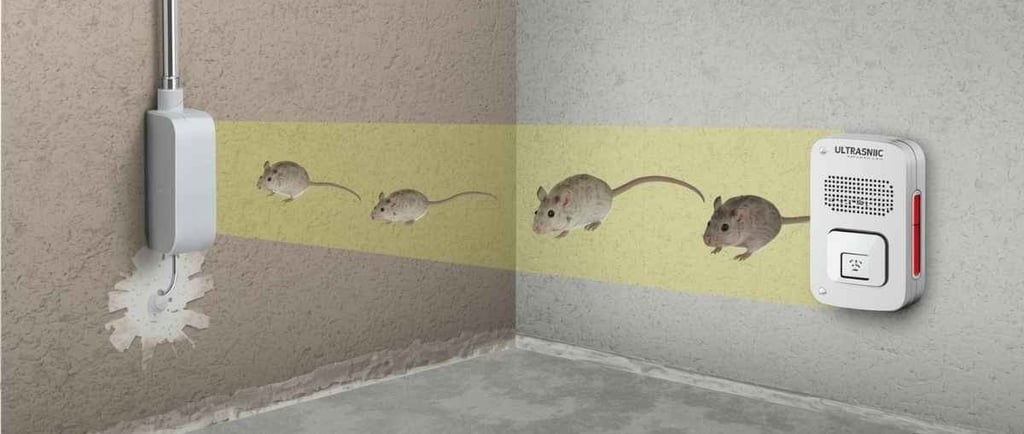
Ultrasonic rat repellers have emerged as a contemporary solution to rodent issues, presenting a safe alternative to traditional pest control methods that often involve harmful poisons and traps. These devices function by emitting high-frequency sound waves, typically above the range of human hearing, which are designed to disrupt the sensory perception of rodents. As rats are known for their acute hearing, the ultrasonic frequencies can effectively deter them from invading residential or commercial spaces.
Growing concerns about the use of poison for rodent control have spurred interest in the development of electronic rodent repellents. Traditional methods can lead to not only the unintended death of non-target species but also pose significant risks to pets and children. The use of poisons raises ethical considerations regarding the suffering endured by rodents and the potential impact on the environment. Consequently, ultrasonic devices are increasingly recognized for their more humane and environmentally friendly approach to pest management.
In addition to their humane attributes, ultrasonic rat repellers offer significant advantages in terms of convenience. Once installed, they require minimal maintenance compared to traps or bait stations, which need to be regularly checked and replenished. Furthermore, ultrasonic repellers can provide continuous protection, covering larger areas without the need for frequent intervention. As urbanization continues to expand, the prevalence of rat infestations is likely to increase. Therefore, understanding and evaluating the efficacy of ultrasonic rat repellers becomes vital for households and businesses looking for effective pest control strategies.
How Ultrasonic Technology Works
Ultrasonic rat repellers function through the utilization of high-frequency sound waves that humans cannot perceive, typically in the range of 20 kHz to 65 kHz. These sound waves are designed to irritate and disorient rodents, effectively disrupting their normal behavior. Rodents, including rats and mice, rely heavily on their acute sense of hearing for communication, navigation, and detecting threats. The introduction of ultrasonic frequencies interferes with these essential auditory signals, creating an environment that is hostile to pests.
The ultrasonic sound emitted by these devices operates in a range that is well above the capacity of human hearing, ensuring that it remains undetectable to residents of the surrounding area. This aspect highlights one of the key advantages of ultrasonic rat repellers; they provide a humane approach to rodent control by discouraging infestation without resorting to poison or traps, which can pose risks to both pets and children. By emitting these disruptive frequencies, ultrasonic repellers aim to create discomfort for the rodents, prompting them to vacate the premises in search of a more favorable environment.
Moreover, research has indicated that the effectiveness of ultrasonic waves may be bolstered by their ability to penetrate different materials. These sound waves can bounce off various surfaces, enabling them to cover more ground within a given space. As a result, ultrasonic technology serves as an effective preventive solution against rodent infestations. It is important to remember, however, that while ultrasonic rat repellers can discourage and deter rodents, they should ideally be part of a comprehensive pest management strategy that may include sanitation and exclusion methods.
Frequency Ranges and Their Impact on Rodents
Ultrasonic rat repellers operate within specific frequency ranges, typically between 20 kHz to 65 kHz. These frequencies are designed to be inaudible to humans and pets, allowing the devices to function effectively without causing discomfort to people or companion animals. The rationale behind using such high-frequency sounds is rooted in the unique auditory capabilities of rodents, which are significantly more sensitive to these ultrasonic waves than humans.
Rodents, including rats and mice, possess the ability to hear sounds in a range well beyond that of the average human. While human hearing typically caps at around 20 kHz, many rodent species can detect sounds up to 65 kHz. This superior auditory sensitivity means that frequencies emitted by ultrasonic repellers can indeed be detrimental to rodents. Studies have shown that continuous exposure to these disruptive pitches can lead to stress and disorientation in these animals.
When exposed to ultrasonic frequencies, rodents may experience auditory discomfort, which affects their ability to navigate and communicate effectively. As these ultrasonic sounds penetrate their nesting environments, they effectively create an inhospitable atmosphere, compelling the rodents to vacate the area. This aversion can lead to a significant reduction in rodent presence, as the discomfort caused by the ultrasonic waves drives them away from their established habitats.
Furthermore, the effectiveness of these repellers can vary based on the frequency used. Higher frequencies tend to be more effective at disrupting rodent behavior, making it crucial for manufacturers to fine-tune the settings of their devices. In conclusion, understanding the frequency ranges employed by ultrasonic rat repellers is essential in assessing their potential effectiveness as a humane and eco-friendly solution for rodent control.
Benefits of Using Ultrasonic Rodent Repellers
Ultrasonic rodent repellers have garnered attention as an effective means of controlling rodent populations in residential and commercial spaces. A key benefit of these devices is their non-toxic nature. Unlike traditional methods of pest control that utilize harmful poisons and chemicals, ultrasonic repellers emit high-frequency sound waves that are inaudible to humans and safe for non-rodent pets and children. This characteristic makes them an appealing option for households that prioritize safety while managing pest issues.
Furthermore, ultrasonic repellers are remarkably easy to use. Most units require minimal setup—typically just plugging them into a wall outlet to activate. This simplicity allows homeowners to address rodent concerns without needing professional pest control services or specialized knowledge. Additionally, the maintenance of ultrasonic repellers is negligible, as they do not require refills or regular upkeep, which streamlines pest control efforts.
The cost-effectiveness of ultrasonic rodent repellers cannot be overlooked. Once purchased, these devices provide long-term pest control without ongoing costs typically associated with traps or poisons. Since they do not require consumables or large initial outlays, they represent a practical solution for both occasional pest issues and sustained prevention.
Another significant advantage is the continuous protection they offer. Ultrasonic sound waves disrupt the communication and nesting behaviors of rodents, thus deterring them from invading spaces over time. This long-term effectiveness reduces the likelihood of re-infestation, making them a viable option for those seeking enduring pest control without the use of toxins or dangerous chemicals.
In conclusion, the benefits of ultrasonic rodent repellers—ranging from their safety and ease of use to their cost-effectiveness and durability—make them an attractive choice for pest control in a variety of environments.
Limitations and Misconceptions of Ultrasonic Repellers
Ultrasonic rat repellers have gained popularity as a humane alternative to traditional pest control methods, particularly poison. However, despite their advantages, there are several limitations and misconceptions that consumers should recognize. One common misconception is that ultrasonic repellers will completely eliminate a rodent infestation without the need for complementary measures. While these devices can indeed reduce rodent populations by emitting high-frequency sounds that are uncomfortable for pests, they typically do not provide a foolproof solution on their own.
Research indicates that while ultrasonic waves can disrupt rodents' communication and navigation, their effectiveness may vary depending on the environment. For example, obstacles such as walls or furniture can hinder sound waves, diminishing their reach. Consequently, repellers may work poorly in cluttered spaces or areas with numerous barriers. Moreover, some rodent species might become accustomed to the sound over time, rendering the repeller less effective. This highlights the importance of understanding that ultrasonic rat repellers are best used in conjunction with other pest management strategies.
Another point of contention is the belief that ultrasonic repellers are completely safe and harmless to all living beings. While these devices primarily affect rodents, there is still ongoing research regarding the potential impact on pets, particularly small animals like hamsters and gerbils. Therefore, it is advisable to consider the specific context and environment when deploying ultrasonic repellers in residential settings.
In conclusion, ultrasonic rat repellers are an effective tool in mitigating rodent problems, but they come with limitations and misconceptions. Understanding these factors is vital for users seeking an efficient pest control approach. Combining ultrasonic repellers with other preventive measures enhances their overall efficacy, making it a more reliable option for long-term rodent management.
Best Practices for Using Ultrasonic Rodent Repellers
To maximize the effectiveness of ultrasonic rodent repellers in your home or business, it is essential to understand the best practices for their use. These devices emit high-frequency sound waves that are designed to deter rodents, but their performance can vary based on placement and other factors.
Firstly, the placement of ultrasonic repellers plays a critical role in their success. It is advisable to install these devices in areas where rodent activity is evident, such as near entry points, nesting sites, or food storage areas. Aim to position the repeller at a height that allows the sound waves to propagate effectively across the intended area. Avoid placing the devices behind furniture or other obstacles, as this can impede the ultrasonic waves and reduce their range.
Additionally, it is recommended to use multiple ultrasonic repellers in larger spaces to ensure comprehensive coverage, as the sound may not reach every nook and cranny in a room. Moreover, consider the power supply; devices that are plugged into an electrical outlet are generally more effective than battery-operated ones, which may have limited range and capacity.
Incorporating complementary measures alongside ultrasonic repellers can significantly enhance their effectiveness. For instance, maintaining cleanliness and reducing clutter can minimize rodent attraction, providing a multi-faceted approach to pest control. Sealing cracks and gaps in walls, around windows, and in foundations can also help to prevent rodents from entering the premises.
Monitoring the device’s performance is crucial as well. If rodent activity persists after installation, it may be necessary to reassess the placement of the repellers or consider additional pest control strategies. By following these best practices, you can create an environment that discourages rodents and promotes a safer living or working space.
Conclusion and Final Thoughts
In recent years, the use of ultrasonic rat repellers has gained significant attention as a humane and effective alternative to traditional rodent control methods such as poison. These devices operate by emitting high-frequency sound waves that are inaudible to humans but can be extremely uncomfortable for rodents, encouraging them to leave the area.
One of the primary advantages of ultrasonic rat repellers is their safety profile. Unlike poisons, which can pose significant risks to pets, children, and the environment, ultrasonic devices provide a non-lethal approach to pest management. This humane strategy aligns with growing public interest in environmentally friendly pest control options. Furthermore, these devices typically require minimal maintenance, offering a convenient solution for homeowners and business operators alike.
The effectiveness of these ultrasonic devices depends on several factors, including placement, environmental conditions, and the type of rodent infestation. Users should be aware that while ultrasonic repellers can deter rodents in many situations, they may not solve every rodent problem entirely on their own. A comprehensive approach, which may include improving sanitation and sealing entry points, can enhance the likelihood of successful rodent control.
Ultimately, for those seeking a viable solution to rodent-induced disruptions, ultrasonic rat repellers present an appealing alternative that prioritizes safety and efficiency. As we continue to explore pest control methods that benefit both humans and wildlife, these devices warrant consideration as a practical and ethical approach to managing rodent populations. Hence, households and businesses should thoughtfully evaluate the potential benefits of integrating ultrasonic rat repellers into their pest management strategies.
Address:
264/5, Kamal Soroni Road, Mirpur, Dhaka-1216
Contact
Your Quaries on pest control askings
pestexterminatorbd@gmail.com
+8801642008383 +8801988300003, 01723057746
© 2025. All rights reserved. to Urban Pest Control Pvt. Ltd. this site is powered by Our Own IT Team