
Ultrasonic Pest Control vs Chemical Pesticides – Which Is Better?
3/12/20267 min read
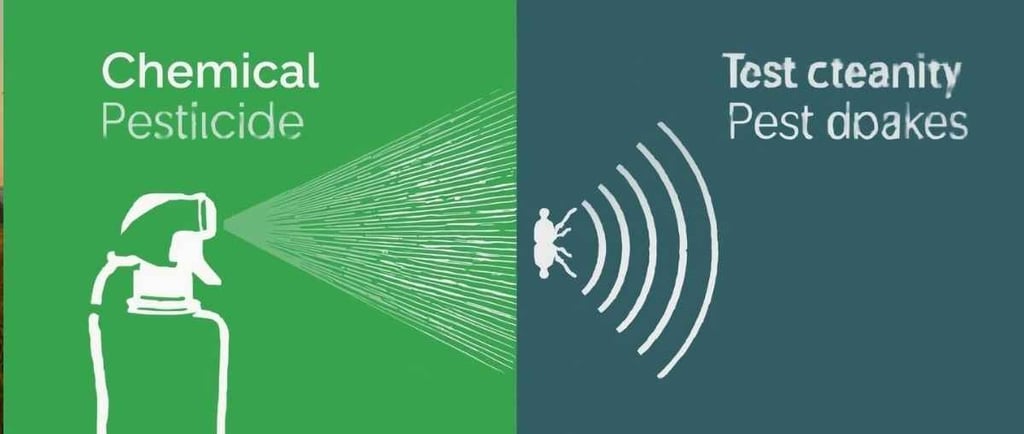
Understanding Pest Control Methods
Pest control encompasses a variety of strategies and technologies aimed at managing pest populations that threaten health, property, and agricultural productivity. Pests, which include insects, rodents, and weeds, can disrupt ecosystems and contaminate food supplies. Therefore, effective pest control is vital in both residential and agricultural environments. In residential settings, pest infestations can lead to structural damage and health risks, while in agriculture, they may result in significant crop losses.
The traditional approach to pest management has primarily relied on chemical pesticides. These substances are designed to kill or inhibit the growth of pests, offering a quick and convenient solution for pest problems. Chemical pesticides have been widely used for decades due to their effectiveness, often delivering immediate results. However, the reliance on these chemicals raises concerns regarding environmental impact, human health, and the potential development of pest resistance over time. Such issues have prompted a reevaluation of pest management strategies.
In response to these challenges, alternate methods such as ultrasonic pest control have gained traction. This innovative technology utilizes high-frequency sound waves to deter pests without the use of harmful chemicals. Ultrasonic pest control is touted as a safer and more environmentally-friendly alternative, compelling a shift in how households and farms address pest-related issues. By introducing this modern technique, the pest control landscape is evolving, offering solutions that align with ecological sustainability.
This comparison between traditional chemical pesticides and ultrasonic pest control methods celebrates the advancements in pest management while addressing the pressing need for safer and more responsible approaches. Understanding both strategies is essential for making informed decisions that benefit public health and the environment.
Safety Considerations
When considering pest control methods, safety is paramount for both humans and pets. Chemical pesticides, while effective at eradicating pests, pose significant health risks due to their toxic components. Many commercial pesticides contain hazardous substances that can lead to acute and chronic health issues upon exposure. Immediate effects may include skin irritation, respiratory issues, or poisoning, while long-term exposure could increase the risk of serious conditions such as cancers or endocrine disruption.
Additionally, the use of chemical pesticides often results in residues that linger in the environment, potentially contaminating soil and water supplies. This situation not only affects human health but also poses risks to pets that may inadvertently consume or come into contact with treated surfaces. Ensuring areas are thoroughly ventilated and that pets are kept away from treated locations are crucial measures, yet they do not eliminate all risks associated with chemical use.
On the other hand, ultrasonic pest control methods offer a contrasting safety profile. These devices emit high-frequency sound waves that are specifically designed to deter pests, with little to no impact on humans or animals. The sounds produced are generally inaudible to human ears and are not harmful to pets, making them a more environmentally friendly option for pest management. Furthermore, ultrasonic devices do not rely on toxic chemicals, eliminating concerns about chemical exposure and residue.
While ultrasonic pest control may not provide instant eradication and requires consistent use for effectiveness, it significantly reduces the health and safety risks associated with traditional pesticides. Therefore, when evaluating pest control options, considering the safety of chemical pesticides versus ultrasonic measures can guide homeowners towards a healthier living environment.
Environmental Impact
The comparison between ultrasonic pest control and chemical pesticides reveals substantial differences regarding their environmental implications. Chemical pesticides are notorious for their wide-ranging effects on ecosystems. When these substances are applied, they often run off into nearby water sources, leading to contamination that endangers aquatic life and compromises water quality. In addition to this, the persistence of many chemical compounds in the environment raises concerns regarding bioaccumulation, where toxins gradually build up in the food chain, affecting not just target pests, but also non-target organisms such as birds, beneficial insects, and mammals.
Moreover, the use of chemical pesticides can disrupt natural predator-prey relationships within ecosystems. For instance, when pesticides eliminate certain pest populations, they may inadvertently allow other pests to proliferate unchecked, thus creating an imbalance. This imbalance can lead to a greater reliance on pesticides, creating a vicious cycle detrimental to ecological stability. In contrast, ultrasonic pest control presents an eco-friendlier alternative, utilizing sound waves to deter pests without introducing harmful chemicals into the environment. This method minimizes the risk of water contamination and limits adverse effects on non-target species.
Sustainability is a key consideration when evaluating pest control methods. Ultrasonic pest control is generally regarded as more sustainable because it does not contribute to soil degradation or pollution associated with chemical runoff. It offers long-term effectiveness through repeated treatments without increasing environmental toxicity. As concerns about climate change and biodiversity loss escalate, opting for methods that mitigate environmental damage is crucial. Ultimately, while both methods serve fundamental roles in pest management, the environmental footprint of ultrasonic pest control is significantly lower than that of chemical pesticides, underscoring the importance of sustainable practices in pest management.
Cost Analysis
When considering pest control methods, a critical factor for homeowners and businesses is the cost. In this analysis, we will compare the financial implications of ultrasonic pest control systems with traditional chemical pesticides.
Ultrasonic pest control devices typically require a higher initial investment than purchasing chemical pesticides. An ultrasonic device can range from $20 to $100 for a single unit, depending on its features and coverage area. However, this cost is a one-time expense for the lifespan of the device, which can range from several months to a few years, depending on the quality and usage. Additionally, ultrasonic devices incur minimal maintenance costs, as they generally require only occasional battery replacements or updates, if applicable.
Conversely, chemical pesticides tend to present lower upfront costs, with many items priced under $20. However, ongoing purchases are a requirement since these products often need to be reapplied regularly to maintain effectiveness. The expense accumulates over time, resulting in a potentially high total expenditure if problematic pests remain a recurring issue.
In terms of long-term effectiveness, ultrasonic pest control can offer a more sustainable approach, as the devices focus on repelling pests rather than exterminating them. This method can lead to a more balanced ecosystem and reduce the need for repeated applications of pesticides, which are harmful to both humans and pets. On the other hand, chemical pesticides may initially yield quick results but often require multiple applications, leading to an increase in total cost.
Overall, while ultrasonic pest control may seem more expensive at a glance, the long-term expenses associated with chemical pesticides can make it a less economical choice in the long run. By evaluating individual circumstances and pest issues, potential users can make informed decisions that align with their budget and pest management needs.
Effectiveness in Pest Control
When evaluating the efficacy of pest control methods, both ultrasonic pest control devices and chemical pesticides have their advocates, yet they function quite differently. Ultrasonic pest control uses sound waves above the human hearing range, theoretically repelling pests such as rodents and insects. Conversely, chemical pesticides work by either poisoning or disrupting key life processes of the target pests.
Research findings suggest varying success rates between the two approaches. Numerous studies indicate that while ultrasonic devices can deter certain pests, their effectiveness may be limited. For instance, while some studies report a decrease in rodent activity when exposed to ultrasonic frequencies, others indicate that results can be inconsistent, with some pests exhibiting little to no change in behavior. In contrast, chemical pesticides are generally observed to have higher effectiveness rates due to their ability to neutralize pests quickly and efficiently.
Moreover, the spectrum of pests affected by these methods also diverges significantly. Chemical pesticides are designed to target a wide range of insects, such as ants, cockroaches, and termites, along with various types of rodents. Ultrasonic pest control, however, may show varying degrees of effectiveness against different species, which can further complicate its reliability as a pest management strategy. Most notably, while ultrasonic devices have shown potential in repelling some common household pests, they may not be universally effective against all pests.
Real-world effectiveness plays a critical role in determining the suitability of either method for pest control. Homeowners and professionals alike tend to favor chemical pesticides due to their immediate results; however, concerns regarding toxicity and environmental safety often lead individuals to seek alternatives, including ultrasonic devices. Ultimately, understanding the nuances of each method is essential for making informed decisions about pest management.
When evaluating pest control methods, user experiences can provide invaluable insights into the practicality of ultrasonic devices compared to traditional chemical pesticides. Ultrasonic pest control devices emit high-frequency sound waves that are designed to repel pests while being inaudible to humans. Users generally find these devices easy to install and operate; most simply require plugging into an electrical outlet. Once set up, there is often no need for further maintenance, offering a distinctly hands-off approach to pest management.
On the other hand, chemical pesticides typically involve a more involved application process. Users must follow specific guidelines, including wearing protective gear and ensuring that the application site is clear of children and pets. Although chemical treatments can be highly effective, they often necessitate reapplication after rain or at regular intervals to maintain their efficacy. This can create a more labor-intensive routine compared to the straightforward operation of ultrasonic devices.
In terms of duration of effectiveness, ultrasonic pest control devices are generally designed to operate continuously, providing ongoing protection as long as they are powered. However, some users have reported varied results in effectiveness, citing that while they might be useful for certain pests, their impact can differ based on the type of infestation. In contrast, while chemical pesticides often deliver rapid and noticeable results, their effectiveness may diminish over time, requiring frequent reapplying to confront persistent pest challenges.
Overall, user experiences highlight the convenience of ultrasonic pest control for those looking for a less hands-on approach, while those willing to invest time might find greater success with chemical solutions. The choice between these methods ultimately depends on individual circumstances and preferences regarding application ease, duration of effectiveness, and potential health considerations.
Conclusion and Recommendations
In evaluating the effectiveness of ultrasonic pest control compared to that of chemical pesticides, it becomes clear that both methods present unique advantages and limitations. Ultrasonic devices function by emitting high-frequency sound waves aimed at disrupting the auditory and nervous systems of pests, causing discomfort that drives them away. This method is particularly appealing for individuals seeking a non-toxic and environmentally friendly option, making it a suitable choice for households with children and pets. However, while some studies suggest potential effectiveness against certain pests, results may vary, and ultrasonic pest control mechanisms may not provide a comprehensive solution for severe infestations.
On the other hand, chemical pesticides remain a staple in pest management due to their broader efficacy against a wide range of pests. They tend to work more rapidly and effectively within short timeframes. However, their use raises concerns regarding toxicity, environmental impact, and the potential development of pesticide-resistant pests. Therefore, while they may offer a quick fix, chemical methods should be approached with caution, prioritizing safety and adhering to directions to minimize risks.
Ultimately, the choice between ultrasonic pest control and chemical pesticides depends on individual circumstances, including the severity of the pest issue, environmental considerations, and specific household needs. For minor infestations, integrating ultrasonic devices can be a viable first line of defense. Conversely, for more significant problems or persistent pest scenarios, consumers might find that chemical pesticides provide the necessary strength to address these challenges effectively. It is advisable to consider combining both approaches, utilizing ultrasonic controls as a preventive measure, while saving chemical methods for serious infestations, to strike a balance between safety and effectiveness in pest management.
Address:
264/5, Kamal Soroni Road, Mirpur, Dhaka-1216
Contact
Your Quaries on pest control askings
pestexterminatorbd@gmail.com
+8801642008383 +8801988300003, 01723057746
© 2025. All rights reserved. to Urban Pest Control Pvt. Ltd. this site is powered by Our Own IT Team