
Top Uses of Chemical Respirator Masks in Pest Control Services
3/30/20267 min read
Understanding the Risks of Pesticides
Pesticides are essential tools in pest control services, employed to eradicate unwanted insects and vermin that threaten health and property. However, the various types of chemicals used in these applications can pose significant health risks to both pest control technicians and clients. The primary categories of pesticides include insecticides, herbicides, fungicides, and rodenticides, each with inherent hazards.
Insecticides, designed to kill unwanted insects, can present acute and chronic toxicity to humans. Symptoms of exposure may include headaches, dizziness, respiratory issues, and in severe cases, neurological damage. Herbicides, while effective in controlling weed populations, have also been linked to various health problems, including hormonal disruptions and potential carcinogenic effects. Fungicides, which target mold and fungal growth, can lead to skin irritations and respiratory distress upon inhalation. Additionally, rodenticides, used to manage rat and mouse populations, can result in internal bleeding and severe health complications if ingested or inhaled.
The risks associated with these pesticides depend on several factors, including the type and concentration of the chemical, duration of exposure, and individual susceptibility. Exterminators are often at higher risk due to their frequent interaction with these substances during application. Furthermore, clients, particularly vulnerable populations such as children, pregnant women, and the elderly, may also face health threats if exposed to residual chemical residues in treated areas.
Considering these potential hazards highlights the critical need for effective protective measures. Understanding these risks is paramount in establishing the necessity for respirator masks and other forms of personal protective equipment (PPE) in pest control services. It ensures the safety of both service providers and the clients they serve, forming a foundation for responsible pest management practices.
The Role of Respirator Masks in Pest Control
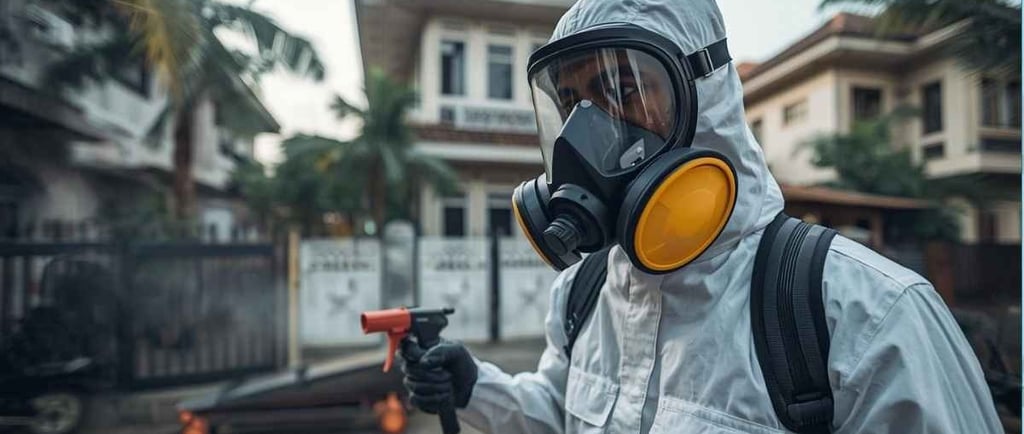
Respirator masks play a crucial role in ensuring the safety of personnel involved in pest control services. These masks are specifically designed to provide a protective barrier against a range of airborne chemicals, particulates, and toxic substances that may be released during pest management activities. When pest control professionals employ solutions to eradicate pests, they often utilize aggressive chemicals that, while effective, can pose significant health risks if inhaled. This is where the functionality of respirator masks becomes essential.
The primary feature of respirator masks is their advanced filtration system. Each mask typically includes multiple layers that serve to filter out harmful particles and gases, ensuring that the user inhales clean air. The filtration systems can vary, with some masks designed for specific chemicals or particulate sizes. For instance, N95 masks are effective against particulates, while other respirators may include cartridges tailored to filter out organic vapors or specific toxic substances. This ensures a comprehensive level of protection during pest control operations.
Moreover, respirator masks are not only vital for the immediate safety of pest control technicians but also contribute to long-term health benefits. Prolonged exposure to harmful chemicals without adequate protection can lead to serious respiratory issues and other health complications. By utilizing respirator masks, professionals in the pest control industry can effectively mitigate these risks, thereby promoting a safer working environment.
In essence, respirator masks are indispensable tools in the pest control arsenal. They safeguard against potentially dangerous airborne substances, enabling pest control operators to carry out their tasks with a reduced risk of inhalation of hazardous materials. Employing these protective devices is a key component in maintaining health and safety standards within the industry.
Safety Standards for Pest Control Equipment
In the field of pest control, safety is paramount. Pest control equipment, particularly respirator masks, must adhere to stringent safety standards and regulations to ensure the protection of employees and clients alike. In Bangladesh, several authorities and organizations govern these standards, seeking to enhance the efficacy and safety of pest control operations. Compliance with established guidelines is not only essential for regulatory purposes but also vital for the overall safety and health of workers.
The Bangladesh Department of Occupational Safety and Health (BOSHE) outlines specific safety measures that companies involved in pest control must implement. These measures include ensuring that all gear, including respirator masks, meets certain performance criteria as defined by relevant standards. For respirator masks, benchmarks such as NIOSH and EN certifications are significant. A respirator mask that holds a NIOSH certification indicates it has undergone rigorous testing to ensure high efficiency in filtering particulate matter, which is crucial given the potentially harmful substances involved in pest control.
Moreover, companies must conduct risk assessments to determine the appropriate type of respirator mask for specific tasks, ensuring that workers are equipped with masks that provide adequate protection against not just dust and particles, but also toxic chemicals and gases commonly encountered in pest management. Training is another critical aspect; employees must fully understand how to properly use, maintain, and replace their respiratory protective devices to maximize safety.
In conclusion, adhering to safety standards and regulations is essential for pest control companies, particularly concerning respirator masks. By ensuring compliance with recognized certifications and conducting thorough training, pest control services can enhance worker safety and operational effectiveness. This proactive approach not only safeguards employees but also builds trust with clients, underscoring the importance of safety in pest management practices.
Types of Recommended Respirator Masks
In pest control services, wearing appropriate respirator masks is crucial for the safety of professionals exposed to potentially harmful chemicals and allergens. There are three primary types of respirator masks recommended for pest control: disposable masks, half masks, and full-face masks. Each type has its advantages and disadvantages, making them suitable for various applications.
Disposable masks are the most basic form of respiratory protection. They are lightweight, easy to use, and typically made from multiple layers of non-woven fabric, which filter out larger particles. They are suitable for low-risk pest control activities where exposure to harmful substances is minimal. However, disposable masks offer limited protection against gases and vapors, which can be a drawback for those handling more potent pesticides or fumigants.
Half masks provide a higher level of protection compared to disposable options. These respirators cover the nose and mouth and can be fitted with replaceable filters specifically designed to capture various chemicals, gases, and vapors. This adaptability makes half masks suitable for a wider range of pest control scenarios, from general maintenance to more hazardous tasks. While they offer better protection, they also require proper fitting and maintenance to ensure their effectiveness, which may involve a higher initial investment and regular upkeep.
Full-face masks are the most comprehensive type of respiratory protection available. They cover the entire face, providing a secure seal that helps protect against inhalation of harmful substances while also shielding the eyes from potential irritants. Full-face masks are essential for operations involving highly toxic chemicals or environments where the risk of exposure is significant. On the downside, they may be uncomfortable for prolonged use and can also impede communication, which can affect teamwork during pest control operations.
How to Properly Use and Maintain Respirator Masks
Using respirator masks correctly is essential to ensure optimal protection, particularly in pest control services. The first step in proper usage is achieving a good fit. A respirator mask should form a tight seal against the face to prevent airborne contaminants from entering. To fit a mask, first, ensure that the face is clean and free from any facial hair, as this can interfere with the seal. Adjust the straps of the mask to secure it snugly against the contours of your face. Perform a fit check by covering the filter and inhaling sharply; if the mask pulls towards the face, it is adequately fitted.
Another critical aspect of using a respirator mask is knowing when to replace it. The lifespan of a respirator depends on the type of mask, the frequency of use, and the environment in which it is used. Typically, disposable masks should be discarded after each use or when they become soiled or damaged. For reusable respirator masks, it is advisable to change filters regularly according to the manufacturer's recommendations, usually after several hours of use or according to the level of exposure to hazardous materials.
Maintaining cleanliness is vital for respirator masks to function effectively. Regularly clean the mask with warm soapy water and allow it to air dry completely before reusing it. Also, store the mask in a clean, dry place to avoid contamination when not in use. Finally, adhering to safety protocols during both the application of pest control measures and the maintenance of the masks is essential. Always consult safety data sheets and follow local regulations to ensure proper handling and disposal of chemicals, which can help minimize exposure to harmful substances. By following these guidelines, you can significantly enhance the safety and effectiveness of respirator masks in pest control services.
Legal Requirements for Pest Control PPE in Bangladesh
In Bangladesh, the use of personal protective equipment (PPE) in pest control services is governed by a framework of legal regulations aimed at ensuring the health and safety of workers in the sector. The primary legal document outlining these requirements is the Bangladesh Labour Act, which mandates that employers provide appropriate PPE to their employees engaged in hazardous work, including pest control. This obligation includes respirator masks, gloves, goggles, and protective clothing tailored to the specific pesticides and chemicals used.
Furthermore, regulations set forth by the Directorate General of Health Services (DGHS) emphasize that pest control technicians must be adequately protected from exposure to toxic substances. The use of specific equipment, such as respirators, is critical to safeguarding workers' respiratory health when handling pesticides. Compliance with these regulations is not merely a legal requirement but also an ethical responsibility to protect the well-being of employees.
Additionally, the Ministry of Environment and Forests specifies guidelines regarding the safe handling, storage, and disposal of chemical substances. Pest control professionals are required to use PPE that meets international safety standards to reduce the risk of contamination and exposure. Organizations operating under these regulations must conduct regular training for their staff on the proper use and maintenance of PPE, ensuring that technicians are well-informed about the legal frameworks and the importance of adhering to safety protocols.
In conclusion, compliance with legal requirements regarding PPE in pest control is essential for ensuring the safety of workers throughout Bangladesh. Adhering to these regulations not only mitigates health risks but also enhances the overall efficiency and professionalism of pest control services in the country.
Conclusion: Prioritizing Safety in Pest Control Operations
In the field of pest control, ensuring the safety of both professionals and clients is of paramount importance. Throughout this discussion, we have highlighted the critical role that respirator masks play in safeguarding individuals against harmful chemicals and pathogens commonly associated with pest control operations. The proper use of respirator masks not only minimizes exposure to toxic substances but also significantly reduces the risk of developing respiratory issues or other health concerns.
It is essential for pest control professionals to remain vigilant and prioritize personal protective equipment, specifically respirator masks, during their daily tasks. As the pest control industry evolves, so too do the health standards and safety guidelines that govern it. Keeping abreast of these changes is vital for enhancing workplace safety and ensuring compliance with regulations.
Furthermore, education and training regarding the correct application and maintenance of respirator masks can greatly improve their effectiveness. By understanding the different types of masks available and their specific purposes, pest control workers can make informed choices that align with the unique demands of their work environments.
Ultimately, prioritizing the use of respirator masks contributes to a safer pest control environment, benefiting not just the operators but also the families and businesses they serve. As we navigate through the complexities of pest control and strive for operational excellence, let us remain committed to safety as a fundamental principle, fostering a culture that values health and well-being in every aspect of our work.
Address:
264/5, Kamal Soroni Road, Mirpur, Dhaka-1216
Contact
Your Quaries on pest control askings
pestexterminatorbd@gmail.com
+8801642008383 +8801988300003, 01723057746
© 2025. All rights reserved. to Urban Pest Control Pvt. Ltd. this site is powered by Our Own IT Team