
Top Pest Control Services in London: Expert Solutions for Rats, Bed Bugs & Wasps
3/11/20267 min read
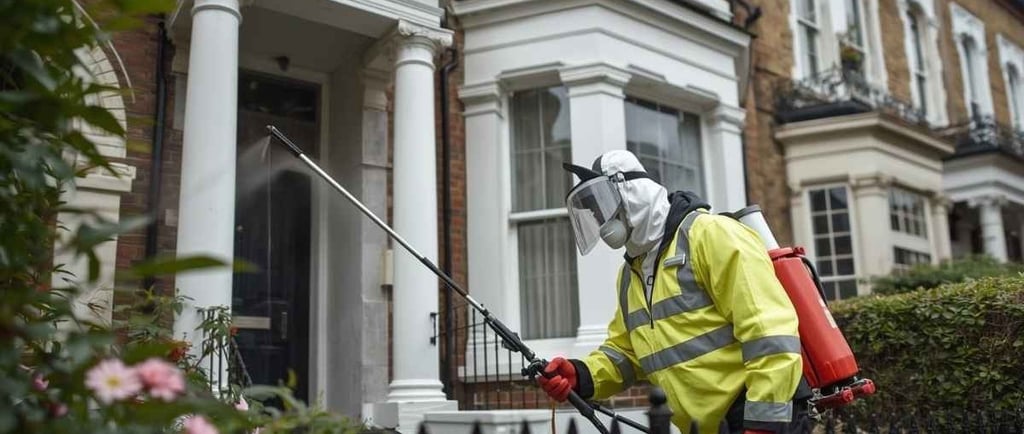
Why Pests Are Common in London
London is characterized by its dense population and congested urban environment, which collectively contribute to the prevalence of pests in both homes and restaurants. The city's architecture often features older buildings with various structural vulnerabilities, such as cracks and gaps, providing entry points for pests such as rodents and insects. As one of the largest cities in the world, London is a melting pot, housing millions of residents and countless businesses, creating an ideal habitat for various pest species to thrive.
Additionally, urban structures in London are closely linked to ample food resources, another significant factor that attracts pests. Fast-food outlets, restaurants, and public markets generate substantial waste that, if not managed efficiently, can become a bounty for pests. Common nuisances such as rats, mice, and flies are drawn to these food sources, increasing their populations in urban areas. The rapid turnover of residents and tourists also contributes to a steady supply of environmental changes that pests can exploit, including fluctuating levels of sanitation and food availability.
Furthermore, seasonal weather conditions in London also play a role in pest infestations. The city's temperate maritime climate, with its relatively mild winters and warm summers, creates an inviting environment for pests. In winter, pests seek warm shelter inside buildings, making homes and restaurants prime targets. During the warmer months, an abundance of food sources and breeding grounds fosters increased pest activity. This combination of urban structure, food availability, and seasonal factors ultimately cultivates a realm where pests can easily establish and multiply, posing ongoing challenges for residents and business owners alike.
Identifying Rat Infestation Problems in London Homes and Restaurants
Rats are notorious pests that can pose significant challenges to both homeowners and business operators in London. Understanding the signs and symptoms of rat infestations is crucial to effectively managing these problems. Common indicators of a rat infestation include the presence of droppings, gnaw marks, and nesting materials. Droppings are often found in areas where food is stored or near rat pathways, typically measuring approximately 10 to 14 mm in length. Additionally, chewed wires, wood, or packaging can be a clear sign of rats scurrying around seeking food sources.
The health risks associated with rat infestations cannot be overstated. Rats are known vectors of several diseases, including leptospirosis, Hantavirus, and salmonella. Their droppings and urine can contaminate surfaces and food sources, posing a serious health hazard to residents and restaurant patrons alike. Therefore, early detection and intervention are essential to mitigating these health risks and ensuring the safety of individuals within the affected environment.
Aside from health concerns, rat infestations can have significant economic implications for restaurants and other businesses. A rat problem can lead to reputational damage and loss of customer trust, which can be particularly detrimental in the competitive London restaurant scene. In extreme cases, establishments may even face closure or fines from health authorities if infestations are not addressed promptly. Additionally, the cost of pest control services can accumulate quickly, impacting a business's overall financial performance. Thus, it is vital for restaurant owners and homeowners to be vigilant and proactive regarding potential rat infestations.
Bed Bug Outbreaks in Apartments
Bed bug outbreaks in London apartments have become a significant concern for residents and landlords alike. These pests, scientifically known as Cimex lectularius, are small, blood-feeding insects that tend to inhabit beds and couches. Their presence is often a result of increased travel, second-hand furniture purchases, and overall urban density, especially in metropolitan areas like London.
One of the most alarming characteristics of bed bugs is their ability to spread rapidly. They can hitchhike on clothing, luggage, and other personal belongings, allowing a single infested unit to lead to widespread infestation within a building. Furthermore, their nocturnal nature makes them difficult to detect until a significant population has established itself. The absence of self-cleaning habits in modern apartment living can exacerbate the problem, providing an ideal environment for bed bugs to thrive.
Eradicating bed bugs is notoriously challenging due to their resilience and ability to hide in small crevices. Many residents resort to do-it-yourself methods, but these are often ineffective. Professional extermination services are typically necessary, involving thorough inspections, heat treatments, and the use of insecticides. Such processes can be costly and time-consuming, and they often require multiple treatments to ensure complete eradication.
The psychological effects of a bed bug infestation should not be overlooked. Individuals may experience anxiety, insomnia, and a sense of violation of their personal space. The stigma associated with pest infestations can lead to social embarrassment, further exacerbating mental distress. As awareness of bed bug outbreaks increases, it highlights the importance of education on prevention and the need for timely interventions.
Wasp Nest Removal Process
Removing a wasp nest from residential or commercial properties requires careful planning and execution due to the potential risks associated with wasp stings. To ensure safety during the removal process, proper tools and precautions are essential. The first step is to gather the necessary equipment, which typically includes a long-reaching vacuum, protective clothing, gloves, goggles, and a spray insecticide specifically designed for wasps.
Before starting the removal process, it is crucial to survey the nest during the evening or early morning when wasps are less active. This timing helps minimize the risk of stings. Additionally, one should ensure that no pets or children are in the vicinity of the nest. The application of insecticide should be done carefully, aiming directly at the nest from a safe distance to avoid direct confrontation with the wasps.
Once the wasps appear to be inactive, typically a few hours after insecticide application, the nest can be safely removed. A long-reaching vacuum can be utilized for nests located high up or in hard-to-reach areas. In cases where the nest is accessible, it can also be cautiously removed by hand, ensuring that all wasps have been adequately neutralized. It is advisable to dispose of the nest in a sealed plastic bag to prevent any surviving wasps from escaping and to eliminate the potential for re-infestation.
However, there are circumstances where it is best to call in professional pest control services. This is particularly pertinent in situations where the nest is large, when individuals have allergies to stings, or when the nest is located in a sensitive area, such as close to power lines or inside a structure. Professional pest control technicians have the expertise and equipment to safely eliminate wasp nests without risking injury or further complications.
Pest Prevention Strategies
The rise of pest infestations in London homes and restaurants has underscored the importance of effective pest prevention strategies. To mitigate the risks associated with these unwelcome guests, both residential and commercial property owners must adopt a proactive approach.
One of the foremost strategies in preventing pest infestations is to implement proper waste management practices. Garbage bins should be tightly sealed and regularly emptied to eliminate food sources that attract pests. In restaurants, maintaining a clean and sanitary kitchen is essential; ensuring that food is stored in airtight containers can further reduce the risk of pest access. Additionally, encouraging the disposal of organic waste in a timely manner can significantly deter pest attraction.
Property maintenance plays a critical role in pest prevention. Regular inspections of buildings for potential entry points is vital. This includes checking for cracks or gaps in walls, window screens, and doors. Sealing these openings can significantly decrease the likelihood of pests entering the premises. Likewise, maintaining gardens and outdoor spaces by trimming hedges, removing debris, and ensuring proper drainage can minimize habitats that attract pests such as rats and insects.
Furthermore, engaging with professional pest control services is advisable for ongoing management of pest-related issues. These experts can perform comprehensive inspections and identify signs of infestation early, providing tailored prevention strategies to ensure both homes and restaurants remain pest-free.
Educating staff and family members about the significance of cleanliness and preventive measures can enhance the effectiveness of strategies employed. When combined, these approaches create an environment resistant to pest infestations, safeguarding both residential and commercial spaces.
Understanding Pest Control Services in London
Pest control services in London are essential for maintaining the hygiene and safety of homes and restaurants. Due to the dense urban environment and varying weather conditions, infestations can quickly occur if not properly managed. These services typically encompass a wide range of techniques and methods designed to eliminate or manage pest populations effectively.
There are several types of pest control services available in London, each catering to specific pest issues. Residential pest control services are tailored for home environments, addressing issues such as rodents, insects, and termites. For commercial establishments like restaurants, pest management often includes proactive monitoring and treatment to prevent infestations that could harm the reputation of the business.
When selecting a pest control service provider in London, it is crucial to consider several factors. Firstly, look for companies with valid licenses and certifications, ensuring they follow industry regulations and safety protocols. Secondly, read reviews and seek recommendations from others to gauge the credibility and effectiveness of the service. Moreover, inquire about the techniques and chemicals used, particularly if you have pets or children, as safety is a paramount concern.
During the pest control process, clients can expect an initial consultation where technicians assess the situation, identify pest types, and recommend appropriate treatments. Typically, the treatment may involve the application of eco-friendly pesticides, traps, or exclusion methods to deter pests from re-entering the property. Regular inspections and follow-ups are crucial in pest control, ensuring any residual populations are addressed and preventive measures are reinforced.
Understanding the nature of pest control services in London can empower homeowners and restaurateurs to make informed decisions, ultimately leading to healthier living and working spaces.
Legal and Ethical Considerations in Pest Control
The management of pest infestations in London requires a keen awareness of both legal and ethical responsibilities. The regulation of pest control measures is multifaceted, ensuring that the methods employed are effective yet safe for the environment and humans. The UK's Control of Pesticides Regulations mandates that any chemical treatments used in pest control must be approved by the Health and Safety Executive (HSE). These regulations aim to limit the potential for harm to non-target organisms, thereby necessitating careful selection of pesticides to adhere to safety standards.
In addition to legal requirements, ethical considerations also play a pivotal role in pest management. There is an increasing emphasis on humane treatment of pests, particularly when dealing with species protected under the Wildlife and Countryside Act 1981. Property owners should be aware of their obligations to avoid inhumane treatment, opting for methods that prioritize the welfare of the animals whenever possible. This may include using live traps and relocation strategies instead of lethal methods.
Moreover, the responsibility of property owners extends beyond immediate pest eradication. Ethically, they should also work towards preventing future infestations by maintaining hygienic environments and engaging in regular inspections. Effective pest control is not merely a reactive measure; it encompasses a proactive approach that involves property maintenance, educating occupants on pest prevention, and developing a comprehensive pest management plan. By embodying these ethical practices, property owners not only comply with legislation but also promote public health and environmental sustainability.
In conclusion, navigating the legal and ethical landscape of pest control in London requires a commitment to responsible practices. Compliance with regulations and an ethical approach underscore the importance of safeguarding not only properties but also the broader ecosystem. It is the joint responsibility of pest control professionals and property owners to ensure that pest management strategies are conducted safely and humanely.
Address:
264/5, Kamal Soroni Road, Mirpur, Dhaka-1216
Contact
Your Quaries on pest control askings
pestexterminatorbd@gmail.com
+8801642008383 +8801988300003, 01723057746
© 2025. All rights reserved. to Urban Pest Control Pvt. Ltd. this site is powered by Our Own IT Team