
Top Pest Control Products in Bangladesh: Do They Really Work?
3/20/20267 min read
Introduction to Pest Control in Bangladesh
Pest control has become a crucial aspect of public health and safety in Bangladesh, given the diverse range of pests that plague both urban and rural environments. The significance of effective pest control cannot be overstated, as these unwanted intruders can pose serious health risks, damaging property and affecting quality of life. The most common pest problems faced by locals include mosquitoes, cockroaches, rats, and various insects that thrive in tropical climates.
Mosquitoes, in particular, are notorious carriers of diseases such as dengue fever and malaria, making their control a high priority for both individuals and local authorities. Cockroaches are not only a nuisance but can also contaminate food and spread allergens, posing a risk to health, especially for children and individuals with respiratory issues. Rats, on the other hand, are known for their rapid breeding and are associated with a myriad of health hazards, including the potential transmission of leptospirosis and hantavirus.
Given the growing concerns regarding pest-related health issues, various pest control products have flooded the market in Bangladesh. From insecticides to traps and repellents, these products are designed to assist in maintaining a pest-free environment. However, the effectiveness of these pest control solutions often varies, and it is essential for consumers to understand the options available to them.
Furthermore, the approach to pest control in Bangladesh also encompasses both preventive and responsive measures. Educational campaigns aimed at informing the populace about hygienic practices and environment management play a vital role in reducing pest infestations. As we delve deeper into this topic, we will explore specific pest control products available in the market and evaluate how they perform in real-world applications, providing insights to enable informed decisions.
Overview of Top Pest Control Products
In Bangladesh, pest control is a significant concern due to the tropical climate that fosters an environment conducive to various pests. Popular products for pest management include cockroach killer sprays, rat poison, and mosquito repellents, each offering unique features and efficacies.
Cockroach killer sprays typically contain active ingredients like cypermethrin or deltamethrin. These sprays are designed for direct application to cockroaches and their hiding places. Users are advised to shake the can before use and spray from a distance to ensure effective coverage. When used as directed, these products may significantly reduce cockroach populations, although thorough cleaning practices are essential to prevent re-infestation.
Rat poison formulations in Bangladesh often include anticoagulants such as bromadiolone. These poisons work by affecting the blood clotting process in rats. To use rat poison safely and effectively, it's crucial to place it in areas where rodent activity is observed and to ensure that pets and children cannot access these locations. The effectiveness of rat poison is notable, but it is imperative to follow usage guidelines to minimize environmental risks and ensure the humane treatment of animals.
For mosquito control, repellents containing DEET, picaridin, or oil of lemon eucalyptus are preferable options. These products can be applied to exposed skin and clothing, providing a barrier against mosquito bites. It is advisable to reapply according to the instructions, especially after sweating or swimming. In general, these repellents have proven to be effective against various mosquito species, thereby decreasing the likelihood of mosquito-borne diseases.
In conclusion, the pest control products available in Bangladesh offer valuable solutions for managing household pests. Using these products as directed not only enhances efficacy but also contributes to safer pest management practices.
Product vs Service Comparison
When dealing with pest issues, individuals often face a critical decision between utilizing pest control products or engaging professional pest control services. Both methods offer distinct advantages and drawbacks, making it essential to assess their effectiveness, cost implications, convenience, and long-term outcomes to determine the best option for one’s needs.
Pest control products, ranging from sprays to traps, are widely available and can be an economical solution for minor infestations. These products allow homeowners to address pest issues at their convenience, without the need to coordinate with a service provider. However, the effectiveness of these products can vary considerably. Users may find that while some over-the-counter solutions deliver satisfactory results, others can fall short in dealing with more severe infestations. Furthermore, improper usage can lead to personal harm or insufficient pest elimination.
On the other hand, hiring a professional pest control service employs a team of trained specialists equipped with advanced tools and methodologies tailored to effectively eliminate pest problems. While this option typically entails a higher initial cost, the long-term benefits can justify the investment. Professionals often offer warranties and follow-up services, which enhance the likelihood of completely removing pests and preventing future outbreaks. Additionally, they implement safety measures that are crucial for homes with children or pets.
In terms of convenience, pest control services save time and effort as they handle the entire process, allowing homeowners to focus on their daily activities without the added stress of pest management. Ultimately, the decision between utilizing pest control products or hiring professional services hinges on the severity of the pest issue, personal budget constraints, and the level of convenience desired by the homeowner.
Market Analysis: Local Pest Control Products
The pest control industry in Bangladesh has been rapidly evolving, with a growing consumer base that seeks effective solutions to manage pest issues in homes and businesses. The local market is characterized by a diverse range of products, spanning from chemical-based solutions to organic alternatives, catering to varying consumer needs and preferences.
Among the most popular brands, products such as Active Guard, BioSafe, and Eco Pest have gained significant traction. These brands stand out due to their effectiveness and user-friendly application processes. Active Guard, known for its quick-action formulations, is particularly favored for tackling common household pests like cockroaches and mosquitoes. On the other hand, BioSafe appeals to the environmentally conscious consumer by offering organic options that are safer for both humans and pets.
Accessibility of pest control products in Bangladesh has improved considerably with the presence of numerous retail outlets, both physical and online. E-commerce platforms have made it effortless for consumers to access a wide range of pest control items, often with the added benefit of home delivery. Moreover, local shops in urban areas are well-stocked with a variety of products, allowing consumers to make informed choices based on availability and recommended solutions for specific pest problems.
Pricing is another crucial factor influencing consumer preferences. Most local pest control products are affordably priced, making them accessible to a broader demographic. While premium products often promise enhanced efficacy, many consumers opt for mid-range alternatives, citing satisfactory results with reasonable investment. Ultimately, the choice of product varies among consumers based on efficacy, price, and brand reputation, highlighting the competitive nature of the pest control market in Bangladesh.
Pros and Cons of Pest Control Products
Pest control products are widely utilized to combat various infestations, but their usage comes with notable advantages and disadvantages. Understanding these aspects can help consumers make informed decisions regarding pest management strategies.
On the positive side, one significant advantage of pest control products is their immediate effectiveness. Many products are designed to act quickly to eliminate pests, providing rapid relief for those dealing with serious infestations. For instance, insecticides can drastically reduce insect populations within hours of application, which is particularly advantageous for homeowners looking to resolve urgent pest-related concerns.
Additionally, pest control products are often convenient and easy to use, allowing individuals to apply them without professional assistance. The availability of over-the-counter solutions means that consumers have access to a range of products that can be tailored to specific pest issues, from ants to rodents. This accessibility also contributes to their cost-effectiveness, as many options are reasonably priced compared to hiring a pest control service.
However, there are several drawbacks to consider. One major concern is the potential health risks associated with certain pest control products. Many contain toxic chemicals that can pose health hazards to humans and pets if not used correctly. Therefore, careful handling and adherence to guidelines are paramount to ensure safety during application.
Furthermore, the environmental impact of these products must be acknowledged. Some chemicals can contaminate water sources and harm non-target organisms, leading to long-term ecological consequences. Additionally, reliance on chemical pest control may contribute to pesticide resistance, making it an ineffective strategy in the long run.
Thus, while pest control products serve practical purposes in managing infestations, weighing their pros and cons is essential for effective and responsible pest management.
Understanding When Pest Control Products Fail
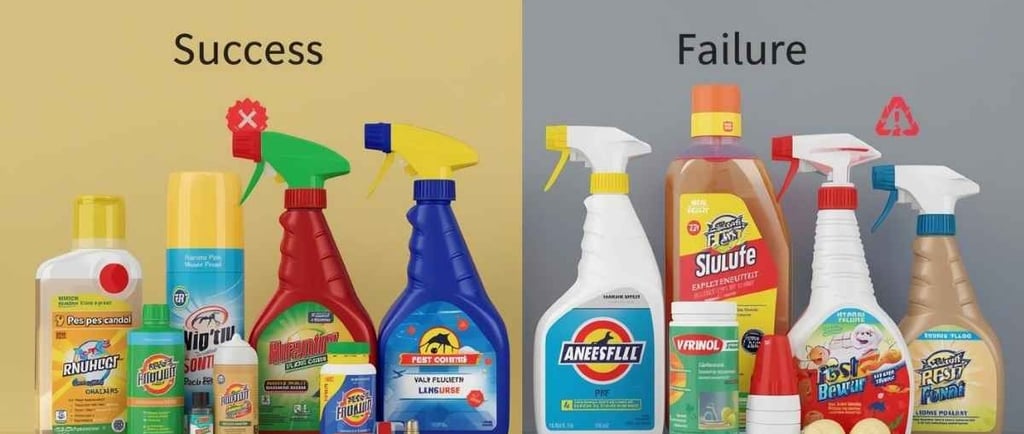
Pest control products are widely used in Bangladesh to manage unwanted infestations effectively; however, there are instances when these products fail to deliver the anticipated results. Understanding the reasons behind the ineffectiveness of such products can help consumers make informed choices and prevent unnecessary expenditures.
One of the primary factors leading to the failure of pest control products is improper usage. Many users do not follow the instructions provided, which can result in suboptimal application. For instance, applying the product in insufficient quantities, using it at incorrect intervals, or not taking necessary safety precautions can diminish its efficacy. Additionally, factors such as environmental conditions—like humidity and temperature—can impact how well a product works. Applying the wrong type of product for a specific pest problem can also lead to unsatisfactory outcomes.
Another critical factor is resistance. Pests can develop resistance to particular chemicals over time, especially when the same product is used repeatedly without rotation. This adaptation means that the product may no longer be effective against those pests, necessitating the use of alternative methods or products. Moreover, the application of a single type of treatment may not address the root cause of the infestation, allowing pests to return even after initial treatments seem successful.
Lastly, unsuitable conditions contribute to the ineffectiveness of pest control products. Factors such as the structural integrity of a property, the extent of the infestation, and the accessibility of treatment areas can influence the results. If these conditions are not optimal for treatment, even the most highly-rated products may not yield the desired effect. Therefore, understanding these limitations is crucial for achieving successful pest management.
Professional Pest Control Services
While over-the-counter pest control products are often the first line of defense for homeowners dealing with infestations, persistent pest issues can necessitate a more robust approach. Professional pest control services bring specialized knowledge and experience that can effectively address significant pest problems. These services often employ methods and products not available to the general public, which can lead to more effective and efficient pest management solutions.
One of the primary benefits of professional intervention is safety. Many household pest control products may pose health risks to children and pets if not used correctly. Expert pest control technicians are trained to handle these substances safely, ensuring that they apply the correct dosages in ways that minimize exposure. Furthermore, they are equipped with safety gear and protocols that the average homeowner may not possess.
Comprehensive coverage is another advantage of hiring professionals for pest management. Unlike DIY products that may only target a specific pest, professional services conduct thorough inspections to identify the source and extent of an infestation. This holistic approach allows them to implement long-term strategies that not only eliminate current pests but also prevent future outbreaks.
Moreover, professional pest controllers often provide ongoing maintenance programs, which are crucial in areas particularly susceptible to pest invasions. They can regularly assess the premises, allowing for early detection and intervention before an infestation escalates, ultimately saving homeowners time and resources.
In summary, while DIY pest control products can be helpful for minor issues, the complexity and potential dangers of pest problems often warrant the services of professional pest control experts. Their expertise, safety protocols, and comprehensive solutions make them an invaluable resource for effective pest management.
Address:
264/5, Kamal Soroni Road, Mirpur, Dhaka-1216
Contact
Your Quaries on pest control askings
pestexterminatorbd@gmail.com
+8801642008383 +8801988300003, 01723057746
© 2025. All rights reserved. to Urban Pest Control Pvt. Ltd. this site is powered by Our Own IT Team