
Top 10 Most Dangerous Household Pests in Bangladesh and How to Eliminate Them
3/19/20268 min read
Introduction to Common Pests in Bangladesh
Bangladesh, with its tropical climate and high humidity, presents an ideal environment for various household pests. This unique geographical setting contributes significantly to the proliferation of pests, making them a common nuisance in many homes across the country. The combination of warm temperatures and ample moisture not only supports the growth of many pest species but also increases their reproductive rates. As a result, homeowners often find themselves dealing with infestations that can escalate if not managed promptly.
Common household pests in Bangladesh include cockroaches, ants, termites, mosquitoes, and rodents, each thriving in different conditions but sharing the same underlying issues of abundance in food and shelter. Cockroaches, for instance, thrive in dark, moist areas often found in kitchens and bathrooms. Ants are highly organized and can invade homes in search of food, while termites can cause extensive damage to wooden structures if left unchecked. The presence of these pests is exacerbated during the rainy season when their reproductive processes can accelerate due to favorable environmental conditions.
Addressing pest problems early is crucial for maintaining a healthy living environment. Not only do household pests pose health risks by contaminating food or spreading diseases, but they can also cause significant structural damage over time, leading to costly repairs. Homeowners need to be proactive in identifying and managing pest threats. Effective pest control begins with understanding the behaviors and habitats of pests common in the region. By recognizing the signs of infestation and implementing strategic preventative measures, individuals can mitigate the risks posed by these unwanted visitors and maintain a pest-free home.
Pest-by-Pest Breakdown: The Top 10 Dangerous Pests
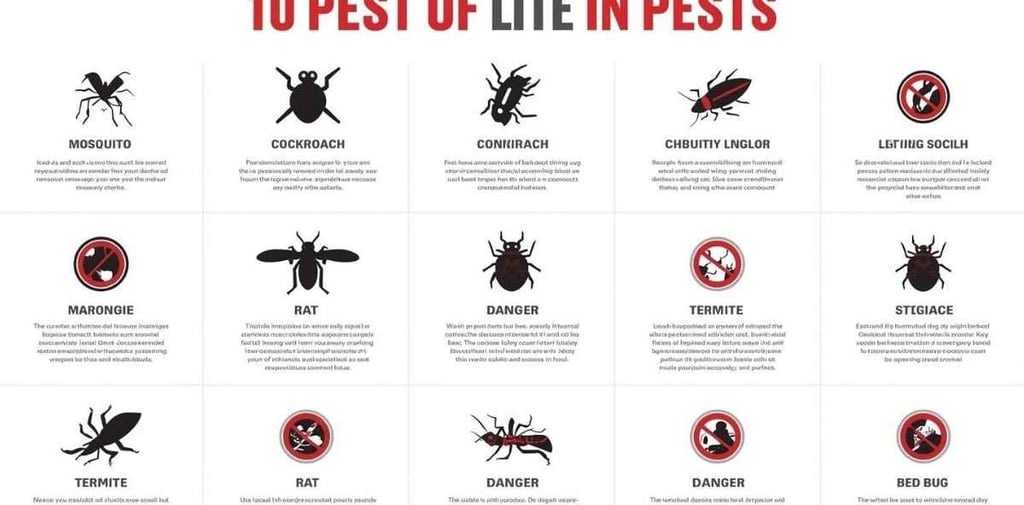
Bangladesh is home to a variety of household pests that pose significant risks to health and property. Understanding these pests and their characteristics can help in effective management and elimination. Here are the top ten dangerous pests found in this region:
1. Mosquitoes (Culicidae family)
Mosquitoes are notorious for spreading diseases, including dengue fever and malaria. They breed in stagnant water and are most active during the early morning and evening hours. Effective elimination includes removing standing water and using insect repellents.
2. Termites (Isoptera order)
Termites are wood-destroying insects that can severely damage homes and buildings. They thrive in warm, moist environments, and their colonies can often go unnoticed until significant damage has occurred. Preventive measures include regular inspections and the use of termite-specific baits.
3. Rodents (Rattus spp.)
Rodents such as house rats and mice are common household invaders that can contaminate food and spread diseases like leptospirosis. They reproduce quickly, making their elimination crucial. Sealing entry points and laying traps are effective strategies for control.
4. Cockroaches (Blattodea order)
Cockroaches are resilient pests that thrive in unsanitary conditions. They are known carriers of numerous pathogens causing illnesses. Keeping kitchens clean and using roach baits or traps can help mitigate their presence.
5. Bed Bugs (Cimex lectularius)
Bed bugs feed on human blood and are known to cause itchy bites and sleepless nights. Their ability to hide in small crevices complicates their eradication, requiring thorough cleaning and possible professional pest control.
6. Ants (Formicidae family)
Certain ant species, like the red imported fire ant, can sting, posing a threat to people and pets. Ants often invade in search of food, making sanitation critical for their control.
7. Ticks (Ixodidae family)
Ticks are blood-feeding parasites that can transmit serious diseases, including Lyme disease and fever. They are commonly found in grassy or wooded areas and should be removed carefully to avoid disease transmission.
8. Fleas (Siphonaptera order)
Fleas are often brought into homes by pets and can lead to itching and allergic reactions. Regular pet grooming and treating the home with flea control products can effectively manage infestations.
9. Flies (Diptera order)
Flies, particularly house flies, can contaminate food and surfaces, spreading pathogens. Good sanitation practices, such as disposing of waste, can help keep them at bay.
10. Weevils (Curculionidae family)
Weevils are pests that attack grains and stored food products. They can cause significant economic loss in agriculture as well as food waste at home. Keeping food sealed and storing it properly can prevent infestations.
In conclusion, being informed about the most dangerous household pests in Bangladesh and their characteristics enables homeowners to take proactive steps in management and elimination. Early detection and appropriate measures are essential to protect health and property from these intrusive pests.
Understanding Health Risks Associated with Household Pests
Household pests can pose significant health risks to residents, particularly in regions such as Bangladesh, where environmental conditions foster pest proliferation. The dangers associated with these pests often extend beyond mere nuisance; they can lead to serious health issues, including the transmission of various diseases, allergic reactions, and long-term health complications.
One of the most concerning pests is the mosquito. Mosquitoes are vectors for diseases such as dengue fever, malaria, and chikungunya, which can result in severe illness or even fatalities. The rapid transmission of these diseases, particularly during monsoon seasons, highlights the necessity for effective mosquito control strategies to safeguard public health.
Rodents, including rats and mice, are also notorious for their role in spreading diseases. They can transmit hantavirus, leptospirosis, and salmonella through direct contact or contaminated surfaces. Furthermore, rodent droppings can contribute to respiratory issues, especially in vulnerable populations, such as children and the elderly. This emphasizes the importance of maintaining cleanliness and implementing rigorous pest control measures to limit rodent populations.
Another group, cockroaches, are known allergens that can trigger asthma and respiratory problems in sensitive individuals. Their droppings and body parts can provoke severe allergic reactions and exacerbate pre-existing conditions. Additionally, cockroaches can contaminate food, leading to food poisoning and gastrointestinal diseases.
Bed bugs, although not primarily disease carriers, can cause significant physical and mental distress to those affected. Their bites can lead to skin infections and insomnia, resulting in diminished quality of life. The psychological impact of a bed bug infestation, coupled with the stigma associated with it, necessitates prompt eradication.
In conclusion, understanding the health risks associated with household pests is crucial for effective management and control. The potential diseases transmitted, coupled with the risk of allergies and long-term health effects, underscore the pressing need for comprehensive pest control practices within homes. Vigilance and prompt action can help mitigate these health risks and promote a healthier living environment.
Effective Mosquito Control Methods in Bangladesh
In Bangladesh, mosquitoes pose significant health risks, transmitting diseases such as dengue fever and malaria. Effective mosquito control methods are essential for minimizing these threats. The first step in mosquito management is identifying and eliminating breeding sites. Mosquitoes breed in stagnant water, making it crucial to regularly check areas such as flower pots, containers, and gutters for standing water and to empty or cover them appropriately.
Homeowners can adopt various DIY solutions to combat mosquitoes. Using natural repellents like neem oil or citronella can create a protective barrier around the home. Additionally, installing window screens and using mosquito nets can provide physical barriers to keep these pests at bay. When spending time outdoors, wearing long sleeves and using repellents containing DEET or picaridin can significantly reduce the chances of being bitten.
Preventive measures also play a vital role in mosquito control. Keeping lawns trimmed and removing debris can reduce hiding spots for adult mosquitoes. Additionally, community-wide efforts such as organizing clean-up drives to eliminate potential breeding habitats can be highly effective in curbing mosquito populations.
In some situations, professional pest control services may be necessary to address severe infestations. These services utilize targeted treatments that can significantly reduce mosquito populations. When seeking professional help, it is important to choose reputable companies that use safe and environmentally friendly methods.
In summary, effective mosquito control in Bangladesh involves a combination of eliminating breeding sites, employing DIY solutions, and engaging professional services when necessary. By implementing these strategies, individuals can protect themselves and their families from the dangers posed by mosquitoes.
Addressing the Termite Problem in Bangladesh Homes
Termites pose a significant threat to wooden structures in Bangladesh, leading to substantial economic losses each year. Their ability to silently invade homes and buildings makes them particularly insidious. These pests thrive in warm, humid environments, which are prevalent in many regions of Bangladesh, thereby increasing the likelihood of infestations that can compromise the integrity of homes.
Detecting a termite problem early is crucial. Homeowners should be vigilant for signs of infestation, which include hollow-sounding timber, mud tubes appearing along walls, or discarded wings near windows and doors. If these indicators are identified, immediate action is recommended to mitigate further damage.
Preventing termite infestations in the first place is always preferable. One effective strategy is to ensure proper ventilation in crawl spaces and basements, as well as to maintain dry conditions in and around the home. Keeping firewood or any wooden materials stored away from the perimeter of the house can also significantly reduce the risk. Another preventive measure includes sealing cracks and crevices in walls and foundations which can provide entry points for these pests.
When it comes to eliminating established termite colonies, there are both DIY methods and professional services available. DIY solutions may involve the use of baiting systems or applying termiticides to the affected areas, but these methods require care to ensure thorough application and effectiveness. For severe infestations or for those who prefer a guaranteed solution, hiring a pest control professional is advisable. Experts can utilize specialized treatments, such as liquid barrier treatments and wood preservatives, which can offer a more comprehensive approach to termite protection.
Ultimately, staying informed and proactive about potential termite issues is essential for preserving the structural health of homes in Bangladesh. With the right measures in place, homeowners can prevent and combat termite infestations effectively.
Rodent Control Strategies in Urban Areas like Dhaka
Controlling rodent populations in urban areas such as Dhaka presents unique challenges due to the dense population, limited space, and availability of food sources. Rodents not only pose health risks but also cause significant damage to infrastructure and properties. A comprehensive rodent control strategy is essential to manage these pests effectively.
One of the key methods in combating rodents is to enhance overall hygiene in both residential and commercial spaces. Regular disposal of waste, secure storage of food, and the prompt cleaning of spills can effectively reduce the availability of food sources for rodents. Additionally, sealing off entry points in buildings, such as cracks and crevices, is crucial in limiting rodent access. This proactive measure can significantly decrease the likelihood of infestations.
Traps are also an integral part of rodent control. Snap traps and live traps can be utilized to capture rodents effectively. These traps should be placed strategically along known rodent pathways, including near holes, droppings, and nests. It is imperative to monitor these traps regularly to remove any captured rodents and reset them for continued control.
In severe cases of infestation, professional pest control services may be warranted. These services possess the expertise and tools necessary to address significant rodent issues. They often employ a combination of rodenticides and traps, adapting their approach based on the specific circumstances and severity of the infestation.
In conclusion, effective rodent control in urban settings like Dhaka relies on a combination of good sanitation practices, strategic trapping, and professional intervention when needed. With consistent effort, it is possible to minimize rodent populations and the associated risks they pose to public health and safety.
Prevention Tips for Maintaining a Pest-Free Home
Maintaining a pest-free home requires a proactive approach that involves regular maintenance and awareness. Implementing effective prevention strategies can significantly reduce the likelihood of pest infestations in your living environment. Firstly, it is essential to ensure that all entry points are securely sealed. Inspect windows, doors, and any cracks in the foundation to block potential access for harmful pests such as roaches, rats, and ants.
Another critical step is to maintain cleanliness throughout the home. Regularly sweeping and vacuuming will help eliminate food particles that attract insects. Additionally, promptly cleaning up spills and ensuring that food is stored in airtight containers can significantly diminish the chances of pest attractions. Kitchen hygiene is particularly important; ensure that trash bins are disposed of properly and that no food scraps are left out.
Outdoor maintenance is equally significant in pest prevention. Keeping your garden tidy by trimming bushes and removing standing water can deter insects and rodents from finding ideal nesting conditions. Furthermore, consider using natural repellents or barriers around your property, such as planting pest-repelling plants like marigolds or using diatomaceous earth in vulnerable areas.
Regular inspections of household items, such as furniture and stored goods, should be standard practice. This vigilance permits early detection of any infestations before they escalate. Additionally, engaging professional pest control services for routine check-ups can fortify your home against undesirable visitors.
Finally, educate your household members about the importance of these preventive measures. A unified effort can enhance the effectiveness of these strategies, helping everyone recognize potential signs of pests and take prompt action. By integrating these practices into your lifestyle, maintaining a pest-free home can become a manageable goal.
Address:
264/5, Kamal Soroni Road, Mirpur, Dhaka-1216
Contact
Your Quaries on pest control askings
pestexterminatorbd@gmail.com
+8801642008383 +8801988300003, 01723057746
© 2025. All rights reserved. to Urban Pest Control Pvt. Ltd. this site is powered by Our Own IT Team