
Top 10 Hidden Places in Your House Where Pests Breed
3/14/202611 min read
Introduction: The Silent Threat of Hidden Pests
Pest infestations are often perceived as overt nuisances, with visible signs compelling homeowners to take immediate action. However, many pests can harbor in the shadows, silently multiplying and causing extensive damage, often going unnoticed until significant issues arise. These hidden infestations pose a serious threat that warrants attention and understanding.
One of the most alarming aspects of concealed pest infestations is their potential impact on health. Various pests, including rodents, cockroaches, and termites, can carry pathogens and allergens, making them a risk to human well-being. For instance, droppings from rodents or cockroaches can trigger asthma attacks and allergic reactions in sensitive individuals, while certain parasites may transmit diseases that can endanger families. The dangers posed by such hidden pests are not always recognized by homeowners, who might focus solely on visible pest activity.
In addition to health risks, the structural damage that may result from unaddressed infestations cannot be overlooked. Termites, for example, are notorious for their ability to destroy a home’s framework without any outward signs. Homeowners may only discover their destructive presence when extensive damage has occurred, leading to costly repairs and diminished property value. Other pests, such as carpenter ants and even certain species of ants, can cause further issues, weakening the integrity of wood and other materials.
This blog post aims to shed light on the hidden dangers associated with pest infestations, emphasizing the need for vigilance and proactive measures. Understanding these silent threats is the first step in prevention, ultimately protecting both health and property from the jeopardy posed by these elusive invaders.
Top 10 Pest Breeding Locations in Your Home
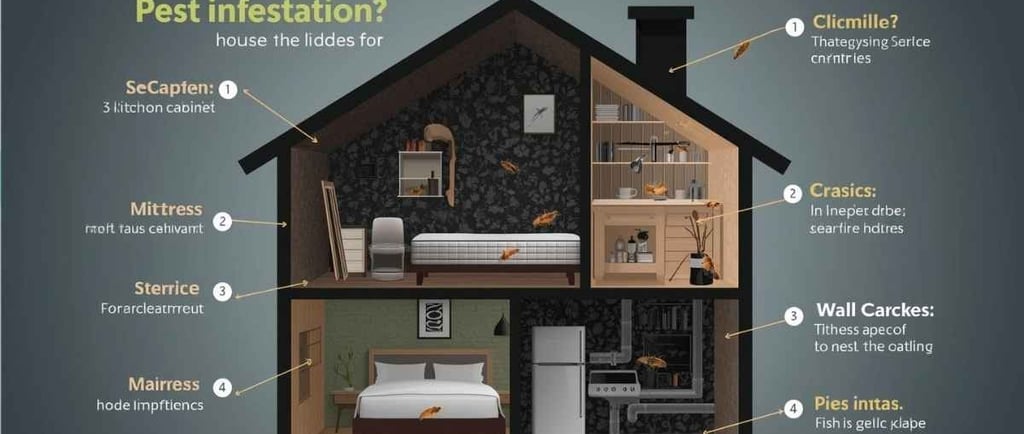
Pest infestations can pose significant threats to both health and property. Understanding where these pests breed and hide within your home can be the first step in preventing a severe outbreak. Here are the top ten locations commonly associated with pest activity:
1. Kitchens: The kitchen is often a hotspot for pests due to food availability and moisture. Ants, cockroaches, and rodents frequently invade this area in search of food remnants. Keeping the kitchen clean and sealing food properly can mitigate these risks.
2. Bathrooms: High humidity provides an ideal breeding ground for pests like silverfish and mold mites. Pests are often attracted to stagnant water or damp towels, making it crucial to maintain dry conditions and regular cleaning.
3. Basements: Basements are typically dark, moist, and often neglected areas where pests like spiders, termites, and rodents tend to thrive. Implementing proper ventilation and moisture control can help reduce the pest population in this environment.
4. Attics: Similar to basements, attics are often overlooked. They present ideal conditions for pests such as squirrels, bats, and insects that thrive in undisturbed spaces. Regular inspections are vital to prevent infestations from taking hold.
5. Garages: Garages often become storage areas for various items, which can attract pests like spiders, mice, and weeds. Keeping the garage organized and reducing clutter can eliminate hiding spots for these unwanted residents.
6. Window Sills and Doors: Cracks and unsealed windows provide easy access points for insects. Regularly checking and repairing these areas can prevent pests from entering your home.
7. Houseplants: Indoor plants can inadvertently attract pests such as aphids and spider mites. Regular inspection and appropriate care for plants can help maintain a pest-free environment.
8. Pet Areas: Pet food is a magnet for pests, especially rodents and ants. Keeping pet food sealed and cleaning feeding areas can reduce pest attraction.
9. Sink Drains: Moisture buildup in sink drains can be appealing to pests like cockroaches and drain flies. Regular cleaning and maintenance of drains can help mitigate these issues.
10. Chimneys: Unused chimneys can become nesting sites for birds and small mammals. Regular cleaning and checks for blockages can prevent these infestations.
Being aware of these breeding locations is essential for maintaining a pest-free home. Implementing preventive measures can significantly reduce the risk of infestations and safeguard your living environment.
Kitchen Cabinets: The Perfect Hiding Spots for Pests
Kitchen cabinets are often regarded as the heart of the kitchen, providing not just storage but also an environment that is conducive to pest infestations. The characteristics of kitchen cabinets, such as warmth, moisture, and accessibility to food scraps, make them ideal hiding spots for various pests, including cockroaches and pantry moths. These pests thrive in environments where they can find sustenance and shelter, and kitchen cabinets frequently provide both.
One of the primary reasons kitchen cabinets attract pests is the presence of food remnants that may linger in the cracks and corners. Even the tiniest crumbs can serve as a robust food source for pests, leading to potential infestations. Additionally, moisture from spills or food preparation can create an appealing environment for pests, providing them with a source of hydration essential for their survival.
Homeowners should be vigilant for signs of pest infestations in their kitchen cabinets. Common indicators include droppings, which can appear as small black or brown specks, and the presence of shed skins or cocoons. Additionally, unusual odors may be detectable, often associated with larger infestations. If any of these signs become apparent, it is critical to take immediate action to address the issue.
Preventive measures are crucial for maintaining a pest-free kitchen. Regular cleaning of cabinets, including thorough vacuuming and wiping down surfaces, can help eliminate food sources and deter pests. Sealing any cracks or gaps in cabinets can also help in preventing pests from entering. Utilizing air-tight containers for food storage can further minimize the risk of attracting pests. By implementing these strategies, homeowners can safeguard their kitchens against unwanted infestations and maintain a hygienic cooking environment.
Bathroom Drains: A Breeding Ground for Unseen Pests
Bathroom drains serve as critical access points for various pests, including drain flies and ants, which can thrive in this often-overlooked environment. The conditions prevalent in and around bathroom drains can create a perfect breeding ground for these unwanted intruders. Poor ventilation, combined with standing water, provides a hospitable setting for pests to reproduce and flourish.
Drain flies, for example, are commonly found in areas where stagnant water accumulates. Their larvae thrive on the organic matter often found in clogged or poorly maintained drains. If not addressed promptly, these flies can multiply rapidly, making bathroom drains a potential hotbed for an infestation. Additionally, ants can also use these drains as conduits to access food and water sources within the home, drawing them into bathrooms where moisture is readily available.
The health implications associated with these pests can be significant. Drain flies, while not typically harmful, can contribute to poor hygiene and unsanitary conditions. Their presence often indicates underlying issues with plumbing or drainage systems that require immediate attention. Ants, on the other hand, can contaminate food products and introduce pathogens into living spaces, posing risks to family health.
To mitigate infestations, regular maintenance of bathroom drains is essential. Homeowners should focus on ensuring that drains are clean and free from organic debris that can attract pests. Additionally, checking for leaks that create moisture problems and sealing any gaps around fixtures can help deter intruders. Implementing proactive measures, such as utilizing drain covers and flushing drains with hot water and vinegar, can further reduce the likelihood of pest access. By understanding and addressing the potential risks associated with bathroom drains, homeowners can protect their homes from these unseen threats.
Mattress Corners: Where Bed Bugs Thrive
Bed bugs, scientifically known as Cimex lectularius, are tiny parasitic insects that primarily feed on the blood of humans and animals. These nocturnal pests are most commonly found in areas where people sleep, with mattress corners being a particular hotspot for their infestation. Their ability to hide in the seams of mattresses and bedding makes bed bugs challenging to detect until a significant population has developed, which puts individuals at risk of bites and allergic reactions.
Detecting bed bug infestations can be daunting, as these insects are adept at concealing themselves. Signs of an infestation include reddish-brown spots on the mattress, small blood stains on sheets, and the presence of tiny white eggs in crevices. Additionally, noticeable bite marks may appear on the skin, typically in a linear pattern, which can lead to discomfort and heightened anxiety. It is advisable to inspect not only the mattress corners but also the bed frame, headboard, and surrounding furniture regularly.
Preventive measures play a crucial role in combating bed bugs. Regularly washing bedding in hot water and using protective mattress encasements can significantly reduce the risk of an infestation. Vacuuming the entire sleeping area frequently, including seams and cracks, helps to eliminate any potential pests before they establish a colony. Furthermore, it is important to be cautious when purchasing second-hand mattresses or furniture, as they may harbor these pests from previous owners.
The psychological impact of having bed bugs infesting one's sleeping environment should not be underestimated. The stress and anxiety stemming from sleepless nights and constant worry about bites can affect one's mental health. Understanding these pests and taking proactive steps toward prevention can help individuals maintain a safe and comfortable sleeping environment.
False Ceilings: The Underlying Dangers of Hidden Spaces
False ceilings are commonly employed in modern construction for aesthetic appeal and to conceal wiring and ductwork. However, these ceilings can also create hidden voids that become potential nesting grounds for various pests, including rodents and termites. The dark, enclosed spaces of false ceilings often go unnoticed during routine inspections, allowing infestations to develop unchecked, causing significant structural and financial concerns.
Rodents are particularly adept at navigating through these confined areas. Their ability to squeeze through small openings means that a seemingly innocuous false ceiling can become a breeding ground for these pests, leading to potential contaminations of the living spaces below. Their gnawing habits can also compromise the integrity of materials such as wood, insulation, and wiring, exacerbating the risk of fire hazards and costly repair work.
Termites, on the other hand, thrive in moisture-rich environments that are often present around false ceilings. These pests can silently dismantle structural components of a building, weakening its foundations over time. The lack of visibility in these hidden spaces means that termite infestations are frequently not detected until substantial damage has occurred, which can incur exorbitant restoration expenses and lead to safety issues for occupants.
To effectively inspect these areas, it is crucial to involve pest control professionals who can employ specialized tools and techniques to identify signs of infestation. Regular inspections and maintenance are paramount in safeguarding properties against the threats posed by these pests. Homeowners should prioritize the integrity of their false ceilings, ensuring they remain a protective element of their architecture rather than a concealed risk. With prompt attention to any signs of pest intrusion, it is possible to mitigate the dangers associated with these hidden spaces.
Electrical Boards: An Unlikely Infestation Area
Pest infestations are typically associated with kitchen cabinets, attics, and basements. However, an often-overlooked aspect of pest-related risks occurs within electrical boards. These areas, essential for powering homes and businesses, can be susceptible to the presence of various pests that, when nesting in these compartments, pose significant dangers. The potential for malfunctions such as short circuits and fires emphasizes the importance of monitoring these locations.
Common pests found within electrical boards include rodents, particularly mice and rats, as well as insects like cockroaches and ants. Rodents are notorious for chewing through wires, leading to compromised insulation that heightens the risk of electrical short circuits. Insects, on the other hand, tend to build nests within these spaces, which not only disrupt electrical functions but also pose fire hazards due to their organic materials catching flame under certain conditions. The intersection of pest activity and electrical systems makes electrical boards a unique risk area that needs proper attention.
Given the potential hazards posed by pests in electrical boards, safe inspection protocols should be established. Individuals are advised to employ professional pest control services for thorough inspections, ensuring that electrical systems are not only functional but also free from infestations. If inspecting on your own, it is crucial to turn off the power supply before opening electrical boards, minimizing the risk of shocks. Additionally, ensure to observe for signs of pest activity, such as droppings or nests, while also checking for damaged wires. Maintaining a clean environment and implementing preventive measures against pest access can significantly reduce the odds of infestations in these critical areas, safeguarding both property and inhabitants.
How Professionals Detect Hidden Pests: Tools and Techniques
Pest infestations can often go unnoticed until they reach significant levels, causing damage and health risks. To address this challenge, pest control professionals employ a variety of advanced tools and techniques to detect hidden pests early. By utilizing these methods, they can formulate effective treatment plans and minimize potential harm.
One of the primary tools in pest detection is thermal imaging. This technique relies on infrared cameras that can identify heat variations in structures caused by pest activity. For instance, rodents and insects can emit heat that makes them detectable through temperature differences when viewed through thermal imaging. This method is particularly beneficial in large buildings where infestations may be concealed within walls or ceilings.
Moisture meters are another valuable tool used by pest control experts. Many pests, such as termites and carpenter ants, thrive in moist environments. By measuring moisture levels in wood and other materials, professionals can pinpoint potential infestation sites. This technique not only detects the presence of pests but also helps identify underlying moisture issues that may contribute to infestations.
Traps are widely used for both monitoring and capturing pests. Professionals strategically place various types of traps, such as sticky traps or bait stations, in suspected areas of infested premises. These traps can reveal the presence of pests and provide insights into their population density and behavior. Moreover, their usage allows for non-invasive monitoring of pest activity, which is essential for effective integrated pest management.
Additionally, there are other advanced detection techniques, such as acoustic detection devices that can pick up sounds made by pests within walls, further aiding professionals in their efforts to locate infestations. By employing a combination of these tools and techniques, pest control specialists are well-equipped to detect hidden infestations, ensuring timely intervention to safeguard properties and public health.
Pest Inspection Checklist: What to Look For
Conducting a thorough pest inspection is essential for maintaining a healthy home environment. Homeowners should regularly evaluate their living spaces, keeping an eye out for signs of infestation that can indicate a serious problem. The following checklist serves as a guide to ensure that inspections are comprehensive and effective.
First, it is crucial to look for obvious signs of pests, such as droppings, shed skin, or nests. Common indications include the presence of small black droppings, which may be left by rodents, or frass, which is often associated with wood-boring insects. Pay attention to areas around food storage spaces, the kitchen, and garbage disposal sites, as these are frequent locations for pest activity.
Next, examine potential entry points into the home. Check for cracks and gaps around windows, doors, and the foundation. Pests, such as ants and termites, can exploit even the smallest openings. Additionally, inspect vent openings and drains, ensuring they have proper screens to prevent pest entry.
Conduct inspections in key areas of the home where pests typically hide. Attics, basements, and crawl spaces should be assessed for moisture, which attracts many pests, including termites and cockroaches. Look for water leaks, as they can promote pest infestations. Similarly, outdoor areas, such as gardens and patios, should be included in inspections, as they may harbor pests that can migrate indoors.
In addition to visual inspections, consider using traps or monitoring equipment to detect and assess pest populations. Regular checks not only help identify early signs of infestation but also enable homeowners to take proactive measures. A diligent approach to pest inspection can significantly reduce the likelihood of a severe infestation, protecting both health and property.
Monthly Pest Maintenance Plan: Staying Ahead of Infestations
Implementing a monthly pest maintenance plan is essential for any property owner aiming to protect their space from the risks associated with pest infestations. This proactive approach not only enhances the hygiene of the environment but also significantly reduces the likelihood of infestations becoming a larger issue. Regular assessments by pest control professionals effectively identify potential problems early, allowing for swift action before infestations escalate.
One of the primary benefits of a structured maintenance plan is the incorporation of preventive measures tailored to one’s specific needs. Each property presents unique challenges depending on its location, structure, and surrounding environment. A comprehensive assessment conducted by a pest control expert can help ascertain the most efficient strategies for pest exclusion, such as sealing entry points, removing food sources, and managing vegetation. Through consistent monthly inspections, property owners can address these factors before pests establish a foothold.
Cost-effectiveness is another significant advantage of implementing a monthly pest maintenance plan. While the initial investment in a pest control service may raise some concerns, the long-term savings are undeniable. By preventing infestations, property owners can avoid extensive damage repairs and the potentially high costs associated with emergency pest removal. A monthly maintenance schedule also ensures that pest issues are dealt with systematically, thus minimizing the inconvenience and potential health risks that come with uncontrolled infestations.
In conclusion, a monthly pest maintenance plan offers a sustainable way to stay ahead of infestations. It encourages a proactive mindset towards pest management, fosters a safe living or working environment, and proves to be a wise financial investment over time.
Address:
264/5, Kamal Soroni Road, Mirpur, Dhaka-1216
Contact
Your Quaries on pest control askings
pestexterminatorbd@gmail.com
+8801642008383 +8801988300003, 01723057746
© 2025. All rights reserved. to Urban Pest Control Pvt. Ltd. this site is powered by Our Own IT Team