
Top 10 Features to Look for in a Chemical Safety Mask
3/30/20267 min read
Understanding Safety Masks
Safety masks have become essential personal protective equipment (PPE) in various sectors, especially in healthcare, construction, and manufacturing industries. They serve a crucial purpose by safeguarding the wearer from inhalation of harmful particles, chemicals, and biological agents present in the environment. The importance of these masks has gained heightened awareness, particularly during global health crises, where the threat of airborne disease transmission has been prevalent.
There are several types of safety masks available, each designed for specific functions and situations. Surgical masks, commonly used in medical settings, protect against respiratory droplets that can transmit infections. They are designed to create a barrier between the mouth and nose of the wearer and potential contaminants in the immediate environment. On the other hand, N95 respirators are engineered to offer a higher level of filtration, providing protection against very small particles, making them suitable for healthcare providers during tasks that may expose them to infectious agents.
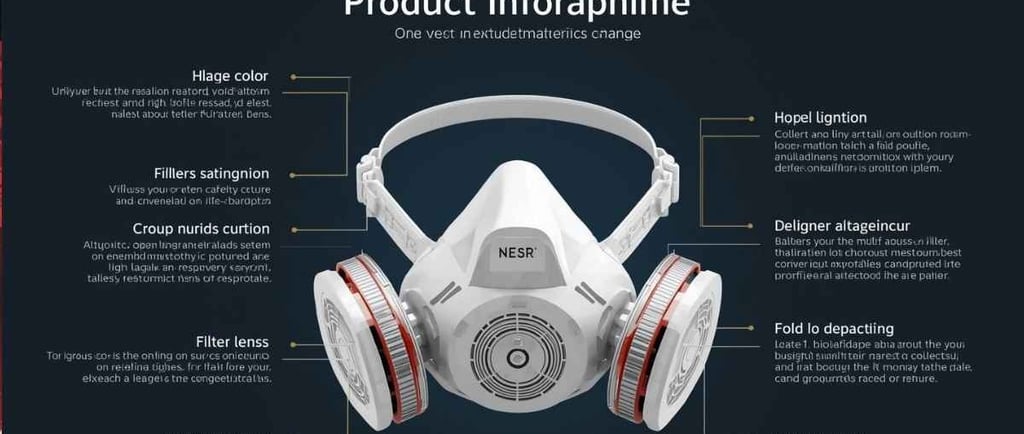
In industrial contexts, dust masks and particulate respirators are widely employed to protect workers from inhaling hazardous dust, fumes, and mists. Such masks are vital in environments that require consistent exposure to particulate matter, ensuring the safety and health of the workforce. Moreover, there are specialized masks designed for chemical protection, equipped with filters that can neutralize harmful gases and vapors.
In everyday scenarios, safety masks have become commonplace during outbreaks of airborne illnesses, effectively reducing the transmission risk in public spaces. Their adaptability to various uses—from medical environments to daily activities—highlights the integral role safety masks play in enhancing public health and workplace safety. As technology advances, the design and efficiency of these masks continue to improve, ensuring better protection for users and promoting greater awareness of the necessity of safety measures in diverse settings.
Key Features of Essential Safety Masks
Safety masks are crucial personal protective equipment designed to reduce the risk of airborne hazards. One of the primary features that every safety mask should possess is effective filtration capabilities. Masks must be equipped with certified filters capable of trapping particulates, including dust, pollen, fumes, and biological agents. The efficiency of filters is usually denoted by various standards, such as N95 or FFP2, which inform users of their capability to block at least 95% of airborne particles.
Another essential aspect is comfort. A well-designed safety mask should provide a snug fit without compromising breathability. Comfort factors such as adjustable straps, lightweight materials, and ergonomically shaped contours significantly contribute to the user's willingness to wear the mask for extended periods. This is particularly relevant in fields where prolonged mask usage is required, ensuring that individuals remain protected without discomfort.
Durability of materials is also a fundamental characteristic of safety masks. Masks constructed from high-quality, robust materials help in maintaining protective features over time, resisting wear and tear from various environmental conditions. Furthermore, chemical resistance can enhance the longevity and application scope of safety masks in industrial settings.
Protective features against eye hazards are critical, especially in workplaces dealing with airborne particles that may affect the eyes. Masks designed with an integrated eye protection mechanism, such as face shields, can serve dual purposes, safeguarding both the respiratory system and the eyes from hazardous exposures.
Finally, cost-effectiveness is an essential consideration for individuals and organizations. In addition to upfront costs, evaluating the mask's durability and replacement needs can provide insights into the long-term financial implications of purchasing decisions. By incorporating these key features, users can ensure that the safety masks they choose effectively safeguard against various risks while maintaining comfort and usability.
Filtration Capabilities Explained
The filtration capabilities of safety masks are pivotal in determining their effectiveness against various environmental hazards, including airborne pollutants and infectious agents. The core component of these masks is their filtration system, which may incorporate various types of filters such as High Efficiency Particulate Air (HEPA) filters and activated carbon filters. Each filter type offers distinct advantages based on the pollutants targeted.
HEPA filters are renowned for their ability to capture at least 99.97% of particles that are 0.3 micrometers in diameter. This makes them particularly effective against dust, pollen, and other fine particulates, as well as certain bacteria and viruses, providing essential protection in environments such as construction sites, hospitals, and during public health crises.
On the other hand, activated carbon filters are designed to absorb gases and volatile organic compounds (VOCs). The charcoal in these filters operates through adsorptive properties that bind impurities, making them effective in environments with chemical exposure or foul odors. When assessing the filtration capabilities of a mask, it is vital to consider the intended use and the specific contaminants one might encounter.
In addition to the types of filters, the standards and certifications play an important role in ensuring the quality of filtration. For instance, masks that meet the N95 or FFP2 standards guarantee a minimum filtration efficiency, which is essential for users in healthcare or industrial sectors. Compliance with these standards ensures that the masks provide a reliable barrier against harmful substances, thus maximizing safety for the wearer.
When selecting a safety mask, understanding the filtration capabilities and corresponding certifications can significantly aid users in choosing the appropriate protective equipment for their specific needs.
Comfort and Fit: Why It Matters
The selection of safety masks goes beyond merely focusing on filtration efficiency and design; comfort and proper fit are equally critical factors that contribute to user compliance and overall safety. A mask that fits well and provides comfort reduces the likelihood of adjustment or removal, which can compromise protection levels during extended use.
Adjustable straps are one key feature that enhances comfort and fit. They allow users to customize the mask to their face shape, creating a secure seal that minimizes air leakage and maximizes effectiveness. Many masks now incorporate elastic ear loops or head straps that can be modified for better positioning, offering an individualized approach that caters to diverse user needs.
Equally essential are the materials used in crafting safety masks. Breathable fabrics can make a significant difference in comfort, especially when masks must be worn for long durations. Advanced materials such as moisture-wicking textiles not only improve airflow but also manage perspiration, preventing discomfort during use. Ergonomic designs that contour to facial features further enhance the fit, ensuring that pressure points do not lead to irritation or fatigue.
Research highlights the relationship between comfort levels and compliance. A study conducted by the National Institute for Occupational Safety and Health suggests that users are more inclined to wear a safety mask consistently when they feel comfortable. This adherence is paramount in environments where exposure to hazardous substances is prevalent. Employees who express discomfort with their masks are less likely to maintain proper usage, increasing their risk of occupational hazards.
The comfort and fit of safety masks thus play a pivotal role in their efficacy. By prioritizing these elements in mask design, manufacturers not only enhance user experience but also contribute to a safer working environment.
Durability and Material Quality
When assessing the durability of safety masks, the materials utilized in their construction play a pivotal role. Various types of materials are employed to manufacture safety masks, each offering distinct advantages and limitations. Commonly, masks are produced from cloth, plastic, or specialized composites, with each material influencing the mask’s longevity, maintenance requirements, and user satisfaction.
Cloth masks, often made from cotton or polyester blends, are designed for comfort and breathability. They allow for regular washing and reuse, contributing to an eco-friendly choice. However, while cloth masks can be durable, they may degrade faster with frequent washing, affecting their filtration efficiency over time. Ensuring proper care and regular inspections can mitigate some of these issues, but they ultimately may have a shorter lifespan than other materials.
On the other hand, plastic masks, which may include polycarbonate or polypropylene, tend to excel in terms of durability and resistance to wear. They are less susceptible to damage from moisture and physical impact, making them suitable for harsher environments. However, their rigidity can sometimes compromise user comfort, particularly during extended wear. Moreover, plastic masks generally require careful maintenance to prevent fogging and scratches, which can hamper visibility.
Specialized composite materials represent the pinnacle of mask technology. These materials often combine the benefits of cloth and plastic, offering enhanced durability while maintaining comfort. Composites are engineered to withstand various environmental conditions, thereby extending the mask's life. Selection of such advanced materials generally leads to greater user satisfaction, as they balance protective efficiency with comfort and ease of maintenance.
In conclusion, the selection of materials in safety masks profoundly influences their durability and user experience. Assessing the trade-offs between comfort, maintenance, and longevity is essential for effective use in different scenarios.
Eye Protection: A Crucial Component
The significance of eye protection in safety masks cannot be overstated, as it plays an essential role in safeguarding one of the most vulnerable parts of the human body. Many safety-related tasks expose workers to various hazards, including splashes, debris, and harmful airborne particles. Consequently, integrating eye protection within safety masks offers a comprehensive solution to mitigate these risks effectively. Some masks come equipped with additional shields or goggles designed to provide full eye coverage, ensuring that wearers remain protected in hazardous environments.
Certain professions, such as construction, chemical handling, and healthcare, necessitate the use of safety masks with integrated eye protection. For instance, a construction worker operating in an area with potential flying debris would benefit significantly from a mask featuring a built-in face shield. This combination ensures that both respiratory and ocular safety are prioritized, allowing for increased productivity without compromising health. In healthcare settings, the risk of exposure to pathogens further emphasizes the need for masks that incorporate eye protection, as droplets can pose serious threats to eye safety.
The creation and manufacture of safety masks and eye protection components are governed by strict regulations and standards. Organizations such as the American National Standards Institute (ANSI) and the National Institute for Occupational Safety and Health (NIOSH) establish guidelines to ensure that these protective devices offer adequate safety. Masks that meet these standards often undergo rigorous testing to ensure their effectiveness against various hazards. Therefore, it is crucial for employers and workers alike to remain cognizant of these standards when selecting appropriate protective gear in order to optimize their safety and well-being while on the job.
Cost-Effectiveness in Respirator Selection
When evaluating safety masks, particularly respirators, it is crucial to consider cost-effectiveness as a vital aspect of the selection process. Consumers and businesses alike must weigh the initial price of a mask against its longevity and overall effectiveness. In this context, the economic implications of purchasing safety masks can significantly influence decision-making.
To begin with, it is essential to recognize that a higher upfront cost does not always equate to better quality or durability. While some budget-friendly options may seem appealing due to their lower price, they could require more frequent replacements, thereby increasing overall expenditure in the long term. Conversely, investing in a more expensive respirator with a longer lifespan could ultimately result in cost savings, as it reduces the frequency of repurchases.
Moreover, maintenance costs associated with respirators should also be factored into the overall cost assessment. Certain masks may require additional filters or components, which can contribute to long-term maintenance expenses. Understanding the specific needs of the mask, such as filter replacement frequency, is fundamental to evaluating total cost over time.
Effectiveness is another critical component to consider when balancing quality and affordability. A respirator that fits well and provides superior filtration can mitigate health risks significantly better than a lower-quality option. This efficacy not only contributes to worker safety but may also align with regulatory compliance, thus avoiding potential fines or liabilities for businesses. Ultimately, the right safety mask selection should encompass an analysis of price in relation to longevity, maintenance expenses, and effectiveness, ensuring a balanced approach to quality and affordability in respirator choices.
Address:
264/5, Kamal Soroni Road, Mirpur, Dhaka-1216
Contact
Your Quaries on pest control askings
pestexterminatorbd@gmail.com
+8801642008383 +8801988300003, 01723057746
© 2025. All rights reserved. to Urban Pest Control Pvt. Ltd. this site is powered by Our Own IT Team