
Termite Damage in Bangladesh Homes: Hidden Health & Structural Risks Explained
2/22/20267 min read

Introduction to the Rising Global Threat of Termites
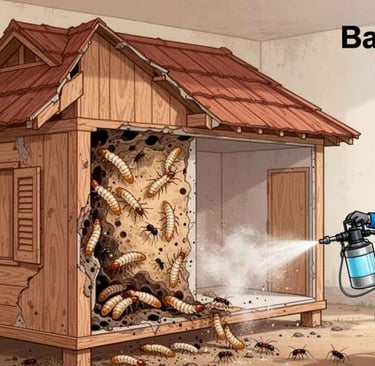
Termites have emerged as a significant threat to global ecosystems and infrastructure, driving concern among homeowners and businesses alike. The increasing prevalence of these pests can be attributed to various socio-economic factors, climate change, and urbanization. The detrimental impact of termites is notable, as these insects are responsible for billions in damages annually, particularly in regions like Bangladesh where infestations can disrupt both residential and commercial properties.
One of the primary drivers of rising termite populations is urbanization. As more areas become densely populated, the demand for housing and infrastructure has increased significantly. This expansion into previously undeveloped areas creates an ideal environment for termites, who thrive in humid, wooded regions typically found in suburban and urban settings. Furthermore, deforestation connected with rapid urban development deprives termites of their natural predators, allowing their populations to grow unchecked.
Climate change also plays a crucial role in the proliferation of termite colonies. Research indicates that rising temperatures and changes in precipitation patterns have led to increased survival rates and reproductive success among these pests. Warmer climates can extend the active months for termites, enabling them to reproduce more frequently, thereby exacerbating their impacts on both local and regional scales.
Enhancing our understanding of these contributing factors is essential in addressing the rising threat of termites. For instance, statistics reveal that approximately 20% of homes in urban Bangladesh face some level of termite infestation, spotlighting the need for effective management strategies. Moreover, the economic ramifications of untreated infestations can be significant, with estimates suggesting that property owners may incur losses of up to millions of takas. Ultimately, acknowledging and addressing these socio-economic and environmental contexts is critical for developing effective termite control measures in Bangladesh.
Understanding the Health Risks: Mold and Respiratory Issues from Termite Damage
Termite infestations can lead to significant structural damage within homes and buildings, but the consequences extend beyond mere physical harm. One of the severe implications of termite damage is the promotion of damp conditions conducive to mold growth. This situation arises due to the moisture that termites introduce into the wooden structures they infest. As they consume cellulose, they inadvertently create an environment ripe for mold proliferation.
When termites invade a property, they often compromise the integrity of wooden components, such as beams and floorboards. This exposure, combined with the excess moisture retained within these materials, can foster conditions ideal for mold development. Mold, a type of fungus, can flourish in these damp areas, posing significant health risks to residents. Individuals may experience respiratory issues, allergic reactions, and other health-related problems due to prolonged exposure to mold spores.
Inhabitants may suffer from symptoms including coughing, sneezing, eye irritation, and in some cases, more severe reactions such as asthma attacks. Those with pre-existing respiratory conditions or weakened immune systems are particularly vulnerable to the effects of mold exposure. Consequently, addressing termite infestations promptly is essential not only for preserving structural integrity but also for safeguarding public health.
Effective termite control measures are therefore critical, and should involve not only the elimination of the pests but also the remediation of any resultant mold issues. By implementing appropriate termite prevention strategies and regular inspections, homeowners can mitigate these health risks associated with termite damage, ensuring a safer living environment. Taking proactive steps reduces the likelihood of mold growth, subsequently minimizing respiratory complications for all residents.
The Importance of Pre-Construction and Post-Construction Treatments
Effective termite control is crucial in maintaining the structural integrity of buildings. In Bangladesh, where termites thrive in a humid tropical climate, both pre-construction and post-construction treatments should be integral parts of any comprehensive pest management strategy. Pre-construction treatments focus on preventing termite infestations before a building is even constructed. This proactive approach typically involves treating the soil with termiticides before the foundation is laid. This creates a chemical barrier that significantly reduces the risk of termites gaining access to the wood structures of the property.
Specific methods utilized during pre-construction treatment include soil application of liquid chemical barriers and installation of physical barriers such as metal mesh or concrete. These methods are particularly effective in urban areas like Mirpur and Dhaka, where high-density construction can exacerbate the risk of infestations. Companies that specialize in termite control often recommend these interventions, as they can save property owners from costly damages due to infestations later on.
In contrast, post-construction treatments are essential for existing structures that have not been adequately protected. These treatments aim to detect and eliminate any termite presence that may have already occurred. Techniques include injecting termiticides into infested areas, applying baits to lure and eradicate termites, and performing regular inspections to monitor for signs of infestation. Regular maintenance and timely treatment can prevent widespread damage, particularly given the rising cases of termite infestations in residential and commercial buildings alike.
Both approaches are vital for effective termite control in Bangladesh. Investing in these treatments not only protects property but also offers peace of mind to homeowners and businesses, ensuring longevity and security of their investments against destructive pests.
Innovative Soil Treatments for Termite Prevention in Mirpur
In the quest for effective termite prevention, particularly in the densely populated area of Mirpur, various innovative soil treatment methods have emerged. These techniques are designed to create a barrier against termite intrusion, utilizing both chemical and biological approaches to manage one of the most destructive pests in the region.
One of the primary methods employed is the application of chemical barriers. This involves the use of specially formulated insecticides that are mixed with the soil during construction or directly applied to infested areas. These chemicals work by creating a toxic barrier that termites cannot cross without suffering detrimental effects. Professionals typically apply these chemical barriers around the perimeter of buildings and in areas that are prone to moisture accumulation. It is crucial that these substances are applied according to established guidelines to maximize their effectiveness and minimize environmental impact.
Bait systems are another innovative solution gaining traction in Mirpur. These systems consist of bait stations strategically placed in the soil, containing cellulose-based materials that are attractive to termites. Once the termites consume the bait, they are exposed to a slow-acting insect growth regulator, which disrupts their reproductive cycle. This method not only targets the current termite population but also helps prevent future infestations effectively. The bait systems require regular monitoring and maintenance to ensure that they function optimally, highlighting the need for professional oversight in their implementation.
Combining these methods often enhances overall effectiveness, providing more robust protection against termites. As advancements in pesticide technology and soil treatment methodologies continue to evolve, residents and homeowners in Mirpur can benefit from using these innovative approaches to safeguard their properties against termites.
Exploring Anti-Termite Treatments Available in Dhaka
Dhaaka, the vibrant capital of Bangladesh, presents various anti-termite treatment services catering to the needs of homeowners and businesses alike. This city, with its expanding urban landscape, has witnessed an increase in the demand for effective termite control solutions. Several service providers now offer specialized anti-termite treatments, employing advanced technologies and methodologies to combat termite infestations.
Among the commonly used techniques are chemical treatments, baiting systems, and physical barriers. Chemical treatments often utilize a range of pesticides applied to the soil around the foundation of the property, creating a protective barrier to prevent termites from entering. Bait systems, on the other hand, involve strategically placing bait stations filled with cellulose materials that attract termites. Once consumed, the bait effectively eliminates the entire colony, thus addressing the issue at its source. Physical barriers can include materials that deter the entry of these pests during the construction phase of buildings.
Notable service providers in Dhaka include reputable pest control companies that have made significant investments in research and technology to enhance the efficacy of their treatments. Many of these companies utilize eco-friendly pesticides, emphasizing safety for both humans and the environment. Customer success stories often reflect high satisfaction rates, with clients expressing relief after witnessing a significant reduction in termite activity. Reviews highlight not only the effective results of these anti-termite treatments but also commend the professionalism and thoroughness of the service teams involved.
In summary, Dhaka's anti-termite treatment landscape is diverse and progressively evolving, with various innovative solutions available. Homeowners and businesses can find reassurance in the reliability of local service providers who utilize cutting-edge technology and eco-conscious practices. Such measures contribute to safeguarding properties against the severe consequences that termite invasions can cause in urban environments.
Long-Term Warranty Options for Termite Protection Services in Bangladesh
When selecting a termite protection service in Bangladesh, consumers should prioritize long-term warranty options, as these provide significant assurance regarding the effectiveness of treatment and ongoing protection. A robust warranty not only safeguards the consumer’s investment but also reflects the confidence of the service provider in their termite control measures. The duration of the warranty is crucial; options that extend for several years offer more comprehensive protection and reduce the likelihood of additional costs over time due to reinfestation.
In addition to the warranty duration, it is essential for consumers to understand the specific terms and conditions associated with the warranty. This includes details on what is covered, such as additional treatments and repairs for any resulting damage from termite activity. A good warranty may also specify the extent of coverage against re-infestation, allowing home and business owners to have peace of mind knowing they are protected for an extended period.
Another important aspect to consider is the commitment of the service provider to ongoing monitoring and prevention strategies. Termites are known for their ability to cause severe damage silently over time. Therefore, a reputable service provider will not only perform the initial treatment but will also include regular inspections as part of their long-term warranty agreement. These inspections help in identifying any potential termite activity before it escalates, thereby facilitating timely interventions.
When evaluating termite protection services, consumers must take the time to review the warranty options thoroughly. The combination of a long warranty period, clear terms, and dedicated follow-up services ensures that homeowners in Bangladesh are equipped with effective and reliable termite protection that can save them from significant financial loss in the future.
Conclusion: Taking Action Against Termite Threats in Bangladesh
In closing, addressing the issue of termite infestations is paramount for homeowners in Bangladesh. Termites pose a significant threat to the structural integrity of buildings, making it essential to understand the risks associated with these pests. Throughout this guide, we have explored various aspects of termite behavior, identification, and prevention methods, highlighting the importance of being proactive in safeguarding one’s property.
Effective termite control requires a combination of vigilance and strategic action. Homeowners are encouraged to regularly inspect their properties for signs of termite activity, such as mud tubes or damaged wood. Additionally, maintaining proper moisture levels and ensuring adequate ventilation can greatly reduce the likelihood of infestations. It is equally important to address any existing structural vulnerabilities that may attract termites.
Moreover, while some homeowners may consider DIY methods for termite management, it is crucial to recognize the value of professional pest control services. Trained experts possess the knowledge and tools necessary to effectively assess and mitigate termite threats. Consulting professionals can lead to targeted treatments that not only eliminate existing colonies but also establish preventive measures to deter future infestations.
Overall, taking timely and informed action against termite threats is essential for preserving the safety and value of homes in Bangladesh. By integrating preventative strategies and seeking professional guidance, homeowners can ensure their properties remain protected from the devastating impacts of termite damage. Remember, early intervention is key—so do not wait until it is too late to safeguard your investment.
Address:
264/5, Kamal Soroni Road, Mirpur, Dhaka-1216
Contact
Your Quaries on pest control askings
pestexterminatorbd@gmail.com
+8801642008383 +8801988300003, 01723057746
© 2025. All rights reserved. to Urban Pest Control Pvt. Ltd. this site is powered by Our Own IT Team