
Termite Control Service – Protect Your Home from Silent Destroyers
3/11/20267 min read
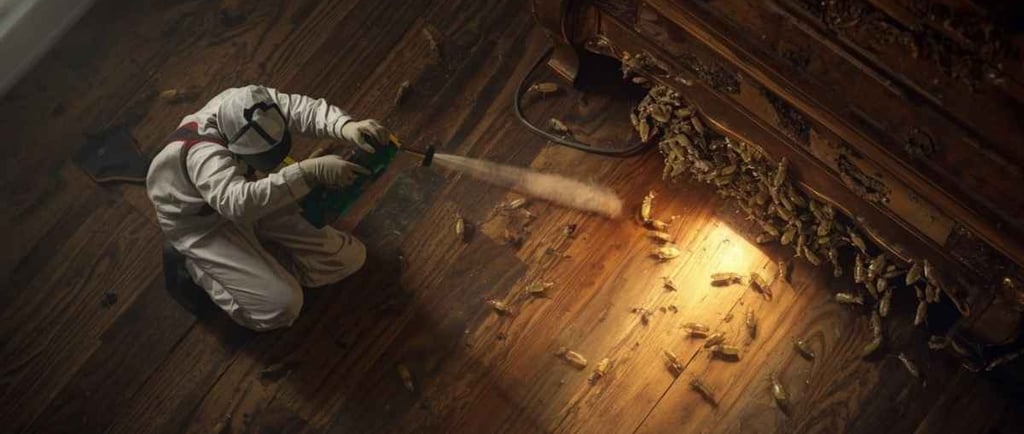
Introduction to Termites
Termites are social insects belonging to the order Blattodea, which they share with cockroaches. They are further classified into three primary groups: subterranean, drywood, and dampwood termites. These classifications highlight their varied habitats and behaviors. Subterranean termites, for instance, thrive underground, building extensive tunnel systems, while drywood termites nest within wood and dampwood termites prefer damp conditions, typically living within decaying wood. Their adaptations allow them to be highly successful in diverse environments.
Termites play a vital ecological role by breaking down cellulose found in dead and dying trees, thereby recycling nutrients back into the ecosystem. Despite this important function, their voracious appetite for wood can lead to substantial structural damage to buildings and other wooden structures when they invade human habitats. Understanding termite biology and behavior is essential for managing their impact and mitigating potential damages.
The lifecycle of a termite is fascinating and consists of several stages: egg, nymph, and adult. After the queen lays eggs, they hatch into nymphs that gradually develop into adults. Termites exhibit a caste system that includes reproductive individuals (queens and kings), workers, and soldiers. Each caste plays a specific role within the colony, from foraging and caring for the young to defending the nest against intruders. This social organization is crucial for colony survival and growth, as the tasks are distributed among the various castes.
Termite behavior is characterized by their ability to communicate through pheromones and vibrations, which facilitate coordination in foraging and nest building. This remarkable communication system allows colonies to work together efficiently, often resulting in extensive damage to wooden structures before homeowners are even aware of the infestation. Recognizing and understanding these behaviors is crucial in preventing and controlling termite infestations effectively.
The Biology of Termites
Termites are fascinating social insects belonging to the order Isoptera or Blattodea. Their anatomy is finely tuned for their role as decomposers in the ecosystem, primarily through their ability to digest cellulose found in wood and plant materials. An essential component of their physical structure includes their mandibles, which are strong, jaw-like appendages used for cutting and grinding wood. This ability is crucial for their survival, as it enables them to break down cellulose, a complex carbohydrate that many organisms cannot digest. The consumption of cellulose contributes significantly to nutrient recycling in ecosystems.
Termites also possess a sophisticated digestive system, which includes a specialized gut inhabited by symbiotic microorganisms such as bacteria and protozoa. These organisms help break down cellulose into simpler compounds, allowing termites to absorb nutrients efficiently. This symbiotic relationship is vital, as it underscores the interdependency between termites and their gut flora in nutrient acquisition.
In terms of their reproductive system, termites exhibit a distinct caste system that plays a critical role in their societal structure. The primary castes include workers, soldiers, and reproductive individuals, commonly known as the king and queen. Worker termites are responsible for foraging for food, caring for the young, and maintaining the nest. Soldier termites, characterized by their larger mandibles, defend the colony against threats. The reproductive caste is focused on the initiation of new colonies, contributing to the overall population growth and sustainability.
This hierarchical structure signifies the highly organized nature of termite colonies, which can comprise thousands to millions of individuals. Understanding the biology of termites, including their anatomy and social organization, provides vital insights into their behavior, ecological roles, and the potential threats they pose to wooden structures.
How Termites Cause Structural Damage
Termites are notorious pests responsible for significant structural damage to homes and buildings, primarily through their consumption of cellulose found in wood and other organic materials. Subterranean and drywood termites are the two most common species that threaten residential structures.
Subterranean termites, which live underground, create extensive networks of tunnels as they search for food sources. These tunnels often lead to wooden foundations, beams, and walls, where they begin the destructive process of hollowing out wood. Their ability to remain hidden poses a significant challenge for homeowners, as the initial signs of infestation are often unnoticed until substantial damage has occurred. Signs include mud tubes on exterior walls, discarded wings near entry points, and quiet clicking sounds emanating from wooden structures.
Conversely, drywood termites infest the wood within walls, furniture, and other structures without needing contact with the soil. Their presence is typically indicated by frass, which is a mixture of wood particles and feces that can accumulate beneath infested areas. The sheer volume of wood they can consume can compromise the structural integrity of a building, resulting in sagging ceilings, damaged floors, and even collapse in severe cases.
Leaving a termite infestation untreated exacerbates the extent of damage, leading to costly repairs and potential safety risks for homeowners and occupants. The longer termites remain, the more ineffective structural elements become, culminating in a serious risk of injury or property loss. Homeowners should be vigilant for signs of termite activity and seek professional treatment at the first indication of infestation to mitigate risks and protect their investments.
Strategies for Preventing Termite Infestations
Homeowners can implement various strategies to safeguard their properties against termite infestations, which can lead to significant structural damage if left unchecked. One of the primary measures involves careful landscaping. Keeping wood mulch and other organic materials away from the foundation of the home can minimize the attractiveness of these areas for termites. Additionally, homeowners should ensure that trees and shrubs are pruned back and do not come into direct contact with the building. This allows for better airflow and reduces humidity levels that are favorable for termites.
Another crucial strategy pertains to moisture control around the property. Termites thrive in damp environments, making it essential to address any sources of moisture. This can be achieved by regularly maintaining gutters and downspouts to direct water away from the foundation. Homeowners should also check for and repair any leaks in plumbing or roofing, as well as consider improving drainage systems to divert water away from the house.
The use of physical barriers can further enhance protection against termite infestations. During the construction or renovation of a home, installing metal mesh or concrete barriers can serve as effective deterrents. Additionally, it is vital to cover any soil in crawl spaces with plastic sheets to reduce moisture levels and prevent termite entry.
Regular inspections play a pivotal role in early detection of termite activity. Homeowners should schedule annual inspections with a pest control professional to identify potential threats before they escalate. This proactive approach, combined with effective preventive measures, significantly reduces the risk of infestations, ensuring the structural integrity and longevity of the home.
Overview of Professional Termite Control Services
When it comes to managing termite infestations, engaging professional termite control services offers numerous advantages compared to do-it-yourself (DIY) methods. Termites, often referred to as silent destroyers, can cause significant structural damage to properties. Therefore, the expertise of licensed pest control professionals is crucial for effective management and prevention strategies.
One of the main benefits of hiring experts is their comprehensive understanding of termite biology and behavior. Professional pest control technicians are trained to not only identify signs of termite activity but also to assess the extent of infestation and potential damage. They utilize advanced detection tools and techniques that a homeowner may not have access to, ensuring a thorough evaluation of the property.
Additionally, licensed professionals are equipped to tailor pest control treatments to specific needs. They can determine the most effective pesticides and treatment protocols based on the species of termites present and the structural characteristics of the home. This level of expertise minimizes risks associated with improper application of DIY treatments, which may lead to insufficient elimination and pose health hazards to inhabitants.
Moreover, professional services often include follow-up inspections and treatments. This ongoing support is essential for preventing future infestations, ensuring peace of mind for the property owner. Technicians employ integrated pest management techniques, which combine several methods for long-term prevention and control.
In conclusion, hiring professional termite control services is a prudent choice for homeowners facing potential termite threats. The expertise, specialized tools, and tailored approaches of licensed pest control professionals significantly enhance the effectiveness of termite management, safeguarding homes from structural damage and ensuring the safety of their inhabitants.
Pre-Construction and Post-Construction Termite Control Methods
Effective termite control is crucial in safeguarding structures against potential damage caused by these wood-destroying insects. Both pre-construction and post-construction methods play a significant role in termite management, ensuring the integrity of buildings over time.
Prior to construction, soil treatment is a commonly employed technique. This method involves the application of termiticides to the soil before the foundation is laid. By treating the soil, professionals create a chemical barrier that prevents termites from entering the structure. It is essential to select the appropriate termiticide, as different products target various species of termites, providing effective protection tailored to specific environments.
Barrier treatments are another pre-construction method that can be paired with soil treatment. This approach establishes a physical barrier, utilizing materials like concrete or steel mesh, around the foundation. These barriers can significantly reduce the likelihood of termite infestation by providing an added layer of defense against these pests. The combination of chemical and physical barriers enhances the overall protection of new constructions.
Post-construction termite control methods also play a vital role in protecting existing structures. Baiting systems are an effective strategy used after a building is completed. These systems involve the placement of bait stations in the vicinity of the property, attracting termites and subsequently delivering a slow-acting insecticide. This method not only eradicates the existing termite population but also continues to monitor and suppress future infestations.
In conclusion, implementing both pre-construction and post-construction termite control methods is essential for effective termite management. By utilizing soil treatments, barrier systems, and baiting techniques, property owners can significantly reduce the risk of termite damage, ensuring their structures remain safe and secure over time.
Conclusion and Call to Action
In summary, understanding termite biology, the structural damage they can cause, and the professional treatment methods available is essential for every homeowner. Termites are often referred to as silent destroyers, as they can inflict significant damage to properties without immediate detection. Their ability to feast on wood, paper, and other cellulose materials means that homes are particularly vulnerable if preventative measures are not taken.
The damage caused by termites can lead to costly repairs and may also compromise the integrity of the building itself. Therefore, knowledge of their behaviors and signs of infestation is paramount. Early detection can play a critical role in mitigating risk, ensuring that these pests do not cause irreversible harm to your home. Regular inspections, moisture control, and vigilant monitoring are vital components of an effective termite prevention strategy.
Moreover, engaging with professional pest control services can significantly enhance your defenses against termite infestations. These experts possess the necessary training and tools to implement treatment plans tailored to your specific circumstances. From baiting systems to liquid treatments, professional services can offer long-term solutions that not only address existing infestations but also help prevent future ones.
To ensure your home remains safe, it is crucial to take termite prevention seriously. We encourage all homeowners to consider scheduling an inspection and to explore available treatment options. Don’t wait until the damage has occurred—act now to protect your investments and maintain a safe living environment. Contact a local pest control professional today to safeguard your property against termites.
Address:
264/5, Kamal Soroni Road, Mirpur, Dhaka-1216
Contact
Your Quaries on pest control askings
pestexterminatorbd@gmail.com
+8801642008383 +8801988300003, 01723057746
© 2025. All rights reserved. to Urban Pest Control Pvt. Ltd. this site is powered by Our Own IT Team