
Termite Control in Dhaka – Protect Your Property from Termite Damage
3/13/20267 min read
What Are Termites?
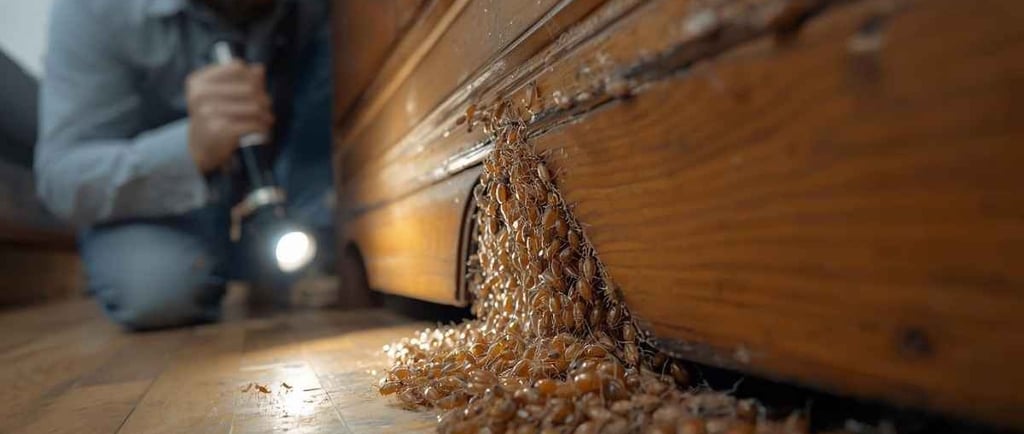
Termites belong to the order Blattodea, which also includes cockroaches. They are classified into three primary groups: dampwood, drywood, and subterranean termites, each exhibiting unique behaviors and habitats. Understanding termites is crucial for homeowners, considering the potential damage they can inflict on wooden structures and furniture.
One of the most distinctive features of termites is their social structure. They form complex colonies, which can consist of thousands to millions of individuals. The colony is typically organized into castes, including the queen, king, workers, and soldiers. The queen is essential for reproduction, while the workers are responsible for foraging for food, building and maintaining the nest, and caring for the young. Soldiers, on the other hand, protect the colony from predators.
Termites are primarily detritivores, feeding on cellulose found in dead plant material, making them significant decomposers in many ecosystems. Through this dietary habit, they play a crucial role in nutrient cycling by breaking down tough organic matter, enhancing soil health and promoting plant growth. Their presence in an ecosystem contributes to its overall biodiversity.
The life cycle of termites includes three stages: egg, nymph, and adult. After the eggs hatch, nymphs undergo several molts, gradually transforming into adults capable of reproduction. The process can take several months or years, depending on the species and environmental conditions.
In summary, termites are not only crucial for the health of ecosystems but also pose a significant risk to human structures. Therefore, recognizing the species and understanding their behavioral traits is essential for effective management and prevention of termite infestations in residential areas.
Signs of Termite Infestation
Identifying signs of a termite infestation early is crucial for preventing severe damage to your property. One of the most common indicators of termites is the presence of mud tubes. These tubes are usually found on foundation walls or in basements, serving as protective passageways for the termites as they travel between their nests and food sources. If you observe cylindrical tubes made of mud, it's essential to investigate further for other signs of termites.
Another prominent sign is the damage to wooden structures. Termites consume wood from inside out, often leaving only a thin layer of paint or wood veneer intact. This makes it difficult to notice damage unless you actively inspect wood materials. Knock on wooden surfaces; if they sound hollow, it is possible that termites have hollowed them out. Additionally, look for signs of a frass, which are wood-colored droppings that resemble sawdust. This can be found near damaged wood or in areas where termites are actively feeding.
Termites shed their wings during the swarming season, and discarded wings may be another indicator of their presence. These wings can often be found near windowsills or doors, where they enter homes to start new colonies. Pay attention to any unusual piles of wings as these can signal that there has been a swarm nearby.
Lastly, observe the moisture levels in your home. Termites are drawn to damp, decaying wood. If you notice that certain areas of your home seem unusually damp or have mold present, this could create an inviting environment for termites. Regular inspections of your home, particularly in areas prone to moisture, can help detect infestations early.
Damage Termites Cause to Buildings
Termites are notorious for causing significant damage to wooden structures and buildings, which can lead to serious long-term repercussions if not addressed promptly. These pests primarily feed on cellulose, a major component of wood, which positions them as a considerable threat to homes and other wooden edifices. When termites invade a property, they can inflict both aesthetic and structural damage that may go unnoticed for an extended period.
Aesthetic damage often manifests as visible signs of decay, such as paint bubbling, or the presence of mud tubes along the foundation. Homeowners may also observe a distinctive hollow sound when tapping on infested wood, indicating that the structural integrity is compromised. While these signs may initially appear superficial, failure to address the infestation can result in more severe issues.
On the structural side, termites can severely weaken the framework of a building. They typically target load-bearing beams, floor joists, and even the walls themselves. A study conducted by the National Pest Management Association indicates that roughly 600,000 homes in the United States experience termite damage each year, costing homeowners billions of dollars in repairs. Instances have been recorded where untreated infestations have led to partial collapses of floors or ceilings, rendering properties unsafe and, in some cases, uninhabitable.
One real-life example underscores the gravity of this situation: a homeowner in Florida discovered extensive damage to the support beams of their house, attributed to a delayed response to an initial infestation. The costs associated with repairing such damage frequently exceed the price of preventative measures, highlighting the importance of awareness and swift action.
In conclusion, the damage caused by termites to buildings can be both aesthetic and structural, emphasizing the necessity of early detection and treatment to preserve the integrity of a home. Regular inspections by professionals can help homeowners mitigate the risks associated with these pests.
Soil Treatment and Wood Treatment Methods
Termite control is a crucial aspect of property maintenance, particularly in regions prone to infestations. Two primary treatment methods for managing termite populations involve soil treatment and wood treatment. Each method offers distinct advantages and some drawbacks, making it important for homeowners to understand their options.
Soil treatments typically include liquid chemical barriers and baiting systems. Liquid chemical barriers are applied directly to the soil surrounding a structure, acting as a protective shield against subterranean termites. Commonly used chemicals include fipronil and imidacloprid, which disrupt the termite's nervous system. One major advantage of liquid barriers is their long-term efficacy, which can last several years. However, improper application can lead to gaps in protection, allowing termites to breach the barrier.
Alternatively, baiting systems involve strategically placing bait stations around the property. These stations contain a slow-acting insecticide that termites consume and bring back to their colony, thereby eliminating the source. While baiting systems can be less obtrusive and provide ongoing monitoring of termite activity, their effectiveness can vary depending on colony size and foraging behavior.
Wood treatments focus on protecting the structural integrity of the home from termite damage. This may involve the use of borate-based solutions, which penetrate wood and provide a protective coating against termites. Pressure-treated wood is another option, infused with chemical preservatives that deter infestation. While wood treatments are advantageous for new constructions or renovations, existing structures may require more extensive treatment to ensure efficacy.
In conclusion, understanding the various soil and wood treatment methods is essential for effective termite management. Each option carries its set of advantages and disadvantages, making it advisable for homeowners to consult with pest control professionals to tailor a treatment plan best suited to their specific circumstances.
Importance of Yearly Termite Inspection
Yearly termite inspections are a vital component of home maintenance that significantly contribute to the preservation of both property value and structural integrity. Termites are often elusive pests, with many species capable of causing severe damage before their presence is detected. Thus, engaging in regular inspections can play a crucial role in identifying infestations at an early stage, thereby minimizing potential damage and repair expenditures.
One of the primary benefits of annual termite inspections is the early detection of termite colonies, which can prevent an infestation from escalating to a more serious problem. Early intervention usually leads to easier and less costly treatment options, as well as reduced damage to the structure. Homeowners who opt for yearly inspections often discover that the cost of the inspection is nominal compared to the repair expenses that can accumulate due to extensive termite damage over time.
Another compelling reason for annual inspections is the peace of mind they provide. Knowing that a professional has adequately assessed the property for termites alleviates concerns about hidden infestations that could lead to significant destruction. Homeowners can feel more secure in the safety and sustainability of their living environment.
When selecting a qualified pest control professional for termite inspections, it is essential to consider various factors. Homeowners should seek companies that are licensed, certified, and have a strong reputation within the community. Reading reviews and seeking recommendations from neighbors can also aid in making an informed choice. Additionally, it is beneficial to choose a service that uses the latest techniques and technologies in termite detection, ensuring thorough evaluations and effective treatment recommendations.
Features of Effective Termite Control Strategies
Effective termite control strategies are essential for safeguarding properties from the destructive impact of these pests. A comprehensive termite management plan should exhibit several key features that ensure long-term success.
Firstly, the integration of treatment options is crucial. An effective termite control strategy often combines multiple methods, including chemical treatments, physical barriers, and baiting systems. This multi-faceted approach increases the chances of eradicating existing infestations while also preventing future occurrences. By using a combination of traditional and innovative solutions, property owners can create a more resilient defense against termites.
In addition, monitoring systems play a pivotal role in maintaining the integrity of termite control measures. Regular inspections and monitoring allow property owners to detect early signs of termite activity. This proactive approach helps to address potential infestations before they escalate into significant damage. Utilizing advanced technology, such as remote monitoring devices, can enhance the efficiency of these systems and provide real-time data on termite activity, enabling informed decisions regarding treatment interventions.
Another critical feature that should be included in a termite control strategy is an ongoing maintenance plan. Termite management is not a one-time effort, but rather a continuous process. By establishing a regular inspection schedule and maintenance routine, property owners can ensure their structures remain protected while adapting to any new threats. This is especially important in areas prone to termite infestations.
Lastly, using environmentally safe products is essential in any effective termite control strategy. Many modern treatment options focus on the development of eco-friendly solutions that not only protect properties but also minimize harm to non-target species and the environment. By prioritizing sustainable products, property owners can achieve effective pest control while adhering to environmental guidelines.
Pre and Post-Construction Termite Control
Effective termite control is critical both before and after the construction of a building. Implementing preventive measures during the construction phase can significantly reduce the likelihood of termite infestations in the future. A crucial strategy involves soil barrier treatments that create a protective barrier against termites. These treatments can be applied to the soil surrounding the foundation of the structure before it is built. Chemical termiticides, when properly installed, act as a deterrent, preventing termites from accessing the wooden components of the structure.
In addition to soil barriers, wood preservation services are essential during construction. Utilizing pressure-treated lumber or wood that has been treated with preservative chemicals can enhance the durability of wood against termite attacks. Ensuring that any exposed wood surfaces are treated with insect-repellent solutions during the building phase can further safeguard against potential infestations.
Once construction is complete, post-construction termite control becomes vital in maintaining the integrity of the building. Various methods are available, including the application of liquid termiticides to existing structures, which can target potential entry points for termites. Baiting systems can also be installed around the perimeter of the building, attracting and eliminating any termite colonies in the area. Monitoring these systems regularly ensures early detection and improved management of termite activity.
The importance of preventive measures in new constructions cannot be overstated. Establishing robust termite control strategies before construction begins is generally more effective and less costly than remedial treatments applied to already infested structures. By investing in comprehensive waterproofing and termite control solutions during the initial construction phase, property owners can enjoy lasting protection against termite damage.
Address:
264/5, Kamal Soroni Road, Mirpur, Dhaka-1216
Contact
Your Quaries on pest control askings
pestexterminatorbd@gmail.com
+8801642008383 +8801988300003, 01723057746
© 2025. All rights reserved. to Urban Pest Control Pvt. Ltd. this site is powered by Our Own IT Team