
Termite Control in Bangladesh: Protect Your Home Before It’s Too Late
3/19/20267 min read

Understanding Termites and Their Lifecycle
Termites are social insects that play a fundamental role in breaking down dead plant material, contributing to nutrient cycling in ecosystems. They thrive in warm, moist environments and are predominantly found within wood or soil. In Bangladesh, several species of termites can be encountered, including subterranean, drywood, and dampwood termites. Each species exhibits unique behaviors and preferences regarding their habitat, making it essential to identify the specific type of termite present in order to implement effective control measures.
Subterranean termites are the most common in Bangladesh, known for their extensive underground colonies and their tendency to damage wooden structures. Drywood termites, while less prevalent, can still pose a threat by infesting sound wood. Dampwood termites tend to inhabit damp or decayed wood and prefer environments with high humidity. Understanding these distinctions is critical for homeowners, as different species require different treatment approaches.
The lifecycle of termites consists of several stages: egg, nymph, and adult. When a queen lays eggs, they hatch into nymphs, which undergo multiple molts before reaching adulthood. This development can take several months to years, depending on environmental conditions and species type. As nymphs mature, they can differentiate into various castes: workers, soldiers, and reproductive adults. Workers are responsible for foraging and maintaining the nest, while soldiers protect the colony. The reproductive caste includes the king and queen, who are vital for colony expansion.
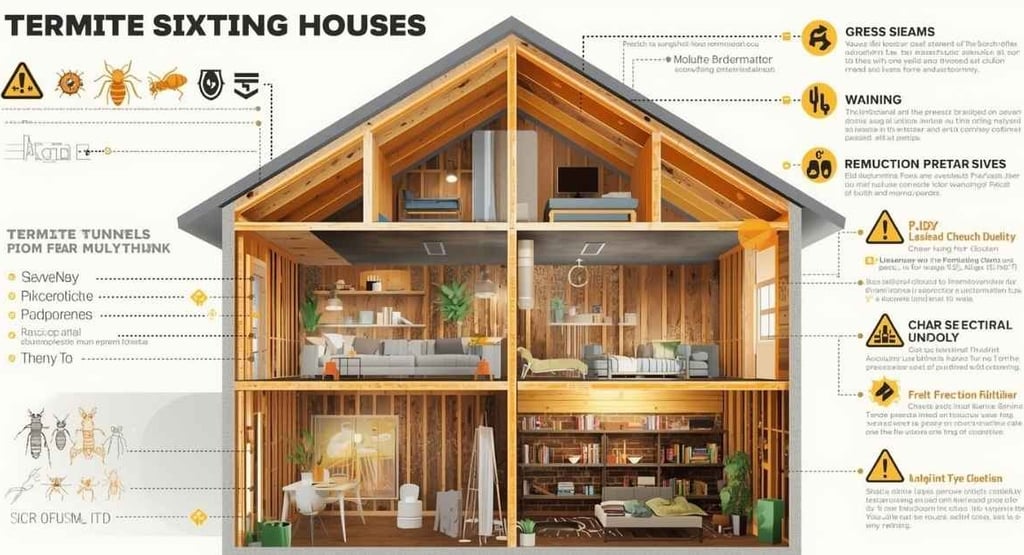
The attached infographic illustrates the termite lifecycle, emphasizing the various stages they endure from hatching to maturity. Understanding this lifecycle is crucial not only for identifying the presence of termites but also for applying timely and effective termite control strategies. Proactive measures can mitigate the risk of significant damage to homes.
The Threat of Wood-Destroying Insects
In Bangladesh, the threat posed by wood-destroying insects, particularly termites, is a significant concern for homeowners and property managers alike. Termites, known for their destructive feeding habits, are capable of causing extensive damage to wooden structures. It is estimated that these pests cause billions of taka in damages each year. The rapid reproduction and relentless foraging behavior of termites make them a formidable adversary when it comes to home preservation.
Statistics indicate that approximately one in four homes in Bangladesh may be infested with termites at any given time, leading to a growing awareness of the urgent need for effective termite control solutions. The Subterranean termite, which is common in the region, can consume an astonishing amount of wood daily, leading to severe structural damage if left untreated. This damage often escalates into serious structural issues, which can, in turn, lead to costly repairs that homeowners may find challenging to manage.
It is essential to understand that termites often go unnoticed until the damage becomes apparent. Signs of an infestation may be subtle and may include mud tubes, hollow-sounding wood, or the presence of discarded wings. Ignoring these warning signs can result in severe consequences, ranging from compromised structural integrity to the potential collapse of timber-framed buildings. Therefore, preventive measures and early detection practices are crucial to safeguard homes.
In summary, the threat of wood-destroying insects, particularly termites in Bangladesh, represents a critical issue that demands attention. The financial implications of termite damage can be staggering, reinforcing the importance of proactive termite management strategies to protect properties from these relentless pests.
Types of Termite Treatment Available
Termite infestations pose a significant threat to homes and structures, particularly in Bangladesh, where favorable weather conditions facilitate rapid termite activity. Homeowners need to be aware of the various treatments available to effectively combat these pests. Termite treatment options can broadly be categorized into two main approaches: chemical treatments and physical treatments.
Chemical treatments encompass a range of insecticides that are either applied to soil or directly onto affected wood. Commonly used chemicals include Termiticides, which create a barrier that prevents termites from entering the property. These products are often applied during the pre-construction phase to provide long-term protection. In contrast, existing structures may benefit from localized treatments where specific infested areas are targeted with chemical solutions.
Physical treatments, on the other hand, involve creating barriers that termites cannot penetrate. This includes installing metal shields and using specially designed materials during construction that deter termite activity. Additionally, the use of baiting systems is becoming increasingly popular; these systems contain attractants that lure termites into ingesting slow-acting toxic substances, ultimately leading to the elimination of the colony.
Detecting signs of termite infestation early is crucial. Homeowners should stay vigilant for indicators such as mud tubes, discarded wings, and hollow-sounding wood. Engaging a professional anti-termite service is essential, as they possess the expertise and tools to assess and treat infestations effectively. These services not only offer immediate solutions but also provide ongoing monitoring and preventive strategies to safeguard homes against future attacks.
In conclusion, understanding the various termite treatment options is vital for homeowners in Bangladesh. Whether opting for chemical or physical treatment, consulting with professionals ensures timely intervention, thereby protecting property investments from the destructive nature of termite infestations.
Soil Treatment vs Wood Treatment: What’s The Best Option?
When it comes to termite control, homeowners often find themselves faced with a critical decision: should they opt for soil treatment or wood treatment? Both methods serve the purpose of eradicating termites, yet they differ significantly in their application and effectiveness, warranting a thorough examination.
Soil treatment involves applying insecticides into the soil surrounding a building to create a barrier that prevents termites from entering. This approach is particularly beneficial for new constructions, as it allows for extensive treatment before the structure is completed. The primary advantage of soil treatment is its proactive nature; it not only eliminates existing termites but also wards off future infestations. However, one drawback is the potential environmental impact of chemical use, which raises concerns among eco-conscious homeowners.
On the other hand, wood treatment targets the wooden elements of a structure directly. This method includes the application of wood preservatives that contain insecticides and fungicides, effectively protecting the wood from termite damage. The main benefit of this technique lies in its ability to provide immediate protection to existing wood. Moreover, wood treatment is less intrusive and often requires less effort in terms of preparation compared to soil treatment. However, it does not create a barrier against termites that might try to penetrate from the soil.
For homeowners making a choice between these two methods, the type of structure and level of existing infestation should be the leading factors influencing their decision. For those with significant pre-existing infestations, wood treatment may provide immediate relief, while soil treatment could be more effective for new constructions or preventive measures. Ultimately, it is advisable to consult a termite control professional to assess the situation thoroughly and recommend the most suitable option based on individual circumstances.
Cost of Termite Damage: What You Need to Know
Termite infestations pose significant financial risks to homeowners, often leading to costs that escalate rapidly if left unaddressed. The structural damage caused by these pests can compromise the integrity of a building, resulting in extensive repair expenses. Repairing wood structures such as beams, floors, and walls impacted by termites can range from hundreds to thousands of dollars, depending on the severity of the infestation and the extent of the damage.
In addition to structural repairs, homeowners must also consider the costs of professional termite treatments. The price for termite control services can vary widely based on factors such as the size of the property, the type of termite, and the treatment method employed. On average, initial treatments can cost between $200 to $2,000, and ongoing monitoring may incur additional costs. It's crucial to engage with certified pest control specialists to adequately assess the situation and apply effective solutions.
Moreover, ignoring termite issues can result in long-term economic consequences. Prolonged infestations may lead to decreased property value, making it challenging to sell the home in the future. Potential buyers can be deterred by the presence of termites or past infestations, thereby limiting marketability. Additionally, untreated damage may require progressively more expensive repairs, exacerbating the financial strain on homeowners.
Understanding these costs motivates proactive measures against termite infestations. Timely inspections and engaging pest control services can ultimately save homeowners from the heightened expenses associated with significant termite damage. By addressing termite-related issues early on, homeowners can protect their investments and maintain the structural integrity of their homes.
Real-Life Scenarios: Before and After Termite Treatment
Termite infestations present a significant threat to residential properties in Bangladesh, and understanding the severe impact of these pests is essential for homeowners. One notable case involved a family living in Dhaka who discovered termites had infested the wooden beams of their home. Initially, the family noticed a few small holes and some peeling paint, which they dismissed. However, as time passed, they began to observe more extensive damage. The once solid wooden structures were deteriorating rapidly, jeopardizing the integrity of their home.
Following professional intervention, a comprehensive termite treatment was implemented. The process involved both topical and systemic treatments that targeted the colony directly. The transformation was notable; within a few weeks, the signs of infestation began to vanish, and the structural integrity of the house was restored. The once infested beams were replaced with treated wood, significantly reducing the risk of future infestations. This case illustrates not only the extent of the damage that termites can cause but also the efficacy of prompt and effective treatment strategies.
Another illustrative example occurred in Chittagong, where a multi-story residential building faced severe termite invasion. Initially, the residents reported mud tubes along the foundations and hollow-sounding walls, indicating significant internal damage. Property managers acted quickly, engaging pest control experts who conducted an extensive inspection. After applying a series of treatments, the residents reported a remarkable improvement in their living conditions. The building was fortified with preventative measures, ensuring long-term protection against any future termite threats.
These real-life scenarios serve as stark reminders of the urgency required in addressing termite issues. Effective termite control not only rescues properties from damage but also safeguards future investments, providing peace of mind to homeowners in Bangladesh.
Preventive Measures: Keeping Your Home Safe
To effectively safeguard your home against termite infestations in Bangladesh, homeowners must implement a variety of preventive measures. Regular inspections are crucial, as they allow for early detection of potential termite activity. It is advisable to conduct these inspections at least once a year, but in high-risk areas, more frequent evaluations may be necessary. Engaging a professional pest control expert can provide peace of mind and ensure comprehensive assessments of your property.
Maintaining the landscape around your home is another essential measure. Homeowners should ensure that soil is well-drained and that wood mulch is not in direct contact with the foundation of the home. Trees and shrubs should be trimmed back to avoid creating pathways for termites, and the presence of debris should be minimized. Furthermore, homeowners must ensure that wooden structures such as fences and decks are not in direct contact with the ground.
The use of termite-resistant materials during construction or renovation can also significantly reduce the risk of infestation. Materials like treated lumber or composite wood products that are less attractive to termites are advisable. If you plan to undertake any building projects, consulting with contractors experienced in termite-resistant construction can provide valuable insights.
Lastly, the importance of having a professional evaluation cannot be overstated. Expert assessments not only identify existing problems but also offer tailored strategies for prevention. Following a professional inspection, homeowners should be diligent in implementing any recommendations provided.
By following these preventive measures, such as regular inspections, proper landscaping, using termite-resistant building materials, and obtaining professional evaluations, homeowners in Bangladesh can significantly reduce the risk of termite infestations. Taking these proactive steps is critical for protecting your home before it’s too late.
Address:
264/5, Kamal Soroni Road, Mirpur, Dhaka-1216
Contact
Your Quaries on pest control askings
pestexterminatorbd@gmail.com
+8801642008383 +8801988300003, 01723057746
© 2025. All rights reserved. to Urban Pest Control Pvt. Ltd. this site is powered by Our Own IT Team