
Smart Homes Need Smart Pest Control – Modern Technology Used in Bangladesh
3/14/20267 min read
Understanding Smart Pest Control
Smart pest control represents a transformative approach to pest management that leverages advanced technology to improve traditional methods. As urban environments expand and human-animal interactions increase, the significance of effective pest control becomes more pronounced. The evolution from conventional techniques, such as chemical treatments and manual inspections, to technology-driven solutions marks a pivotal shift in how we address pest issues in our homes and workplaces.
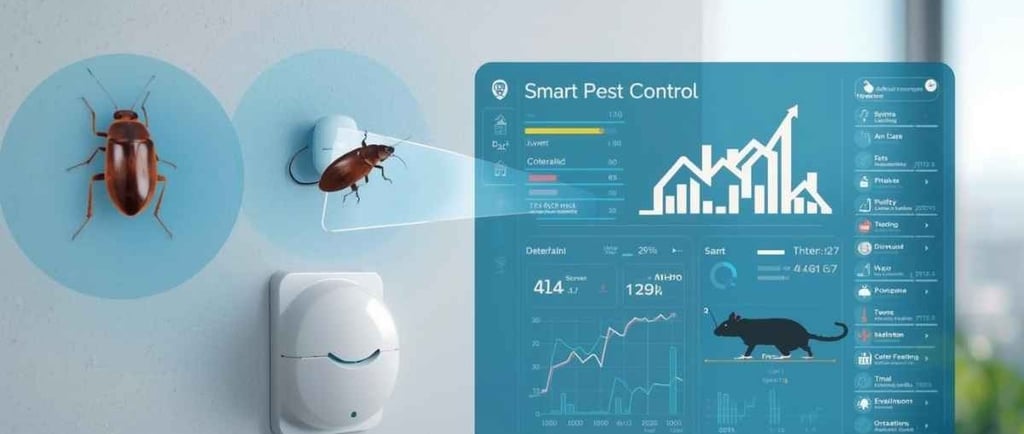
The adoption of smart pest control encompasses a variety of innovative tools and strategies, including the use of sensors, automated systems, and data analytics. These advancements facilitate real-time monitoring, allowing for prompt identification of pest presence and more targeted intervention strategies. By employing such technology, pest control experts can drastically enhance efficiency and responsiveness, ensuring that pest problems are addressed before they escalate.
Furthermore, the incorporation of smart solutions in pest management underscores a commitment to safety and sustainability. Traditional pest control methods often involve the extensive use of chemical pesticides, which can pose health risks to humans and pets, as well as harm the environment. In contrast, smart pest control emphasizes environmentally friendly practices, utilizing less harmful alternatives that minimize ecological impact while effectively managing pest populations.
Ultimately, smart pest control solutions cater to both residential and commercial sectors, offering scalable options that meet diverse needs. From homes employing IoT-enabled traps and monitoring systems to businesses employing advanced rodent detection technologies, the future of pest management is indeed smart. This forward-thinking approach not only strives to eliminate pests but also enhances overall quality of life and workplace safety.
Technology Used in Modern Pest Management
The landscape of pest management has undergone a significant transformation over the years, propelled by technological advancements that enhance efficacy and efficiency. Traditionally, pest control relied heavily on chemical pesticides and manual interventions, which, while effective, often posed risks to human health and the environment. Today, innovative technologies are revolutionizing how pests are managed.
Automation plays a pivotal role in modern pest control, simplifying processes that were previously cumbersome. For instance, automated traps equipped with sensors can detect the presence of pests and deploy appropriate responses without human intervention. This mechanization not only increases response times but also reduces the labor involved in traditional pest management practices.
Sensors and IoT (Internet of Things) devices further add to the effectiveness of pest management systems. These instruments monitor environmental conditions, which are critical for pest activity, and provide real-time data. Such comprehensive monitoring allows pest control professionals to assess infestation levels accurately, leading to better-targeted treatments and minimizing unnecessary pesticide use. Data analytics also plays a crucial role in modern pest management. By analyzing patterns and trends in pest behavior, professionals can predict infestations before they occur, enabling preventive measures rather than reactive ones.
Another exciting development in pest management technologies is the application of artificial intelligence (AI) and machine learning. These systems can process vast amounts of data, including climate factors and pest life cycles, to offer insights that can substantially enhance strategic planning and decision-making in pest control. The integration of these advanced technologies not only streamlines pest management processes but also elevates the overall outcomes and sustainability of practices within the pest control industry.
Ultrasonic Pest Repellers
Ultrasonic pest repellers have gained popularity as a smart pest control technology that aims to manage pest populations through non-toxic means. These devices operate by emitting high-frequency sound waves, typically above the range of human hearing, which are designed to deter pests such as rodents and insects. The premise is that these ultrasonic waves interfere with pests' communication, navigation, and general comfort levels, ultimately driving them away from the area.
The science behind ultrasonic pest repellers is based on the concept that many pests rely heavily on their senses, including auditory cues, to navigate their environments. The high-frequency sounds produced by these devices can create an uncomfortable atmosphere for pests, reducing their activity and encouraging them to relocate. Most commonly, these devices are marketed for use against common household pests like mice, rats, ants, and spiders.
Benefits of ultrasonic pest repellers include their ease of use and the absence of harmful chemicals, making them a more environmentally friendly option compared to traditional pest control methods. Additionally, they offer continuous protection without the need for regular maintenance or replacement as long as they remain functional. However, practical limitations exist; effectiveness can vary based on the type of pest, the frequency of the sound, and environmental factors such as walls and furniture that might absorb or block ultrasonic waves.
Moreover, some studies suggest that while these devices can reduce pest presence, they may not entirely eliminate them, particularly in cases of severe infestations. Their impact is more pronounced in open spaces, and may be less effective in cluttered or enclosed areas where sound may be absorbed. Despite these limitations, ultrasonic pest repellers continue to be a compelling option for individuals seeking a safer, more humane approach to pest management.
AI Pest Monitoring Systems
As the realm of pest control evolves, artificial intelligence (AI) emerges as a transformative force, particularly in pest monitoring systems. The advent of AI technologies, especially those employing machine learning algorithms, has fundamentally reshaped how pest behavior and infestations are understood and managed. By analyzing vast amounts of data, these advanced systems can identify patterns that may not be visible to the naked eye, thus offering insights into pest behaviors.
AI pest monitoring systems utilize data collected from various sources, including environmental sensors, cameras, and pest traps. This real-time data allows for continuous monitoring and enhances the accuracy of pest predictions. For instance, AI can efficiently determine optimal times for intervention based on historical data and current conditions, ultimately reducing reliance on chemical treatments. This predictive capability fosters a more proactive approach to pest management, shifting the focus from reactive responses to anticipatory actions.
One of the key advantages of integrating AI into pest monitoring is the ability to gather and analyze data at an unprecedented scale. Machine learning models can learn from past infestations to improve predictions about future pest activity. Furthermore, these systems can provide actionable recommendations, enabling pest control professionals to implement strategies at the right time, thereby minimizing damage and facilitating more sustainable practices.
The impact of AI extends beyond individual infestations; it enhances the overall efficiency of pest management programs. By utilizing these intelligent systems, businesses and homeowners can significantly reduce the risks associated with pest-related issues while promoting an eco-friendly approach to pest control. Therefore, AI pest monitoring systems not only represent a pivotal advancement in technology but also signify a shift towards a more informed and strategic future in pest management.
IoT Pest Sensors for Buildings
The advent of the Internet of Things (IoT) has revolutionized various sectors, and pest management is no exception. IoT pest sensors are now an integral part of modern pest control strategies employed in buildings. These innovative devices are designed to monitor environmental conditions that may attract pests, providing real-time data to property owners and managers. By analyzing factors such as temperature, humidity, and the presence of organic materials, these sensors can detect risk factors for infestations before they escalate into significant problems.
One of the key advantages of IoT pest sensors is their ability to send immediate alerts to users. For instance, if a sensor detects an increase in humidity in a specific area, it can notify building management to take remedial actions, such as increasing ventilation or repairing leaks. This proactive approach minimizes the likelihood of pests gaining a foothold, ultimately leading to reduced reliance on chemical treatments and more sustainable management practices.
The integration of IoT pest sensors with smart home systems further enhances their effectiveness. Users can connect these sensors to central smart home hubs, allowing them to manage pest control measures seamlessly alongside other home automation features. For example, when a sensor is triggered, it can activate other smart devices like air purifiers or dehumidifiers to create an environment that is less conducive to pest infestations. Furthermore, data collected from multiple sensors can provide valuable insights into pest movement patterns and behaviors, enabling targeted preventive measures.
In conclusion, the use of IoT pest sensors is a game-changer in building pest management. By facilitating real-time monitoring and fostering a proactive approach towards pest control, these technologies not only enhance the efficacy of pest prevention strategies but also contribute to a healthier living and working environment.
Benefits of Smart Pest Control in Apartments and Offices
The adoption of smart pest control technologies in both residential and commercial properties has introduced numerous benefits that make this approach a preferable choice compared to traditional pest management methods. One of the primary advantages is cost-effectiveness. By utilizing smart sensors and monitoring systems, property owners can detect pest issues early, thereby avoiding extensive infestations that often result in higher treatment costs. For example, an office complex that implemented a wireless pest monitoring system reported a 30% reduction in pest-related expenses due to timely interventions.
Health safety is another significant benefit associated with smart pest control. Traditional pest control methods frequently involve the use of harmful chemicals that can pose risks to human health and the environment. In contrast, many smart pest control solutions rely on non-toxic, environmentally friendly products and approaches, which align with contemporary health and safety standards. This is particularly crucial in densely populated apartments and offices, where the well-being of residents and employees should be prioritized.
Furthermore, smart pest control enhances operational efficiency by minimizing disruptions caused by pest-related issues. For instance, a retail establishment utilizing automated pest monitoring systems was able to maintain uninterrupted business operations, resulting in increased customer satisfaction and loyalty. The establishment found that pest activity decreased significantly due to consistent monitoring and swift action, establishing a healthy environment that favored business performance.
In summary, integrating smart pest control methods into apartments and offices leads to enhanced cost savings, improved health safety, and reduced disruptions—all of which contribute to a more efficient and sustainable pest management strategy. As smart technologies continue to evolve, their relevance in effective pest management will only grow, making them essential tools for property managers and owners alike.
Future Pest Control Technologies in Bangladesh
The future of pest control in Bangladesh is poised for significant advancements, driven by the unique challenges posed by its climate, infrastructure, and diverse pest types. As the agricultural sector remains a cornerstone of the Bangladeshi economy, innovative pest management technologies will be crucial in safeguarding crops and ensuring food security. Emerging trends suggest that integrated pest management systems, combining biological, cultural, and chemical methods, will gain traction, allowing for more sustainable practices.
One promising avenue is the use of remote sensing technology and data analytics. By employing drones and satellite imagery, farmers can identify pest infestations early on, allowing for timely intervention. This technology not only enhances the precision of pest control but also reduces the use of harmful pesticides, contributing to environmental sustainability. Moreover, the rise of IoT (Internet of Things) applications can facilitate real-time monitoring of pest populations, providing farmers with actionable insights tailored to specific conditions.
Local challenges, such as limited infrastructure and access to modern technology, must be addressed to foster this innovation. Government initiatives, in partnership with local universities and tech companies, could create a supportive ecosystem for pest control advancements. Educational programs aimed at farmers will be vital to ensure they are well-informed about new methods and technologies. Furthermore, collaboration between public and private sectors can lead to the development of localized pest control solutions that cater to the distinctive agricultural landscape of Bangladesh.
Community involvement will also play a pivotal role in the successful adaptation of these technologies. By embracing a participatory approach, rural populations can contribute valuable insights into pest behavior, enabling researchers and innovators to develop more effective pest management strategies. In conclusion, the future of pest control in Bangladesh rests on the integration of technology and local knowledge, propelled by collaboration among government, businesses, and communities.
Address:
264/5, Kamal Soroni Road, Mirpur, Dhaka-1216
Contact
Your Quaries on pest control askings
pestexterminatorbd@gmail.com
+8801642008383 +8801988300003, 01723057746
© 2025. All rights reserved. to Urban Pest Control Pvt. Ltd. this site is powered by Our Own IT Team