
Smart & Eco-Friendly Air Purifiers in Bangladesh | Future of Clean Air
3/18/20267 min read
Introduction to Smart Air Purifiers
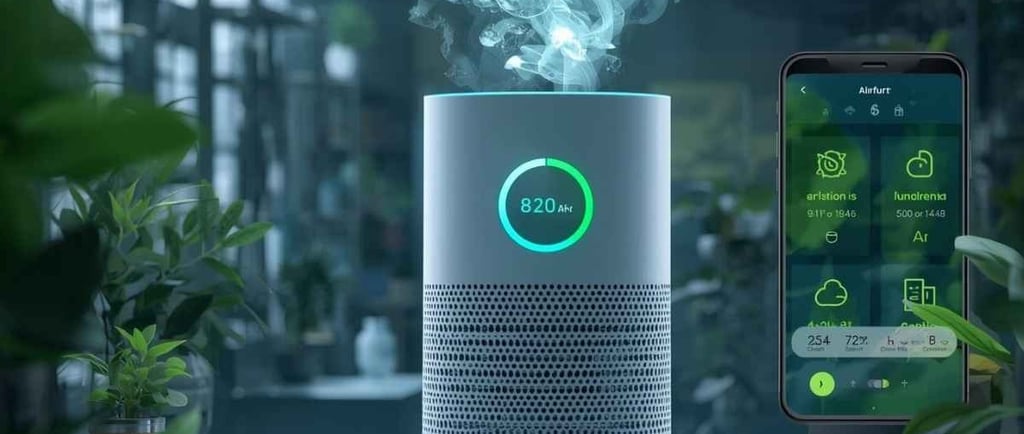
In recent years, the demand for smart air purifiers has surged, especially in urban areas of Bangladesh where air quality has significantly deteriorated due to pollution. Smart air purifiers integrate advanced technology with conventional air purification systems to improve indoor air quality more intelligently and efficiently. Unlike traditional air purifiers that merely filter particles from the air, smart air purifiers are equipped with features that allow them to monitor air quality in real-time, optimizing their performance based on detected pollutant levels.
One of the defining characteristics of smart air purifiers is their ability to connect to the internet, enabling users to control and monitor air quality through smartphone applications. This connectivity allows for remote operations, scheduling, and even receiving alerts regarding air quality changes. Additionally, many models come equipped with sensors that detect various air pollutants, including particulate matter, volatile organic compounds, and allergens.
The benefits of incorporating smart technology into air purification systems extend beyond mere convenience. These devices often feature multiple filtration stages, including HEPA filters and activated carbon filters, which together enhance their ability to eliminate harmful particles. Furthermore, the integration of smart functionalities facilitates energy efficiency, as these systems can adjust their operation based on the specific air quality needs of a space, ultimately leading to reduced energy consumption.
As urbanization continues to grow in Bangladesh, and as awareness surrounding air pollution increases, the need for effective air purification solutions has become more pressing. Residents in cities are particularly vulnerable to health issues exacerbated by polluted air, thus making air purifiers a necessary investment. With innovative technology leading the way, smart air purifiers represent a promising solution to combat the challenges posed by air pollution, enhancing indoor air quality while promoting a healthier living environment.
The Internet of Things (IoT) in Air Purification
The integration of the Internet of Things (IoT) in air purification systems marks a revolutionary development in how we manage indoor air quality. With IoT technology, air purifiers have evolved from simple appliances into advanced smart devices. These innovative systems not only purify air but also connect to smartphones, allowing users to monitor and control their purification settings remotely. This connectivity provides convenience, empowering users to manage air quality even when they are away from home.
Equipped with sensors that detect contaminants, smart air purifiers offer real-time air quality monitoring. Users can receive notifications and alerts about pollutant levels in their environment, enabling them to respond promptly. This feature ensures that households maintain optimal air quality levels, especially important in areas with high pollution, such as urban centers in Bangladesh. Continuous monitoring allows individuals to adjust settings based on real-time data, ensuring efficiency in energy consumption while maintaining clean air.
Another significant advantage of IoT-enabled air purifiers is automated settings. These systems can be programmed to adjust purification levels according to varying conditions, thereby optimizing performance. For instance, when high levels of pollutants are detected, the purifier can automatically switch to a higher fan speed, ensuring quicker air filtration. Such advancements make the air purification process simpler and more effective, contributing to a healthier living environment.
In sum, the IoT technology embedded in air purifiers not only simplifies the management of indoor air quality but also enhances efficiency and user experience. As smart home technologies continue to advance, integrating air purification with IoT will likely become a standard feature, thereby setting a new benchmark in clean air solutions.
Eco-Friendly Features of Modern Air Purifiers
The recent advancements in technology have enabled the development of modern air purifiers that are designed with eco-friendliness in mind. These devices not only serve the purpose of ensuring a cleaner indoor atmosphere, but they also contribute significantly to environmental sustainability. One of the primary features of contemporary air purifiers is their energy efficiency. Many models are engineered to consume minimal power while still maintaining optimal performance, thereby reducing the carbon footprint associated with energy use.
In addition to energy conservation, there is a noticeable trend towards using sustainable materials in the construction of air purifiers. Manufacturers are increasingly opting for recyclable and biodegradable materials, thus minimizing waste and mitigating environmental impact. This shift not only promotes a cleaner environment but also reflects a broader commitment within the manufacturing sector to adopt sustainable practices.
Another essential aspect of eco-friendly air purifiers is their low chemical emissions. Traditional air purifiers often release volatile organic compounds (VOCs) and other pollutants, which can compromise indoor air quality. In contrast, modern models typically incorporate advanced filtration technologies that effectively reduce harmful emissions while operating. High-efficiency particulate air (HEPA) filters, combined with activated carbon filters, play significant roles in capturing allergens, dust, and chemical particles without polluting the air further.
Furthermore, eco-friendly air purifiers contribute to healthier indoor environments by significantly improving air quality. By decreasing airborne irritants and allergens, these devices not only foster better respiratory health but also create a more comfortable living space. With the emergence of smart technologies, users can now monitor air quality levels in real time and make informed decisions about their indoor environments.
Low Power Consumption Air Purifiers in Bangladesh
As the demand for cleaner air rises, particularly in areas like Bangladesh where pollution levels can be significant, the choice of air purifiers becomes crucial. One of the most important factors to consider when purchasing an air purifier is its power consumption. Low power consumption air purifiers are increasingly seen as essential in the Bangladeshi market, where rising energy costs can strain household budgets. The shift towards energy-efficient models not only helps in reducing electricity bills but also promotes sustainable practices among consumers.
Several brands have recognized this need and offer air purifiers that focus on low power consumption while maintaining high performance. For example, the Xiaomi Mi Air Purifier 3H is designed with this efficiency in mind, featuring a powerful filtration system that can effectively remove pollutants without drawing excessive energy. Operating at just 38 watts, this model is ideal for extended use, enabling households to enjoy clean air without incurring hefty energy expenses.
Another noteworthy option is the Philips Series 1000 air purifier, which is engineered to efficiently manage power usage while efficiently purifying the air. With a maximum power consumption of around 35 watts, it offers suitable air quality improvements without a significant impact on electricity bills. Additionally, the Honeywell Air Touch A5 demonstrates similar efficiency, providing advanced filtration technology, all while keeping energy usage low. These models exemplify the balance between effective air purification and energy conservation.
Adopting low power consumption air purifiers in Bangladesh underscores the importance of accessibility to clean air solutions that do not contribute to high energy demands. As consumers become increasingly aware of environmental impacts, this segment of energy-efficient air purifiers is set to gain popularity, promising not only a healthier home environment but also a more sustainable choice for the future.
Evaluating the Best Smart and Eco-Friendly Air Purifiers Available in Bangladesh
In the quest for cleaner air, smart and eco-friendly air purifiers have gained significant traction among consumers in Bangladesh. When evaluating air purifiers, it is essential to consider several factors, including features, pricing, reviews, and customer feedback. This analysis aims to provide a comprehensive overview to aid potential buyers in making informed choices tailored to their specific needs.
Starting with features, many of the top air purifiers incorporate advanced technology, such as HEPA filters that capture microscopic particles, activated carbon filters for odors, and smart capabilities like Wi-Fi connectivity. For instance, the Xiaomi Mi Air Purifier 3H is renowned for its high CADR (Clean Air Delivery Rate), which ensures effective purifying in medium to large rooms, coupled with smart controls via a mobile app.
Pricing is a crucial aspect for many consumers. Eco-friendly models can often be more expensive due to their energy-efficient designs and superior filtering capabilities. For example, the Philips AC1215/20 air purifier is competitively priced while offering robust performance. It features a three-step filtration system that removes up to 99.97% of allergens and pollutants.
Customer feedback plays a vital role in selecting a suitable air purifier. Products like the Coway Airmega 200 have received positive reviews for their quiet operation and efficiency, while the Dyson Pure Cool Link has been praised for its innovative design and dual functionality as a fan. Assessing online reviews provides insights into real-world performance and user satisfaction.
In conclusion, evaluating the best smart and eco-friendly air purifiers in Bangladesh involves considering essential features, pricing, and customer feedback. By analyzing these criteria, consumers can identify models that align with their personal preferences and budget, ultimately contributing to a cleaner indoor environment.
User Experiences and Testimonials
The rise of smart and eco-friendly air purifiers in Bangladesh has prompted many households to adopt these innovative devices as a part of their daily lives. Users have reported notable improvements in air quality, which have positively affected their overall health and well-being. Numerous testimonials highlight improvements in respiratory conditions, reduced allergy symptoms, and enhanced sleep quality since integrating these air purifiers into their environments.
One user, a mother from Dhaka, stated that she noticed her children's asthma symptoms decreased significantly after using a smart air purifier for just a few weeks. "The real-time monitoring feature helps me stay informed about the air quality, and the automatic adjustments ensure that the home remains a safe environment for my family," she explained. Users appreciate the ability of these devices to provide valuable insights into their indoor air quality, allowing them to take proactive measures to ensure a healthier living space.
However, there are challenges associated with the transition to smart appliances. Some users reported difficulties in understanding the various settings and features of their air purifiers initially. Users advised potential buyers to familiarize themselves with the user manuals or seek online resources for effectively utilizing these advanced functions. Additionally, the cost of eco-friendly options can be a concern for families on a budget, leading to a discussion about the long-term health benefits versus initial investment.
Overall, the consensus among users is that the benefits of smart, eco-friendly air purifiers outweigh the challenges faced. As testimonials continue to emerge, it is clear that these air purifiers are not only improving air quality in Bangladesh but also enriching the lives of those who invest in them.
Conclusion and Future Perspectives
The significance of smart and eco-friendly air purifiers in Bangladesh cannot be overstated, especially in light of the escalating challenges posed by air pollution. As urbanization progresses and industrial activities intensify, the quality of air declines, leading to grave health implications for the populace. Adopting smart air purifiers serves not only as a personal health safeguard but also contributes to a more sustainable environment.
Looking ahead, the landscape of air purification technology is poised for remarkable advancements. Innovations such as enhanced filtration systems, energy-efficient designs, and integration with smart home technologies are expected to set new standards in air purification. Future devices may employ artificial intelligence to monitor air quality in real-time, adjusting filtration speeds and modes accordingly to ensure optimal performance. Moreover, eco-friendly materials are likely to become a prominent feature, aligning with growing consumer preferences for sustainable products.
As we continue to confront air quality challenges, it is imperative that individuals and communities recognize the importance of investing in advanced air purifiers. These devices not only address immediate health concerns by removing contaminants from indoor air but also signify a proactive approach to environmental sustainability. By making informed choices and prioritizing smart technology, consumers can play a vital role in fostering healthier living environments.
In conclusion, the transition towards smart and eco-friendly air purifiers marks a critical step in combating air pollution in Bangladesh. By embracing these innovative solutions, individuals will contribute to improved health outcomes while promoting a greener planet for future generations.
Address:
264/5, Kamal Soroni Road, Mirpur, Dhaka-1216
Contact
Your Quaries on pest control askings
pestexterminatorbd@gmail.com
+8801642008383 +8801988300003, 01723057746
© 2025. All rights reserved. to Urban Pest Control Pvt. Ltd. this site is powered by Our Own IT Team