
Seasonal Pest Control Guide in Bangladesh: What to Do in Summer, Rainy & Winter
3/19/20267 min read
Introduction to Seasonal Pest Control in Bangladesh
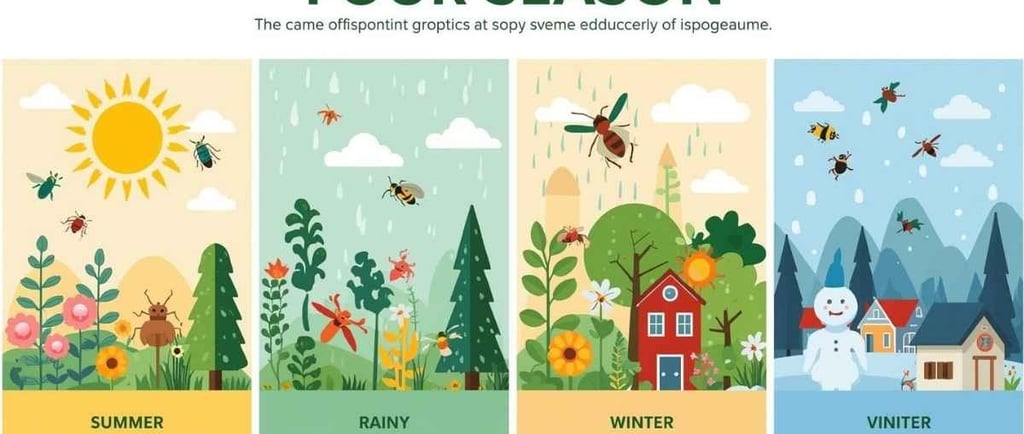
In Bangladesh, the climate changes dramatically with each season, impacting not only daily life but also pest activity significantly. Understanding the correlation between seasonal changes and pest behavior is crucial for effective pest management. Each of the three primary seasons—summer, rainy, and winter—introduces distinct challenges and pest populations that require tailored strategies for control.
During the summer months, which can be characterized by high humidity and temperatures, various pests such as mosquitoes, flies, and cockroaches become more active. These conditions provide an ideal breeding ground for many insects, elevating the need for thorough monitoring and preventive measures. Homeowners should take steps to minimize standing water, close entry points, and maintain clean surroundings to deter these pests.
The rainy season further complicates pest control as stagnant water forms, allowing mosquito populations to surge. Additionally, humidity during this period can lead to an increase in mold and other pests like termites and rodents, which are drawn to damp conditions. This emphasizes the importance of periodic inspections and immediate actions to address areas of concern, such as leaky roofs and clogged drains.
In contrast, winter brings cooler temperatures which typically reduce insect populations, but certain pests, including rodents, may seek shelter indoors. Therefore, it's important to implement pest control measures to prevent infestations during the colder months. Each season thus presents unique pest-related challenges that necessitate adaptive strategies aimed at mitigating infestation risks.
Overall, understanding the seasonal dynamics of pest activity is fundamental for Bangladeshi households and industries alike, enabling the development of effective pest control strategies that promote health and safety throughout the year.
Summer Pest Problems and Control Strategies
During the summer months in Bangladesh, the warm and humid climate creates an ideal environment for various pests, notably mosquitoes, flies, and ants. Understanding their behaviors and the methods for managing them is crucial for maintaining comfort and health during this season.
Mosquitoes are, perhaps, the most notorious summer pests, known for their irritating bites and role in spreading diseases such as dengue and malaria. Identification is straightforward; any small flying insect around stagnant water is likely a mosquito. Effective control strategies include eliminating standing water, as this is where they breed, and employing mosquito repellents on exposed skin. Installing window screens can also keep these pests at bay, enhancing indoor comfort.
Flies present another significant challenge during summer. Houseflies and fruit flies are commonly found in residences and can be identified by their rapid flying patterns and attraction to food sources. To manage flies effectively, it is essential to maintain cleanliness, especially in kitchens and dining areas, ensuring that food is covered and waste is disposed of promptly. Using fly traps and screens can also reduce their presence indoors.
Ants, particularly in search of food, become a persistent issue in homes during the summer. They can usually be identified by their trails leading to food sources. To control ants, it is advisable to seal entry points, clean surfaces to remove food residues, and utilize ant baits that attract and eliminate the colonies. Regular monitoring for signs of ant activity can help in early detection and prevent infestations.
By adopting these identification techniques and implementing effective control strategies, households in Bangladesh can mitigate the impact of summer pests. These preventive measures will lead to a more comfortable living environment during the warm months.
Rainy Season Pest Challenges in Dhaka
The rainy season in Dhaka brings a multitude of pest challenges that homeowners must contend with. One of the most significant issues is the rapid increase in mosquito populations. Standing water from rain can serve as ideal breeding grounds for mosquitoes, leading to a spike in their numbers. This increase not only causes discomfort but also raises health concerns due to the transmission of diseases such as dengue fever and malaria. It is crucial to address these issues promptly to protect both health and comfort.
Another common pest during the rainy season is the termite. The combination of moisture and wood materials in homes creates an inviting environment for these wood-destroying insects. Termites can go unnoticed for extended periods, causing extensive damage before signs appear. Therefore, it is important to regularly inspect wooden structures and implement preventive measures, such as maintaining proper drainage around the home to minimize moisture accumulation.
Cockroaches, too, thrive during this season. Humidity levels provide an ideal breeding environment, leading to their increased visibility. These pests are not only a nuisance but also pose risks to health, as they can spread various allergens and pathogens. To combat the cockroach population, it is advisable to maintain cleanliness within the home, sealing cracks and crevices that could serve as entry points.
Effective strategies to manage these rainy season pests include utilizing insect repellents for mosquitoes and setting traps for cockroaches. For termites, professional inspection and treatment are often necessary. Ensuring proper drainage and reducing debris around the home can help mitigate these pest challenges during the rainy season.
Winter Pest Issues in Bangladesh
As temperatures drop during the winter months in Bangladesh, certain pests become more prevalent, seeking warmth and shelter within human dwellings. Among the most common winter pests are rodents, particularly rats and mice, and bed bugs. These pests not only cause discomfort but also pose health risks and potential damage to property.
Rodents tend to invade homes during winter to escape the cold. They are skilled at entering through small openings, making it critical to inspect buildings for gaps or cracks. Signs of a rodent infestation include droppings, gnawed items, and scratching noises, particularly at night. If left unchecked, rodents can cause significant damage by chewing through electrical wires, leading to fire hazards, and contaminating food supplies with their droppings and urine.
Bed bugs, although not as conspicuous, also thrive during winter when households turn on heating systems. These pests can easily hitch a ride on clothing or luggage and rapidly infest beds and furniture. Signs of a bed bug infestation include reddish-brown spots on bedding, small blood stains, and the presence of tiny, brownish insects. Their bites can cause itching and allergic reactions, significantly affecting sleep quality.
Effective control measures for these winter pest issues include thorough cleaning and proper sealing of entry points to prevent rodent access. Setting traps and using bait can help reduce rodent populations. For bed bugs, it is crucial to wash bedding regularly in hot water, vacuum frequently, and consider professional extermination if necessary. By understanding these common winter pests and implementing appropriate control strategies, households in Bangladesh can minimize their impact during the colder months.
Season-Wise Pest List
Understanding the seasonal variations in pest activity is crucial for effective pest control in Bangladesh. This section provides a detailed list of pests commonly found during each season, alongside links that guide to their specific control methods.
Summer Pests: The summer months often see an increase in insect populations due to the warm temperatures. Notable pests include:
- Aphids: Small, sap-sucking insects that affect various plants. Control methods include introducing natural predators like ladybugs and using insecticidal soaps.
- Termites: Often more active during warm weather; they can cause significant damage to wooden structures. Baiting systems and liquid termiticides are effective control strategies.
- Houseflies: Common in households; they breed rapidly in warm conditions. Traps and sanitation measures are essential for controlling their population.
Rainy Season Pests: The rainy season provides an ideal breeding environment for various pests:
- Mosquitoes: Breeding in stagnant water, these pests can transmit diseases. Eliminating standing water and using repellents are effective prevention strategies.
- Rodents: Seeking shelter due to flooding, these pests can enter homes. Trapping and sealing entry points are recommended controls.
- Termite Swarmers: With moisture being ideal for swarmers, controlling adult populations is crucial during this period.
Winter Pests: During winter, pest activity generally declines, but some species may still pose challenges:
- Ants: Certain species may invade homes in search of warmth. Baits and exclusion practices are advisable.
- Bedbugs: These pests can thrive indoors during cold months. Regular inspections and treatments can help manage infestations.
- Spiders: Often seen indoors; they can be managed through vacuuming and sealing cracks.
This comprehensive list serves as a quick reference guide for identifying seasonal pests in Bangladesh, helping homeowners effectively mitigate and manage pest issues throughout the year.
Preventive Strategies for Year-Round Pest Management
Effective pest control requires a proactive approach, emphasizing the significance of preventive strategies throughout the year. Early intervention is crucial in minimizing pest infestations, as it allows for timely identification and remediation of potential problems before they escalate. Homeowners should conduct regular inspections of their properties to identify signs of pest activity, such as droppings, nesting materials, and damage to structures. By remaining vigilant, individuals can act swiftly, applying appropriate measures to eliminate pests effectively.
Sanitation plays an equally vital role in maintaining a pest-free environment. It is essential to keep living spaces clean and clutter-free to discourage pest attraction. Regularly disposing of food waste, vacuuming, and eliminating standing water can significantly reduce the likelihood of infestations. Ensuring that garbage cans are sealed tightly and that outdoor debris is cleared away are simple yet effective practices to minimize pest habitats.
Another vital preventive strategy is to secure the home against pests. This involves sealing cracks and crevices around windows, doors, and foundations to deny pests a way in. Installing screens on windows and doors can also help keep unwanted insects outside, while a well-maintained yard reduces access points for pests. Additionally, consider employing landscaping techniques such as keeping plants trimmed and placing mulch away from building foundations.
Furthermore, engaging professional pest control services for routine inspections and treatments can bolster your preventative efforts. These experts utilize integrated pest management techniques, combining biological, physical, and chemical strategies tailored to specific pest issues while ensuring minimal environmental impact. By implementing these preventive strategies, homeowners can significantly enhance their pest management efforts, creating a healthier and more comfortable living environment year-round.
Monthly Maintenance Plan and Yearly Service Recommendations
Effective pest control necessitates a proactive approach, particularly in a tropical climate like that of Bangladesh, where seasonal changes influence pest prevalence significantly. Establishing a monthly maintenance plan can empower homeowners and businesses to combat pest infestations efficiently. The goal is to ensure that preventive measures are taken consistently, allowing individuals to manage pests before they become a significant issue.
In the summer months, which generally extend from March to June, it is prudent to conduct thorough inspections for common pests such as mosquitoes, ants, and cockroaches. Implementing measures like maintaining proper sanitation, sealing entry points, and applying targeted insecticides can dramatically reduce pest populations. Monthly inspections during these hot months not only help in identifying active infestations early but also in addressing conducive conditions to prevent future issues.
As the rainy season approaches, typically from June to September, it is crucial to adapt the pest control strategy. Increased moisture prompts an uptick in the activities of pests such as termites and rodents. Therefore, debris removal, proper drainage maintenance around properties, and regular inspections should be prioritized. This period might also warrant more frequent treatments, ensuring that any new pest threats arising from increased humidity are mitigated in a timely manner.
During the winter season, from October to February, pest activity tends to fluctuate, revealing hibernating behaviors among many species. Although pests may seem less active, it is still essential to engage in a routine check-up. Professional pest control services can offer tailored recommendations during this period, focusing on preventative treatments that consider the dormant stage of pests. Implementing a yearly service contract ensures that properties remain pest-free, utilizing seasonal insights for timely interventions to protect from potential infestations.
Address:
264/5, Kamal Soroni Road, Mirpur, Dhaka-1216
Contact
Your Quaries on pest control askings
pestexterminatorbd@gmail.com
+8801642008383 +8801988300003, 01723057746
© 2025. All rights reserved. to Urban Pest Control Pvt. Ltd. this site is powered by Our Own IT Team