
Professional Pest Control Services in Singapore: Protect Your Home from Termites and Mosquitoes
3/11/20268 min read
Understanding Tropical Pest Species in Singapore
Singapore's tropical climate, characterized by high humidity and warm temperatures, creates an ideal environment for various pest species. Notable among these are ants, cockroaches, rats, mosquitoes, and termites, each exhibiting specific characteristics and behaviors that enable them to thrive in urban settings.
Ants are one of the most common pests found in residences and commercial properties in Singapore. They are social insects that establish colonies, often foraging for food and water, making them a frequent nuisance. Certain species, such as the sugar ant, are attracted to food residues, while others may invade structures to create nests, leading to potential property damage.
Cockroaches are another prevalent pest that flourishes in the warm, humid climate. With their ability to reproduce rapidly, they can quickly become a significant infestation problem. Species like the German cockroach are notorious for being found in kitchens and bathrooms, where they can contaminate food and surfaces, posing health risks.
Rats, specifically the brown rat and roof rat, also pose a substantial challenge in Singapore. They are known carriers of numerous diseases, making their presence concerning from a public health perspective. These rodents often invade homes and businesses in search of food, water, and shelter, prompting the need for effective pest control measures.
Mosquitoes are a considerable pest issue as well, as they are vectors for diseases like dengue fever and Zika virus. The humid atmosphere and standing water provide ideal breeding grounds, necessitating ongoing surveillance and control efforts to reduce their population.
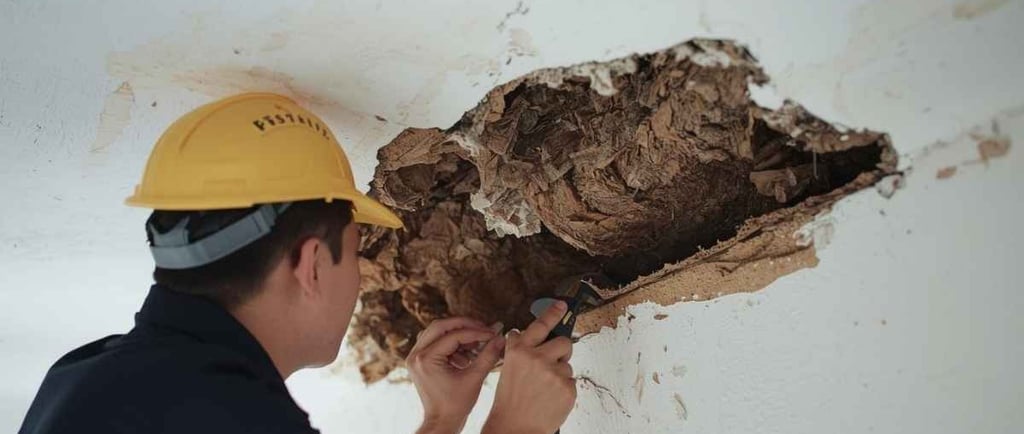
Finally, termites represent a severe threat to wooden structures, causing extensive damage if left unchecked. The subterranean and drywood termite species are common in Singapore, with their destructive feeding habits leading to significant financial losses for property owners. Understanding these tropical pest species is vital for effective pest management strategies in Singapore.
Dengue Mosquito Control Strategies
Dengue fever presents a significant public health challenge in tropical regions, particularly in Singapore, where the Aedes aegypti and Aedes albopictus mosquitoes thrive. Successful control strategies are essential to mitigate the risks associated with dengue transmission. The first line of defense involves vigilant public awareness campaigns aimed at educating residents about mosquito breeding sites, which include stagnant water in containers, clogged drains, and even small puddles. Homeowners are encouraged to eliminate standing water in their vicinity to discourage mosquito reproduction.
In addition to individual efforts, community initiatives play a crucial role in combatting dengue-carrying mosquitoes. Local authorities in Singapore often organize clean-up drives and outreach programs to engage residents in proactive measures. These events can provide opportunities for community members to collaborate in identifying and removing potential mosquito breeding areas in their neighborhoods.
In terms of pest control methodologies, numerous strategies can be employed effectively to reduce mosquito populations. Biological control methods, utilizing natural predators such as guppy fish that consume mosquito larvae, offer an eco-friendly option. Additionally, the use of larvicides and outdoor insect repellent products can assist in controlling mosquito populations when applied correctly and safely.
Advanced technologies, including insect traps and fogging, are implemented at a larger scale to manage mosquito outbreaks. These measures are often most effective when combined with community-wide initiatives and ongoing monitoring of mosquito populations. Encouraging participation in integrated pest management programs can further enhance these efforts, ensuring residents remain informed and actively engaged in the shared responsibility of dengue control.
Comprehensive Termite Inspection Services
Termites are among the most destructive pests, capable of causing significant damage to properties without immediate detection. The importance of termite inspections cannot be overstated, particularly in tropical regions like Singapore, where the warm and humid climate provides an ideal environment for these pests to thrive. Recognizing the early signs of termite infestation, such as mud tubes along walls, discarded wings, or hollow-sounding wood, can be crucial in managing their impact.
Professional termite inspection services involve a thorough examination of both the interior and exterior of a property. Trained pest control experts utilize specialized tools and techniques to identify potential entry points and areas of infestation. They will inspect key areas such as basements, crawl spaces, and around foundations, ensuring that every potential risk factor is assessed. This meticulous approach helps in detecting any hidden termite activity, which is often not visible to the untrained eye.
The damage caused by a termite infestation can be extensive, leading to costly repairs that may compromise the structural integrity of homes and commercial buildings. Regular inspections play a vital role in preventing infestations from escalating. By identifying termite activity early on, property owners can take proactive measures, such as implementing pest control solutions or repairs, thereby saving significant expenses in the long run.
In addition to protecting physical assets, comprehensive termite inspections offer peace of mind to homeowners and business operators. Knowing that a qualified professional has evaluated the property and ensured its safety allows individuals to focus on other aspects of property maintenance. Therefore, investing in regular termite inspections not only serves as a preventive measure, but it also supports the overall value and longevity of real estate.
Pest Control Solutions for Restaurants and Food Establishments
Restaurants and food establishments in Singapore face unique challenges concerning pest control due to the potential for contaminants that pests such as rodents and insects can introduce to food supplies. The dense urban environment and warm climate provide an ideal breeding ground for a variety of pests, making effective pest management indispensable. To ensure food safety and compliance with health regulations, proactive pest control solutions tailored to the foodservice industry are essential.
Firstly, it is crucial for restaurant management to prioritize hygiene. Regular cleaning schedules should be established to eliminate any food debris or spills that could attract pests. Areas such as kitchens, storage rooms, and dining spaces should be meticulously cleaned and inspected frequently. Additionally, waste disposal practices must adhere to strict standards, utilizing sealed bins and ensuring timely removal to minimize potential pest attractants.
Secondly, establishments can benefit from implementing structured pest control programs. Hiring a professional pest control service that specializes in the food industry can provide advanced pest detection and prevention strategies. These services often include routine inspections, targeted treatments, and monitoring systems to ensure that any potential pest problems are addressed swiftly before they escalate. Integration of traps and bait stations, strategically placed and checked regularly, can help identify problem areas without compromising food safety.
Moreover, educating staff about the importance of pest management is paramount. Training employees to recognize early signs of pest activity and empowering them to report any issues allows for a more responsive approach to pest control. Ensuring compliance with Singapore’s health regulations is vital not only for maintaining a safe dining environment but also for protecting the establishment's reputation and longevity in a competitive market.
In conclusion, addressing pest control in restaurants requires a multi-faceted approach that includes maintaining stringent hygiene practices, employing professional pest control services, and educating staff to recognize potential threats. By adopting these best practices, restaurants can create a safe and healthy environment conducive to both compliance and customer satisfaction.
Implementing Preventive Pest Management Techniques
Preventive pest management is crucial in mitigating the risks associated with tropical pest problems, especially in areas like Singapore, where environmental conditions are conducive to pest proliferation. Effective management begins with a proactive approach, where individuals and businesses prioritize strategies that help in minimizing pest attraction and breeding.
One of the fundamental strategies is maintaining high levels of sanitation in and around properties. Cleanliness plays a significant role in deterring pests; thus, regularly disposing of waste and keeping areas free of clutter can significantly reduce the chances of infestations. Implementing a strict cleaning schedule that focuses on kitchens, storage areas, and outdoor spaces can further sever the resources that pests rely on for survival.
Additionally, regular inspections are an invaluable practice in preventive pest management. By routinely examining properties for signs of insects or rodent activity, one can identify potential problems before they escalate. This involves checking for entry points such as cracks or holes, which may serve as gateways for pests. Early intervention is key; thus, any signs of pest activity should prompt immediate corrective actions.
Furthermore, landscaping choices can greatly influence the prevalence of pests. Opting for plants that are less attractive to pests, maintaining vegetation to reduce thick underbrush, and ensuring proper drainage are all effective landscaping practices. Reducing standing water around properties is particularly important, as it eliminates breeding grounds for mosquitoes, which are notorious in tropical climates.
In conclusion, the integration of sanitation practices, regular inspections, and strategic landscaping can empower individuals and businesses in Singapore to significantly lower the risk of pest infestations. By adopting these preventive measures, one can create an environment that discourages pests, leading to a safer and healthier living and working space.
Evaluating Pest Control Services: What to Look For
Selecting a reliable pest control service provider in Singapore is essential for effectively addressing pest infestations. One of the primary considerations is to verify that the pest control company holds the appropriate licenses and certifications necessary to operate legally within the region. This not only ensures compliance with local regulations but also demonstrates that the company adheres to established standards in pest management practices.
Next, take the time to research the treatment methods employed by the pest control provider. Different pests require specific approaches, and utilizing integrated pest management (IPM) techniques is often more effective in ensuring long-term solutions. It is advisable to inquire whether the company uses environmentally-friendly products, especially if you have children or pets at home.
Customer reviews offer invaluable insights into the effectiveness of pest control services. Reading testimonials and checking online ratings can help gauge the company's reputation and reliability. Pay attention to feedback regarding customer service, promptness, and the overall outcomes of the treatments performed. An established pest control service will also have a proven record of satisfied clients who can attest to their success in managing various pest issues.
Service guarantees are another critical factor in your selection process. A reputable pest control provider should offer some form of guarantee on their services, which signifies confidence in their methods and commitment to client satisfaction. Inquire about their policies regarding follow-up treatments should the pests reappear after the initial service. A solid warranty indicates trustworthiness and accountability—qualities that are vital when entrusting someone with pest management within your home.
Real-life Success Stories and Testimonials
When addressing tropical pest problems in Singapore, real-life success stories provide invaluable insight into the effectiveness of professional pest control services. One notable case involves a residential complex in the heart of the city that was facing a severe termite infestation. Residents reported damage to their wooden furniture and structural components of their homes. The property management engaged a certified pest control company that implemented a comprehensive pest management plan, including targeted baiting and monitoring systems. Within weeks, not only was the termite activity significantly reduced, but a follow-up inspection confirmed that the infestation had been eradicated. Residents expressed immense relief and satisfaction, highlighting the noticeable improvement in their living conditions.
In a commercial setting, a local restaurant struggled with regular cockroach sightings, which posed a threat to health and customer satisfaction. After a thorough assessment, the pest control team utilized an integrated approach that combined sanitation recommendations with pesticide application. The restaurant owner reported remarkable changes within days; not only did the sightings decrease dramatically, but customers began to return, appreciating the improved hygiene standards. The owner's testimonial underscored the importance of prompt pest management, noting that swift intervention ultimately led to increased patronage and positive reviews.
Furthermore, another case involved a school facing challenges with rodent invasions. After engaging a dedicated pest control service, the administration was guided through a series of preventative measures alongside a one-time rodent management operation. Following implementation, the school experienced a marked reduction in rodent activity, allowing for a safer educational environment. Feedback from parents and staff illustrated a return to a secure atmosphere, whereby they felt confident sending their children to school once again.
These testimonials, alongside the successful eradication of pests, exemplify the significant benefits of timely and effective pest control solutions. They reinforce the notion that addressing tropical pest problems efficiently not only safeguards property but also enhances overall quality of life in the community.
Address:
264/5, Kamal Soroni Road, Mirpur, Dhaka-1216
Contact
Your Quaries on pest control askings
pestexterminatorbd@gmail.com
+8801642008383 +8801988300003, 01723057746
© 2025. All rights reserved. to Urban Pest Control Pvt. Ltd. this site is powered by Our Own IT Team