
Pre-Construction vs Post-Construction Pest Control in Bangladesh: What You Must Know
3/20/20267 min read
Introduction to Pest Control in Construction
Pest control is an essential aspect of construction management in Bangladesh, affecting both the pre-construction and post-construction phases of any building project. The importance of effective pest management cannot be overstated, as it not only safeguards the integrity of the structures being built but also protects health and well-being of occupants. In Bangladesh, common pests such as termites, cockroaches, and rodents can pose significant risks, making it imperative to implement robust pest control strategies.
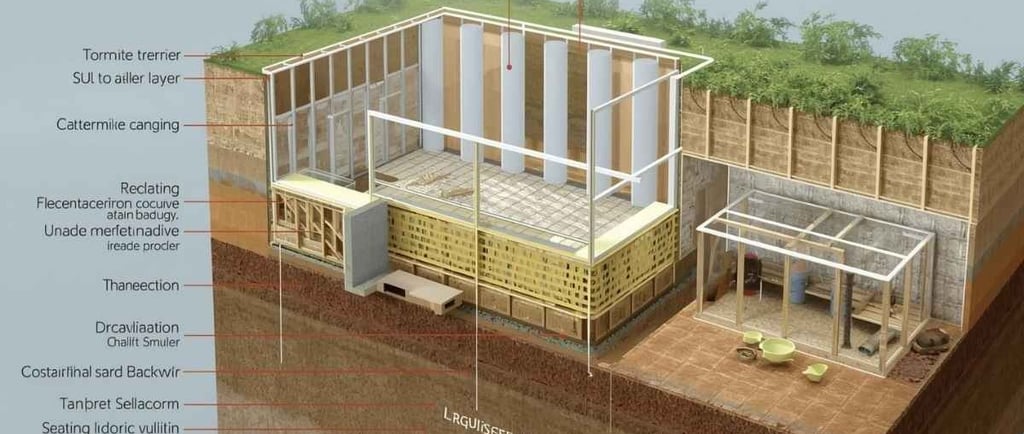
In the pre-construction phase, the primary focus is on preventing pests from infesting the construction site before the building is even completed. This involves conducting thorough inspections of the materials used, including timber and insulation, as these can be attractive to various pests. Preventive measures, such as soil treatments and barrier installations, can significantly reduce the likelihood of infestations occurring once the construction is underway.
Post-construction pest control, on the other hand, focuses on maintaining a pest-free environment after the building has been completed. Building sites that have been left vulnerable can attract pests, leading to potential damage and unhygienic conditions for future inhabitants. Regular inspections and treatments in this phase are crucial for ensuring that the integrity of the building is protected against pest-related deterioration. The application of preventive barriers and routine monitoring significantly enhances the long-term effectiveness of pest control measures.
In conclusion, understanding the importance of pest control during both the pre-construction and post-construction phases is vital for anyone involved in construction in Bangladesh. By addressing pest management proactively, builders and property owners can ensure the longevity and safety of their structures, contributing to the well-being of the community at large.
Understanding Pre-Construction Pest Control
Pre-construction pest control is a vital process aimed at preventing infestations of pests, particularly termites, prior to the establishment of a building. This phase is crucial not only for ensuring the structural integrity of a building but also for safeguarding the occupants' health and well-being over the long run. Effective pre-construction measures create a protective barrier against common pests prevalent in Bangladesh.
The first step in this process typically involves a thorough inspection of the site. Professionals assess the soil conditions and surrounding environment to identify potential risks related to pest infestations. This analysis helps in devising a tailored pest management strategy. One of the most common practices during this phase is the implementation of anti-termite soil treatments. These treatments involve the application of specialized chemicals to the soil that creates an effective barrier, deterring termite colonies from invading the property.
Moreover, during the excavation phase, it is essential to prevent any materials that attract pests from being left near the site. Proper management of construction waste is critical, as it can serve as both a habitat and a food source for various pests. Employing streamlined methodologies such as these not only contributes to pest control but can also lead to cost savings in the long term.
It is highly recommended to engage professional pest control services during this early stage. Experts possess the knowledge and tools to execute proper treatments tailored to specific site conditions effectively. Their involvement guarantees that pre-construction pest control actions are performed correctly, ensuring a durable foundation for future pest management efforts. By investing in pre-construction pest control, property developers can significantly mitigate the risks associated with pest infestations, fostering an environment that is not only safe but also conducive to healthy living spaces.
Post-Construction Pest Control: What to Expect
Post-construction pest control is an essential service in maintaining the integrity of a newly built property in Dhaka, Bangladesh. Once construction is completed, the focus shifts from initial prevention measures to addressing any potential pest problems that may arise. This phase is crucial as uninvited pests can easily infiltrate spaces that are newly constructed, particularly if proper barriers were not established during the pre-construction phase.
Common challenges during this phase often include the attraction of pests such as termites, rodents, and insects. These pests can find entry points through gaps and cracks that may have developed during the construction process. Therefore, appropriate treatment options need to be employed to ensure thorough elimination and to create a pest-free environment. Chemical treatments, baiting systems, and barriers are typical solutions used to combat these infestations.
The frequency of inspections post-construction tends to vary based on several factors, including the location, type of construction, and the specific pest threats present. Regular inspections, ideally every three to six months, are recommended to identify early signs of pest activity. Homeowners and builders play a significant role in this phase; they must remain vigilant and proactive in managing potential pest issues. Builders should provide documentation of pest control measures taken during construction, while homeowners must ensure they follow through with regular professional inspections.
In summary, investing in post-construction pest control not only helps safeguard the property against infestations but also protects its value over time. Homeowners and builders alike must collaborate to ensure that effective pest management is an ongoing process, fostering a safe and healthy environment for all occupants.
When evaluating the costs associated with pest control in Bangladesh, it is essential to comprehend the financial implications of both pre-construction and post-construction pest management strategies. Each method carries distinct expenses that can significantly impact budgets and long-term financial planning for property development and maintenance.
Pre-construction pest control typically involves a one-time investment aimed at preventing infestations before they establish themselves. This approach usually encompasses soil treatments, foundation barrier installations, and comprehensive site inspections, leading to initial outlay costs that can vary widely. The benefits of this early intervention often include reduced risk of significant pest-related damage, which can escalate repair costs and negatively affect property value over time.
On the other hand, post-construction pest control encompasses ongoing management practices designed to address infestations that may arise after a building is completed. Although this approach may seem less financially burdensome at first glance, it necessitates continuous monitoring, treatment applications, and potential repairs, which can accumulate into substantial long-term expenses. Moreover, neglecting to implement effective post-construction pest management may result in more invasive and costly treatments later on due to the multiplier effect of pest damage.
A thorough cost comparison must consider not only the immediate investment but also the potential savings associated with pre-construction measures. While pre-construction pest control entails an upfront cost, it is often more cost-effective over time than reactive post-construction strategies. By investing in preventive measures, property owners and developers may reduce the likelihood of severe infestations and their associated repair costs, effectively optimizing their overall pest control budget.
Common Builder Mistakes Regarding Pest Control
Pest control is integral to maintaining the integrity of a building and ensuring the safety of its occupants. However, builders often overlook this critical aspect during construction, leading to costly repercussions. One of the common mistakes builders make is failing to conduct a thorough site assessment before construction begins. Evaluating the site for potential pest issues such as termite activity, rodent infestations, or damp conditions is essential. Neglecting this step could lead to severe pest infestations once construction is completed.
Another frequent oversight is using materials that are vulnerable to pest damage. For instance, untreated wood can be particularly susceptible to termites and other wood-destroying organisms. Builders should ensure that they utilize pest-resistant materials and treatments to mitigate the risk of infestations as part of their building strategy.
Additionally, an inadequate waste management plan during construction may attract pests. Construction sites generate debris, food waste, and packaging materials that can serve as food sources or nesting sites for pests. Implementing a comprehensive waste disposal strategy will not only keep the site clean but also deter unwanted pests from settling in.
Moreover, builders often neglect to incorporate proper drainage systems. Standing water is a prime attractant for various pests, including mosquitoes and rodents. Ensuring that the property allows for adequate drainage and is designed to prevent pooling of water will significantly reduce pest attraction.
Finally, failing to include pest control measures in the overall building plan is a significant mistake. It is crucial to consult with pest control professionals early in the design phase to integrate preventative strategies effectively. By avoiding these common builder mistakes regarding pest control, construction projects can reduce the risk of structural damage and create a healthier living environment for future occupants.
Long-Term Strategies for Pest Protection
Establishing long-term pest control strategies is essential for both builders and homeowners in Bangladesh. These strategies not only aim to prevent pest infestations but also ensure a sustainable, pest-free environment in newly constructed homes. Collaboratively, builders and homeowners can implement best practices during the construction phase and beyond to mitigate potential pest issues.
A proactive approach includes integrating pest management techniques from the onset. Builders should consider utilizing pest-resistant materials and following construction practices that minimize pest access. For instance, designing proper drainage systems and ensuring that all structural elements, such as foundations and walls, are sealed correctly can drastically reduce potential entry points for pests.
Regular scheduled maintenance is key to sustaining a pest-free environment. Homeowners should commit to an annual inspection, wherein a professional pest control technician evaluates the property for vulnerabilities. During these inspections, potential risks such as moisture accumulation or cracks in foundations will be addressed promptly, thereby minimizing the likelihood of infestations. Additionally, installing physical barriers such as screens and sealing gaps can serve as an effective defense measure.
Education is another crucial aspect in the fight against pests. Both builders and homeowners should participate in ongoing pest management training to remain informed about emerging pest control products and techniques. Understanding the life cycles and behavior of common pests in Bangladesh will further empower homeowners to identify and respond quickly to pest issues.
In conclusion, a coherent collaboration between builders and homeowners, along with an emphasis on best practices, scheduled maintenance, and education, can significantly enhance long-term pest protection strategies. By adhering to these models, all parties can establish a foundation for a resilient and pest-free living environment.
Conclusion and Final Recommendations
Effectively managing pest control throughout the construction process is essential for ensuring both structural integrity and occupant safety. This blog post has delineated the distinctions between pre-construction and post-construction pest control strategies in Bangladesh, highlighting their respective roles and the significance of timing in the application of pest management methods. Pre-construction pest control not only provides a barrier against future infestations but also supports compliance with local regulations and enhances the overall durability of the structure being built. In contrast, post-construction pest control services are vital for addressing emerging issues that may arise once the building is occupied, ensuring continued protection.
For clients and builders alike, it is imperative to recognize the importance of integrating pest control services into the construction timeline. Engaging pest control professionals during the initial phases enables the implementation of preventive measures that can significantly diminish the chances of pest infestations in the future. Additionally, conducting regular inspections and maintenance post-construction further consolidates these preventive efforts.
Final recommendations include selecting pest control companies that specialize in both pre- and post-construction services, as this ensures a holistic approach to pest management. It is also advisable to work closely with pest control experts to develop a tailored plan that suits the specific needs of the construction site. Given the unique environmental and climatic conditions in Bangladesh, an understanding of local pest behavior is crucial in designing effective control strategies.
In conclusion, the decision to utilize pest control services should be viewed as an investment in the safety and longevity of any construction project. By recognizing and acting on the recommendations outlined herein, stakeholders can achieve an effective pest management portfolio that will support the successful outcome of their construction endeavors.
Address:
264/5, Kamal Soroni Road, Mirpur, Dhaka-1216
Contact
Your Quaries on pest control askings
pestexterminatorbd@gmail.com
+8801642008383 +8801988300003, 01723057746
© 2025. All rights reserved. to Urban Pest Control Pvt. Ltd. this site is powered by Our Own IT Team