
Pest Control FAQs: Answers to the Most Common Questions About Safe & Effective Pest Management
Pests can threaten your health, property, and peace of mind. In this Pest Control FAQs guide, we answer the most frequently asked questions about professional pest control services, including safety, treatment duration, pricing, effectiveness, and prevention tips. Learn how cockroach, termite, mosquito, rodent, and bed bug control works, whether pest control is safe for children and pets, how long treatments last, and when follow-up services are needed. This easy-to-understand FAQ blog helps homeowners and businesses make informed decisions for long-term, eco-friendly, and effective pest management.
COMMERCIAL PEST CONTROL
1/8/20268 min read
What is Pest Control and Why is it Important?
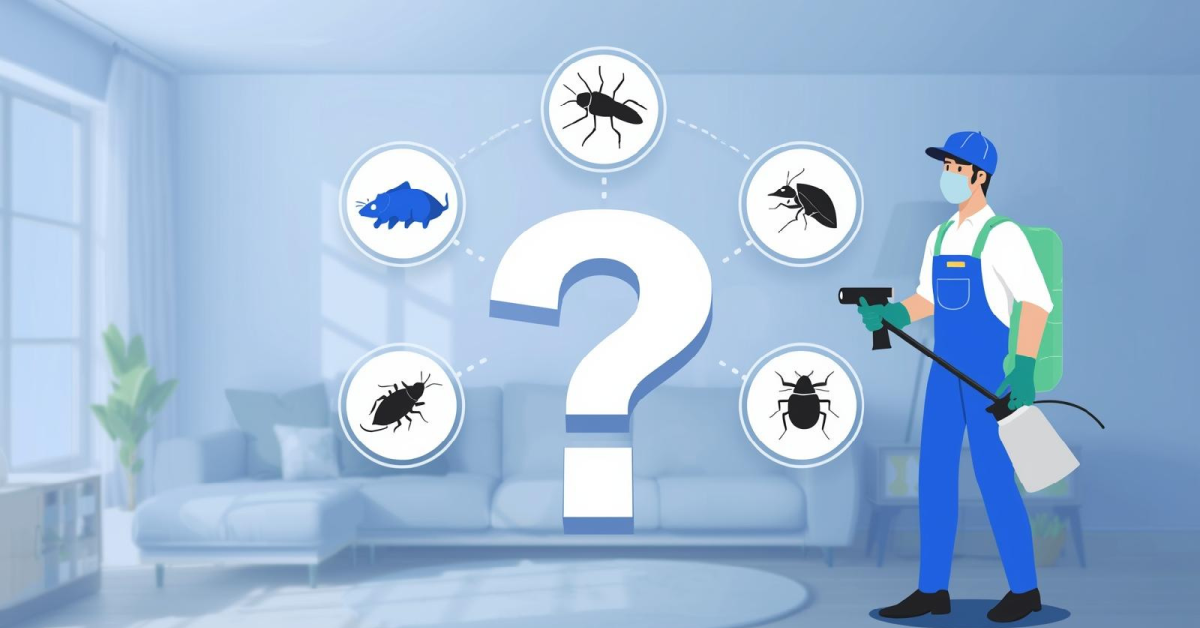
Pest control is a crucial aspect of maintaining a safe and healthy environment, both in residential and commercial settings. It involves managing and eliminating various types of pests that pose risks to health, safety, and property. Common pests include rodents, insects, termites, and occasional invaders such as ants or cockroaches. Each of these pests can lead to significant issues if left unchecked, encouraging the spread of diseases, contaminating food, and causing structural damage.
The significance of pest control extends beyond mere aesthetics; pests can harbor pathogens and allergens, leading to health problems such as asthma or allergic reactions. Rodents may carry hantavirus or salmonella, while insects like mosquitoes can transmit diseases including West Nile virus or Zika virus. Thus, effective pest management is essential for safeguarding public health.
Furthermore, pests can inflict considerable damage on properties. For instance, termites can compromise the structural integrity of buildings, resulting in costly repairs and potentially devaluing real estate. Similarly, a significant infestation of bed bugs can disrupt daily living conditions, making it essential to act promptly to manage an outbreak. By implementing a proactive pest control plan, property owners can prevent infestations before they escalate, effectively reducing long-term damage and associated costs.
In summary, understanding pest control and its importance is fundamental for maintaining a safe, healthy, and pest-free environment. Employing effective pest management strategies not only protects health and property but also enhances overall quality of life. Timely intervention and professional assistance play a vital role in achieving long-lasting results in pest control, ensuring that homes and businesses remain secure against unwanted intruders.
Common Types of Pests and Their Risks
Homeowners and businesses often encounter a variety of pests, each posing unique risks. Understanding these pests and the associated dangers is crucial for effective pest management.
Ants are one of the most common household pests. While they are generally not harmful to humans, certain species, such as fire ants, can cause painful stings. Ants are also known for infiltrating food supplies and can contaminate food with bacteria, posing health risks.
Rodents, especially rats and mice, are notorious for their ability to reproduce rapidly, which can lead to significant infestations. They pose serious health hazards as they can transmit diseases like hantavirus and salmonella. Additionally, rodents can cause property damage by gnawing on wires, insulation, and plumbing.
Termites are particularly insidious as they can compromise the structural integrity of buildings. These pests feed on cellulose found in wood and can cause extensive damage before the infestation is even noticed. The financial cost of termite damage can be significant, and prevention is much more cost-effective than treatment.
Bedbugs have gained notoriety in recent years, primarily for their ability to cause itchy bites and their resilience against many over-the-counter treatments. While they are not known to transmit diseases, their presence can lead to significant psychological distress and sleep disturbances.
Cockroaches, meanwhile, are not just unsightly; they are known carriers of various diseases, including gastroenteritis and asthma triggers. Their droppings and shed skins can exacerbate allergies and respiratory issues.
Seasonal trends often influence pest invasions, with some pests like ants and rodents being more active during warmer months, while bedbugs and termites may thrive in particular climates regardless of the season. Awareness of these patterns can aid in the timely implementation of pest control measures.
What Are the Different Methods of Pest Control?
Pest control encompasses a variety of techniques aimed at managing and eliminating unwanted organisms that can damage properties and health. The methods of pest management can be broadly classified into chemical and non-chemical approaches, each with its own set of pros and cons. Understanding these methods helps homeowners make informed decisions tailored to their specific pest problems.
Chemical pest control has traditionally relied on pesticides—substances designed to kill or repel pests. Pesticides come in various forms, including sprays and granules, and can be effective for quick-results. However, their use raises concerns regarding toxicity to humans, pets, and beneficial insects, leading to increased regulation and scrutiny. Moreover, over-reliance on chemical solutions can result in pest resistance, complicating future control efforts.
Non-chemical methods, such as traps, baits, and natural repellents, aim to either trap the pest or disrupt its natural behaviors. Traps are particularly useful for rodent and insect control and can be quite effective without the risks associated with chemicals. Additionally, preventive measures, such as sealing entry points, maintaining cleanliness, and improving habitat management, fall under integrated pest management (IPM) strategies. IPM emphasizes prevention and combines multiple pest control methods tailored to the specific environment and pest species.
While chemical methods may offer immediate relief, they do not address the underlying causes of pest infestations. On the other hand, non-chemical strategies often require ongoing vigilance and commitment but can foster a healthier environment in the long run. In evaluating pest control methods, it is essential to weigh the immediate effectiveness against long-term implications for safety and ecological impact.
Is Pest Control Safe for My Family and Pets?
When considering pest control solutions, many homeowners prioritize the safety of their family members and pets. Understanding the various pest control methods and their associated safety implications can help alleviate concerns. In the pest management industry, there are various techniques ranging from chemical treatments to more eco-friendly options.
Traditional chemical pesticides have been effective in eliminating pests but may pose potential risks if not used correctly. However, many companies now offer integrated pest management (IPM) solutions that focus on safety and environmental stewardship. IPM emphasizes the use of less harmful methods, prioritizing prevention through sanitation and habitat modification. With these tactics, chemical applications are minimized, reducing overall exposure risks for humans and pets.
Furthermore, when chemical pest control is necessary, selecting products that are labeled as safe for residential areas, particularly those that adhere to eco-friendly standards, is essential. Many modern pesticides are designed to be effective yet pose minimal risk to humans and pets when applied according to the guidelines provided by manufacturers.
It is also advisable to take precautionary measures before and after any treatment. This may include keeping pets and children out of the treated area during application and for a specified time afterward. It is vital to communicate with your pest control service provider about your specific concerns, as they can provide tailored guidance ensuring safety during treatments.
In conclusion, pest control can be conducted safely with the right methods and precautions. By prioritizing eco-friendly options and adhering to recommended guidelines, homeowners can effectively manage pests without compromising the safety of their loved ones.
Preventing Pests from Entering Your Home
Maintaining a pest-free home requires consistent effort and attention to detail. One of the foremost strategies for pest prevention is ensuring cleanliness throughout your living spaces. Regularly sweeping, vacuuming, and mopping can significantly reduce food sources and hiding places for various pests. It is important to keep kitchen areas, dining spaces, and storage rooms tidy to thwart any pest attraction.
Equally vital is the sealing of entry points throughout the property. Homeowners should conduct a thorough inspection of windows, doors, vents, and the foundation for any gaps or cracks. Utilizing caulking or weather stripping can close these openings, effectively blocking insects and rodents from gaining access. Additionally, it is prudent to install screens on windows and vents to allow for ventilation without compromising safety.
Landscaping practices also play a crucial role in pest management. Trimmed shrubs and trees should be kept several inches from the house. This minimizes the likelihood of pests using these plants as bridges to enter the home. Furthermore, storing firewood and other materials at least 20 feet away from the structure can deter pests that thrive in such environments. Redirecting irrigation systems and ensuring proper drainage can help reduce standing water, which is a breeding ground for mosquitoes.
Regular maintenance and monitoring are essential in detecting early signs of infestations. Homeowners should consider periodic inspections of their attics, basement, and other less-frequented areas. Professional assessments from pest management experts can provide valuable insight and preventive strategies tailored to an individual home's susceptibility. By adopting these preventive measures, you can effectively minimize the chances of pest infestations, contributing to a safe and comfortable living environment.
When Should I Call a Professional Pest Control Service?
Recognizing the right time to engage a professional pest control service can significantly impact the effectiveness of pest management. Generally, if you notice signs of a major infestation, such as droppings, nests, or damage to your property, it is prudent to seek professional assistance. Ignoring these signs could lead to more severe issues, including health risks associated with disease-carrying pests.
Certain types of pests require expert intervention to ensure both effective eradication and safety. For instance, infestations of termites or bedbugs often necessitate specialized treatments that are more effective than over-the-counter solutions. Additionally, pests like rodents can pose health hazards, carrying diseases and contaminating food supplies. If you suspect a significant presence of any of these pests within or around your home, contacting a licensed pest control professional is advisable.
Hiring a professional offers several benefits. Firstly, experts possess the knowledge and experience to identify the type of pest, the extent of the infestation, and the most suitable treatment methods. They also have access to advanced tools and pesticides that may not be available to the public. Furthermore, professional services often guarantee their work, providing peace of mind that the problem will be resolved efficiently.
When selecting the right pest control service, there are strategies to consider. First, verify that the company is licensed and certified in your state, as this reflects their competency. Reading online reviews and seeking recommendations from friends or family can also provide insights into their reputation. Additionally, inquire about their methods to ensure they align with your preferences for safe and eco-friendly pest management solutions.
Frequently Asked Questions About Pest Control
Pest control is a critical concern for many homeowners and businesses. Various questions often arise regarding the effectiveness, safety, and costs associated with pest management services. Below are answers to some of the most frequently asked questions about pest control.
What are the costs of pest control services?
The cost of pest control services can vary significantly based on multiple factors such as the type of pest, the severity of the infestation, and the size of the property. Typically, an initial inspection may range from $50 to $150, with ongoing treatments averaging between $40 to $70 per session, depending on the service provider.
How often should pest control treatments be performed?
The frequency of pest control treatments largely depends on the type of service required and the specific pest issues facing your property. For preventive measures, treatments are typically recommended every three months. However, if an active infestation occurs, more frequent treatments may be necessary until the issue is resolved.
What should I expect during a pest control service visit?
During a service visit, a licensed pest control technician will conduct a thorough inspection of your property. They will identify any signs of pest activity and determine the best course of action. Treatments may involve the application of sprays, baits, or traps. Technicians will explain each step of the process and address any concerns you might have.
How long does it take to see results from pest control?
The timeframe for seeing results from pest control can differ based on the type of pest being treated. Some pests may show a significant decline in activity within a few days following treatment, while others might take weeks to resolve completely. It is important to follow any guidance provided by the pest control professional to ensure effective outcomes.
Are pest control treatments safe for pets and children?
Most modern pest control services prioritize safety and use eco-friendly products. Licensed professionals are trained to apply treatments that minimize risks to pets and children. Nevertheless, homeowners should always communicate any concerns with their pest control provider prior to treatment.
This overview of frequently asked questions highlights key areas of concern for those seeking pest management solutions. By addressing these common questions, individuals can make informed decisions regarding their pest control needs.
Address:
264/5, Kamal Soroni Road, Mirpur, Dhaka-1216
Contact
Your Quaries on pest control askings
pestexterminatorbd@gmail.com
+8801642008383 +8801988300003, 01723057746
© 2025. All rights reserved. to Urban Pest Control Pvt. Ltd. this site is powered by Our Own IT Team