
Mosquito Control in Bangladesh: Stop Dengue & Chikungunya at Home
3/19/20267 min read

Understanding Dengue and Chikungunya
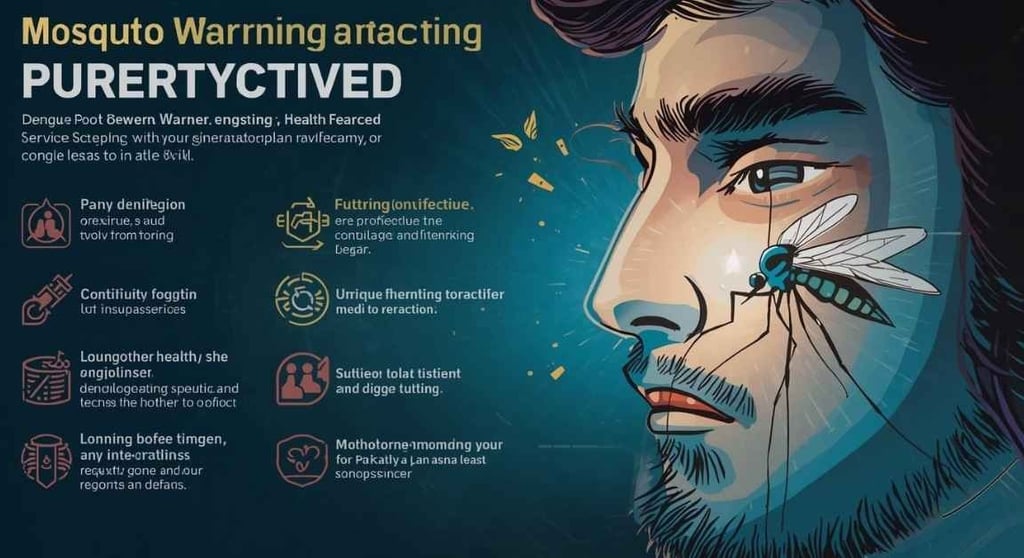
Dengue and chikungunya are two significant mosquito-borne diseases that pose considerable health challenges in Bangladesh, particularly in urban areas like Dhaka, where population density and stagnant water supply create ideal breeding conditions for mosquitoes. Both of these diseases are primarily transmitted by the Aedes aegypti and Aedes albopictus mosquitoes, which thrive in tropical climates.
Dengue fever is characterized by sudden high fever, severe headaches, pain behind the eyes, joint and muscle pain, fatigue, and skin rashes. In some cases, it can progress to dengue hemorrhagic fever, which can be life-threatening. Chikungunya, on the other hand, typically manifests with symptoms like high fever, severe joint pain, headache, and rash. While chikungunya is rarely fatal, the joint pain can be debilitating and may persist for months or even years.
The transmission of these diseases occurs during the day, particularly in the early morning and late afternoon, when the Aedes mosquitoes are most active. Outbreaks of dengue and chikungunya in Bangladesh are often seasonal, closely linked to monsoonal rainfall patterns that create breeding sites for mosquitoes in standing water. The majority of reported cases tend to surge during and after the monsoon season, making it crucial for communities to implement effective mosquito control measures during this period.
The public health impact of dengue and chikungunya is substantial, leading to increased healthcare costs, loss of productivity, and a significant burden on the healthcare system in Bangladesh. With the rising incidence of these diseases, it is imperative to raise awareness about their prevention and control, thereby ensuring the well-being of individuals and communities.
Importance of Mosquito Control in Bangladesh
The significance of effective mosquito control measures in Bangladesh cannot be overstated, especially in the context of public health; the region is prone to outbreaks of dengue and chikungunya, both of which are transmitted by Aedes mosquitoes. These illnesses pose serious health risks, leading to increased morbidity and mortality rates among affected populations. Understanding the role mosquitoes play in these disease outbreaks is crucial for developing effective intervention strategies.
Dengue fever, which has been endemic in Bangladesh, often results in severe complications, including hemorrhagic fever and shock syndrome, particularly in children and individuals with weakened immune systems. Chikungunya, while generally less lethal, can cause significant suffering due to debilitating joint pain that can last for months. The consistent rise in cases during the monsoon season is largely attributed to the increase in mosquito breeding sites, as stagnant water from heavy rains provides an ideal environment for their proliferation.
Local communities need to engage in mosquito control efforts to mitigate the risks associated with these diseases. Collaborative action, such as eliminating standing water around homes and using insect repellents, can significantly reduce mosquito populations and their ability to spread disease. Furthermore, community awareness programs can educate residents on effective prevention strategies, promoting a collective responsibility towards mosquito management. Government initiatives to provide resources and support for these community-based efforts are paramount in enhancing the impact of mosquito control programs.
Overall, the importance of mosquito control in Bangladesh extends beyond immediate health concerns, encompassing broader implications for economic stability, healthcare infrastructure, and overall quality of life. As local communities become more involved in prevention efforts, the likelihood of reducing the transmission of dengue and chikungunya improves, leading to healthier populations and more resilient communities.
Breeding Source Elimination: A Key Strategy
To effectively combat mosquito populations, particularly in areas prone to Dengue and Chikungunya outbreaks, it is crucial to implement robust breeding source elimination strategies. Mosquitoes typically breed in stagnant water, thus identifying and addressing potential breeding sites around the home is paramount. By eliminating these sources, homeowners can significantly reduce the risk of mosquito proliferation.
One of the primary methods for combating mosquito breeding is through proper water storage practices. Homeowners should ensure that any containers used for holding water, such as buckets, plant pots, or water tanks, are tightly covered to prevent mosquitoes from accessing these areas. Additionally, it is important to regularly check for leaks in outdoor water storage units and repair them promptly to avoid allowing stagnant water accumulation.
Moreover, standing water in gardens, drains, and gutters can serve as breeding grounds. Thus, homeowners should practice regular maintenance of their properties, including clearing debris from gutters and ensuring effective drainage in gardens. This not only helps in eliminating stagnant water but also assists in maintaining overall hygiene around the home.
Another effective strategy includes disposing of discarded containers or items that can collect rainwater, such as tires, plastic bottles, and old buckets. By focusing on these specific areas, homeowners can alleviate the likelihood of mosquitoes finding suitable breeding habitats.
Educating oneself and the community about the significance of eliminating breeding sources is equally vital. Neighbors can collaborate in this endeavor, organizing clean-up drives to ensure no potential breeding sites are left unattended in the vicinity. Collectively, these efforts contribute to a significant decrease in mosquito populations, effectively mitigating the associated health risks from mosquito-borne diseases.
Comparing Fogging and Residual Spray Techniques
In the fight against mosquitoes, especially in the context of preventing diseases such as dengue and chikungunya, two predominant methods are employed: fogging and residual spray techniques. Understanding the characteristics of each method is essential for effective mosquito control. Fogging involves the use of a pesticide aerosol that creates a fog that can permeate an area quickly, targeting adult mosquitoes on contact. This method is particularly useful in immediate situations, such as during outbreaks, as it provides rapid results by reducing adult mosquito populations almost instantaneously. However, the efficacy of fogging is temporary; rain or wind can wash away the insecticide, and it generally needs to be reapplied regularly to maintain its effects.
On the other hand, residual spray techniques involve applying insecticides to surfaces where mosquitoes are likely to rest, such as walls and vegetation. This method has a longer-lasting effectiveness compared to fogging, as it continues to kill mosquitoes that come into contact with the treated surfaces. Residual sprays are generally used in indoor environments or areas with controlled exposure to rain, allowing for sustained efficacy. Yet, the downside is that it may require more time for application and can potentially lead to greater environmental exposure to the chemical.
Choosing among these methods depends on several factors: the specific mosquito species being targeted, environmental considerations, and the urgency of the mosquito control needed. A combination of both techniques is often recommended for optimal results. For instance, fogging can be employed in emergencies to rapidly decrease adult populations, while residual spraying can be implemented for long-term management. Ultimately, understanding the advantages and limitations of fogging and residual spray techniques is vital for effective mosquito control measures in Bangladesh, helping to mitigate the risks associated with dengue and chikungunya.
Seasonal Pest Trends and Their Implications
In Bangladesh, the trends in mosquito populations exhibit significant seasonal variations, which directly influence the prevalence of mosquito-borne diseases such as dengue and chikungunya. Understanding these patterns is essential for effective mosquito control strategies and public health preparedness.
During the monsoon season, which typically spans from June to October, stagnant water bodies create ideal breeding conditions for mosquitoes. The proliferation of Aedes mosquitoes, the primary vectors for dengue and chikungunya, tends to peak during this period. Heavy rainfall leads to the accumulation of water in various areas, including discarded containers, clogged drains, and construction sites, all of which serve as potential breeding grounds.
As the weather transitions to the cooler months, from November to February, mosquito populations often decline. Nevertheless, this is typically accompanied by a gradual rise in humidity levels, which can still support mosquito activity if water accumulation persists. During this time, it remains crucial to continue mosquito control efforts, including the elimination of standing water to deter breeding.
The onset of spring, particularly March to May, marks the beginning of the dry season, characterized by fluctuating temperatures. Interestingly, these conditions can lead to a resurgence of mosquito activity as the temperature begins to rise. Mosquito populations often rebound as people engage in outdoor activities during this season, potentially increasing the risk of exposure to transmitted diseases. Hence, ongoing vigilance and preventive measures are necessary.
By recognizing these seasonal pest trends, residents can implement proactive measures throughout the year. Understanding when these outbreaks are most likely to occur enables individuals to prepare adequately, employing effective mosquito control methods and contributing to a healthier environment for their communities.
Family Protection Tips Against Mosquitoes
Protecting your family from mosquito-borne diseases like dengue and chikungunya is essential, especially in areas where these diseases are prevalent. Implementing effective mosquito control measures can significantly reduce the risk of bites. Here are several practical tips to help safeguard your household.
Firstly, the application of insect repellent on exposed skin is vital. Choose a product that contains DEET, picaridin, or oil of lemon eucalyptus, as these ingredients are recognized for their effectiveness against mosquitoes. Always follow the instructions on the label to ensure safe usage, and reapply as recommended, especially during outdoor activities.
Another important measure is to wear appropriate clothing. Light-colored, long-sleeved shirts and long pants provide an additional barrier against mosquito bites. Furthermore, consider treating outdoor clothing with permethrin, an insect repellent specifically designed for fabrics, to enhance protection. This is particularly useful for family members engaged in outdoor activities.
Utilizing screens on windows and doors is another effective way to prevent mosquitoes from entering your home. Ensure that all screens are intact without any holes or gaps. Additionally, use mosquito nets when sleeping, especially for young children and infants, to create a safe sleeping environment. These nets should ideally be treated with insect repellent for added protection.
It is also crucial to eliminate standing water around your home, as this is where mosquitoes breed. Regularly check flower pots, bird baths, and gutters for stagnant water and empty them as needed. Encourage neighbors to do the same; community effort is vital in effectively controlling mosquito populations in your area.
Lastly, educate your family about the risks associated with mosquito bites, including symptoms of dengue and chikungunya. Being aware and taking proactive measures can help keep your family safe during mosquito season.
Professional Mosquito Killer Services in Bangladesh
In Bangladesh, the rise in mosquito-borne diseases such as dengue and chikungunya has necessitated the availability of professional mosquito control services. These services offer a comprehensive approach to managing mosquito populations, ensuring a safer living environment for residents. By hiring experts in the field, individuals can significantly enhance their mosquito management efforts, effectively reducing the risk of infestations.
Professional mosquito killer services typically provide a range of solutions tailored to meet the specific needs of their clients. Common offerings include thorough inspections of residential and commercial properties to identify potential breeding grounds, followed by targeted anti-mosquito treatments. These treatments rely on advanced techniques and tools that are safe for both humans and pets while being highly effective against various mosquito species.
In addition to treatment services, many companies also offer regular inspections and maintenance plans. These plans are essential for ongoing mosquito control, as they help to monitor areas that may require additional attention throughout different seasons. By scheduling regular visits, property owners can prevent the establishment of mosquito populations before they become a significant problem.
The decision to engage professional mosquito control services not only streamlines the management of these pests but also saves time and resources that would otherwise be spent on ineffective DIY methods. With trained technicians who possess the knowledge and tools needed to tackle mosquito issues, clients can enjoy peace of mind knowing that their homes and surroundings are being adequately protected.
Ultimately, investing in professional mosquito killer services is a proactive step towards safeguarding health in Bangladesh. By utilizing these specialized services, individuals take a crucial step in combating the threat of mosquito-borne illnesses effectively.
Address:
264/5, Kamal Soroni Road, Mirpur, Dhaka-1216
Contact
Your Quaries on pest control askings
pestexterminatorbd@gmail.com
+8801642008383 +8801988300003, 01723057746
© 2025. All rights reserved. to Urban Pest Control Pvt. Ltd. this site is powered by Our Own IT Team