
Low-Cost Air Purifier Solutions in Bangladesh: DIY vs Commercial – কোনটা ভালো?
3/17/20268 min read
Understanding the DIY Air Purifier Concept
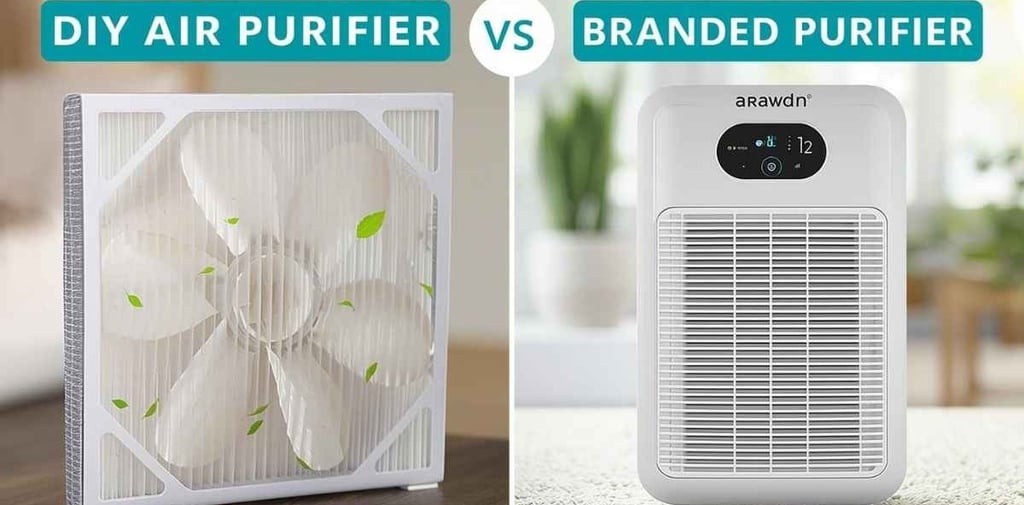
Many individuals seeking affordable air purification solutions may find themselves drawn to the concept of DIY air purifiers. These homemade devices typically integrate a fan with various types of filters to enhance indoor air quality effectively. By employing basic materials that are often readily accessible, it becomes possible to create an efficient air purification system without incurring substantial costs.
To begin constructing a DIY air purifier, it is essential to gather a few fundamental components. A small to medium-sized fan serves as the primary mechanism to draw indoor air into the filtration system. Depending on personal preference and availability, the fan can be either a box fan or a portable oscillating model. The filter is the second crucial element; commonly used options include HEPA filters, which are known for their ability to capture airborne particles, or activated carbon filters that are effective at removing odors and harmful gases.
The assembly process is relatively straightforward. First, select a suitable enclosure for the filter; this could be a cardboard box, plastic container, or any structure that securely holds the filter in place. Ensure that the size of the enclosure allows ample airflow around the filter. Following this, attach the fan to the enclosure in such a way that it blows air through the filter. The final step involves sealing any gaps around the filter with tape to prevent unfiltered air from passing through.
To optimize the effectiveness of your DIY air purifier, consider placing it in high-traffic areas of your home or in rooms where air quality tends to suffer. Regular maintenance is also crucial; replace filters as recommended to ensure that the system continues to function efficiently. This method offers not just a cost-effective solution to improve indoor air quality, but it also empowers individuals to take charge of their health and well-being.
Comparing DIY Air Purifiers with Commercial Models
When considering air purification options in Bangladesh, individuals often face the choice between DIY air purifiers and commercial models. Each option presents distinct advantages and disadvantages, particularly in terms of filtering efficiency, cost, ease of use, and maintenance requirements.
DIY air purifiers typically utilize accessible materials, such as HEPA filters, fans, and activated carbon to create an effective system for capturing airborne particles. One key benefit of a DIY approach is the lower initial financial investment. With creativity and basic materials, individuals can build a functional air purifier tailored to their specific needs, often at a fraction of the cost of commercial models. Nevertheless, the efficiency of these homemade purifiers can vary greatly depending on design and component quality.
On the other hand, commercial air purifiers are designed and engineered with precision, utilizing advanced filtration technologies that are rigorously tested for efficiency. Models available in Bangladesh often feature multiple stages of filtration, including HEPA and activated carbon stages, to effectively remove toxins, allergens, and even odors from the air. However, the higher upfront cost associated with commercial variants may deter budget-conscious consumers.
Ease of use also plays a vital role in choosing between these two options. Commercial models usually come with user-friendly interfaces, built-in sensors, and ready-to-operate setups, requiring minimal installation. In contrast, DIY versions might demand a certain level of technical skill to construct and may not always guarantee the same level of performance or reliability.
Maintenance is another crucial factor to weigh. While commercial air purifiers provide guidelines for filter replacements and general upkeep, DIY purifiers may need ongoing adjustments and monitoring, depending on their design. Those preferring a hassle-free experience may find commercial air purifiers more appealing.
In conclusion, potential buyers in Bangladesh should carefully evaluate their unique requirements and budget when deciding between DIY air purifiers and commercial models. Each option has its merits, allowing homeowners to choose the solution best suited to their air quality needs.
Long-Term Cost Analysis of Air Purifiers
The long-term cost analysis of air purifiers sheds light on the financial implications of choosing between DIY solutions and commercially available models. When evaluating these two options, it is essential to consider various factors, including initial costs, ongoing maintenance expenses, and potential savings related to health improvements due to cleaner air.
Initially, DIY air purifiers often present a lower price point. Materials for creating a homemade air purifier may include HEPA filters, fans, and other household items, totaling an average expenditure of modest proportions. However, it’s integral to recognize that while upfront costs are reduced, the effectiveness of these devices often varies and may require donors to replace filters more frequently or adjust components over time.
On the other hand, commercial air purifiers usually come with higher initial costs. These devices are often designed to be more efficient, featuring advanced filtering systems that enhance air quality significantly. While the purchase price may be steep, the manufacturer typically guarantees performance, and many come with warranties, which can mitigate long-term maintenance costs.
Furthermore, maintaining these commercial models often involves routine filter replacements, which contribute to ongoing operational expenses. Yet, the reduced exposure to pollutants and allergens can lead to potential savings in healthcare costs. Studies have indicated that improved air quality can lower the incidence of respiratory ailments and allergic reactions, ultimately resulting in decreased healthcare expenses over time.
In considering the overall financial landscape, combining initial investments and subsequent savings illustrates that commercial air purifiers, despite higher upfront costs, may provide a more beneficial long-term economic advantage. Enhanced air quality not only contributes to better health outcomes but can also result in less frequent medical consultations, thereby impacting personal and societal costs positively.
Safety Concerns with DIY Air Purifiers
As the interest in DIY air purifiers grows, it is essential to address potential safety concerns associated with their construction and use. One major risk involves the improper selection or use of filters. Standard air filters are designed for specific airflow rates and contaminant removal capabilities. When a DIY air purifier utilizes a filter not suited for the fan or project specifications, it may result in inadequate filtration. This can lead to ineffective air purification and a false sense of safety. Therefore, it becomes crucial to research and select filters that are compatible and have verifiable filtration capabilities.
Electrical safety is another critical aspect. Most DIY models incorporate fans, and using these while neglecting proper wiring and circuit connections can lead to hazardous situations such as electrical shocks or short circuits. It is advisable to use components that are rated for the intended purpose and to ensure that all electrical connections are secure. Those without experience in handling electrical components must consult instructional resources or seek assistance from professionals to mitigate these risks.
Furthermore, the choice of materials significantly impacts the safety of DIY air purifiers. It is vital to avoid materials that may emit harmful gases or fumes when heated, such as certain plastics. Only utilize non-toxic, safe materials designed for household use. Regular maintenance is crucial; ensure that the device remains free of dust and debris that might obstruct airflow or become breeding grounds for bacteria.
In summary, while DIY air purifiers can offer an affordable alternative to commercial models, several safety concerns need attention. By adhering to guidelines regarding filter selection, electrical safety, and material choice, individuals can create effective and safe air purification solutions for their homes.
Best Budget Air Purifier Models in Dhaka
As air quality continues to be a pressing concern in urban areas like Dhaka, investing in a budget air purifier can greatly enhance indoor air quality. Here, we present a selection of the best affordable air purifier models available in Dhaka, along with their specifications, pricing, and purchasing options.
1. Mi Air Purifier 3
The Mi Air Purifier 3 is renowned for its high-efficiency particulate air (HEPA) filter, capable of capturing 99.97% of airborne particles as small as 0.3 microns. It features a sleek design with a smart app control that allows users to monitor air quality in real time. Priced at around BDT 15,000, it is available at authorized Xiaomi outlets and online retailers such as Daraz.
2. Philips AC1215/20 Air Purifier
Philips is a trusted name in home appliances, and the AC1215/20 air purifier is no exception. With a filtration system that includes a pre-filter, HEPA filter, and activated carbon filter, it purifies air efficiently. This model has a price tag of approximately BDT 14,500 and can be purchased from Philips showrooms or online platforms like Robi.com.
3. Broan BPG1243 Air Purifier
The Broan BPG1243 is an excellent choice for budget-conscious consumers seeking quality and performance. It combines a HEPA filter with a UV light to eliminate bacteria and viruses. With a retail price of around BDT 18,000, it is available in various electronic stores across Dhaka.
4. Coway Airmega 150
The Coway Airmega 150 stands out for its eco-friendly design and effective air filtration technology. Equipped with a two-in-one filter that resides in a sleek casing, it is priced at about BDT 17,000 and can be found at Coway authorized dealers and on e-commerce sites.
These models not only fit within a budget but also promise to deliver efficient air purification, making them ideal for residents concerned about air quality. Whether you shop locally or online, investing in any of these air purifiers will greatly benefit your indoor environment.
User Experiences: Real-Life Testimonials
The choice between DIY air purifiers and commercial models can significantly impact indoor air quality. To understand these alternatives better, we sought testimonials from users who have firsthand experience with both options and their effectiveness in improving air quality.
Many users who opted for DIY air purifiers reported mixed results. For instance, one user shared their experience of constructing a simple air purifier using a box fan and furnace filters. They noted that while the initial cost was low, the effectiveness varied based on the room's size and the type of filter used. They mentioned, "It worked wonders in my small bedroom, but I struggled to notice a difference in larger living areas." This highlights a common concern among DIY enthusiasts: scalability and effectiveness in larger spaces can be challenging.
Conversely, individuals who chose commercial air purifiers expressed satisfaction regarding performance and ease of use. A user who purchased a popular commercial air purifier mentioned, "The air feels noticeably cleaner, especially during the pollen season. I trust the HEPA filters used in my model to capture small particles effectively." This reflects broader confidence in established brands and their technologies, as many users appreciate the convenience of pre-assembled filters and effective air circulation mechanisms.
However, some users did express frustration with the ongoing cost of replacement filters and maintenance associated with commercial models. One such user remarked, "The upfront investment was manageable, but I didn't anticipate the recurring expenses for filter replacements to be so high." This finding suggests that while commercial models are often viewed as effective, users must also consider long-term maintenance costs.
In summary, real-life testimonials reveal a spectrum of user experiences regarding air purification solutions. While DIY models remain cost-effective for smaller spaces, commercial air purifiers tend to offer broader effectiveness and convenience, albeit at an ongoing cost. Each user’s perspective contributes valuable insights for anyone considering which air purification method to pursue.
Conclusion and Recommendations
Throughout this guide, we have explored the various options available for air purification in Bangladesh, focusing on both DIY solutions and commercially available models. Understanding the importance of clean air has become paramount, especially in urban areas where pollution levels are high. The discussion highlighted how both types of air purifiers cater to different user needs and budgets, leading to informed decisions based on personal circumstances.
When considering a budget, DIY air purifiers represent a cost-effective solution, allowing users to create their own systems using readily available materials. However, it is essential to note that efficiency may vary, and individuals seeking optimal air quality may find commercial models to be a better investment. These models are designed with advanced filtration technologies tailored to remove various pollutants, making them suitable for households with specific health concerns.
Health implications are an important factor in determining the right air purifier. For individuals suffering from allergies or respiratory conditions, the added capabilities of high-end commercial air purifiers can provide significant relief. It is advisable to choose products that come with HEPA filters and activated carbon layers to ensure maximum pollutant removal, thereby enhancing indoor air quality.
Additionally, safety considerations cannot be overlooked. Users should prioritize air purifiers that are certified for safety standards, as this ensures their reliability for long-term use. Comparatively, DIY solutions might require regular monitoring to verify their effectiveness and safety, which may not be feasible for everyone.
In conclusion, while budget constraints often influence the choice between DIY and commercial air purifiers, assessing one’s health needs and safety requirements leads to optimal indoor air quality. With careful consideration of these aspects, individuals can select an air purification solution that fits their lifestyle and promotes a healthier environment.
Address:
264/5, Kamal Soroni Road, Mirpur, Dhaka-1216
Contact
Your Quaries on pest control askings
pestexterminatorbd@gmail.com
+8801642008383 +8801988300003, 01723057746
© 2025. All rights reserved. to Urban Pest Control Pvt. Ltd. this site is powered by Our Own IT Team