
Industrial Safety: Why Gas Masks Are Essential in Factories
3/30/20268 min read
Understanding Workplace Hazards in Factories
Factories are complex environments where workers are exposed to a variety of hazards that can pose significant risks to their health and safety. Understanding these workplace hazards is essential in developing appropriate safety measures to protect personnel. The primary categories of hazards found in factories include physical, chemical, biological, and ergonomic risks.
Physical hazards often encompass dangers such as machinery, equipment, and tools that can cause injuries through cuts, crushes, or falls. Workers must be adequately trained to operate dangerous machinery safely and must wear appropriate personal protective equipment (PPE) to minimize risks. Moreover, slips, trips, and falls are common occurrences, emphasizing the importance of maintaining clean and organized work environments.
Chemical hazards arise from exposure to substances that can cause health issues, such as toxic fumes, dust, and liquids. Factories frequently handle hazardous chemicals that can lead to short-term health effects, including respiratory problems, as well as long-term diseases, such as cancer. It is crucial for organizations to conduct thorough assessments and implement ventilation systems or provide respirators to mitigate such hazards.
Biological hazards, although less visible, pose significant risks as well. Workers in certain environments may come into contact with mold, bacteria, or viruses, particularly in settings such as food production or medical manufacturing. Identifying potential sources of biological agents and implementing strict hygiene protocols are fundamental to protecting workers' health.
Ergonomic risks are connected to the physical demands of the job. Poorly designed workstations and repetitive motions can result in musculoskeletal disorders. Companies should assess work processes and design to promote better posture and reduce strain. Recognizing and addressing all these workplace hazards is essential for fostering a safe and productive factory environment.
Types of Respirators and Their Applications
In the context of workplace safety in factories, respirators play a crucial role in protecting workers from a variety of hazardous airborne contaminants. There are several types of respirators, each designed for specific applications, providing essential protection against dust, fumes, gases, and other toxic substances.
Half-mask respirators, often referred to as half-face respirators, cover the nose and mouth but leave the eyes unprotected. They are ideal for environments where particulate matter, such as dust or mist, is present. These respirators are lightweight and offer a degree of comfort, making them suitable for prolonged use in tasks such as grinding, sanding, and handling dry materials. The filtration systems can be swapped based on the contamination type, ensuring a flexible solution for various industrial settings.
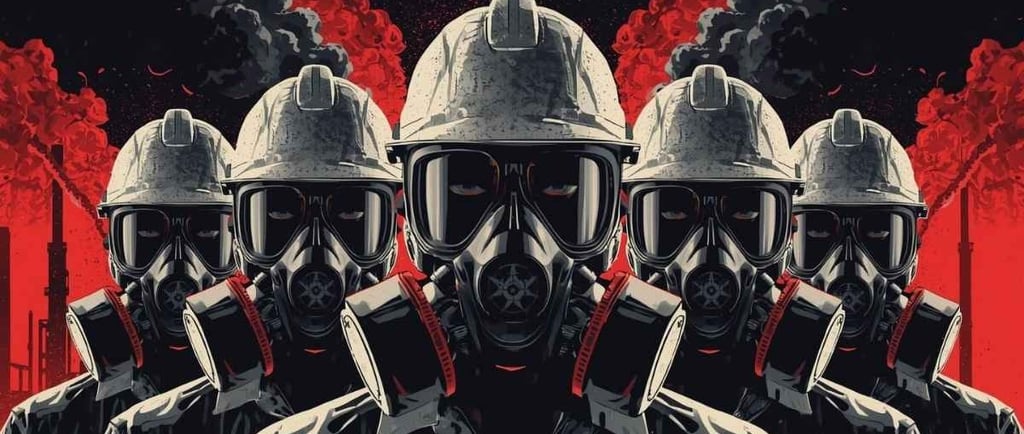
Full-face respirators, on the other hand, provide comprehensive coverage by enclosing the entire face. This type of respirator is particularly effective in environments where hazardous gases or chemical vapors are present, as it protects both the respiratory system and the eyes. Applications for full-face respirators include spray painting, chemical handling, and areas with significant exposure to volatile organic compounds (VOCs). The added eye protection significantly reduces the risk of irritation and contamination from splashes or airborne particles.
Powered air-purifying respirators (PAPRs) are advanced devices that utilize a battery-operated fan to pull air through filters, providing a constant supply of clean air to the wearer. They are especially beneficial in environments with high concentrations of hazardous substances, as the powered system delivers fresh air, reducing breathing resistance and improving comfort. Industries that commonly employ PAPRs include pharmaceuticals and welding, where the risk of exposure to toxic fumes and dust is elevated.
Different respirators serve distinct purposes depending on the nature of the hazards present in the factory. By choosing the appropriate type, facility managers can significantly enhance worker safety and ensure compliance with occupational health standards.
The Role of PPE in Protecting Factory Workers
Personal Protective Equipment (PPE) is an essential aspect of safety protocols in factory environments. It encompasses a range of protective gear designed to minimize exposure to various workplace hazards that can cause injury or illness to workers. Among the various types of PPE, respirators hold a significant role, particularly when dealing with airborne contaminants, such as dust, fumes, and chemicals. The correct selection and use of respirators can safeguard workers against harmful exposures that may lead to respiratory issues and other health complications.
PPE standards, which are established by governing bodies, provide guidelines and specifications for the appropriate use of safety equipment. These regulations ensure that the PPE available to workers meets the necessary performance criteria required for specific hazards. For instance, respirator systems must be fitted properly to guarantee a secure seal around the face, preventing contaminants from entering during use. Similarly, other protective gear, such as gloves, goggles, and helmets, must be selected based on the particular risks present in the work environment.
Moreover, the effectiveness of PPE heavily relies on the proper training of factory workers. It is crucial for employees to understand how to correctly wear, maintain, and store their protective gear. Regular training sessions can educate workers on the importance of PPE, ensuring they recognize the potential hazards present and the functionality of their equipment. Another critical point is ensuring that PPE is regularly inspected and maintained, as worn-out or damaged equipment may not provide the intended level of protection.
In conclusion, PPE is a vital component in safeguarding factory workers. The strategic integration of respirators, along with continued training and maintenance practices, solidifies the foundation for a safer working environment, ultimately contributing to the overall health and wellbeing of employees within the industrial sector.
Compliance with Safety Standards and Regulations
In the industrial sector, ensuring worker safety is of paramount importance, and compliance with safety standards and regulations plays a crucial role in achieving this objective. Factories are mandated to adhere to both local and international regulations, such as the Occupational Safety and Health Administration (OSHA) standards in the United States and the International Organization for Standardization (ISO) standards globally. These regulations are designed to protect workers from workplace hazards, including exposure to hazardous substances and airborne contaminants.
Failure to comply with these established safety standards can have serious implications for factories, workers, and even the broader community. Non-compliance may lead to legal consequences, including hefty fines and potential shutdowns, which can severely affect a factory's operational efficiency and reputation. Moreover, non-compliance has a direct impact on worker health and safety. Workers who are not adequately protected may face increased risks of respiratory diseases and other health issues related to poor air quality and hazardous materials.
Furthermore, compliance with safety standards often necessitates the use of appropriate personal protective equipment (PPE), such as respirators. These devices are essential for mitigating the risks associated with airborne hazards in factories. By integrating respirators into safety protocols, companies not only fulfill regulatory requirements but also demonstrate a commitment to fostering a secure working environment. Regular training and assessments are also necessary to ensure that employees are well-versed in the correct usage of their respirators, thereby maximizing their protective capabilities.
In conclusion, adherence to safety regulations is fundamental to worker protection in manufacturing environments. It helps to minimize health risks, promotes a culture of safety, and ultimately contributes to the operational success of a factory by reducing incidents and enhancing worker morale.
Challenges in Implementing Respirator Programs
The implementation of effective respirator programs in factory settings is often met with a variety of challenges. One critical obstacle is the lack of proper training for both management and workers regarding the use of respiratory protection. Many employees may not fully understand the necessity of wearing respirators, especially if they have not received comprehensive education on health hazards present in their work environment. This lack of understanding can lead to resistance towards adopting respiratory protective measures, as employees might perceive them as unnecessary or uncomfortable.
Inadequate supply of respirators presents another significant challenge. Factories may struggle with maintaining adequate inventory levels of the appropriate types of respirators, which can vary based on specific workplace hazards. Fluctuations in demand and supply chain issues can lead to shortages, consequently compromising worker safety. Without access to sufficient protective equipment, the efficacy of a respirator program can be severely hindered.
Moreover, worker resistance often stems from discomfort or improper fit of respirators, leading to non-compliance. Factors such as perceived discomfort, nasal irritation, or difficulty in breathing while wearing respiratory protection can discourage consistent use. To combat these challenges, factories must prioritize the establishment of comprehensive training and education programs that not only highlight the importance of respirators but also instruct workers on proper usage, fit-testing, and maintenance procedures. Such initiatives will address worker concerns and enhance their willingness to adopt respirator use, ultimately fostering a safer workplace environment.
Case Studies: Successful Implementation of Respirator Use
Recent case studies in the manufacturing sector highlight the critical role of respirator programs in enhancing employee safety in environments fraught with hazardous airborne contaminants. One noteworthy example is Plant A, which specializes in metal fabrication. In response to a rise in respiratory ailments among workers, management instituted a comprehensive respirator program. The initiative involved thorough training on proper respirator fitting, usage, and maintenance. As a result, reports of work-related respiratory issues dropped by over 30%, illustrating the program's effectiveness. Notably, this decline not only safeguarded the health of employees but also enhanced productivity by reducing absenteeism related to respiratory illnesses.
Another remarkable case is Factory B, a chemical manufacturing facility that faced significant challenges due to the presence of volatile organic compounds (VOCs) in the working environment. The implementation of a robust respiratory protection plan included the selection of appropriate respirators tailored to mitigate exposure to these harmful substances. Workers received education on recognizing signs of over-exposure and the importance of wearing respirators during specific processes. Following these changes, Factory B reported a 50% reduction in instances of acute respiratory distress among employees, underscoring the importance of immediate and effective response to workplace hazards.
From these case studies, several lessons emerge. First, the involvement of employees in the development and execution of safety programs fosters a culture of safety and responsibility. Additionally, regular training sessions and refreshers ensure that workers remain aware of the hazards they face and the protective measures available. Finally, it is vital for organizations to monitor and evaluate the efficacy of respirator use to make continual improvements to safety protocols. Implementing such measures is not just about compliance; it is about creating a safer work environment for all personnel.
Future Trends in Factory Worker Safety and Respirators
The landscape of factory worker safety is continually evolving, driven by advancements in technology and an increasing awareness of the need for effective protective equipment, such as respirators. As workplace hazards become more complex, the importance of innovative safety solutions cannot be overstated. The future of workplace safety, particularly concerning respiratory protection, is poised to witness significant advancements that will enhance worker safety and well-being.
One of the most notable trends is the integration of smart technology into respiratory protection systems. Future respirators may incorporate features such as real-time air quality monitoring, allowing workers to receive immediate feedback regarding their exposure levels to harmful substances. This proactive approach enables a more dynamic response to changing conditions within the factory environment, ensuring that workers can make informed decisions about their safety.
Additionally, the development of lightweight and more comfortable respirators is crucial for improving compliance among workers. Traditional respiratory protection can be cumbersome, leading to reluctance in their use. Future designs are likely to focus on ergonomics and materials that enhance comfort without compromising safety standards.
Another trend is the emphasis on ongoing training and education regarding respiratory protection. As workplace hazards evolve, workers must be equipped with knowledge about the latest safety practices and technologies. Regular training sessions can foster a culture of safety and empower workers to take an active role in their protection. Furthermore, management should encourage open dialogue regarding safety concerns, which can lead to continued improvement in safety policies and equipment usage.
In conclusion, staying ahead of emerging trends in respirator technology and workplace safety practices is essential to safeguard the health of factory workers. As innovations emerge, so too must the commitment to fostering a safe work environment, ultimately reducing risks and enhancing productivity in manufacturing settings.
Address:
264/5, Kamal Soroni Road, Mirpur, Dhaka-1216
Contact
Your Quaries on pest control askings
pestexterminatorbd@gmail.com
+8801642008383 +8801988300003, 01723057746
© 2025. All rights reserved. to Urban Pest Control Pvt. Ltd. this site is powered by Our Own IT Team