
How to Install Ultrasonic Pest Repeller Devices at Home
3/12/20268 min read
Understanding Ultrasonic Pest Repellers
Ultrasonic pest repellers are devices designed to deter various pests through the emission of high-frequency sound waves that are inaudible to humans but irritating to many common pests. These devices operate on the principle that certain sound frequencies can disrupt the normal behavior of rodents and insects, causing discomfort and discouraging them from inhabiting or entering the area. The sound waves produced usually fall within the range of 20 kHz to 65 kHz, varying depending on the specific model and its intended usage.
Ultrasonic pest repellers are effective against a variety of pests, including rodents like mice and rats, as well as insects such as mosquitoes, ants, and cockroaches. Although results can vary depending on the type of pests present and the environment in which the device is used, many users report a noticeable decline in pest activity. One key advantage of using an ultrasonic pest repeller is that it provides a chemical-free method of pest control, making it a safer option for households with children and pets, as they do not rely on poisons or traps that could pose risks.
Furthermore, ultrasonic devices demonstrate a level of convenience that traditional methods lack. Unlike traps that need regular maintenance and monitoring, or poisons that require careful application, ultrasonic pest repellers can be simply plugged into a power source. Many models are also energy-efficient, consuming minimal power while maintaining their efficacy. Unlike traps that can inadvertently kill non-target species, ultrasonic devices focus on discomfort rather than extermination, aligning with an increasingly popular approach to humane pest management. Overall, the increasing popularity of ultrasonic pest repellers reflects their effectiveness and appeal as a modern solution to pest issues.
Choosing the Right Ultrasonic Pest Repeller
When considering an ultrasonic pest repeller, it is crucial to choose a model that aligns with your specific needs and preferences. With an array of different models available on the market, each featuring unique functions, making an informed decision can significantly enhance effectiveness in repelling pests.
One primary factor to consider is the frequency range of the ultrasonic waves. Different pests respond to varied frequencies; for example, rodents are typically repelled by frequencies between 20 kHz to 65 kHz, while insects may require higher frequencies. Thus, it is essential to identify the type of pests you intend to target and select a device that operates within a suitable frequency range for those specific pests.
Additionally, the power requirements of the ultrasonic pest repeller should not be overlooked. Some models may need to be plugged into an outlet, while others may be battery operated or solar-powered. Opting for a power source that fits seamlessly into your lifestyle and home layout can significantly impact usability and effectiveness over time.
Another consideration is the coverage area of the pest repeller. Certain models are designed for smaller spaces, while others can cover larger areas effectively. It is advisable to assess the area you wish to protect from pests, ensuring that your chosen device can effectively serve that purpose.
Finally, customer reviews and reliability should play a pivotal role in your decision-making process. Analyzing user experiences can provide valuable insights and help determine the overall effectiveness of a particular ultrasonic pest repeller. By carefully evaluating these factors, you can select a pest repeller that is both efficient and suited to your needs.
Optimal Placement of Ultrasonic Pest Repellers
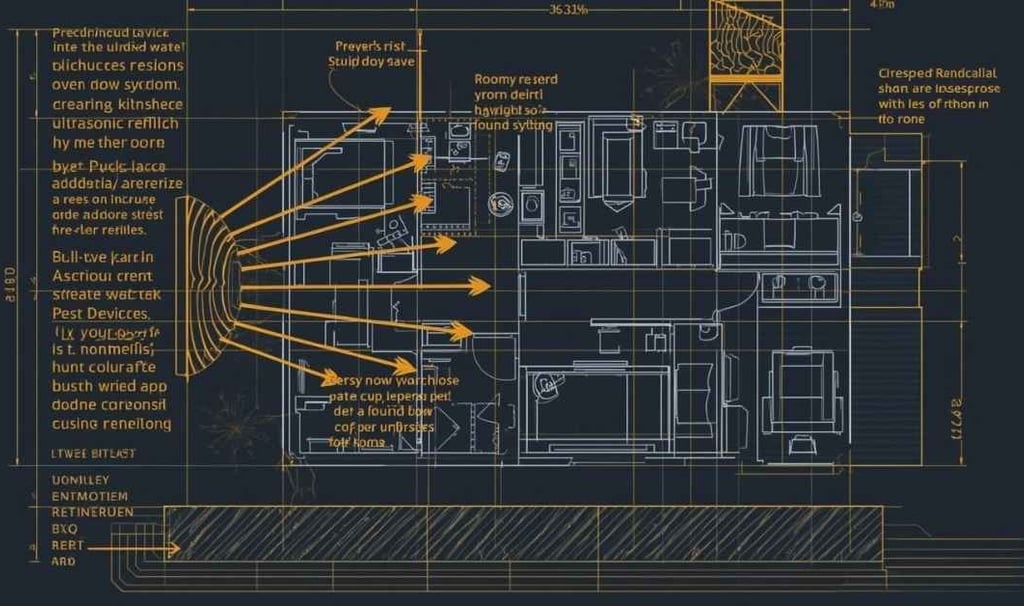
When it comes to the effectiveness of ultrasonic pest repellers, optimal placement is crucial. These devices work by emitting high-frequency sound waves that pests find unpleasant, ultimately driving them away from your home or property. To maximize their efficiency, it is essential to consider several key factors when determining where to install them.
Firstly, placing ultrasonic pest repellers near potential entry points, such as doors and windows, is vital. These locations are often the most common paths for pests like rodents and insects seeking shelter indoors. By positioning the repeller close to these areas, you can create a barrier that deters pests from entering your space.
Additionally, it is advisable to locate the repeller along known pest pathways. Observing where pests frequently travel can provide insight into strategic placement. For instance, corners of rooms or along walls that lead to food sources are ideal spots. The ultrasonic waves need a clear path to travel; including strategic placement in several rooms may enhance overall effectiveness.
Moreover, the height at which the repeller is installed can also affect its performance. Placing the device at different elevations allows the ultrasonic sound waves to disperse more effectively. It is generally recommended to mount the repeller at least one meter off the ground, as this can reach a wider area and ensure that the ultrasonic frequencies are not impeded by furniture or other obstacles.
Distance plays a significant role as well. Ultrasonic pest repellers typically have a coverage radius, which varies by model. Ensure that the repeller is within this range for optimal efficacy. It is also important to be mindful of objects such as furniture and thick walls that may block the sound waves.
Steps to Install Your Ultrasonic Pest Repeller
Installing an ultrasonic pest repeller is a straightforward process that can effectively help in managing unwanted pests in your home or office. To ensure a successful installation, follow these comprehensive steps:
1. Gather Necessary Tools: Before you begin, it’s vital to collect the necessary tools and equipment. Typically, you will need a ladder (if installation is needed at heights), a screwdriver, and an electrical outlet (preferably a grounded outlet). Some devices are plug-in, while others may require hardwiring.
2. Choose the Right Location: The effectiveness of your ultrasonic pest repeller heavily relies on its placement. Select a location that maximizes the coverage area while staying away from curtains, furniture, or other obstacles that may obstruct sound waves. Ideal locations are entry points such as doors, garages, or attics.
3. Check Installation Instructions: Review the manufacturer’s specific installation instructions, as different models may have unique requirements or recommendations. This includes understanding the power source and whether your device is meant for indoor or outdoor use.
4. Set Up the Device: If your ultrasonic pest repeller is a plug-in device, simply insert it into the designated electrical outlet. For hardwired devices, follow the provided wiring instructions carefully, ensuring that all connections are secure. It's recommended to seek professional help if you are unfamiliar with electrical work.
5. Power On and Test: Once installed, power on your device to initiate its operation. Some models come equipped with indicators that confirm it is functioning correctly. Allow the device some time to start repelling pests; effectiveness may take a few days to a couple of weeks, depending on the infestation.
6. Safety Precautions: While ultrasonic pest repellers are generally safe, it is still important to exercise caution during installation. Ensure that all tools are in good working condition and handle electrical components with care. Additionally, keep the device out of reach of pets and children to prevent any potential accidents.
This structured approach to installing your ultrasonic pest repeller can greatly enhance its effectiveness in deterring pests, contributing to a more comfortable living environment.
Determining Coverage Area and Number of Devices Needed
When installing an ultrasonic pest repeller, it is essential to determine the coverage area effectively. Each device operates within a specified range, typically measured in square feet. To assess how many units are necessary, start by measuring the dimensions of the rooms where you anticipate pest activity. This approach will allow you to calculate the total square footage of each area needing protection.
Once you have the room size measurements, it is advisable to consult the manufacturer specifications for the ultrasonic pest repeller you have chosen. For example, if a device covers up to 1,200 square feet, a room measuring 800 square feet would require only one unit, while a larger space, such as 2,500 square feet, would necessitate at least two devices to ensure effective coverage.
In addition to room dimensions, consider the level of pest infestation in your home. If you are dealing with significant pest problems, such as a concentrated rat or mouse infestation, it might be wise to increase the number of units slightly beyond the calculated requirement. This precaution can enhance pest control effectiveness and offer a better safeguard against further incursions.
Furthermore, remember that sound waves emitted by ultrasonic pest repellers can be obstructed by walls, furniture, or other items. Therefore, positioning the devices thoughtfully is critical. Ideally, the units should be placed at a central point in the area and away from obstructions to maximize their effectiveness. For irregularly shaped areas or spaces with many levels, additional units can be beneficial for proper coverage.
In essence, knowing both the dimensions of the spaces to protect and the level of pest presence will allow you to determine the optimal number of ultrasonic pest repellers required to achieve effective pest control in your environment.
Common Mistakes to Avoid During Installation
Installing an ultrasonic pest repeller can be an effective method to deter unwanted pests. However, several common mistakes can undermine its effectiveness. One of the primary pitfalls is poor placement of the device. It is crucial to position the pest repeller in areas where pests frequent, such as near entry points or areas with visible signs of infestation. Installing the device in enclosed spaces, such as behind furniture or in corners, can limit the ultrasonic waves' reach and diminish its performance.
Another mistake is overlooking power sources. Ensure that the device is plugged into a functional electrical outlet, as some models may not have battery backup capability. Furthermore, do not install the repeller near electronics or appliances that might interfere with its ultrasonic signals. If the power source is not reliable, the device may not continuously emit the necessary sound waves to deter pests.
Additionally, many individuals neglect to read the product instructions thoroughly. Each ultrasonic pest repeller is designed with specific operational guidelines that must be followed for optimal results. Failing to adhere to these guidelines could lead to ineffective pest control and wasted time and resources. Take the time to understand the settings and functionalities of your unit.
If problems arise during installation, troubleshooting should occur promptly. Check for adequate power supply, re-evaluate the positioning, and refer back to the instruction manual for any missed steps. By avoiding these common mistakes—such as inadequate placement, oversight of power sources, and neglecting instructions—you can enhance the efficiency of an ultrasonic pest repeller, ensuring a more pest-free environment in your home.
Tips for Maintaining the Effectiveness of Ultrasonic Pest Repellers
To ensure that your ultrasonic pest repeller remains effective, regular maintenance and monitoring are essential. One of the simplest yet often overlooked aspects of maintaining these devices is to keep them clean. Dust and dirt can accumulate on the surface of the repellers, potentially diminishing their effectiveness. A damp cloth can be used to gently wipe them, ensuring they are free from obstructions.
In addition, it is crucial to monitor the areas where the ultrasonic pest repeller is installed. Observe any signs of pest activity, including droppings or noises, to assess whether the device is functioning effectively. If you notice that pest activity persists despite the use of ultrasonic devices, it may indicate that the pests are becoming accustomed to the sound frequencies emitted. In such cases, consider repositioning the repeller. The positioning of the device can greatly influence its effectiveness, so experimenting with various locations may yield better results.
Moreover, it is advisable to periodically evaluate the need for replacing the device itself. Ultrasonic pest repellers have a finite operational lifespan, generally ranging from 3 to 5 years, after which their impact may diminish. Keep track of when the device was last purchased or installed to determine whether it is time for an upgrade.
Additionally, an integrated approach to pest management is highly recommended. While ultrasonic pest repellers can play a significant role in deterring pests, complementing their use with other methods, such as sealing entry points and maintaining proper sanitation, will enhance overall pest control efforts. Combining multiple strategies allows for a more comprehensive and effective pest management system.
Address:
264/5, Kamal Soroni Road, Mirpur, Dhaka-1216
Contact
Your Quaries on pest control askings
pestexterminatorbd@gmail.com
+8801642008383 +8801988300003, 01723057746
© 2025. All rights reserved. to Urban Pest Control Pvt. Ltd. this site is powered by Our Own IT Team