
How Pest Control Protects Restaurants and Food Businesses
3/14/20267 min read
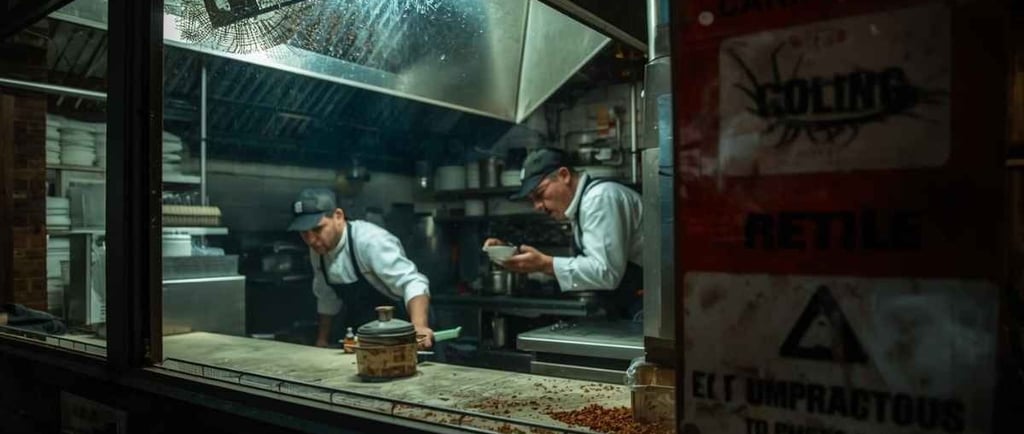

Health Inspection Standards for Restaurants
Restaurants play a vital role in public health, which is why they are subject to stringent health inspection standards aimed at ensuring food safety and preventing pest infestations. Various health organizations, most notably the local health departments, outline these standards to guide food service operations. Among these are regulations regarding pest control, which must be meticulously adhered to in order to maintain a hygienic environment for both patrons and staff.
Health inspections typically occur regularly, with the frequency determined by each establishment's risk category. Higher-risk locations may be inspected as often as twice a year, while lower-risk establishments might see inspections once a year. During these inspections, health department officials assess cleanliness, food handling processes, and particularly the presence of pests or indications of pest activity. A comprehensive pest management plan is essential during these inspections, showcasing the restaurant's proactive approach to preventing infestations.
Failing to meet health inspection standards can have serious ramifications. Restaurants that do not maintain adequate pest control measures may face fines, mandatory closures, or even permanent shutdowns based on the severity of violations. Furthermore, a failure to pass an inspection directly affects a restaurant’s reputation and can diminish customer trust. A single pest sighting can lead customers to choose alternative dining options, which may ultimately affect the establishment's financial stability. Therefore, prioritizing pest management is not just a regulatory obligation; it is essential for sustaining long-term business viability and community health.
Common Restaurant Pests
In the restaurant industry, maintaining a pest-free environment is crucial to both food safety and overall business reputation. The most common pests found in restaurants include rodents, cockroaches, flies, and ants, each presenting unique risks and challenges.
Rodents, particularly rats and mice, are notorious for infesting restaurant kitchens. They are drawn to food sources and can easily enter establishments through small openings. Signs of a rodent infestation may include droppings, gnaw marks, and nesting materials. Beyond the immediate damage they cause, rodents pose severe health risks, as they are known carriers of diseases such as salmonella and hantavirus.
Cockroaches are another prevalent pest in restaurant environments. These nocturnal insects thrive in warm, humid conditions and are often found in hidden locations like under sinks or behind appliances. Signs of a cockroach infestation include their distinctive fecal droppings, shed skins, and a strong, oily odor. Cockroaches can transfer harmful bacteria and allergens, which may lead to foodborne illnesses and negatively impact the dining experience.
Flies, particularly fruit flies and house flies, can also be a significant concern in restaurants. They are often attracted to decaying food and trash, making proper sanitation practices critical for prevention. Flies can not only compromise food safety by contaminating food items but also create an unpleasant atmosphere for diners. Observing flies in an establishment may indicate poor hygiene, sending customers to competitors with cleaner environments.
Ants, while often seen as less concerning than rodents or cockroaches, can quickly become a nuisance, especially when foraging for food in kitchens. They leave pheromone trails that can lead other ants to food sources, creating larger colonies over time. Early detection and intervention are essential to manage and eliminate ant populations. Restaurant owners and staff should remain vigilant and implement proactive measures to identify and resolve pest issues before they escalate.
Pest Prevention for Kitchens
Pest prevention in restaurant kitchens is essential to maintaining a safe and hygienic environment. Implementing effective strategies can significantly reduce the risks of pest infestations which, if left unchecked, can lead to serious health violations and financial losses. One of the primary measures is proper food storage practices. All food items should be stored in sealed, airtight containers to minimize access for pests. This includes both dry and perishable goods, which should be kept at appropriate temperatures to prevent spoilage.
Maintaining cleanliness is another critical component of pest prevention in kitchens. Regular cleaning schedules should be established to ensure that all surfaces, including floors and cooking equipment, are free from food residues and spills that attract pests. Incorporating practices such as immediate cleanup after meal preparation and ensuring garbage bins are emptied frequently can enhance the overall cleanliness of the kitchen.
Another key aspect is the regular maintenance of kitchen equipment. Broken or malfunctioning appliances can create environments conducive to pest problems. Therefore, routine inspections should be conducted to ensure that all equipment is functioning correctly and that there are no leaks or cracks that could permit pest entry.
Sealing entry points is also fundamental in keeping pests out of restaurant kitchens. All potential entryways, including doors, windows, and vents, should be properly sealed and fitted with screens to block pests from gaining access. Regular inspections should be carried out to identify and rectify any vulnerabilities in the structure.
Employee training regarding pest prevention should not be overlooked. Staff members must be educated on the importance of pest control measures and best practices. This includes recognizing signs of pest activity and understanding their roles in maintaining a pest-free environment. Such a comprehensive approach will ensure a sustained effort toward effective pest management in every restaurant kitchen.
Benefits of Professional Pest Contracts
The implementation of professional pest contracts in restaurants presents an array of benefits that significantly contribute to maintaining a safe and hygienic environment. One of the primary advantages is consistency in pest management. By engaging a dedicated pest control partner, restaurants can ensure that preventative measures and inspections are conducted regularly. This proactive approach minimizes the likelihood of pest infestations that could compromise food safety and disrupt business operations.
Furthermore, expertise plays a crucial role in the efficacy of pest management. Professional pest control technicians possess in-depth knowledge of pest behavior, life cycles, and effective control strategies. Their ability to identify potential issues before they escalate is invaluable. For instance, a restaurant that previously struggled with rodent infestations was able to eliminate the problem entirely after entering into a pest management contract. With expert guidance, the establishment not only mitigated risks but also improved its reputation among customers.
Long-term cost efficiencies are another compelling reason to consider professional pest contracts. Although the initial investment may appear substantial, the potential for savings over time is significant. Many restaurants that opted for ongoing pest control services reported reduced emergency response costs and lower pest-related damage, leading to overall expense decreases. In addition, maintaining compliance with health regulations is simplified. Authorities tend to view restaurants under regular pest control contracts more favorably, translating into fewer fines and inspections.
In conclusion, the benefits of professional pest contracts are clear. From consistent and expert pest management to long-term cost savings, having a dedicated partner in pest control is a wise choice for restaurants looking to safeguard their operation and enhance customer satisfaction.
Monthly Pest Control Plans for Restaurants
Establishing a monthly pest control plan is crucial for any restaurant aiming to maintain a hygienic environment and safeguard its reputation. Such a plan comprises various components designed specifically to address the unique challenges faced by food establishments. One of the fundamental elements of an effective pest management strategy is regular inspections. These inspections are conducted to identify potential infestations before they escalate into larger problems, allowing for swift intervention and appropriate treatments.
Typically, a comprehensive monthly pest control plan will include a range of services tailored to the specific needs of the restaurant. This may involve treatments targeted at common pests such as rodents, cockroaches, and flies, all of which can pose health risks and compromise the dining experience. Additionally, the plan will often incorporate preventive measures, such as sealing entry points, maintaining cleanliness, and applying pest repellents in sensitive areas.
The importance of regular inspections cannot be overstated. Monthly visits from pest control professionals not only help in promptly addressing any signs of pest activity but also serve as an excellent opportunity for staff training on best practices in pest prevention. By educating employees on the critical factors that attract pests, such as food spills and waste management, restaurants can foster a proactive culture surrounding pest management.
In summary, implementing a tailored monthly pest control plan allows restaurants to take a proactive approach to pest management. Regular inspections and targeted treatments become integral components in safeguarding both the restaurant environment and the health of its patrons, enhancing overall operational excellence.
Legal Consequences of Pest Infestations
Pest infestations can lead to serious legal repercussions for restaurant owners, significantly impacting both their financial standing and reputation. Health codes in various jurisdictions mandate that establishments maintain a pest-free environment, and failure to adhere to these regulations can result in costly fines and penalties. The local health departments conduct regular inspections to ensure compliance; any evidence of pest activity can prompt immediate action, including temporary closure until the issue is resolved.
One of the most severe implications of a pest infestation is the potential for lawsuits from afflicted customers. If patrons suffer health issues due to negligent pest control practices, restaurant owners can be held liable for damages. This aspect not only places a financial burden on the establishment but also tarnishes its public image, leading to a loss of customer trust and future business opportunities.
To mitigate these risks, it is imperative for restaurant owners to implement comprehensive pest management strategies and document their control activities meticulously. Keeping accurate records of pest control measures taken, inspections, and treatments performed validates compliance with health regulations and illustrates due diligence. This documentation can serve as a powerful defense in the event of any legal disputes, demonstrating that the restaurant took reasonable steps to prevent pest infestations. Additionally, engaging with professional pest control companies ensures that interventions are conducted according to industry standards, further protecting the establishment against legal claims.
In conclusion, understanding the legal consequences associated with pest infestations is crucial for restaurant owners. By actively managing pest risks and adhering to regulatory requirements, restaurants can safeguard not only their assets but also their patrons' health and satisfaction.
Creating a Pest Management Culture in Your Restaurant
Fostering a robust pest management culture within a restaurant is vital to ensuring the long-term success of the business. It begins with acknowledging that pest prevention is not solely the responsibility of management or maintenance staff; it requires the participation of every employee. Engaging your team in pest management protocols fosters a sense of ownership and accountability, which can be incredibly beneficial in maintaining a pest-free environment.
To achieve this, regular training sessions should be implemented to educate staff about the various types of pests that can invade a restaurant and the associated risks they pose. Training should cover identification techniques, the most common signs of pest activity, and the protocols for reporting sightings. By empowering employees with knowledge, they can become vigilant partners in the fight against pests.
Furthermore, effective communication channels are essential in cultivating a pest management culture. Establishing an open line of communication for employees to report pest sightings encourages prompt action and intervention. Staff should feel comfortable providing feedback on pest management practices, thus fostering a collaborative environment where concerns are taken seriously.
In addition to training and communication, sharing responsibility among staff is crucial. Encourage teamwork by assigning pest management roles to various team members, ensuring that everyone plays a part in maintaining cleanliness and monitoring the premises for potential pest issues. The combined efforts of the entire staff can significantly enhance the restaurant’s ability to prevent infestations.
Ultimately, creating a culture of pest management in your restaurant is about prioritizing a proactive approach. This cultural shift can lead to improved hygiene, customer satisfaction, and business reputation. A well-informed, engaged team will help to identify and mitigate pest-related risks before they become problematic, ensuring your restaurant remains a safe and welcoming place for guests.
Address:
264/5, Kamal Soroni Road, Mirpur, Dhaka-1216
Contact
Your Quaries on pest control askings
pestexterminatorbd@gmail.com
+8801642008383 +8801988300003, 01723057746
© 2025. All rights reserved. to Urban Pest Control Pvt. Ltd. this site is powered by Our Own IT Team