
How Air Pollution Affects Human Health: Diseases, Risks & Prevention
3/8/20268 min read
Understanding Air Pollution and Its Sources
Air pollution refers to the presence of harmful substances in the atmosphere that can have detrimental effects on human health and the environment. These pollutants can originate from a myriad of sources, and understanding these origins is crucial to tackling the growing issue of air quality deterioration. Major sources of air pollution can be broadly categorized into anthropogenic (human-made) and natural sources.
Anthropogenic sources primarily stem from industrial activities, where factories and power plants emit significant quantities of pollutants into the air. Common emissions include particulate matter (PM), nitrogen dioxide (NO2), sulfur dioxide (SO2), and volatile organic compounds (VOCs). Vehicle exhaust is another prominent contributor, particularly in urban areas where traffic congestion is prevalent. The combustion of fossil fuels in cars and trucks releases a complex mixture of pollutants that can severely compromise air quality.
Indoor air pollution is often overlooked, yet it poses a significant risk to human health. Common indoor pollutants include VOCs emitted from household cleaning products, furniture, and building materials, as well as biological contaminants such as mold and dust mites. These can contribute to respiratory illnesses and other health problems if not adequately managed.
Natural sources of air pollution, while less controllable, also play a role. Events such as wildfires and volcanic eruptions can lead to severe air quality crises by releasing large amounts of smoke and ash into the atmosphere. According to the World Health Organization (WHO), air pollution is responsible for an estimated 7 million premature deaths annually, highlighting its relevance to public health.
Furthermore, global trends indicate that air pollution levels continue to rise, necessitating urgent action from governments and individuals alike to mitigate its adverse effects.
Respiratory Diseases Linked to Air Pollution
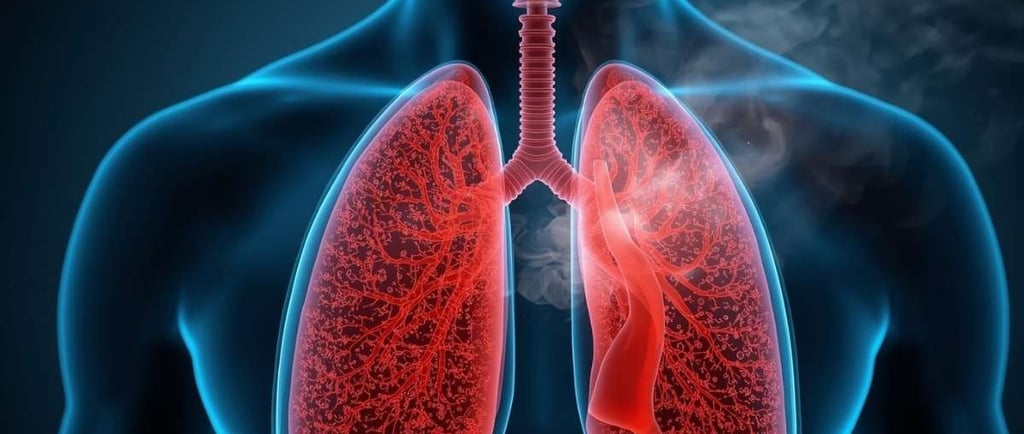
Air pollution is increasingly recognized as a significant contributor to a range of respiratory diseases, presenting a severe public health challenge worldwide. The inhalation of airborne pollutants, which includes particulate matter (PM), nitrogen oxides (NOx), sulfur dioxide (SO2), and volatile organic compounds (VOCs), can adversely affect lung function and exacerbate existing conditions. Such pollutants penetrate deep into the lungs, leading to inflammation and structural damage over time, which can result in conditions like chronic obstructive pulmonary disease (COPD), asthma, and emphysema.
According to the World Health Organization (WHO), millions of individuals suffer from respiratory ailments attributable to air pollution. In fact, the WHO attributes approximately 7 million premature deaths each year to exposure to fine particulate matter in the air. COPD, which encompasses conditions characterized by persistent respiratory symptoms and airflow limitation, constitutes one of the leading causes of mortality globally. Studies indicate that air pollution is a crucial factor in the development and progression of COPD, revealing that long-term exposure to polluted air can greatly impair lung functioning.
Moreover, children and the elderly tend to be particularly susceptible to the effects of polluted air, resulting in increased hospitalization rates and reduced quality of life. Asthma, another prevalent respiratory condition, is frequently triggered or aggravated by poor air quality; symptoms such as wheezing, coughing, and difficulty breathing can intensify in polluted environments. The economic burden of these diseases is significant, as healthcare costs and loss of productivity escalate in areas with high levels of air pollution.
In summary, the link between air pollution and respiratory diseases is evident, with substantial evidence highlighting the need for effective measures to mitigate pollution levels. Reducing airborne contaminants is crucial for improving public health and reducing the burden of respiratory conditions.
Asthma and Bronchitis: The Children of Contaminated Air
Air pollution has been recognized as a significant contributor to respiratory illnesses, particularly asthma and bronchitis, affecting vulnerable populations such as children and the elderly. Studies indicate that children exposed to higher levels of air contaminants, including particulate matter and nitrogen dioxide, exhibit increased symptoms associated with asthma. For instance, a report by the World Health Organization (WHO) suggests that over 160,000 children under the age of five died from pneumonia associated with air pollution in 2016 alone.
Asthma, which can lead to chronic shortness of breath and long-term lung damage, has shown a marked increase in prevalence in urban areas with higher pollution levels. Research published in the journal Environmental Health Perspectives highlighted that children living in areas with elevated traffic emissions were 30% more likely to be diagnosed with asthma. Airborne pollutants can irritate the airways, causing inflammation that worsens existing asthma conditions and increasing susceptibility to new cases.
Bronchitis, characterized by inflammation of the bronchial tubes, is equally aggravated by poor air quality. Children living near industrial areas or heavy traffic report higher incidences of bronchitis, particularly chronic bronchitis, which can lead to severe health consequences over their lifetime. The Centers for Disease Control and Prevention (CDC) emphasizes that exposure to pollutants is associated with increased hospital visits and missed school days.
The accumulation of these studies suggests a clear link between air pollution and respiratory health, underscoring the importance of addressing environmental pollutants to protect vulnerable populations. Mitigation strategies, such as reducing vehicle emissions and increasing green spaces, are essential in curbing these health issues and promoting healthier air for future generations. Addressing air quality can significantly decrease the prevalence of asthma and bronchitis, fostering a healthier environment for our children.
Heart Disease: The Silent Killer
Air pollution has emerged as a significant risk factor for cardiovascular diseases, which include heart attacks and strokes, often referred to as the silent killers due to their often unrecognized symptoms during their onset. The link between poor air quality and heart health is increasingly supported by a growing body of epidemiological studies that reveal a troubling correlation between elevated levels of air pollutants and increased incidences of heart disease.
Research indicates that fine particulate matter (PM2.5), nitrogen dioxide (NO2), and sulfur dioxide (SO2) are particularly harmful to cardiovascular health. When inhaled, these pollutants can penetrate the lungs and enter the bloodstream, triggering inflammatory responses and oxidative stress that can lead to endothelial dysfunction. This dysfunction is a precursor to atherosclerosis, where plaque builds up in the arteries, decreasing blood flow and increasing the risk of heart attacks and strokes.
According to the World Health Organization (WHO), cardiovascular diseases are the leading cause of death globally, with a significant proportion attributable to air pollution exposure. WHO estimates that approximately 4.2 million premature deaths are linked to outdoor air pollution each year, with cardiovascular conditions representing a large share of these fatalities. Moreover, populations residing in urban areas, often characterized by higher pollution levels, exhibit a marked rise in hospitalizations for heart-related issues compared to those in cleaner environments.
Sustained exposure to polluted air has been shown to exacerbate existing conditions such as hypertension and hyperlipidemia, further escalating the risk of cardiovascular events. Given the high stakes associated with air quality and heart health, it is crucial for public health initiatives to address air pollution, implement stricter regulations, and promote awareness about its impact on cardiovascular diseases.
Cancer Risk: The Long-Term Consequences
Air pollution has been increasingly recognized as a significant contributor to the incidence of various types of cancer, particularly in densely populated urban areas. Epidemiological studies have consistently shown correlations between exposure to specific air pollutants and heightened cancer risks. Among the most studied is lung cancer, which has demonstrated a strong association with fine particulate matter (PM2.5) and other hazardous air pollutants such as benzene and formaldehyde. These substances, prevalent in industrial emissions and vehicular exhaust, carry carcinogenic properties that compromise respiratory health and can lead to cellular mutations over time.
Bladder cancer is another malignancy linked to air pollution, notably due to exposure to pollutants like polycyclic aromatic hydrocarbons (PAHs) and nitrogen oxides. Research has indicated that individuals residing in areas with elevated levels of these pollutants exhibit a substantially increased risk of developing bladder cancer. The International Agency for Research on Cancer (IARC) has classified outdoor air pollution as a Group 1 carcinogen, affirming its role in cancer etiology.
In addition to these specific cancers, emerging studies suggest that other malignancies, such as breast and prostate cancer, may also be influenced by pollutant exposure. Statistical data indicate a worrying trend: urban areas with significant air pollution levels are experiencing an upward trajectory in cancer diagnoses. This trend raises concerns about public health, necessitating urgent attention from policymakers and healthcare providers.
Experts underscore the importance of comprehensive air quality regulations to mitigate these risks, emphasizing that reducing emissions can significantly lower the cancer burden associated with air pollution. Proper monitoring and public awareness initiatives are crucial in combating the long-term health consequences of air pollution, particularly its carcinogenic impacts on vulnerable populations.
Vulnerable Populations: Effects on Children and the Elderly
Air pollution poses significant health risks to various demographic groups, notably children and the elderly. These populations are particularly vulnerable to the adverse effects associated with exposure to poor air quality. Children are in a critical period of growth and development, making them especially susceptible to environmental toxins.
Research has shown that exposure to pollutants in early life can result in significant developmental challenges. For instance, studies indicate that children who are exposed to high levels of particulate matter may experience cognitive impairments, which can affect academic performance and overall mental functioning. Additionally, respiratory issues such as asthma and reduced lung function have been linked to exposure to polluted air during childhood. These conditions can restrict physical activity and lead to further health complications as they grow older.
Pregnant women also face heightened risks related to air pollution, as harmful substances can affect fetal development. Evidence suggests that exposure to pollutants during pregnancy is associated with low birth weight, preterm births, and developmental disorders. Consequently, safeguarding air quality is crucial not just for immediate health, but for the long-term well-being of future generations.
On the other hand, the elderly population is at an increased risk of severe health outcomes associated with air pollution. Older adults often have pre-existing health conditions such as heart disease or chronic obstructive pulmonary disease, making them more vulnerable to the exacerbating effects of poor air quality. Studies indicate that long-term exposure to high levels of air pollution can lead to increased hospital admissions, exacerbations of existing diseases, and even premature mortality.
In summary, both children and elderly individuals represent vulnerable populations profoundly impacted by air pollution. Their specific health challenges necessitate targeted interventions and policies to improve air quality, safeguard their health, and mitigate the long-term public health implications of air pollution.
Mental Health and Cognitive Effects
Air pollution is often discussed in the context of physical health, but its implications for mental health and cognitive function are increasingly gaining attention. Research has suggested a concerning link between exposure to polluted air and various mental health disorders, including depression and anxiety. In particular, fine particulate matter (PM2.5) has been associated with heightened psychological distress.
Recent studies indicate that prolonged exposure to such pollutants may lead to neuroinflammation and oxidative stress, both of which can adversely affect brain function. A study published in the journal "Environmental Health Perspectives" found that individuals living in areas with higher air pollution levels reported significantly higher instances of depressive symptoms. This association is particularly alarming for vulnerable populations, such as children and the elderly.
In addition to mood disorders, research suggests that air pollution has a detrimental impact on cognitive development in children and cognitive decline in adults. According to a study published in the "Proceedings of the National Academy of Sciences," cognitive impairment was observed in older adults exposed to elevated levels of air pollution. Findings from the World Health Organization (WHO) corroborate these claims, indicating that people residing in polluted environments are at an increased risk for mental health issues and cognitive decline.
The emerging body of evidence underscores the need for greater awareness and research into the mental health consequences of air pollution. While physical health effects are critical, the psychological ramifications cannot be overlooked. Understanding the profound impact of polluted air on mental well-being is essential for developing effective public health strategies and interventions aimed at reducing air pollution and protecting mental health.
Address:
264/5, Kamal Soroni Road, Mirpur, Dhaka-1216
Contact
Your Quaries on pest control askings
pestexterminatorbd@gmail.com
+8801642008383 +8801988300003, 01723057746
© 2025. All rights reserved. to Urban Pest Control Pvt. Ltd. this site is powered by Our Own IT Team