
Eco-Friendly Pest Control in Dhaka: Safe for Kids, Pets & Environment
3/26/20267 min read
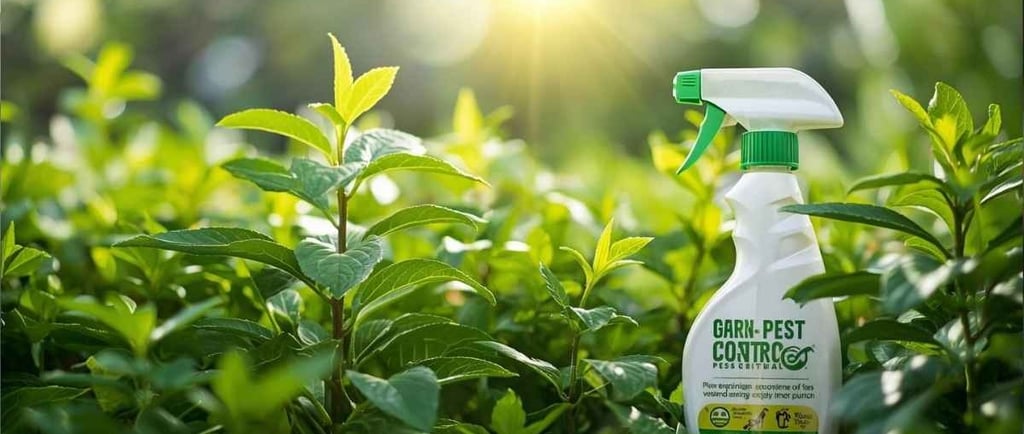

Pest control has become an essential aspect of maintaining a healthy living environment, especially in urban locales like Dhaka. As urbanization increases, so does the prevalence of pests, leading to a growing necessity for effective pest management strategies. Traditional pest control methods often involve the use of harmful chemicals that pose risks not only to the environment but also to human health and safety. These methods can have detrimental effects on children, pets, and naturally occurring ecosystems.
Eco-friendly pest control emphasizes the importance of using safer alternatives to eliminate pests while minimizing adverse side effects. This innovative approach incorporates natural methods, such as biological pest control, and the application of organic substances that are less harmful than conventional pesticides. Suchan approach not only effectively manages pest populations but also promotes sustainability by reducing the chemical footprint left behind in our environments.
Families seeking pest control solutions in Dhaka are increasingly recognizing the significance of eco-friendly practices. This shift is driven largely by heightened awareness regarding the potential health hazards associated with synthetic pesticides, many of which are linked to respiratory issues, skin irritations, and long-term health complications. For instance, children are particularly vulnerable due to their developing systems, and pets can experience adverse reactions to exposure to toxic substances.
Moreover, environmentally safe pest control helps preserve beneficial insects and wildlife, contributing to a balanced ecosystem. By employing eco-friendly methods, residents can work towards achieving an environmentally conscious approach to pest management that protects their households without compromising the planet’s health.
Understanding the Risks of Traditional Pest Control Methods
Traditional pest control methods often rely on highly toxic chemicals that pose significant risks to both human health and the environment. Many of these chemical agents are designed to kill pests swiftly, but this efficacy frequently comes at a high cost. Children and pets are particularly vulnerable to exposure, which can lead to serious health hazards such as respiratory issues, skin irritations, and neurological damage. According to the American Association of Poison Control Centers, thousands of cases of pesticide poisoning occur annually, with a notable percentage involving children under the age of six.
Furthermore, these toxic chemicals do not simply vanish after application. Residues can linger in homes and neighborhoods, potentially exposing inhabitants long after the initial treatment. This accumulation of chemicals can lead to chronic exposure, raising concerns about developmental issues in children and long-term health problems for pets. A study published in the Journal of Pediatric Health Care highlights that children living in homes where pest control products are frequently used are at a higher risk for various health complications.
The environmental repercussions of traditional pest control methods also merit significant attention. Pesticides frequently leach into soil and waterways, where they can disrupt local ecosystems and harm beneficial organisms, including pollinators such as bees. Moreover, the widespread use of these agents contributes to the growing problem of pesticide resistance among pests, prompting farmers and homeowners to resort to even more potent chemicals. According to the U.S. Environmental Protection Agency, this cycle can result in a perpetual escalation of toxic usage, jeopardizing not only the environment but also public health.
Herbal Solutions: Natural Alternatives for Pest Control
As urban areas like Dhaka grapple with pest management, the search for safe and effective methods has led many to explore herbal solutions. These natural alternatives not only offer pest control options that are safer for children and pets but also contribute positively to environmental sustainability. Utilizing common herbs and plants can be an effective way to repel or eliminate pests without resorting to harmful chemicals.
Among the various herbal solutions, neem (Azadirachta indica) stands out due to its insecticidal properties. The leaves and oil extracted from neem are known to disrupt the life cycle of pests, effectively repelling mosquitoes, ants, and other unwanted insects. Similarly, the essential oils of peppermint and eucalyptus serve as strong repellents, discouraging pests from invading homes while providing pleasant scents.
Another effective herb for pest control is lavender. The aroma of lavender is not only delightful but also acts as a deterrent against moths and flies. Planting lavender around homes can create a natural barrier while enhancing the aesthetic appeal of gardens. Furthermore, basil and rosemary are known for their dual purpose; they not only serve as culinary herbs but can also repel certain insects like flies and mosquitoes, making them practical allies in sustainable pest management.
Transitioning to herbal solutions can also be more affordable in the long run. Many households can grow these plants in their gardens or pots, reducing dependency on commercial pest control products. This practice not only helps in controlling pests but also supports a sustainable lifestyle by promoting gardening and the use of organic resources.
In summary, utilizing herbal solutions for pest control in Dhaka offers an effective, safe, and environmentally friendly approach. These natural alternatives provide a way to manage pest issues while ensuring the safety of children and pets, reflecting a growing trend towards eco-conscious living.
Low Toxicity Chemicals: An Overview
In the quest for effective pest control solutions, low toxicity chemicals have emerged as a viable alternative to traditional chemical approaches. These products are formulated to minimize harm to human health, pets, and the environment while ensuring pests are effectively managed. Low toxicity chemicals encompass a range of substances, including botanical-based insecticides, biopesticides, and certain synthetic compounds designed to target specific pest species with minimal collateral damage.
Low toxicity chemicals work through various mechanisms. For instance, many botanical insecticides are derived from plants and function by disrupting the lifecycle or physiological processes of pests, ultimately leading to their demise. Others may act by repelling pests without inducing toxicity to non-target organisms. This targeted action is one reason these products are increasingly favored in residential settings, especially where children and pets frequently play.
When selecting low toxicity pest control products, it is crucial for families to pay attention to specific certification and labeling guidelines. Look for products that are registered with regulatory bodies, which ensures they meet safety standards for human health and environmental impact. Many low toxicity options carry certification labels such as the EPA Safer Choice or specific organic certifications that guarantee the product’s safety profile.
Moreover, understanding the application methods and the conditions under which these low toxicity products can be effective is paramount. Some products may require specific application techniques and timing for optimal efficacy, and reading manufacturer instructions is essential for safe use. By being informed about low toxicity chemical options, families can make sound decisions that protect their loved ones and contribute to a healthier ecosystem.
Comparison of Eco-Friendly Methods vs Traditional Methods
In the realm of pest control, there exists a significant dichotomy between eco-friendly methods and traditional chemical-based approaches. Eco-friendly pest control focuses on natural and organic substances, prioritizing safety for children, pets, and the environment. In contrast, traditional methods often utilize synthetic pesticides that may effectively eliminate pests but come with various risks and long-term implications.
Effectiveness is a crucial metric in evaluating these two approaches. Traditional pest control methods frequently boast rapid results, providing immediate relief from infestations. However, the effectiveness can be transient, as pests may develop resistance over time, necessitating increased application and, consequently, more toxic chemicals. Eco-friendly solutions, while typically slower to act, utilize integrated pest management strategies that target pest behavior and biology, yielding sustainable results without fostering resistance.
When considering safety, eco-friendly methods inherently pose less risk to non-target organisms, including humans and pets. Chemicals in traditional pest control can lead to acute poisoning, respiratory issues, and long-term health complications. On the contrary, organic solutions, such as diatomaceous earth or essential oils, are often less harmful and can be safely employed in homes and gardens without the same level of concern.
Cost is another critical aspect to consider. Traditional pest control services may appear less expensive upfront; however, the need for repeat applications and potential health-related expenses can accumulate over time. Eco-friendly pest control options may have a higher initial cost, yet many solutions are implemented through DIY methods that can provide lasting protection at reduced long-term expenses.
Finally, the environmental impact of pest control methods cannot be overlooked. Chemical methods can lead to soil and water contamination, affecting not just the immediate environment but also larger ecosystems. Eco-friendly practices prioritize sustainability, reducing the ecological footprint while maintaining pest management efficacy.
Implementing Eco-Friendly Pest Control at Home
Implementing eco-friendly pest control in your home starts with effective prevention strategies. One of the most vital measures is maintaining cleanliness. Regularly cleaning your home by removing food scraps, securing rubbish, and vacuuming can greatly reduce the likelihood of attracting pests. Simple habits such as wiping counters and storing food in sealed containers will contribute to a pest-free environment.
Another key element is sealing entry points. Inspect your home for gaps around windows, doors, and foundations where pests can gain access. Sealing these areas using caulk or weather stripping is a proactive measure that can significantly impede pest entry. Furthermore, ensure that screens in windows and doors are intact to prevent the infiltration of insects.
Utilizing natural deterrents is also a crucial strategy in eco-friendly pest control. Many household items can serve as effective pest repellents. For example, a mixture of vinegar and water is known to deter ants, while peppermint oil can be effective against spiders. Alternatively, introducing beneficial insects like ladybugs can help control pest populations naturally. You might also consider planting herbs like basil or lavender, which can repel certain pests while enhancing your home’s ambiance.
Additionally, it is beneficial to compost organic waste, which not only reduces the amount of waste sent to landfills but also creates nutrient-rich soil for your plants. This encourages biodiversity in your garden, which can naturally deter pests as well. Consider educating your family about these eco-friendly practices to involve everyone in maintaining a pest-free home.
By adopting these eco-friendly pest control measures, you can contribute to a healthier environment for both your family and the ecosystem.
Conclusion and Call to Action
In summary, the importance of adopting eco-friendly pest control methods cannot be overstated, especially in urban settings like Dhaka. The health and safety of our children, pets, and environment should be paramount considerations when tackling pest issues. As discussed, traditional pest control methods often involve hazardous chemicals that not only pose risks to human health but also adversely affect our ecosystems. By choosing organic and environmentally friendly alternatives, we not only mitigate these risks but also promote a sustainable future.
It is crucial for residents in Dhaka to be aware of the options available for safe pest management techniques. Utilizing natural repellents such as neem oil, diatomaceous earth, or even essential oils not only helps in keeping unwanted pests at bay but does so without compromising the well-being of your family or pets. Furthermore, educating oneself on prevention strategies, such as proper waste disposal and maintaining cleanliness, can significantly reduce the likelihood of pest infestations.
We encourage readers to take action by implementing these eco-friendly pest control methods in their own homes, advocating for their use within their communities, and sharing this knowledge with others. Spreading awareness about safe pest control alternatives can lead to healthier environments for everyone in Dhaka. As stewards of our communities, it is our responsibility to prioritize safety and sustainability, ensuring that future generations can enjoy a clean and healthy environment.
Address:
264/5, Kamal Soroni Road, Mirpur, Dhaka-1216
Contact
Your Quaries on pest control askings
pestexterminatorbd@gmail.com
+8801642008383 +8801988300003, 01723057746
© 2025. All rights reserved. to Urban Pest Control Pvt. Ltd. this site is powered by Our Own IT Team