
Cockroach Control Service – Complete Solution for Kitchen Hygiene
3/11/20267 min read
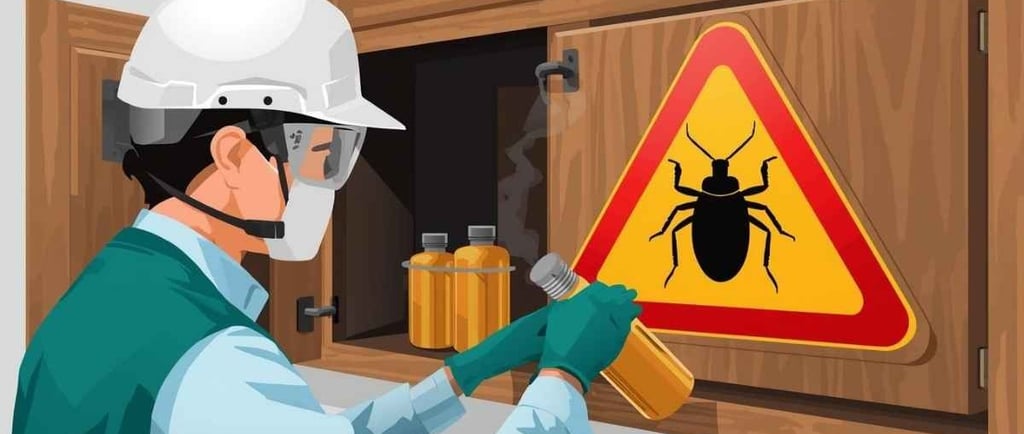
Understanding Cockroaches: The Unwanted Kitchen Guests
Cockroaches are among the most prevalent household pests, primarily infiltrating kitchens and food storage areas. Known for their resilience and adaptability, these insects have developed biological traits that allow them to thrive in various environments, including urban households. With a flat, oval body and long antennae, cockroaches can easily maneuver through tight spaces, enabling them to inhabit places often overlooked by homeowners.
One of the key characteristics of cockroaches is their ability to reproduce rapidly. A female cockroach can produce hundreds of offspring in her lifetime, giving rise to large populations that can quickly become overwhelming. Typically, a single egg case, known as an ootheca, can contain anywhere from 30 to 40 eggs, which hatch into nymphs within a few weeks. This remarkable reproductive capacity makes it challenging to control their numbers once an infestation occurs, particularly in food-related environments.
In terms of behavior, cockroaches are primarily nocturnal creatures, foraging for food and water after dark when human activity is minimal. Their scavenging habits make them notorious for feeding on various organic materials, including leftover food, paper, and even waste. Unfortunately, this diet contributes to their reputation as vectors for disease, as they can easily transfer harmful bacteria and pathogens through their droppings and body parts.
Their physiological structure also plays a role in their survival. Cockroaches possess a tough exoskeleton that provides protection against predators and harsh environmental conditions. In addition, they are capable of surviving without food for extended periods, which allows them to maintain a steady presence in homes even in times of food scarcity.
Given these characteristics, it is essential for homeowners to take proactive measures to prevent cockroach infestations. Maintaining cleanliness in kitchen areas and utilizing effective pest control strategies can help mitigate the threat these unwanted guests pose to food safety.
The Role of Cockroaches in Food Contamination
Cockroaches are notorious for their role in food contamination, largely due to their omnivorous feeding habits and the pathogens they carry. These insects thrive in environments rich in food debris and organic waste, making kitchens and food storage areas prime locations for their infestations. When cockroaches feed, they not only consume food residues but also leave behind saliva, feces, and bodily secretions. These byproducts can contaminate food products directly, leading to significant health risks for consumers.
Research indicates that cockroaches can harbor a variety of pathogenic microorganisms, including bacteria such as Salmonella, E. coli, and Staphylococcus. As these pests move from unsanitary environments to food surfaces, they can transfer these harmful bacteria, creating a serious threat to public health. The transmission of allergens is also a concern, as certain species of cockroaches can provoke allergic reactions in sensitive individuals. The proteins present in their droppings, saliva, and body parts can trigger asthma attacks and other allergic responses when ingested or inhaled.
The sheer resilience of cockroaches compounds their threat; they are known to survive in harsh conditions and can reproduce rapidly, leading to larger infestations over time. It is crucial to implement effective pest control measures to mitigate the risk of food contamination. Regular cleaning, proper storage of food items, and the sealing off of entry points can help prevent cockroach infestations. Awareness of the role these pests play in food contamination is essential for maintaining a safe culinary environment and protecting public health.
Common Bacteria and Diseases Spread by Cockroaches
Cockroaches are notorious for being carriers of various harmful pathogens. Among these, Salmonella and E. coli are two of the most significant bacteria associated with cockroach infestations, both of which can lead to foodborne illnesses. Salmonella can predominantly be found in the intestinal tracts of animals and humans, and when ingested, it can cause symptoms such as fever, diarrhea, abdominal cramps, and vomiting. The severity of these symptoms can vary, but in vulnerable populations such as the elderly, children, and those with weakened immune systems, the effects can be particularly grave, sometimes requiring hospitalization.
Another pathogen commonly linked to cockroaches is Staphylococcus aureus. This bacterium can lead to staph infections, particularly in open wounds but can also cause food poisoning. Symptoms of staph food poisoning may include nausea, vomiting, and stomach cramps. The quick onset of these symptoms within hours after consuming contaminated food often leads to misdiagnosis, causing undue distress among affected individuals.
Furthermore, cockroaches can spread other harmful pathogens such as streptococcus and certain strains of norovirus. These microorganisms are often associated with gastrointestinal infections that, while generally self-limiting, can cause serious health problems, particularly in those with pre-existing health issues. Additionally, prolonged exposure to cockroach waste and secretions has been shown to trigger allergic reactions and exacerbate asthma symptoms, especially in children.
The presence of cockroaches in food preparation areas thus poses a significant health risk. Vigilance is imperative, especially for populations at higher risk, to mitigate these dangers and maintain health standards. Awareness of the types of bacteria associated with cockroach infestations is essential for preventing the spread of these harmful pathogens and ensuring food safety.
Effective Cockroach Control Solutions: Gel Baiting
Cockroaches are notorious for contaminating food and spreading harmful bacteria. To combat these pests effectively, gel baiting has emerged as a popular control solution. This method utilizes specially formulated bait that attracts cockroaches, delivering a potent combination of active ingredients designed to eliminate them efficiently.
Gel bait typically contains a slow-acting insecticide, allowing cockroaches to consume it and return to their nests before succumbing to the effects. This characteristic not only ensures that the targeted insects are eradicated but also facilitates the transfer of the harmful substance to other cockroaches, effectively contaminating the entire colony through a process known as the "domino effect." Common active ingredients in cockroach gel baits include fipronil and hydramethylnon, which are deemed effective against various cockroach species.
The application process for gel baiting is straightforward, requiring only that the gel be placed in targeted areas where cockroaches are likely to congregate, such as behind appliances, in cracks and crevices, or along baseboards. The gel is designed to be discreet and safe for indoor applications, minimizing potential risks to humans and pets when used as directed. It is important to avoid placing bait in open areas where it can be easily disturbed.
In terms of effectiveness, gel baiting has been shown to significantly reduce cockroach populations when implemented in conjunction with good sanitation practices. While it might take several days to observe a noticeable decline in activity, persistence and following manufacturer instructions are critical for achieving success in exterminating these resilient pests.
Keeping Cockroaches at Bay: Chemical Spraying Methods
Cockroach infestations pose significant health risks due to the bacteria they carry, necessitating effective control methods. One such method is chemical spraying, which employs various insecticides aimed at eradicating these pests. Understanding the types of chemicals available and their application techniques can help homeowners and pest control professionals alike manage cockroach populations effectively.
There are several types of insecticides commonly used for cockroach control. Pyrethroids, a popular choice, act on the nervous system of the cockroach, causing paralysis and death. Another frequently used option is insect growth regulators (IGRs), which disrupt the development of immature cockroaches, preventing them from reaching maturity. Additionally, boric acid is often utilized due to its effectiveness and low toxicity to humans and pets when applied correctly.
Application techniques for these insecticides vary, with methods such as spray, fogging, and residual treatments being commonplace. For instance, a targeted spray can be applied directly to areas where cockroaches are likely to hide, including cracks, crevices, and behind appliances. Fogging creates a mist that penetrates hard-to-reach areas, ensuring broader coverage. Residual treatments involve applying a chemical layer that remains effective for an extended period, continuing to eliminate roaches as they come into contact with it.
While chemical spraying can be effective, safety measures are paramount to protect non-target organisms and prevent further food contamination. It is crucial to adhere to the manufacturer's safety guidelines, utilizing personal protective equipment (PPE) such as gloves and masks during application. Moreover, ensuring that food is stored properly and that surfaces are cleaned thoroughly before and after treatment can mitigate risks associated with pesticide exposure.
Utilizing chemical spraying methods can be a vital component in the overall strategy to keep cockroaches at bay, promoting a safe and hygienic environment.
Best Sanitation Practices to Prevent Cockroach Infestations
Maintaining a high level of sanitation is crucial in preventing cockroach infestations. These pests thrive in environments that offer easy access to food, moisture, and concealment. To effectively reduce the risk of a cockroach invasion, individuals and businesses should adopt several best practices aimed at creating an inhospitable environment for these unwanted guests.
First and foremost, kitchen cleanliness cannot be overstated. Regularly sweeping and mopping floors will eliminate crumbs and spills that attract cockroaches. It is advisable to clean countertops and other surfaces daily with appropriate cleaning agents and to store food in airtight containers. This practice not only keeps food fresh but also minimizes access for pests.
Proper food storage is another significant factor in combating cockroach infestations. All perishables should be kept in the refrigerator, while non-perishable items should be stored in sealed containers. Broken packages or unsealed foods can invite cockroaches, so ensuring all food items are well-packed is imperative.
In addition, reduce moisture around the kitchen and other areas commonly used for food preparation. Cockroaches require moisture for survival, meaning fixing leaks promptly and using exhaust fans to reduce humidity can help decrease their attractiveness. It is also wise to regularly inspect drainage areas and eliminate any standing water.
Developing a routine cleaning schedule is beneficial, as is decluttering storage spaces to eliminate hiding spots. Regularly disposing of trash and keeping garbage bins sealed can also play a vital role in reducing the temptations for cockroaches. By implementing these sanitation practices, individuals can effectively safeguard their living and working environments against potential infestations.
When to Call in the Professionals: Choosing a Cockroach Extermination Service
The presence of cockroaches in a home can lead to significant health risks and property damage, making it vital to address infestations promptly. Homeowners should be aware of several indicators suggesting the need for a professional cockroach exterminator. First and foremost, an increase in sightings or evidence of feces is a clear sign of a severe infestation. Cockroaches tend to breed rapidly, and the presence of eggs or empty egg cases can hint at a larger problem lurking within the walls or other areas of your property.
Additionally, if residents observe a musty odor that seems to emanate from hidden or enclosed spaces, it might suggest a burgeoning cockroach population. Homeowners should also consider the risk factors within their environment, such as proximity to areas where roaches thrive, like waste management sites or sewers, which can exacerbate the problem.
Engaging the services of professional pest control offers several benefits. Expert exterminators possess the necessary experience and knowledge to effectively eradicate cockroaches and implement preventative measures. They can provide targeted treatments that are often more potent than over-the-counter solutions and can identify the root causes of the infestation, thereby aiding in long-term management. Moreover, reputable pest control companies utilize safe, eco-friendly methods that minimize health risks to inhabitants.
When searching for a cockroach pest control service, consider evaluating their credentials, customer testimonials, and the methods they utilize. A trustworthy extermination service should offer clear plans tailored to the severity of the infestation and provide follow-up treatments to ensure that the problem is fully resolved. By taking these steps, homeowners can safeguard their environment from the threats posed by cockroaches, ensuring a safer and healthier living space.
Address:
264/5, Kamal Soroni Road, Mirpur, Dhaka-1216
Contact
Your Quaries on pest control askings
pestexterminatorbd@gmail.com
+8801642008383 +8801988300003, 01723057746
© 2025. All rights reserved. to Urban Pest Control Pvt. Ltd. this site is powered by Our Own IT Team