
Best Pruning Tools for Plants and Trees in Bangladesh
3/8/20267 min read
Introduction to Pruning Tools
Pruning is an essential practice in gardening and landscaping aimed at maintaining the vitality and aesthetics of plants. This horticultural technique involves selectively removing specific plant parts, such as branches, buds, or roots, to enhance overall health and appearance. Regular pruning not only stimulates growth but also helps in controlling plant size and shape, thereby improving their structural integrity and ensuring they thrive in their environment.
The significance of pruning extends beyond mere aesthetics. Proper pruning practices can prevent diseases by improving air circulation and sunlight penetration, which minimizes damp conditions that favor harmful pests and pathogens. Additionally, it encourages the development of strong, productive foliage and flowering, ultimately leading to a more vibrant and healthy garden or landscape.
To effectively engage in pruning, one must have the right tools. There is a variety of pruning tools available that cater to different needs and purposes, each designed to make the process more efficient and safe. The primary types of tools include shears, cutters, and saws. Shears, especially pruning shears, are designed for making clean cuts on small branches and flowers. Cutters are suited for cutting thicker branches and tougher stems, while specialized saws handle larger limbs and more substantial wood with ease.
Having a proper understanding of these tools and their respective uses is crucial for achieving successful pruning outcomes. As we delve deeper into this topic throughout the blog post, readers will gain insight into the specific characteristics of each type of pruning tool, how to choose the right tool for their gardening needs, and tips for proper usage to ensure optimal plant health and aesthetics.
Understanding Pruning Shears: Features and Uses
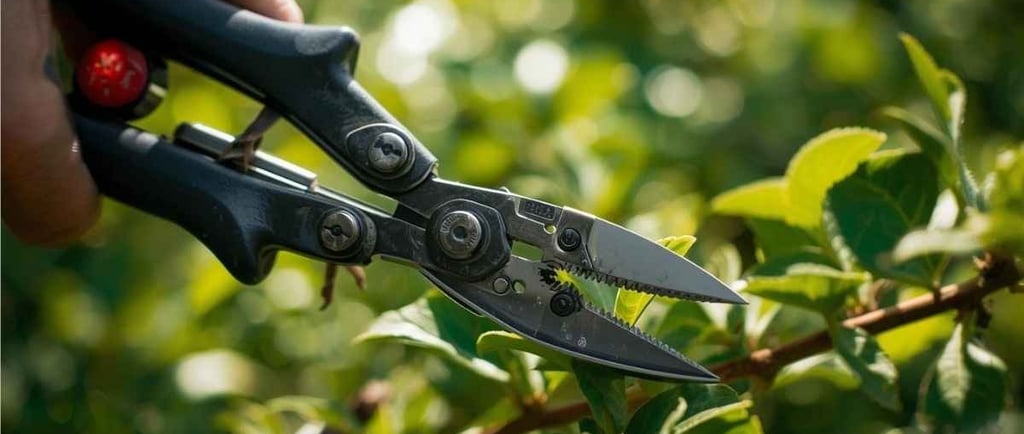
Pruning shears, an essential tool in any gardener's arsenal, come in various types—each designed to cater to specific cutting needs. Two predominant types of pruning shears are bypass shears and anvil shears, each featuring distinct mechanisms that influence their performance and suitability for different tasks.
Bypass shears are similar in design to a pair of scissors, consisting of two blades that glide past each other. This action allows for clean cuts that minimize damage to plant tissues. They are particularly effective for live stems and branches, as the clean cuts help promote faster healing and prevent disease. The sharpness of the blades is crucial; hence, it is advisable to choose high-quality bypass shears to ensure longevity and effective performance.
On the other hand, anvil shears feature a single sharp blade that converges onto a flat surface or "anvil." This design is ideal for cutting through tougher, dead wood since the anvil provides a firm surface to exert force. While anvil shears may not be suitable for live plant material, they excel in trimming dry branches or woody stems, making them a valuable addition to a comprehensive pruning toolkit.
When selecting the right type of pruning shears, it is essential to consider the specific tasks that need addressing. For gardeners focusing on maintaining healthy plants through regular trimming of branches, bypass shears are often the preferred choice. Conversely, for those needing to manage more challenging pruning tasks, such as cutting through hardier materials, anvil shears can be better suited. Ultimately, employing the correct type of shears ensures precision, promotes healthy plant growth, and leads to successful gardening outcomes.
Branch Cutters: Strength and Precision for Bigger Jobs
Branch cutters, commonly referred to as loppers, are essential tools in the realm of gardening and landscape maintenance. These tools are specifically designed to handle larger and thicker branches that standard shears may struggle with. Typically featuring long handles that extend the reach of the user while providing significant leverage, branch cutters can easily cut through branches of varying diameters, making them ideal for tackling the more substantial tasks associated with maintaining larger plants and trees.
The design of branch cutters includes sharp, powerful blades that are engineered to make clean cuts with minimal effort. The long handles not only offer extended reach but also enable the user to apply greater force, resulting in effective cutting without straining the hands or wrists. This ergonomic advantage is particularly noteworthy when dealing with harder wood that requires more torque to cut through. Hence, branch cutters serve as an indispensable tool in any gardener's arsenal, especially for those managing more expansive or overgrown areas.
Choosing to utilize branch cutters rather than basic shears can significantly enhance the efficiency and effectiveness of garden maintenance. For example, when pruning fruit trees or ornamental shrubs that have thick, woody stems, branch cutters provide the precision and strength needed to achieve a neat and healthy result. Additionally, they can be utilized for aesthetic shaping and to promote healthier growth by allowing proper air flow and sunlight to penetrate through the foliage. Overall, understanding the correct application of branch cutters ensures that larger plants remain vibrant and well-managed, securing their health for seasons to come.
Garden Saws: The Tool for Heavy-Duty Pruning
Garden saws play an integral role in gardening, especially when larger branches and more demanding pruning tasks need to be addressed. Unlike hand pruners or shears, which are suitable for lighter work, garden saws are designed for cutting through thicker branches and ensuring precise and clean cuts. This makes them essential tools to have for any serious gardener aiming to maintain healthy plants.
There are several types of garden saws, each with its specific applications. Folding saws, for instance, are compact and suitable for portable garden work. Their collapsible design makes them easy to carry, making them ideal for gardeners who are often on the move. Additionally, folding saws are typically lightweight while maintaining robustness, allowing gardeners to handle them efficiently without compromising on performance.
Bow saws are another popular choice for heavier pruning tasks. Characterized by a wide bow-shaped frame, these saws are designed to take on larger branches with ease. The teeth of bow saws are often aggressive, allowing for faster cuts, which can be crucial during the growing season when plants need regular maintenance. However, while bow saws can make quick work of thick wood, they require more strength and technique to wield effectively.
When choosing the appropriate garden saw for specific pruning projects, it is essential to consider several factors such as the size of the branches to be cut, the type of wood, and the desired type of cut. Safety should also be a consideration; using a saw that feels comfortable and manageable will enhance both the efficiency of the task and the user's overall well-being. In conclusion, selecting the right type of garden saw can ensure effective trimming, promoting the health and vitality of plants while making the pruning process smoother and safer for the gardener.
The Importance of Proper Tool Maintenance
Proper maintenance of pruning tools is a vital practice that contributes significantly to their longevity, efficiency, and reliability. A well-maintained tool not only performs its function better but also ensures that the health of the plants being pruned is optimized. Regular maintenance encompasses various tasks, including cleaning, sharpening, and appropriate storage.
After each use, it is essential to clean the tools thoroughly. Pruning shears, cutters, and saws can accumulate plant sap, dirt, and other residues that may hinder their performance. Cleaning the blades with warm soapy water and wiping them dry helps to prevent rust and maintain a sharp edge. Additionally, using a diluted bleach solution can disinfect the tools, which is crucial for preventing the spread of diseases among plants.
Sharpening is another critical aspect of tool maintenance. Dull blades can tear rather than cut through plant tissue, leading to jagged edges that are more susceptible to disease. Regularly honing the blades with a sharpening stone or file ensures clean cuts, which can enhance the overall health of the plants. A sharp tool will require less effort, making pruning tasks quicker and minimizing hand fatigue.
Finally, the storage of pruning tools also plays a key role in their maintenance. Tools should be stored in a dry, sheltered space to prevent rust and damage. Hanging tools or placing them in a toolbox can keep them organized and ready for the next use. By adhering to these maintenance practices, gardeners can enhance the effectiveness of their pruning tasks, encourage robust plant growth, and prolong the lifespan of their tools.
Best Practices for Pruning with Tools
Pruning is a critical task in maintaining the health and aesthetics of plants. Utilizing pruning tools effectively can significantly impact the plants’ growth and overall condition. To begin with, it is essential to choose the right tool for the job; whether shears, cutters, or saws, each has a particular use that ensures clean cuts and minimizes damage to the plant tissue. For instance, bypass pruners are ideal for green stems, while loppers and saws are best suited for thicker branches.
When making cuts, it is recommended to follow the three-cut technique for larger branches to prevent tearing the bark. The first cut should be made on the underside of the branch, about 6-12 inches from the trunk, to create a notch. The second cut should be made on the top of the branch, farther out to remove the limb. Finally, the third cut should be executed at the branch collar to ensure an even healing process. This method is vital in ensuring that the plant can heal properly, reducing the risk of disease entry.
The timing of pruning is also crucial. Different plants have specific seasons when they respond best to pruning. For many flowering shrubs, late winter or early spring is optimal, while some trees are best pruned during dormancy in late fall or early winter. Understanding the correct timing for pruning each type of plant can contribute to better blooming and growth.
Safety is paramount when using pruning tools. Always wear protective gloves and eyewear to guard against potential injuries. Additionally, ensure that tools are clean and sharp to prevent strain while cutting and to achieve precise cuts. Following these best practices will not only enhance the effectiveness of pruning activities but also promote the health and vigor of your plants, ensuring they flourish throughout the growing season.
Conclusion: Enhancing Plant Health with the Right Tools
In conclusion, the selection of appropriate pruning tools plays a vital role in maintaining the health and aesthetics of plants. The various tools discussed, including shears, cutters, and saws, each serve specific functions that are important for effective pruning. Understanding the characteristics and intended use of these tools can greatly enhance the gardening experience, allowing enthusiasts, whether amateur or experienced, to care for their plants more efficiently.
Quality tools not only promote better plant care but also ensure longevity and reliable performance. Investing in high-quality pruning shears, cutters, and saws may entail a higher initial cost; however, the payoff in terms of plant health and tool durability makes it a worthwhile consideration. Additionally, adopting proper techniques when using these tools is essential to prevent damage to the plants and to encourage optimal growth.
It is equally important to remember that different plants may require different approaches to pruning. For instance, some plants may thrive with heavier pruning while others may only need light trimming. Having a diverse selection of tools can help gardeners adapt to the specific needs of their plants, ensuring that each receives the care it requires for robust growth.
Ultimately, enhancing the vitality of plants goes beyond just having the right tools; it involves a thoughtful application of pruning techniques to achieve the desired results. Regular maintenance, coupled with the right equipment, paves the way for a successful gardening endeavor. By prioritizing the selection of suitable pruning tools and techniques, gardeners can foster not only the health of their plants but also their overall gardening enjoyment.
Address:
264/5, Kamal Soroni Road, Mirpur, Dhaka-1216
Contact
Your Quaries on pest control askings
pestexterminatorbd@gmail.com
+8801642008383 +8801988300003, 01723057746
© 2025. All rights reserved. to Urban Pest Control Pvt. Ltd. this site is powered by Our Own IT Team