
Best Pest Control Service in Dhaka – Safe & Professional Pest Exterminator
3/13/20269 min read

The Commonality of Pest Problems in Dhaka Homes and Offices
Dhaka, the capital city of Bangladesh, is a bustling metropolis characterized by rapid urbanization and a dense population. These factors contribute significantly to the prevalence of pest problems in both residential and commercial properties throughout the city. Notably, environmental conditions, inadequate sanitation, and the challenges associated with urban growth play a pivotal role in creating an environment conducive to pest infestations.
One of the foremost factors contributing to pest issues in Dhaka is the city's climate. The warm and humid weather provides an ideal breeding ground for various pests, including rodents, cockroaches, and mosquitoes. The combination of high temperatures and moisture levels facilitates the reproduction and survival of these pests, making it increasingly common for households and businesses to experience pest problems.
Additionally, the rapid urbanization of Dhaka has led to an increase in construction activities, which disrupts the natural habitats of pests. As buildings are erected and green spaces diminish, pests seek refuge in residential and commercial structures. Urban sprawl has not only intensified the competition for space among pests but has also made it easier for them to infiltrate homes and offices.
Sanitation issues further exacerbate pest problems in Dhaka. Many neighborhoods struggle with waste management, leading to the accumulation of garbage and stagnant water bodies. Such conditions serve as perfect breeding grounds for pests, attracting them to both private residences and public spaces. Poor waste disposal practices and a lack of proper drainage systems create an environment where pests thrive, thereby posing health risks to the residents.
In conclusion, the combination of environmental conditions, urban development, and sanitation challenges contributes to the high incidence of pest problems in Dhaka's homes and offices. Understanding these factors is crucial for effectively addressing and mitigating pest infestations in the city.
Identifying Common Pests in Dhaka: An Overview
Dhaka, a bustling metropolis, is not only marked by its rich culture and history but also faces challenges associated with various pests. Understanding these pests, their behavior, and their preferred habitats is essential for effective pest management.
One of the most notorious pests in Dhaka is the cockroach. Characterized by their flat bodies and long antennae, cockroaches thrive in warm and humid environments, often found in kitchens and sewers. They are nocturnal creatures, which adds to the difficulty of managing their populations, as they tend to hide during the day.
Termites are another significant pest problem, particularly for homes and wooden structures. These small insects, typically brown or black, feed on cellulose found in wood. Termites often remain hidden until significant damage has occurred, making early detection challenging. They live in colonies and can rapidly destroy wooden fixtures, leading to costly repairs.
When considering airborne pests, mosquitoes are prevalent in Dhaka, especially during the monsoon season. They breed in standing water and are vectors for various diseases such as dengue fever and malaria. Their presence is more significant in areas with poor drainage, emphasizing the need for community hygiene and health education.
Rats, with their agile bodies and strong teeth, inhabit basements, attics, and sewers. These rodents are often drawn to food sources in homes, where they can cause contamination. The health risks associated with rats include the spread of diseases, making them a critical pest to control.
Additionally, bed bugs are increasingly reported, often associated with travel and the exchange of used goods. These small pests feed on human blood and are notorious for their painful bites and rapid reproduction.
Lastly, ants, particularly the black and red varieties, can form colonies in and around buildings. Their foraging behavior often leads them indoors in search of food, which can lead to infestations.
Effective management of these common pests in Dhaka requires a thorough understanding of their biology and behavior, underpinning the necessity for comprehensive pest control strategies.
Health Risks Posed by Pests in Urban Environments
Urban environments, particularly in densely populated areas such as Dhaka, present a unique setting for various pest infestations. These infestations not only disrupt the living conditions but also pose significant health risks to residents. One of the primary concerns is the transmission of diseases by pests such as rodents, cockroaches, and mosquitoes.
Rodents are notorious carriers of diseases such as hantavirus, leptospirosis, and salmonellosis. These diseases can be transmitted through direct contact, contaminated food, or even through their droppings and urine. Similarly, cockroaches are known allergens that can trigger respiratory issues and exacerbate conditions such as asthma due to the proteins found in their saliva, feces, and shed skin.
Moreover, mosquitoes are significant vectors of diseases, including dengue fever, malaria, and the Zika virus. In densely populated urban areas, stagnant water provides ideal breeding grounds for mosquitoes. The risk of outbreaks can escalate rapidly, leading to public health crises if not addressed promptly.
Allergies are another prevalent risk associated with pest infestations. The presence of pests can lead to allergic reactions in sensitive individuals. Symptoms may range from mild reactions such as sneezing and skin irritations to severe respiratory problems that may require medical attention.
Pest infestations can also contribute to contamination within homes and workplaces. The droppings of pests, along with their decomposing bodies, can lead to unhygienic conditions, subsequently increasing the risk of foodborne illnesses. Effective pest management not only targets the pests themselves but also aims to mitigate these health risks, ensuring a safer urban dwelling.
The Advantage of Professional Pest Control Over DIY Solutions
When faced with pest problems, many individuals consider the option of do-it-yourself (DIY) pest management techniques. While these methods can be tempting due to their lower initial cost, professional pest control services offer numerous advantages that often result in more effective and long-lasting solutions.
One significant limitation of DIY pest solutions is that they typically address immediate issues without treating the underlying causes of infestations. Homeowners may apply over-the-counter pesticides or traps which may eradicate visible pests, yet fail to eliminate nests or breeding sites. As a result, pests are likely to return, leading to recurring infestations. In contrast, professional pest control technicians are trained to conduct thorough inspections to identify both the symptoms and root causes of the problem, ensuring a comprehensive approach to pest elimination.
The use of professional-grade treatments is another critical advantage. While DIY products available to consumers can be effective for minor outbreaks, they often do not possess the same potency as those utilized by licensed pest control agents. Professionals are equipped with specialized tools and formulations that are more efficient in target-specific applications, allowing for a less invasive treatment process compared to general household solvents.
Furthermore, the knowledge and expertise of trained professionals in pest behavior and biology significantly enhance the efficacy of pest management. They are well-versed in understanding pest patterns, breeding cycles, and environmental factors, which facilitates the implementation of tailored solutions that are not only effective but also safe for residents and pets.
Lastly, professional pest control services offer ongoing maintenance and follow-up assessments to ensure that pests do not return, providing peace of mind for homeowners. Such services can also save time and effort, as professionals handle all aspects of pest management, allowing individuals to focus on other priorities. Ultimately, investing in professional pest control is a wiser choice when considering long-term results and safety.
Eco-Friendly Pest Control Methods: Sustainable Solutions
In recent years, the importance of adopting environmentally friendly pest control methods has gained significant attention. With the increasing awareness of the potential harm caused by chemical pesticides, many individuals and businesses in Dhaka are shifting their focus towards sustainable pest management practices. These methods not only mitigate risks to human health and the environment but also ensure long-term effectiveness in managing pest populations.
Natural repellents are one of the key components of eco-friendly pest control. Substances such as essential oils derived from plants, like peppermint, lemon, and eucalyptus, can act as effective deterrents against various pests. These natural options are safer for both humans and pets, providing a non-toxic alternative to harsh chemicals. Additionally, ingredients like garlic and vinegar can create barriers to deter insects in homes and gardens.
Non-toxic traps are another viable solution for pest management. These traps utilize bait, often made from organic materials, to attract and capture pests without toxic substances. For example, sticky traps can be used to monitor and control insect populations while ensuring minimal impact on beneficial organisms. Furthermore, pheromone traps can effectively target specific pests, drastically reducing the chances of collateral damage to non-target species.
Sustainable pest management practices often incorporate integrated pest management (IPM) strategies. IPM emphasizes a holistic approach, combining biological, cultural, and mechanical methods to reduce pest populations. Encouraging natural predators, such as ladybugs for aphids or birds for mosquitoes, forms part of this strategy and helps maintain a balanced ecosystem. Regular monitoring and maintenance of the environment further contribute to reducing pest proliferation, allowing for proactive rather than reactive measures.
By implementing these eco-friendly pest control methods, individuals and businesses can actively reduce their ecological footprint while effectively managing pest problems. Emphasizing sustainability not only benefits health and safety but also fosters a better quality of life in the urban environment of Dhaka.
Inspecting and Eliminating Pests
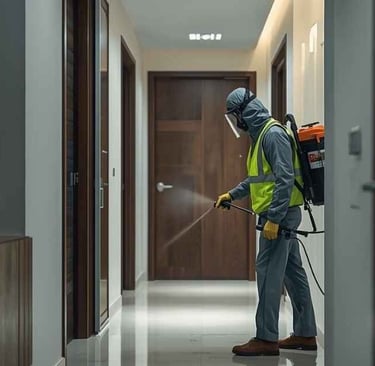
Professional pest control technicians play a crucial role in managing pest infestations effectively. The first stage of their service typically involves a detailed inspection of the property to identify signs of pest activity. Technicians assess both the interior and exterior of the structure, meticulously checking commonly infested areas such as attics, basements, and crawl spaces, along with outdoor perimeters. They look for droppings, nests, and signs of damage which can indicate the presence of pests.
Following the inspection, the technicians analyze the gathered data to determine the extent of the infestation. This comprehensive assessment allows them to tailor their approach, selecting the most appropriate treatment methods specific to the pest type and level of infestation. Common issues seen in Dhaka may include termites, cockroaches, and rodents, each requiring unique management strategies.
Once a treatment plan is established, the technicians implement various pest control methods. This may involve the application of pesticides, baiting systems, or even physical removal techniques, depending on the situation and company policies. For example, rodent infestations may call for traps, while insect problems may necessitate toxic or non-toxic sprays. Additionally, they often employ integrated pest management (IPM) strategies that combine biological, chemical, and physical control measures, thereby minimizing risk to humans and pets.
Post-treatment follow-ups are an essential part of the pest control process. Technicians schedule revisits to monitor the effectiveness of the treatment and check for any signs of re-infestation. This ongoing evaluation is crucial, as it not only ensures long-term solutions but also educates property owners on preventative measures to avert future pest problems. By adhering to this systematic approach, professional pest control technicians efficiently manage infestations and contribute to a pest-free environment.
The Importance of Licensed Pest Control Companies in Bangladesh
In the face of escalating pest problems in Bangladesh, particularly in urban areas like Dhaka, the role of licensed pest control companies has become increasingly vital. Engaging a professional service ensures that pest management practices are both effective and compliant with local regulations. Licensed companies are equipped with the knowledge and tools necessary to tackle a variety of pest concerns, from common nuisances like cockroaches and bedbugs to more severe infestations involving rodents and termites.
One of the primary benefits of hiring licensed pest control services is the guarantee of certification. These companies are typically required to undergo rigorous training and adhere to strict governmental standards, ensuring that their practices are safe for both human health and the environment. This certification process helps maintain industry standards, protecting consumers from unqualified service providers who may use harmful or ineffective methods.
Regulatory compliance is another critical aspect of licensed pest control operations. The pests found in urban settings often carry diseases and pose significant health risks to populations. Licensed pest control companies follow legislation that governs the proper and safe application of pesticides. This adherence not only mitigates the risk of chemical exposure but also minimizes the environmental impact associated with pest management. Customers can be assured that the treatments used have been vetted for safety and effectiveness.
Employing a licensed pest control provider also offers peace of mind. Homeowners and businesses can trust that they are working with legitimate professionals who are committed to maintaining a pest-free environment while ensuring the well-being of residents and employees. Furthermore, these providers often offer warranties or follow-up services, showcasing their commitment to customer satisfaction and long-term pest solutions.
Service Areas and Features for Pest Management in Dhaka
Dhaka, the bustling capital of Bangladesh, faces a significant challenge regarding pest problems. To effectively address these issues, various pest management services are available across key service areas in the city, including Mirpur, Dhanmondi, Gulshan, Uttara, and Banani. Each of these neighborhoods experiences specific pest challenges that require tailored solutions.
In Mirpur, for instance, the common pests include rodents and cockroaches, prompting tailored pest control services for residential homes and offices. Dhanmondi is known for its vibrant café culture; consequently, restaurants in this area are targeted with specialized treatment plans to ensure hygiene and customer safety while complying with health regulations.
Gulshan, a highly residential and commercial zone, faces troubles from termites and bedbugs. Pest control services here emphasize the importance of preventative measures, offering comprehensive inspections and targeted treatments for both homes and businesses. Additionally, warehouses and industrial sites in areas like Uttara and Banani typically require more extensive pest management solutions due to their size and the nature of the stored goods. Such services ensure that infestations are managed swiftly to minimize business disruption.
Modern pest management services in Dhaka also highlight features that ensure safety and efficacy. Among these features, the use of safe chemical treatments is paramount, where only environmentally friendly and health-conscious products are utilized. Furthermore, many service providers offer monthly management plans, allowing for ongoing monitoring and treatment, which is vital for preventing potential infestations before they escalate. Such proactive approaches not only protect properties but also contribute to community health and well-being, establishing a standard for pest management in the densely populated Dhaka city.
Address:
264/5, Kamal Soroni Road, Mirpur, Dhaka-1216
Contact
Your Quaries on pest control askings
pestexterminatorbd@gmail.com
+8801642008383 +8801988300003, 01723057746
© 2025. All rights reserved. to Urban Pest Control Pvt. Ltd. this site is powered by Our Own IT Team