
Best Chemical Respirator Mask in Bangladesh – Complete Safety Guide 2026
3/30/20267 min read
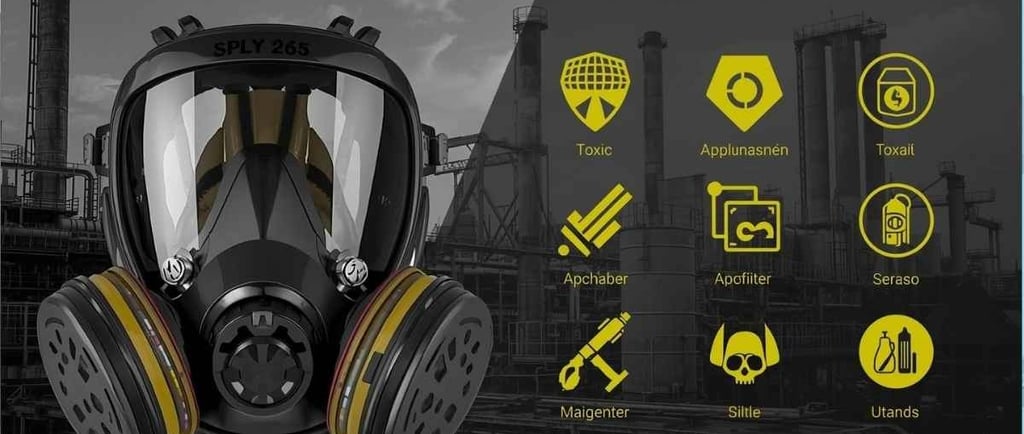
Understanding Chemical Respirator Masks
Chemical respirator masks are specifically designed to protect the wearer from inhaling harmful substances such as gases, vapors, and particulate matter. They are an essential part of personal protective equipment (PPE) especially in industrial settings, laboratories, and during the handling of hazardous materials. The importance of these masks cannot be overstated, as they play a crucial role in safeguarding health by filtering out toxic chemicals and ensuring that workers are safe from exposure to airborne pollutants.
These masks come in various designs, each tailored to meet different needs and levels of protection. The fundamental principle behind a chemical respirator mask is the filtration process, which varies between half masks, full face masks, and powered air-purifying respirators (PAPRs). Half masks cover only the nose and mouth, while full face masks provide additional protection by covering the eyes and face. Additionally, PAPRs use a battery-powered blower to force filtered air into the mask, offering a higher level of comfort and filtration efficiency.
Each type of mask is equipped with replaceable filters or cartridges that are specifically designed to capture a wide range of harmful substances. For instance, certain filters are effective against organic vapors, while others might be necessary for acid gases or particulate matter. The choice of filter largely depends on the chemical hazards present in the environment where the mask will be used. It is critical to ensure that the selected filter is compatible with the specific type of chemical being handled, as the incorrect combination may lead to insufficient protection and unacceptable risk to health and safety.
Types of Chemical Respirator Masks
Choosing the appropriate chemical respirator mask is essential for ensuring safety in environments where harmful substances are present. Various types of chemical respirator masks are available, each designed for specific applications and levels of protection.
Half Masks: Half masks cover only the nose and mouth. They are typically lightweight and more comfortable for short-term use. These masks are often equipped with filters that can block particulates, gases, and vapors, making them suitable for various industrial applications, such as paint spraying or chemical handling. However, they do not provide eye protection, which may be necessary in certain hazardous environments.
Full Face Masks: Full face masks offer a higher level of protection as they cover the entire face, including the eyes. These masks are ideal for situations where harmful vapors, gases, or mists may pose a risk to the respiratory system and vision. They provide a better seal around the face compared to half masks, making them suitable for more extensive exposure scenarios, such as chemical manufacturing or emergency response operations.
Powered Air-Purifying Respirators (PAPRs): PAPRs utilize a battery-powered fan that pulls air through filters before delivering it to the user. This feature reduces breathing resistance and allows for extended wear without causing fatigue. These respirators are beneficial in environments that require a high concentration of protection and comfort, such as laboratories or healthcare settings during a pandemic.
Supplied-Air Respirators: Supplied-air respirators provide clean air from a pressurized source, such as an air cylinder or a compressor. They are essential for work in environments with immediate life-threatening levels of harmful substances. These masks are commonly used in chemical plants, confined space work, and emergency situations.
Understanding the specific types of chemical respirator masks available helps users select the appropriate type based on their needs and the hazardous conditions they may encounter.
Key Features to Consider
When selecting a chemical respirator mask, several critical features should be evaluated to ensure optimal protection and usability. One of the foremost considerations is the fit of the mask. A proper fit is essential for effective filtration, as gaps can allow hazardous substances to enter. Masks that come with adjustable straps and multiple sizes are beneficial for accommodating various face shapes and sizes.
Next, filtration efficiency is of paramount importance. The mask should be designed to filter out specific chemical particulates that may be encountered in various environments. This is typically indicated by the mask's rating or class, such as N95, P95, or others, which signifies the degree of filtration efficiency. Choosing a mask that meets or exceeds appropriate regulatory standards ensures compliance with safety measures.
Comfort should also not be overlooked, especially for prolonged use. Masks that are lightweight and made from breathable materials tend to enhance comfort. Features such as padded straps and a soft face seal contribute significantly to the comfort level and can make the difference during extended wear.
Durability is another vital feature; a robust mask should withstand the rigors of environmental exposure while maintaining its structural integrity over time. Masks made from high-quality materials are preferable as they offer better resistance to wear and contamination.
Lastly, maintenance requirements must be considered. A good respirator mask should be easy to clean and maintain. Regular maintenance ensures longevity and continued effectiveness. Additionally, it is critical to verify that the respirator complies with local regulations and possesses the necessary certifications, ensuring that it meets established safety standards.
Price Comparison of Chemical Respirator Masks
When considering the purchase of chemical respirator masks in Bangladesh, it is essential to analyze the price range based on various factors such as brand, specifications, and place of purchase. Generally, the price can significantly differ, often reflecting the quality and protective capabilities of the masks. On the lower end of the spectrum, basic chemical respirator masks can start from around 1,500 BDT. These typically feature lower filtration capabilities and are suitable for minimal exposure scenarios.
As we move up the price ladder, masks equipped with advanced filtration systems, such as those with P100 filters or multi-gas capabilities, usually range between 3,000 to 7,000 BDT. Brands like 3M and Honeywell dominate this higher price category, known for their reliability and effectiveness in filtering out hazardous substances. Specific models, like the 3M 7502 half-mask respirator, might be found around 5,000 BDT, representing a worthwhile investment for individuals working in environments with higher exposure risks.
Moreover, sourcing these masks can also influence the overall cost. Purchasing directly from specialized safety equipment suppliers or reputable online platforms might offer competitive rates. In contrast, local hardware stores may carry various brands at fluctuating prices, often reflecting market demand and stock availability. Additionally, seasonal sales or discounts can provide consumers an advantageous opportunity to secure quality masks at lower prices.
In summary, understanding the spectrum of prices for chemical respirator masks in Bangladesh can aid consumers to make well-informed decisions. Evaluating the budget alongside individual safety needs is crucial when selecting the right mask for effective respiratory protection.
Where to Buy Chemical Respirator Masks in Bangladesh
Finding suitable chemical respirator masks is crucial to ensuring safety while working with hazardous substances. In Bangladesh, several options are available for consumers looking to purchase these essential protective devices. One of the most reliable channels is through established local hardware and safety equipment stores, which often stock various respirator masks tailored to meet both industrial and personal needs.
In major cities such as Dhaka, Chittagong, and Khulna, you can visit specialized stores that focus on industrial safety gear. These retailers typically offer a range of masks from reputable brands and can provide expert advice on the right product for specific chemical exposures.
Online platforms have also gained popularity for purchasing respirator masks due to their convenience. E-commerce websites like Daraz, Ajkerdeal, and Pickaboo cater to a wide audience, providing consumers with the opportunity to compare prices and read reviews from other buyers. When opting to shop online, it is crucial to verify the authenticity of the products and the seller's reputation. Look for sellers who provide detailed descriptions, including product specifications and manufacturer information.
Additionally, ensure that the masks comply with international safety standards, such as those set by the American National Standards Institute (ANSI) or the European Committee for Standardization (CEN). This information should be readily available in the product description.
Moreover, consider checking with local government and health departments, as they might have recommendations for trusted suppliers or guidance on where to access certified equipment. This can help reinforce confidence in the safety and effectiveness of the masks you choose to purchase.
Chemical Respirator Masks for Pest Control
The application of chemical respirator masks in pest control is vital to ensuring the safety of individuals involved in pesticide application and management. Pest control professionals are frequently exposed to harmful chemicals which can pose significant health risks, including respiratory issues and skin irritation. Therefore, selecting the appropriate respirator mask becomes crucial for minimizing exposure during pest management activities.
When considering the features of a chemical respirator mask for pest control, it is essential to focus on several key aspects. Firstly, the mask should have a tight seal to prevent any gaps through which pesticides can enter, compromising the user's safety. Respirators equipped with filters specifically designed for organic vapors and particulates are highly recommended. These filters effectively capture harmful chemicals, providing an essential layer of protection against pesticide inhalation.
Moreover, the mask should be comfortable to wear for extended periods, as pest control often requires prolonged exposure to chemicals. Look for respirators that offer adjustable straps to ensure a secure fit. Masks made from lightweight materials can also enhance the comfort level during use. Additionally, consider options with built-in exhalation valves that reduce humidity and minimize mask fogging, further improving visibility and comfort.
Best practices involve not only wearing the appropriate chemical respirator mask but also ensuring that pest control personnel are adequately trained in its use. Users should be familiar with the specific pesticides they are handling, understanding the associated risks and necessary precautions. Regular fit-testing of the mask is also imperative to ensure a proper seal, maximizing protection. Ultimately, incorporating chemical respirator masks into pest control operations not only safeguards the health of workers but also enhances overall operational safety.
Industrial Use and Home Safety with Chemical Respirator Masks
Chemical respirator masks play a crucial role in ensuring safety in both industrial settings and home environments. In the industrial sector, workers are often exposed to harmful substances, including chemicals, dust, and particulate matter, which can lead to severe health issues. For instance, in manufacturing facilities, the use of paints, solvents, and adhesives necessitates the use of a reliable chemical respirator mask. These protective gears help in filtering out harmful airborne particles, providing a clean air supply to the user and thereby reducing the risk of respiratory ailments.
Moreover, during home renovation projects, especially those involving hazardous materials such as asbestos, lead paint, or strong chemical cleaners, the need for chemical respirator masks becomes evident. Homeowners and workers alike must protect their respiratory health by using appropriate masks, as they can significantly reduce exposure to airborne toxins and irritants. This is particularly important in enclosed spaces, where ventilation might be limited, and harmful fumes can accumulate.
When selecting a chemical respirator mask for either industrial or home use, it is essential to choose one that meets the relevant safety standards and is suitable for the specific type of exposure anticipated. For example, masks equipped with activated carbon filters are effective against organic vapors, whereas those with particulate filters are necessary for inhaling dust particles. It is also advisable to ensure that the mask fits correctly for optimal performance, as any leakage can compromise its effectiveness. Adhering to best practices—such as replacing filters regularly and conducting fit tests—can enhance the protective capabilities of these masks.
In conclusion, the use of chemical respirator masks in both industrial and home settings is vital for ensuring safety and minimizing health risks associated with exposure to hazardous materials. By prioritizing proper mask selection and maintenance, individuals can significantly protect their respiratory health.
Address:
264/5, Kamal Soroni Road, Mirpur, Dhaka-1216
Contact
Your Quaries on pest control askings
pestexterminatorbd@gmail.com
+8801642008383 +8801988300003, 01723057746
© 2025. All rights reserved. to Urban Pest Control Pvt. Ltd. this site is powered by Our Own IT Team