
Bed Bug Treatment in Dhaka: Guaranteed Removal with Professional Methods
3/19/20268 min read

Understanding Bed Bugs: The Basics
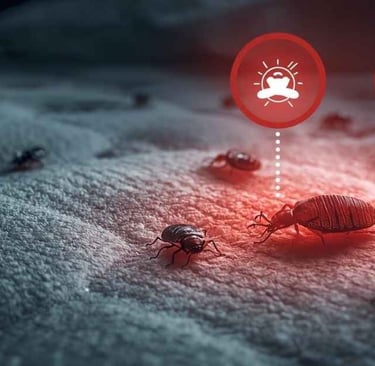
Bed bugs, scientifically known as Cimex lectularius, are small, parasitic insects that feed on warm-blooded hosts, primarily humans. Their typical size is around 4 to 5 mm in length, resembling a flattened apple seed. They are often reddish-brown in color, transitioning through various stages of development from eggs to nymphs to adults. Understanding the biology of these pests is critical for effective management and treatment.
These insects are nocturnal and typically hide in cracks and crevices during the daytime. They can be found in various venues including private residences, hotels, and even public transportation. Unfortunately, bed bugs can quickly infiltrate homes and businesses, often hitching a ride on luggage, clothing, or second-hand furniture. This mobility is a significant factor contributing to their rapid spread, particularly in urban areas like Dhaka, where dense living conditions facilitate their transmission.
Identifying a bed bug infestation can be challenging, as these pests are adept at hiding. Common signs of an infestation include the presence of small, dark spots (which are fecal stains), shed exoskeletons, and occasionally, sweet musty odors. More noticeable are the bite marks left on skin, commonly appearing as itchy, red welts. These bites usually occur in rows, indicating that a bed bug has moved along the skin while feeding.
Bed bugs present various problems in both residential and commercial settings. Psychologically, they can cause significant distress due to their association with unsanitary conditions, even though their presence is not necessarily reflective of poor hygiene. Furthermore, the potential for financial loss due to treatment and the need for pest control services can burden businesses, especially in a hospitality-driven environment like Dhaka.
The Treatment Process: A Step-by-Step Guide
The bed bug treatment process is comprehensive and designed to ensure thorough elimination of these resilient pests. The first step is an initial inspection conducted by a professional pest control technician. This inspection is crucial, as it allows for the identification of the extent of the infestation and the specific areas affected. Technicians typically examine common hiding spots such as mattress seams, box springs, bed frames, and even behind wall fixtures.
Following the inspection, the identification of the infestation level is carried out. This stage involves determining whether the infestation is mild, moderate, or severe. The level of infestation directly influences the approach taken for treatment. For instance, mild infestations may be treated with less aggressive methods, whereas severe cases might require a multi-faceted approach that includes chemical treatments combined with non-chemical strategies.
Once the infestation level is established, a customized treatment plan is formulated. This plan often employs integrated pest management (IPM) methods, which might include heat treatments, steam applications, and targeted pesticide use. Heat treatment, in particular, is effective due to its ability to penetrate surfaces and eliminate bed bugs in all life stages. Steam cleaning is another method that not only kills bed bugs but also helps sanitize the affected areas.
The process includes preparing the living space, which involves decluttering and laundering bedding and clothing. After the treatment is applied, follow-up inspections are scheduled to monitor the efficacy of the methods used. This ensures that any remaining bed bugs are addressed promptly, enhancing the chances of complete eradication. The entire treatment timeline may vary depending on the severity of the infestation, but professionals typically provide a timeline during the initial consultation.
Heat vs. Chemical Treatment: Which is Better?
When addressing the challenge of bed bugs, homeowners often find themselves at a crossroads between heat treatment and chemical solutions. Each approach comes with its own set of advantages and drawbacks, and understanding these can aid in making a more informed decision.
Heat treatment involves raising the temperature of affected areas to a level lethal to bed bugs. This method is highly effective, with studies suggesting a success rate nearing 100% when done correctly. The primary advantage is its ability to penetrate deep into furniture, wall voids, and other hiding spots where chemicals may not reach. Additionally, heat treatment is a one-time session approach, leading to quicker results with little downtime.
However, heat treatment is not without its challenges. The cost tends to be higher compared to chemical treatments, reflecting the equipment and trained personnel required. Furthermore, careful precautions must be taken to protect sensitive items that could be damaged by excessive heat, such as electronics and artwork.
On the other hand, chemical treatments involve the application of insecticides to exterminate bed bugs. These treatments are generally more cost-effective and readily available for DIY application, making them an attractive option for many. Moreover, chemicals can be used as a longer-term solution, providing residual effects that help prevent future infestations.
Nevertheless, reliance on chemical treatments raises concerns regarding safety and environmental impact. Some individuals may experience allergic reactions or discomfort from the potent fumes associated with certain insecticides. Furthermore, improper use of chemicals can lead to bed bugs developing resistance, complicating future eradication efforts.
Ultimately, choosing between heat and chemical treatment will depend on individual circumstances, including budget, severity of infestation, and personal preferences regarding safety and effectiveness. Due diligence is essential to ensure the selected method aligns with one's needs and prioritizes effective bed bug removal.
Identifying Infestation Severity Levels
Detecting the severity of a bed bug infestation is crucial for determining the most effective treatment approach. Bed bugs, which can rapidly multiply, present varying levels of infestation from mild to severe. Understanding these levels allows for better preparedness and management of the situation.
The first criterion to assess is the number of visible bed bugs. A single bug may indicate an initial problem, whereas multiple bugs spotted during inspection can denote a more serious infestation. It's essential to note that bed bugs tend to hide in cracks, crevices, and under mattresses, often making them difficult to detect; however, their presence can often be confirmed through faecal stains or shed skins.
Another important factor is the extent of the affected area. localised infestations, usually noticed in one room or specific areas of furniture, can generally be controlled through targeted treatments. Conversely, if the infestation has spread throughout multiple locations in the home, the approach will need to be more comprehensive to ensure complete eradication.
Behavioral changes in residents can also serve as an indicator. Increased reports of bites, particularly in the night, along with signs of anxiety or discomfort in sleeping areas, often correlate with a more substantial presence of these pests. Effective evaluation includes an analysis of the frequency and severity of these bites, which can inform the level of treatment necessary.
Finally, consulting with pest control professionals can provide an expert opinion on the severity of the infestation. They have the experience and tools necessary to conduct thorough inspections and can offer tailored advice on the methods for bed bug treatment. Identifying infestation severity not only streamlines the treatment process but also enhances the chance of successful bed bug removal.
Customer Case Studies: Real-Life Success Stories
In Dhaka, the pervasive issue of bed bugs has prompted many residents to seek effective treatment options. This section showcases real-life success stories from clients who engaged professional pest control services to eradicate these unwanted pests. Each case highlights the unique challenges faced by individuals and the effective solutions provided by experts in the field.
One notable case involved a family living in an apartment complex, who had been battling a persistent bed bug infestation for several months. Despite trying multiple over-the-counter solutions, they found no relief. After contacting a professional pest control service, a thorough inspection revealed multiple hiding places for the pests within their bedding and furniture. The treatment plan included heat treatment and the application of targeted pesticides. Following the procedure, the family noticed a significant reduction in bed bug activity and was eventually able to declare their home bed bug-free.
Another compelling story comes from a small hotel owner in the heart of Dhaka. Complaints of bed bugs from guests had begun to stain the hotel's reputation. Understanding the urgency of the situation, the owner opted for professional extermination services. The team conducted a comprehensive property inspection, identifying infested areas in multiple rooms. They implemented an integrated pest management approach, combining heat treatment with ongoing monitoring. After the service, the hotel saw a marked increase in positive reviews, as guests felt secure in their accommodations once more.
Lastly, a university student residing in a shared apartment experienced frequent bites and sleepless nights. After consulting with bed bug experts, it was discovered that the infestation had spread from neighboring units. The treatment involved collaboration with both pest control and the landlord to ensure a building-wide response. Following the intervention, the student reported a complete eradication of the pest problem, allowing them to focus on their studies without the distraction of bed bugs.
These case studies underscore the importance of professional bed bug treatment in Dhaka, shedding light on the effectiveness of dedicated pest control efforts to overcome these challenging infestations.
Prevention Guide: Keeping Your Space Bed Bug-Free
Maintaining a bed bug-free environment necessitates vigilance and proactive measures. The first line of defense against bed bugs involves regular inspections of sleeping areas and associated furniture. Homeowners and hospitality businesses alike should conduct thorough checks of beds, couches, and other upholstered items for signs of bed bugs or their droppings. Monitoring these areas can significantly reduce the likelihood of an infestation.
Another critical preventive step is the responsible use of bedding materials. Utilizing protective mattress and pillow encasements can serve as an effective barrier against bed bugs. Such covers should be securely zipped to prevent any potential access by these pests. Additionally, it is advisable to wash your bedding and linens frequently in hot water, as high temperatures can eliminate any hidden bugs and larvae.
For travelers, extra caution should be exercised when staying in hotels. Inspecting the luggage rack for signs of bed bugs is essential, as they are notorious for hitching rides in personal belongings. When returning home, storing luggage in a specific area away from bedrooms can further reduce the risk of bringing unwanted guests into living spaces.
Regular vacuuming of carpets, rugs, and baseboards contributes to overall cleanliness and helps remove potential hiding spots or eggs laid by bed bugs. Don’t forget to dispose of the vacuum bag properly after each use. Moreover, sealing cracks and crevices around windows and doors can eliminate potential entry points for these pests.
In commercial settings, such as hotels and motels, maintaining meticulous cleanliness is crucial. Conducting staff training on integrating bed bug awareness into housekeeping practices can also be beneficial. Encouraging guests to report potential issues immediately will facilitate quicker responses, thereby preventing larger infestations. Adopting these strategies diligently can significantly minimize the risk of bed bug infestations in both residential and hospitality environments.
Finding the Right Bed Bug Exterminator in Dhaka
Choosing a reliable bed bug exterminator in Dhaka is crucial for effective pest control. With various pest management services available, it can be challenging to identify the right one. Here are several criteria to consider when making your decision.
First and foremost, qualifications and certifications are essential. A reliable exterminator should possess appropriate licenses and training related to pest control. This ensures they are knowledgeable about the latest bed bug treatment techniques and safety protocols. Verify the exterminator’s credentials and ask for any relevant certifications that prove their professional standing in the industry.
Next, customer reviews and references can provide insights into the quality of service offered. Look for exterminators with positive feedback from previous clients. Online platforms often feature reviews that can help gauge the overall satisfaction level of customers. Requesting references from the exterminator can also yield personal testimonials about their effectiveness in tackling bed bug infestations.
Pricing is another significant factor. While it may be tempting to opt for the cheapest service available, keep in mind that cost should not compromise quality. Compare quotes from multiple exterminators to understand the average pricing in the market. Ensure that the estimates include a detailed breakdown of services, chemicals used, and any follow-up treatments that might be necessary.
Lastly, inquire about the treatment methods employed by the pest control company. A competent exterminator should utilize modern, environmentally friendly methods to eradicate bed bugs while ensuring safety for residents. Ask about the procedures they implement and their efficacy rates to make an informed choice.
In conclusion, selecting a bed bug exterminator in Dhaka requires careful consideration of various factors including qualifications, customer feedback, and pricing strategies. By following these guidelines, you can enhance your chances of choosing a reliable service that effectively addresses your bed bug concerns.
Address:
264/5, Kamal Soroni Road, Mirpur, Dhaka-1216
Contact
Your Quaries on pest control askings
pestexterminatorbd@gmail.com
+8801642008383 +8801988300003, 01723057746
© 2025. All rights reserved. to Urban Pest Control Pvt. Ltd. this site is powered by Our Own IT Team