
Bed Bug Nightmare in Dhaka: Complete Removal Guide (Step-by-Step)
3/19/20267 min read
Understanding Bed Bugs
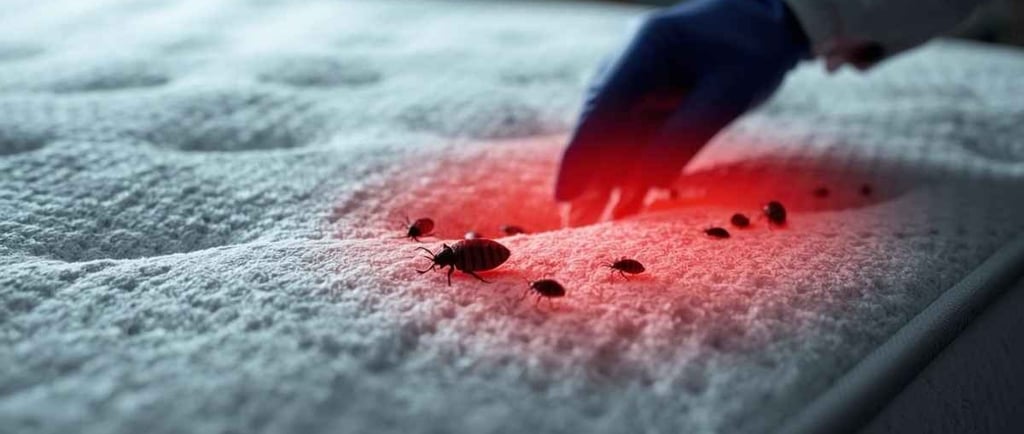
Bed bugs, scientifically known as Cimex lectularius, are small, parasitic insects that feed on the blood of humans and animals. They are typically brown or reddish in color, oval-shaped, and can grow to about 5-7 mm in length. Their size, combined with their ability to hide in tiny crevices, makes them particularly challenging to identify and eliminate.
Common habitats for bed bugs include homes, hotels, and public transportation. They thrive in warm environments and often make their homes in places such as mattress seams, box springs, bed frames, and upholstered furniture. Bed bugs tend to be transported from one location to another via luggage, clothing, or second-hand furniture. Consequently, an infestation can begin even in previously clean environments like hotels in Dhaka, leading to widespread discomfort among residents and travelers alike.
Recognizing the signs of a bed bug infestation is critical for prompt action. Common indicators include small, rust-colored stains on bedding, tiny white eggs or eggshells, and the presence of live bugs, which are often found hiding in the folds of mattresses or behind headboards. Additionally, individuals may experience itchy, red welts on their skin—reactions to bed bug bites. These symptoms can escalate if timely intervention is not undertaken.
Immediate action is crucial upon identifying a possible infestation. Bed bugs reproduce rapidly; a small number can lead to a large population in a matter of weeks. Not addressing a bed bug issue can result in significant stress, sleepless nights, and potential damage to property. Understanding the biology and behavior of these pests can immensely assist individuals in Dhaka in safeguarding their homes against a bed bug nightmare.
Life Cycle of Bed Bugs
The life cycle of bed bugs is a crucial aspect to understand when addressing an infestation. Bed bugs, scientifically known as Cimex lectularius, undergo a gradual metamorphosis that consists of several distinct stages: egg, nymph, and adult.
Initially, bed bugs begin as tiny, pearly white eggs, which are approximately 1 millimeter in size. These eggs are usually laid in hidden locations, such as mattress seams or cracks in furniture, and can be difficult to detect. Under optimal conditions, an egg will hatch in about 6 to 10 days, producing a nymph.
Nymphs, the immature stage of bed bugs, resemble smaller versions of adult bed bugs but are not yet capable of reproduction. They will molt five times before reaching adulthood, which allows them to grow significantly with each shed. This nymphal stage typically lasts for 3 to 4 weeks, depending on environmental factors such as humidity and temperature. During this time, nymphs require a blood meal after each molt to develop into the next stage.
Adult bed bugs are roughly 4 to 5 millimeters long, have a flat, oval shape, and are reddish-brown in color. Once they reach adulthood, bed bugs are capable of reproducing. A female bed bug can lay anywhere from 1 to 5 eggs per day, amounting to a staggering total of 200 to 500 eggs in her lifetime. This prolific reproductive rate is one of the reasons why bed bug infestations can escalate rapidly.
In summary, the complete life cycle of bed bugs from egg to adult typically spans about 6 weeks under favorable conditions. By understanding their growth stages and reproductive habits, effective measures can be implemented to achieve complete eradication of these pests. This understanding is vital for homeowners and pest control professionals aiming to combat bed bug infestations effectively.
Identifying a Bed Bug Infestation
Bed bug infestations can be particularly troublesome, and early identification is crucial for effective management. One of the first indicators of a bed bug presence is the appearance of small, reddish-brown insects that are about the size of an apple seed. They often hide in various areas of the home, making it essential to know where to look.
Start by inspecting bedding and bedroom furniture, as these are common bed bug locations. Look for dark spots that may be bed bug excrement on sheets, mattresses, and box springs. Additionally, check the seams of the mattress and the underside of furniture, as bed bugs tend to fold themselves into crevices. Other signs include shed skins and small white eggs, which are about the size of a pinhead.
Aside from examining your bed and furniture, it is advisable to check nearby locations, such as baseboards, electrical outlets, and even behind picture frames. Bed bugs can travel through walls and furniture, so thorough checks in adjoining rooms or apartments may also prove beneficial. High-resolution images can be particularly helpful to understand what one should look for; these visual aids can clarify the differences between a bed bug and other similar insects.
To confirm the presence of bed bugs, one can employ various methods. Monitoring traps or bed bug detection kits can aid in determining their presence. Additionally, if you suspect a bed bug problem but are unsure, contacting a pest control professional can provide peace of mind, as they utilize specialized tools and experience to identify and manage infestations effectively. Proper identification is the first step towards resolving what can undoubtedly be a distressing and disruptive issue.
Step-by-Step Treatment Process
Treating a bed bug infestation requires a systematic approach to ensure effective elimination of these pests. The first step in the treatment process involves preparing the area. Begin by removing all bedding, linens, and curtains from the infested area and wash them in hot water. This step not only helps eliminate bed bugs but also reduces the risk of reinfestation. It is advisable to dry these items on high heat for at least 30 minutes, as this temperature will effectively kill any remaining bugs and their eggs.
Once the area is clear, inspect your mattress, box spring, and bed frame thoroughly. Look for any signs of bed bugs, such as small reddish-brown spots, which may indicate their presence. The next phase involves the application of bed bug sprays. It is crucial to follow the manufacturer’s instructions carefully during this process. Hold the spray canister approximately 6 to 8 inches from surfaces and apply a uniform coat. Focus on seams of mattresses, corners of frames, and cracks or crevices in nearby furniture. Remember to choose a residual insecticide that provides lasting protection as it will combat any potential future invasions.
Alongside chemical treatment, heat is another powerful method in your eradication efforts. Bed bugs are highly susceptible to temperatures above 113°F (45°C). Portable heaters can be used to raise the temperature in targeted areas or infested furniture for effective killing action. Before concluding the treatment, ensure that thorough vacuuming is done. This means vacuuming carpets, rugs, and upholstered furniture to remove any hiding bugs and eggs. Empty the vacuum canister immediately outside your home to avoid reinfestation.
By carefully following these steps—preparing the area, applying bed bug sprays, utilizing heat treatment, and thorough vacuuming—you can significantly improve your chances of a successful bed bug eradication.
Before and After Service Explanation
Engaging professional bed bug removal services can significantly enhance your efforts in combating bed bug infestations. Before the treatment, it is essential to understand the current state of your living environment. Expect to conduct an initial assessment, where professionals will identify infested areas and determine the extent of the problem. During this phase, clear communication about your experiences, such as bites or sightings, is crucial for effective planning.
During the treatment process, technicians will employ various methods, which may include heat treatments, chemical applications, or steam cleaning, depending on the severity of the infestation. It is vital to follow their guidelines, which may involve preparing your home by vacuuming, washing bedding, and removing items from affected areas. Expect to vacate the premises for a specified duration, allowing the treatment to take effect without interference.
Post-treatment, the results are generally favorable, with a substantial reduction in bed bug populations observed. However, your role in maintaining a bug-free environment is critical. This includes regular inspections, keeping the living space clutter-free, and using protective mattress encasements. Additionally, incorporating preventive measures, such as sealing cracks and crevices, can further deter future infestations.
In conclusion, the results of professional bed bug removal services in Dhaka are promising, but success hinges on the collaboration between the service provider and the homeowner. Understanding the expectations before, during, and after the service ensures that you adopt a proactive approach towards maintaining a safe and comfortable living space free from these pests.
Prevention Checklist
Preventing bed bug infestations requires proactive measures that can significantly reduce the risk of an outbreak in your home or living space. Here is a comprehensive checklist that outlines essential steps to ensure you remain bed bug free.
1. Vigilant Inspection: When staying in hotels or motels, inspect mattresses and box springs for any signs of bed bugs, including dark spots and shed exoskeletons. Use a flashlight to check the seams and folds thoroughly. Additionally, you should inspect the headboard and bed frame, as these areas are often overlooked.
2. Second-Hand Furniture: Always inspect second-hand furniture before bringing it into your home. Look for any signs of bed bugs, including small black spots or a musty odor, which can indicate a possible infestation. If possible, treat the furniture with heat or professional pest control methods before entering it into your living space.
3. Maintaining Cleanliness: Regular cleaning can deter bed bugs from taking residence in your home. Vacuum your living area frequently, paying close attention to carpets, baseboards, and furniture. Wash your bedding and clothing in hot water at least once a week to eliminate any potential hitchhikers. Make sure to dry the items on high heat to kill any lingering bugs.
4. Sealing Entry Points: Seal any cracks and crevices in walls, baseboards, or around electrical outlets to eliminate potential bed bug hiding spots. Use caulk or other appropriate materials to ensure that these areas are sealed tightly.
5. Encasements: Invest in bed bug-proof mattress and pillow encasements to provide a protective barrier against infestation. These encasements not only prevent bed bugs from entering your bedding but also trap any existing bugs, preventing them from spreading.
By adhering to this prevention checklist, you can create a robust defense mechanism against bed bugs, ensuring that your home remains a safe and comfortable environment.
Local Resources for Bed Bug Control in Dhaka
Addressing a bed bug infestation in Dhaka necessitates access to reliable resources and professional assistance. Several pest control services in Dhaka specialize in the detection and eradication of bed bugs. Reputable pest control companies such as "Pest Control Bangladesh" and "Dhaka Pest Control" offer comprehensive services, including inspection, treatment plans, and follow-up visits to ensure complete eradication. These companies often provide tailored solutions that consider the unique characteristics of your residence or business, enhancing the chances for effective elimination.
For those who prefer a do-it-yourself approach, effective bed bug sprays are readily available in local markets and pharmacies. Stores like "Chandni Chowk" and "New Market" typically stock a variety of pest control products, including sprays and insecticides specifically formulated to combat bed bugs. When selecting products, it is essential to look for those that are approved by relevant health authorities to ensure safety and efficacy.
Moreover, the government of Bangladesh has set regulations concerning pest control and the use of insecticides. Potential customers should be aware of these guidelines to ensure compliance and safety when utilizing pest control services or purchasing sprays. It is advisable to consult local health departments or the Bangladesh Department of Agricultural Extension for up-to-date information on state regulations relating to bed bug treatments.
In addition to service providers and product retailers, online resources and community support groups can offer valuable guidance. Engaging with local forums or social media groups focused on pest control experiences in Dhaka can provide practical insights and recommendations from fellow residents.
Utilizing these local resources can significantly empower individuals and businesses in Dhaka to tackle bed bug infestations more effectively and promptly.
Address:
264/5, Kamal Soroni Road, Mirpur, Dhaka-1216
Contact
Your Quaries on pest control askings
pestexterminatorbd@gmail.com
+8801642008383 +8801988300003, 01723057746
© 2025. All rights reserved. to Urban Pest Control Pvt. Ltd. this site is powered by Our Own IT Team