
Bed Bug Control Service in Dhaka – Complete Bed Bug Elimination
3/13/20267 min read
How Bed Bugs Spread
Bed bugs are notorious for their ability to spread rapidly and efficiently, often hitching rides on various items and materials. One of the primary methods through which they infest new areas is by clinging to clothing, luggage, and personal belongings. Travelers are particularly vulnerable, as bed bugs can easily attach themselves to bags and garments, finding their way into hotels or motels where they may not previously have existed. It is crucial for individuals to carefully inspect their belongings upon return from trips, especially if they frequent places with high turnover rates, such as hostels or large hotels.
Moreover, used furniture serves as a significant vector for the introduction of bed bugs into homes. Second-hand items, particularly mattresses, couches, and bed frames, may harbor these pests if they have been exposed to an infested environment. Potential hosts should exercise due diligence when acquiring used items, examining them carefully for signs of bed bug activity, including small reddish-brown spots or the presence of eggs and shed skins.
In multi-family housing structures, bed bugs have the capacity to migrate between adjoining units. These pests can move through cracks and crevices in walls or follow plumbing and electrical lines from one apartment to another. This migration can lead to widespread infestations within apartment buildings, making early detection and thorough prevention efforts critical for residents. Ensuring tight seals around windows and doors and regularly inspecting communal laundry facilities are just a few ways to mitigate the risks associated with bed bug spread.
Signs of Bed Bug Infestation
Identifying the signs of a bed bug infestation is crucial for early intervention and effective treatment. One of the primary indicators that may signal a bed bug problem is the presence of bites on the skin. These bites typically appear as small, red welts, often in clusters or lines on areas of the body that are exposed during sleep, such as the arms, neck, and back. The reaction to these bites can vary from person to person, making it challenging to rely solely on this symptom.
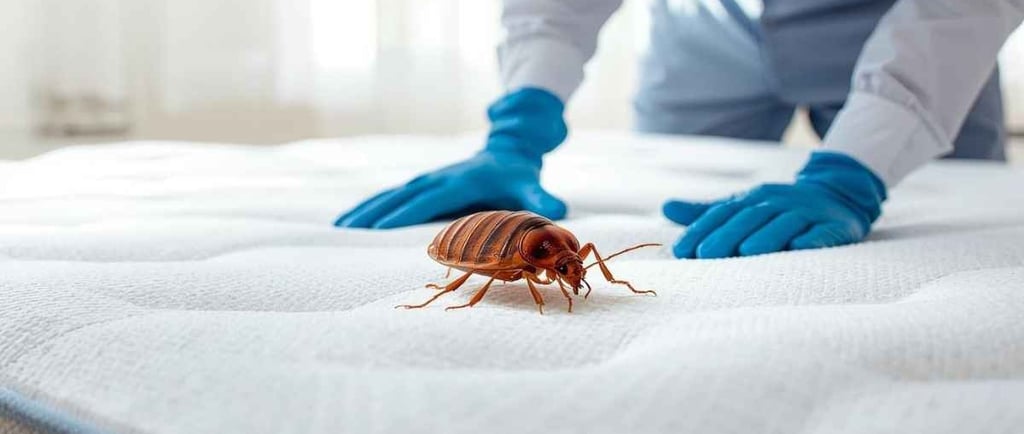
Another significant sign of an infestation includes the sighting of live bed bugs. Adult bed bugs are approximately the size of an apple seed, with a reddish-brown color, while nymphs are smaller and lighter in color. Regular inspections of sleeping areas, particularly in seams of mattresses, box springs, and bed frames, should be conducted to spot any live insects.
Additionally, discarded exoskeletons or shells can often be found where bed bugs reside. As these pests molt, they shed their outer shells, which can accumulate in the same areas where they hide. Furthermore, fecal spots, commonly referred to as bed bug droppings, may also be found. These spots are tiny, dark, and often resemble pepper specks, commonly observed on bed linens, mattresses, or surrounding furniture.
To inspect living spaces thoroughly, individuals should focus on common hiding areas such as behind headboards, within electrical outlets, and in cracks or crevices in walls and furniture. Inspecting luggage, clothing, and personal items when returning from travel is also essential, as bed bugs can easily hitch a ride. Understanding these signs can significantly assist in the early detection of a bed bug infestation and lead to more effective controlling measures.
Why Bed Bugs Are Difficult to Eliminate
Bed bugs, known scientifically as Cimex lectularius, are notorious for their resilience and challenging eradication process. Several factors render bed bugs particularly difficult to eliminate, starting with their reproductive capabilities. A female bed bug can lay up to five eggs per day and over 500 eggs in her lifetime. This prolific reproduction significantly complicates any efforts to control their population, as even a small oversight can lead to a rapid resurgence.
Additionally, bed bugs possess an extraordinary ability to conceal themselves within their environments. They can hide in tiny crevices and cracks, including furniture seams, electrical outlets, and even behind wallpaper. These hideouts often evade detection during inspections, allowing the infestation to persist. Their capacity to remain dormant for long periods, sometimes up to a year without feeding, further complicates the issue. When food sources become scarce, they can remain in hiding until conditions improve, making it challenging to determine the full extent of the infestation.
Furthermore, bed bugs have developed resistance to various conventional pesticide treatments. As insecticides have been used over time, some bed bug populations have evolved to tolerate or even thrive in the presence of these chemicals. This resistance diminishes the efficacy of traditional pest control methods, often leading homeowners and pest control professionals to pursue alternative approaches, such as heat treatment and integrated pest management strategies.
In summary, the combination of rapid reproduction, exceptional hiding skills, and widespread insecticide resistance makes bed bugs a formidable adversary in pest elimination efforts. Consequently, understanding these challenges is critical for anyone facing an infestation, ensuring that appropriate methods and strategies can be deployed effectively to combat these resilient pests.
Heat Treatment and Chemical Treatment
When dealing with a bed bug infestation, two of the most effective treatment methods are heat treatment and chemical treatment. Each method possesses its own set of advantages and disadvantages that are crucial for both homeowners and pest control professionals to consider based on the severity of the infestation.
Heat treatment eradicates bed bugs by raising the temperature of affected areas to a level that is lethal for these pests. Typically, the temperature is maintained between 118°F (48°C) and 122°F (50°C) for a few hours to ensure all life stages of the insects are eliminated. The primary advantages of heat treatment include its environmental friendliness, as it typically requires no chemicals, and the capability to kill eggs and adults in a single treatment. However, potential drawbacks exist; for instance, specialized equipment is necessary, which may involve higher costs, and there is a risk of damaging sensitive items due to high temperatures.
On the other hand, chemical treatment entails the use of insecticides specifically formulated to target bed bugs. This method is widely utilized due to its effectiveness and varied application techniques, such as sprays, dusts, and fumigation. Chemical treatments can be less expensive than heat treatments and, when applied correctly, can provide long-lasting results. However, the disadvantages include possible health risks associated with chemical exposure and the increasing resistance of some bed bug populations to certain insecticides, making multiple applications necessary.
Choosing the right method depends on various factors, such as the extent of the infestation, the characteristics of the infested area, and individual preferences regarding safety and environmental impact. In more severe cases, professional pest control services may recommend a combination of both heat and chemical treatments for optimal results.
Prevention Tips for Hotels and Homes
Preventing bed bug infestations is crucial for both residential settings and hospitality establishments. Effective measures can significantly reduce the risk of these pests becoming a problem.
First and foremost, regular inspections should be a fundamental practice. Homeowners and hotel staff alike should familiarize themselves with the signs of bed bugs, including small dark spots on bedding, shed exoskeletons, and, of course, live insects. These inspections should be systematic, focusing on areas such as mattresses, headboards, and even crevices in furniture where bed bugs are likely to hide.
When it comes to handling luggage, individuals should be educated on the importance of keeping their bags off the floor and away from beds. Placing luggage on luggage racks rather than upholstered furniture can minimize contact with potential bed bug habitats. It is also advisable to store clothes inside sealed plastic bags when traveling to further shield against accidental exposure to bed bugs.
Hotel staff should receive comprehensive training regarding bed bug prevention and response strategies. Regular workshops can enhance staff awareness, enabling them to identify early signs of infestation and take prompt action. This may include communicating with guests about bed bug policies and ensuring that rooms are thoroughly cleaned and inspected regularly.
Lastly, maintaining cleanliness is another key aspect of prevention. In homes, regular vacuuming and washing of linens in hot water can help eliminate any bed bugs that may have made their way into the property. Hotels should adhere to rigorous cleaning schedules, ensuring that all areas, especially those frequented by guests, are monitored and treated as necessary. Following these practices can create an effective preventive framework against bed bug infestations.
Long-Term Monitoring and Pest Control Strategies
After successfully eliminating a bed bug infestation, the battle does not end there. Long-term monitoring becomes crucial to ensure that these pests do not return. Continuous vigilance is essential in maintaining a bed bug-free environment. Regular inspections of areas where bed bugs are commonly found, such as bedrooms, living rooms, and other sleeping areas, can significantly contribute to early detection of any potential re-infestation.
One of the most effective strategies for long-term management includes the utilization of mattress encasements. These specially designed covers trap any existing bed bugs and prevent new ones from infesting mattresses and box springs. It is advisable to keep these encasements in place for at least a year to ensure that any hidden bed bugs inside are eradicated, and to safeguard against new introductions. Choosing high-quality encasements that seal thoroughly is critical for effective performance.
Moreover, establishing communication channels for reporting any sightings of bed bugs can enhance monitoring efforts. This includes communicating with others in multi-unit dwellings, such as apartments, where a single infestation can rapidly spread. Residents should be encouraged to report any suspicious signs of bed bugs immediately to management or pest control professionals. Such proactive measures facilitate prompt responses and interventions, ensuring that any re-emergence of bed bugs is dealt with swiftly.
Additionally, maintaining a clutter-free environment aids in reducing potential hiding spots for bed bugs. Regular cleaning and vacuuming of affected areas can also help in monitoring for signs of bed bugs. Employing these pest control strategies will not only assist in remaining vigilant after treatment but will also contribute to the overall success of bed bug management in the long run.
Furniture and Mattress Treatment Options
When dealing with an infestation of bed bugs, it is crucial to implement effective treatment options for infested furniture and mattresses. These steps not only target the immediate problem but also aim to prevent further spread of these pests to other areas of your home.
Encasement is one of the most recommended methods for addressing infested mattresses. Bed bug-proof encasements are specially designed covers that trap any existing bed bugs inside and prevent new ones from infiltrating the mattress. It is vital to ensure that the encasement is completely sealed and free of tears or openings. This method not only protects your mattress but also facilitates easier monitoring and eradication of any infestation.
Another effective treatment option is steam cleaning, which utilizes high heat to eliminate bed bugs and their eggs on contact. Steam cleaning should be done on all fabrics and surfaces that cannot be treated with pesticides, including upholstered furniture and drapes. The steam temperature must reach at least 120°F (49°C) to effectively exterminate bed bugs. This method is a highly appealing choice for those who prefer less reliance on chemical pesticides.
Pesticides specifically formulated for furniture can also be utilized. It is essential to select products that are labeled for indoor use and proven effective against bed bugs. These pesticides can be applied to affected furniture, including couches and chairs, following the manufacturer's instructions meticulously to ensure safety and effectiveness.
Incorporating a holistic approach to pest control allows for a comprehensive treatment strategy that encompasses both the bedding and surrounding furniture. Regular monitoring and combined treatment methods are essential in effectively managing bed bug populations and preventing future infestations.
Address:
264/5, Kamal Soroni Road, Mirpur, Dhaka-1216
Contact
Your Quaries on pest control askings
pestexterminatorbd@gmail.com
+8801642008383 +8801988300003, 01723057746
© 2025. All rights reserved. to Urban Pest Control Pvt. Ltd. this site is powered by Our Own IT Team