
Air Purifier vs Dehumidifier: Which One Do You Need in Bangladesh Weather?
3/17/20267 min read
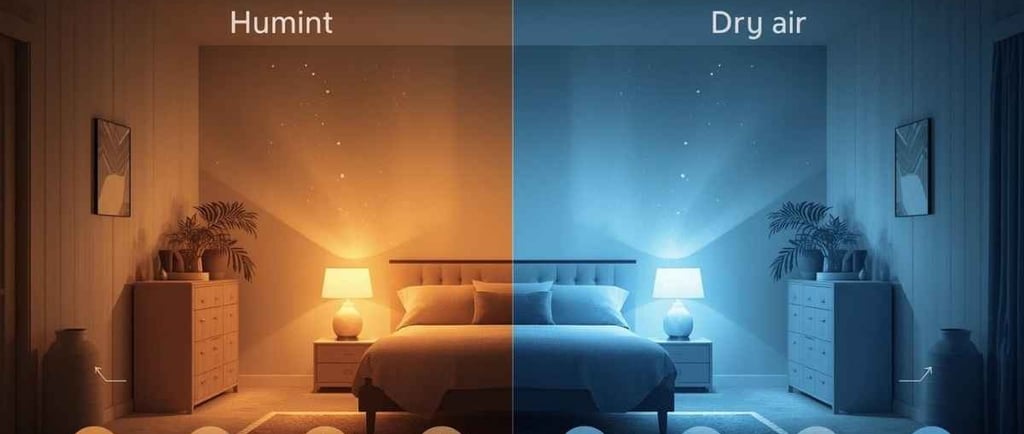
Understanding the Function of Air Purifiers and Dehumidifiers
Air purifiers and dehumidifiers serve distinct yet essential roles in maintaining a comfortable indoor environment, especially in regions like Bangladesh where humidity levels can often be excessive. An air purifier is primarily designed to improve indoor air quality by removing pollutants, allergens, and airborne particles. Through various filtration technologies, air purifiers can effectively eliminate dust, pollen, pet dander, and even harmful microorganisms such as bacteria and viruses. One of the most common technologies employed in air purifiers is the High-Efficiency Particulate Air (HEPA) filter, which can capture particles as small as 0.3 microns with an efficiency of 99.97%. This ensures that the air circulating within the home is cleaner and healthier for occupants.
On the other hand, a dehumidifier focuses on maintaining optimal humidity levels by extracting excess moisture from the air. High humidity can lead to various problems such as mold growth, humidity-induced discomfort, and condensation on surfaces. Dehumidifiers utilize refrigeration systems to cool air and condense moisture, effectively reducing relative humidity levels within a space. This process not only helps in enhancing comfort but also plays a crucial role in protecting furnishings, electronics, and other possessions from damage caused by high humidity.
Both devices, while serving different purposes, can complement each other in settings where air quality and humidity control are paramount. Utilizing an air purifier alongside a dehumidifier can create a healthier indoor environment, especially in areas susceptible to allergens and moisture-related issues. Understanding the core functions and mechanisms of these devices is vital for users seeking to improve their indoor living conditions effectively.
Use Cases: When to Choose an Air Purifier vs. a Dehumidifier
In urban areas of Bangladesh, where air pollution levels can be high, air purifiers are essential for improving indoor air quality. Individuals suffering from allergies or asthma often find relief through the use of air purifiers, which filter out pollutants, dust, and allergens from the air. For instance, a family living near a busy road installed an air purifier to mitigate the effects of vehicle emissions, reporting significant improvements in respiratory health and a noticeable reduction in allergy symptoms.
Conversely, in environments characterized by humidity, such as basements or bathrooms, dehumidifiers play a crucial role in moisture control. High humidity can lead to the proliferation of mold and mildew, which are known to aggravate asthma and other respiratory conditions. For example, a homeowner in a coastal region of Bangladesh faced persistent dampness and musty odors in their basement. Installing a dehumidifier not only eliminated these issues but also protected their belongings from mold damage, leading to a healthier living space.
Moreover, seasonal changes can dictate when to use these devices. During the monsoon season, the air quality often deteriorates, prompting the use of air purifiers to combat increased pollen and humidity levels. Conversely, a dehumidifier is more beneficial in the drier months when maintaining optimal humidity levels is essential to reduce the risk of mold. Balancing the functions of both devices allows individuals to adapt to their specific environment and health needs, providing tailored solutions for indoor air quality management.
Ultimately, understanding the distinct scenarios that call for an air purifier or a dehumidifier is pivotal. By assessing personal health conditions, environmental factors, and specific room requirements, individuals can make informed choices that enhance their overall well-being.
Climate Suitability: Air Purifiers and Dehumidifiers in Bangladesh
Bangladesh, characterized by its tropical monsoon climate, experiences high levels of humidity and varying temperatures throughout the year. The average humidity can often exceed 70%, particularly during the monsoon season, which typically spans from June to September. These climatic conditions create challenges for indoor air quality and overall comfort, making it crucial to assess the effectiveness of air purifiers and dehumidifiers.
In urban areas, such as Dhaka, air pollution is also a significant concern. The combination of high humidity and poor air quality can lead to an unhealthy living environment. Here, air purifiers play a vital role by filtering out particulate matter, allergens, and bacteria from the air, thus improving air quality. As a result, they are particularly beneficial for individuals with respiratory issues or allergies. However, their effectiveness is contingent upon the ambient humidity level, as excessive moisture can impact the efficiency of air-sampling processes.
On the other hand, dehumidifiers serve a different but equally critical purpose. By reducing humidity levels, they help to prevent mold growth and musty odors, common issues in many Bangladeshi homes. As the humidity level falls within an optimal range, the air becomes less conducive to allergens and pathogens thriving in damp environments. Therefore, in regions with high humidity like Bangladesh, dehumidifiers present an effective solution to maintaining a comfortable and healthy indoor atmosphere.
To ensure optimal functioning, both air purifiers and dehumidifiers must be selected carefully based on specific environmental conditions. For instance, in densely populated urban centers with high pollution levels, a combination of both devices may be necessary to address air quality and humidity concerns properly. This dual approach is essential for improving overall indoor air quality and comfort in Bangladeshi homes.
Explaining the Humidity Problem in Bangladesh
Bangladesh is a country characterized by its unique geographical and climatic features, which significantly contribute to the persistent humidity problems faced by its residents. Positioned in South Asia, Bangladesh experiences a tropical monsoon climate, marked by high temperatures and substantial rainfall, especially during the monsoon season from June to October. This seasonal pattern leads to elevated humidity levels, often reaching 70-90%, creating discomfort and health risks for the populace.
The vast delta formed by major rivers such as the Ganges, Brahmaputra, and Meghna adds to the complexity of the humidity issue. The proximity of these river systems increases moisture in the air, exacerbating humidity levels, particularly in the low-lying regions of the country. Urban areas further complicate this dynamic; as cities like Dhaka continue to grow rapidly, the construction and increased human activity contribute to the heat island effect, which can trap humidity and lead to higher indoor moisture levels.
The inadequate management of humidity can have dire consequences. High humidity not only creates discomfort but also poses significant health risks, including respiratory problems and the exacerbation of allergies. Moreover, excess moisture can lead to structural damage in homes, such as mold growth and wood rot. This can necessitate costly repairs and affect the overall quality of life for residents. Given these challenges, it becomes essential to explore effective solutions for humidity control in Bangladesh, such as air purifiers and dehumidifiers, to mitigate the adverse effects associated with persistent high humidity.
Benefits of Using Air Purifiers and Dehumidifiers Together
The combination of air purifiers and dehumidifiers presents a synergistic approach to achieving optimal indoor air quality and humidity control, especially in regions like Bangladesh where high humidity levels can contribute to various indoor air quality issues. By utilizing both devices, residents can effectively minimize allergens, mold growth, and various pollutants that frequently thrive in moist environments.
Air purifiers are designed to filter out airborne particles such as dust, pollen, and pet dander, significantly enhancing the air quality within a space. On the other hand, dehumidifiers control the moisture levels in the air by removing excess humidity, thus creating an environment that is less conducive to mold and mildew growth. Together, these appliances complement one another by addressing multiple aspects of indoor air quality.
The combined use of these devices can lead to more effective management of common issues associated with humid climates, such as asthma and allergies. By reducing humidity levels, a dehumidifier not only makes the air feel cooler and more comfortable but also limits the proliferation of dust mites and other allergens. Concurrently, an air purifier can remove the pollutants and allergens that may still be present in the air, ensuring cleaner and healthier surroundings.
For optimal setup and maintenance, it is advisable to position the dehumidifier in areas prone to excess moisture, such as basements or bathrooms, while placing the air purifier in the main living areas. Routine maintenance, such as cleaning filters and checking water levels in the dehumidifier, will enhance the efficiency and longevity of both devices. In adapting these recommendations to individual environments, users can achieve a more balanced indoor climate, conducive to health and comfort.
Product Recommendations for Best Air Solutions in Dhaka Weather
In the humid climate of Dhaka, it is essential to have efficient air solutions that cater to the needs of residents seeking improved indoor air quality and comfort. When considering air purifiers and dehumidifiers, several factors must be evaluated, such as efficiency, capacity, price, and user feedback to ensure the right choice for your household.
For air purifiers, the Philips Series 1000i has garnered positive reviews for its HEPA filter, which captures 99.97% of allergens and particles as small as 0.3 microns. This model is particularly effective for those suffering from allergies, as it can purify air in rooms up to 1,200 square feet. Alternatively, the Xiaomi Mi Air Purifier 3H is another commendable choice, known for its smart features and efficient filtration system, making it ideal for modern homes.
When it comes to dehumidifiers, Meaco 20L Low Energy Dehumidifier stands out for its low energy consumption and ability to effectively remove excess moisture from the air, making it perfect for combating the high humidity levels in Dhaka. It is designed for medium to large rooms and has practical features such as a continuous drainage option.
Additionally, the Honeywell 10L Dehumidifier is a reliable option praised for its durability and performance in humid climates. Its compact design allows it to function efficiently without taking up too much space in your home.
These products can be found at various electronics and home appliance stores across Bangladesh, including online marketplaces such as Daraz and Pickup, where consumers often share experiences and reviews to aid in making informed decisions.
Conclusion: Choosing the Right Air Solution for Your Home
In summary, selecting the appropriate air solution for your home necessitates a clear understanding of both air purification and humidity control, particularly in regions like Bangladesh where humidity can significantly impact indoor living conditions. Air purifiers excel in removing airborne particles, allergens, and pollutants, contributing to enhanced air quality, which is vital for individuals suffering from respiratory issues or allergies. On the other hand, dehumidifiers play an essential role in controlling moisture levels, reducing the likelihood of mold growth and improving overall indoor comfort.
When evaluating which device to invest in, consider your specific needs. If air quality is your primary concern, an air purifier might be the best choice. Conversely, if excessive humidity is a significant issue—common in tropical climates—investing in a dehumidifier could be more beneficial. It's also worth noting that some households may find that a combination of both devices offers the best results for achieving optimum air quality and humidity control.
Ultimately, making an informed decision requires assessing your living environment and identifying the prevalent air quality issues or humidity levels. Assessing the size of your space, the specific pollutants present, and the humidity trends in your area can guide you toward the most effective solution. We encourage our readers to share their experiences with either air purifiers or dehumidifiers. Your insights can assist others in making well-informed choices tailored to their needs. Please feel free to comment below with your thoughts or questions.
Address:
264/5, Kamal Soroni Road, Mirpur, Dhaka-1216
Contact
Your Quaries on pest control askings
pestexterminatorbd@gmail.com
+8801642008383 +8801988300003, 01723057746
© 2025. All rights reserved. to Urban Pest Control Pvt. Ltd. this site is powered by Our Own IT Team