
Air Purifier Maintenance Tips | Keep Your Air Clean in Bangladesh
3/18/20267 min read
Introduction to Air Purifier Maintenance
In regions such as Bangladesh, where air pollution can pose significant health risks, the role of air purifiers has become increasingly important. Air purifiers are designed to remove contaminants from the air, thereby ensuring that indoor air quality remains high. However, to achieve optimal performance from these devices, regular maintenance is crucial. Proper upkeep not only enhances the efficiency of air purifiers but also extends their lifespan, ultimately providing cleaner air for households.
Air purifiers function by filtering out various pollutants, including dust, smoke, pollen, and other harmful particles. Over time, as they operate, filters within the purifiers can become clogged, diminishing their ability to clean the air effectively. Regular maintenance tasks, such as cleaning or replacing filters, are essential to ensure that air purifiers work at their best. Neglecting these maintenance activities can lead to decreased air quality and increased energy consumption, counteracting the very benefits these devices were designed to provide.
Furthermore, maintaining air purifiers is also a significant aspect of safeguarding the health of family members. Impurities in the air can exacerbate respiratory conditions and allergies, posing a risk to sensitive individuals. By ensuring that air purifiers are regularly serviced, households can protect their occupants from the adverse effects of air pollution. This not only enhances the health profile of a living environment but also contributes to the well-being of its residents.
In conclusion, regular maintenance of air purifiers is indispensable, particularly in areas with high air pollution levels. By adhering to maintenance guidelines, families can ensure that their air purifiers provide effective filtration, promote healthier indoor air quality, and serve efficiently for many years.
Understanding Air Purifier Filters
Air purifiers utilize various types of filters to enhance indoor air quality, each designed to target specific pollutants. The most common types of air purifier filters include HEPA filters, activated carbon filters, and pre-filters, each serving a unique function essential for effective air purification.
HEPA (High Efficiency Particulate Air) filters are renowned for their ability to capture 99.97% of particles as small as 0.3 microns. This makes them particularly effective against allergens such as pollen, dust mites, and pet dander. Considering the urban air pollution prevalent in Bangladesh, using purifiers equipped with HEPA filters helps in significantly reducing these common irritants from indoor spaces.
Activated carbon filters, on the other hand, target gaseous pollutants. These filters are impregnated with carbon, which has a large surface area that allows it to adsorb volatile organic compounds (VOCs) and odors from household products, smoke, and cooking. For cities in Bangladesh where industrial emissions can contribute to poor air quality, an activated carbon filter is invaluable for eliminating noxious smells and chemicals.
Pre-filters are another critical component of an air purifier. They serve as the first line of defense against larger particles such as hair and lint, which can clog the more expensive HEPA filters. Regular maintenance and replacement of pre-filters can extend the life of the HEPA filter, ensuring the air purifier operates efficiently and continues to improve air quality. With seasonal dust storms in Bangladesh, investing in an air purifier with quality pre-filters can prove beneficial for maintaining optimal indoor air quality.
Signs That It's Time to Replace Your Filter
Regular maintenance of your air purifier is essential to ensure optimal air quality, especially in densely populated and pollution-prone areas such as Bangladesh. One critical aspect of this maintenance is recognizing the signs that indicate when it's time to replace your air purifier's filter. Understanding these signs will not only enhance your indoor air quality but also prolong the lifespan of your appliance.
One of the most visible signs that your filter needs replacement is a noticeable discoloration or accumulation of dirt and dust on the filter itself. Typically, a clean filter should appear white or light-colored. As the filter becomes contaminated with pollutants, allergens, and even odors, it may turn dark or show significant discoloration. Regularly inspecting the filter can provide a quick visual cue regarding its condition.
Another essential indicator of a filter in need of replacement is a decline in the air purifier's performance. If you notice that the air quality in your space is deteriorating despite using the purifier, it may mean that the filter is clogged and unable to effectively capture airborne particles. An increase in noise levels from the device can also suggest that the motor is having to work harder due to a compromised filter, indicating that it may be time to replace it.
Moreover, always refer to the manufacturer's guidelines regarding filter replacement timelines. Many filters have a recommended replacement every three to six months, but this can vary based on usage and local air quality. Keeping track of the duration since your last filter change, combined with the visual and performance indicators, will help you gauge the filter’s condition more effectively. Staying proactive about filter replacement is vital in maintaining clean air in your environment.
How to Replace the Filter in Your Air Purifier
Replacing the filter in your air purifier is an essential part of maintaining its efficiency. Regular filter changes will not only enhance the quality of the air you breathe but also prolong the life of your unit. Here’s a detailed step-by-step guide on how to replace the filter in various types of air purifiers.
First, you need to identify the type of air purifier you own. Most units have a filter replacement indicator, but the frequency of changes can also depend on usage and the level of air pollution in your area. In Bangladesh, it is generally advisable to check the filter every 6 months, or sooner if you notice a decrease in air quality.
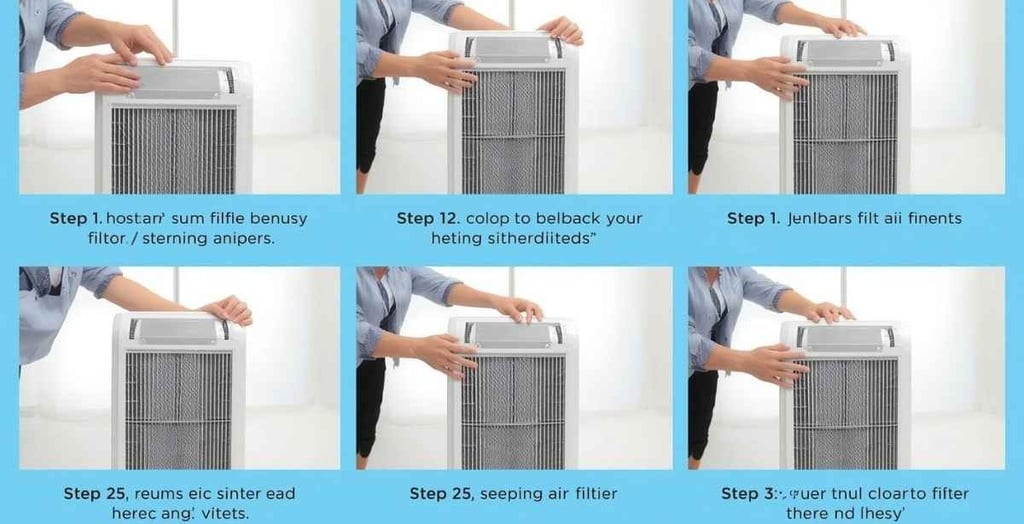
The first step is to turn off the air purifier and unplug it from the electrical outlet for safety. This precaution helps prevent any electrical hazards while you work. Next, locate the filter compartment, usually found at the back or bottom of the unit. Consult your product manual for specific instructions on accessing the filter compartment, as this can vary by model.
Once the compartment is open, carefully remove the old filter. If your filter is secured with a latch, ensure you disengage it gently to avoid damaging it. It's vital to dispose of the old filter properly, as it may contain accumulated allergens and pollutants.
Take the new filter out of its packaging and check for any protective covers that might need to be removed. Align the new filter with the compartment, ensuring that it adheres to the airflow direction indicated on the filter or in the manual. Secure the compartment back in place and make sure it is tightly closed to avoid any air leaks.
Finally, plug the air purifier back in and turn it on. Some models may require you to reset the filter indicator. This simple yet effective maintenance step will significantly enhance the air quality in your living space and ensure your air purifier functions at its best.
Cleaning Your Air Purifier - A Simple Guide
Regular maintenance of your air purifier is essential for ensuring optimal performance and longevity. Cleaning external components, such as the pre-filters and outer shells, plays a significant role in enhancing the air quality within your home. To begin with, it is advisable to clean your air purifier every week or at least once every two weeks, depending on the usage and the level of air pollution in your area.
When cleaning, start by unplugging the device to ensure safety. Use a soft, lint-free cloth to gently wipe down the outer shell of the purifier. Avoid using harsh chemicals or abrasive materials, as these can damage the surface. Instead, a solution of mild soap and water can be effective in tackling any stubborn stains. Ensure that the cloth is damp, not soaking wet, to avoid moisture from entering the device.
Next, pay attention to the pre-filters, which play a crucial role in trapping larger particles such as dust and pet hair. These filters should ideally be cleaned every 2 to 4 weeks. To do this, carefully remove the pre-filters following the manufacturer's instructions. Most pre-filters are washable; simply rinse them under cool water until they are clean. Allow them to dry completely before reattaching to the purifier. In line with best practices, it is also valuable to check the HEPA filters, although these typically require replacement every 6 to 12 months depending on usage.
By adhering to these cleaning practices, not only do you prolong the life of your air purifier, but you also enhance its ability to filter out pollutants effectively. Clean appliances function more efficiently, leading to improved indoor air quality and a healthier living environment.
Long-Term Usage Tips for Air Purifiers
To ensure the longevity and effectiveness of your air purifier, it is essential to adhere to a set of best practices for long-term usage. One of the primary considerations is the optimal placement of the device within your living space. Positioning the air purifier in a central location allows for maximum air circulation and filtration, as it can effectively capture airborne particles from various areas. Avoid placing the unit in corners or behind furniture, as these placements can obstruct airflow and diminish the purifier's efficiency.
Another critical aspect involves establishing a regular maintenance schedule. Frequent checks and timely replacements of filters are necessary to maintain the air purifier’s performance. Depending on the model, filters may need to be replaced every three to six months, but always consult the manufacturer's instructions for specific guidelines. Additionally, cleaning the pre-filters, if applicable, should be done regularly to enhance the unit's operation. Keeping the unit clean not only benefits air quality but also extends the overall life of the device.
Monitoring indoor air quality is equally important over time. Many contemporary air purifiers come equipped with air quality indicators, making it effortless to assess the current air condition in your home. By being aware of varying pollutant levels, you can adjust the appliance's operation accordingly. If the air quality in your living space is frequently poor, it may signal a need for a more robust air purification solution or adjustments in your home's ventilation system. Integrating these practices into your routine ensures that your air purifier continues to operate efficiently, contributing positively to your indoor air quality and overall health.
Conclusion and Final Thoughts
In summary, maintaining your air purifier is paramount to ensure it operates effectively and contributes to improved air quality in your home. Regular maintenance practices, such as timely cleaning and replacing the filters, play a significant role in optimizing the performance of your device. It is essential to familiarize yourself with the specific maintenance requirements of your air purifier model, as these can vary significantly. Proper upkeep not only enhances the efficiency of the purifier but also extends its lifespan, making it a worthwhile investment for your health and well-being.
Additionally, understanding the importance of air filtration in the context of Bangladesh, where air pollution can be a pressing issue, further underlines the need for diligence in this area. Clean air is vital for maintaining overall health, particularly in urban areas where pollution levels may be higher. By committing to a routine maintenance schedule, you are actively working towards a healthier indoor environment.
We encourage all readers to take actionable steps in their air purification journey. Set reminders for regular filter checks and ensure that your filters are cleaned or replaced as recommended by the manufacturer. By doing so, you are not just enhancing your air quality but also contributing to a healthier lifestyle for yourself and your family. The effort you put into maintaining your air purifier will reward you with the clear, breathable air that is essential for good health.
Address:
264/5, Kamal Soroni Road, Mirpur, Dhaka-1216
Contact
Your Quaries on pest control askings
pestexterminatorbd@gmail.com
+8801642008383 +8801988300003, 01723057746
© 2025. All rights reserved. to Urban Pest Control Pvt. Ltd. this site is powered by Our Own IT Team