
Air Pollution vs Water Pollution: Which Environmental Crisis Is Worse?
3/8/20268 min read
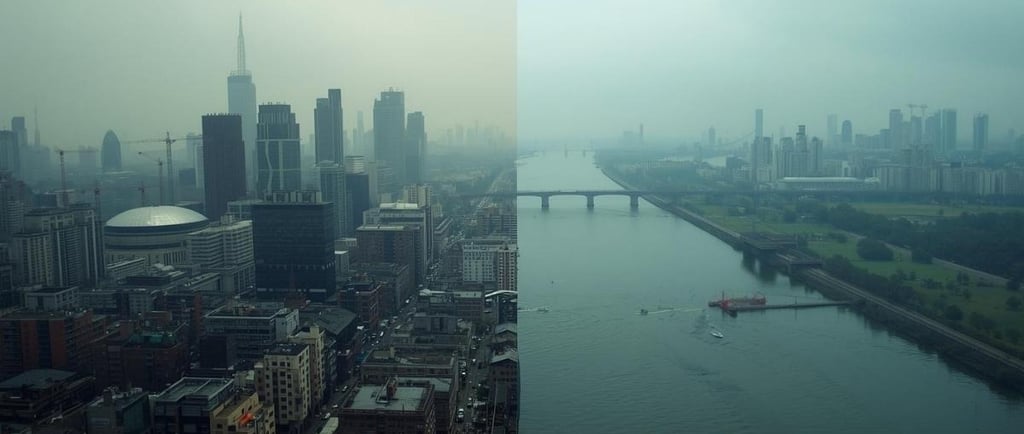
Introduction to Pollution Types
Pollution refers to the introduction of harmful substances or products into the environment, leading to adverse effects on living organisms and ecosystems. Among the various types of pollution, air and water pollution stand out as two of the most pressing environmental challenges that societies face today. Understanding these two forms of pollution is essential for addressing their impacts on public health and the overall quality of the environment.
Air pollution is characterized by the presence of harmful chemicals, particulates, and biological materials in the atmosphere. These pollutants can originate from various sources, including industrial emissions, vehicle exhaust, and natural processes such as wildfires and volcanic eruptions. Once released into the air, these substances can lead to serious health issues, such as respiratory diseases, cardiovascular problems, and even premature death. Notably, air pollution is not only a regional issue; it can affect air quality on a global scale, contributing to climate change and stratospheric ozone depletion.
In contrast, water pollution involves the contamination of water bodies—such as lakes, rivers, and oceans—due to harmful substances. These contaminants may include chemicals from agricultural runoff, industrial discharges, and even untreated sewage. The implications of water pollution are profound, as it can lead to the degradation of aquatic ecosystems and pose significant risks to human health, particularly when it affects drinking water supplies. Additionally, water pollution can have long-lasting effects on biodiversity and marine life, disrupting the delicate balance of ecosystems.
Both air and water pollution are critical issues that exemplify the interconnectedness of environmental systems. Addressing these challenges requires a comprehensive understanding of their causes, effects, and the measures necessary for mitigation. Through this exploration, one can appreciate the essential role that clean air and water play in sustaining life and preserving ecological integrity.
Sources of Pollution
Understanding the sources of air and water pollution is crucial in addressing the environmental challenges we face today. Various sources contribute to the degradation of air quality, including industrial emissions, vehicle exhaust, and agricultural practices. Each of these sources emits different pollutants that compromise air quality, leading to adverse health effects and ecological damage.
Industrial emissions are among the primary contributors to air pollution. Factories and power plants often release particulate matter, sulfur dioxide, nitrogen oxides, and volatile organic compounds (VOCs) into the atmosphere. These emissions can vary significantly depending on the type of industry and regulatory measures in place within different geographical regions. For instance, industrial areas near urban centers may exhibit higher pollution levels due to dense manufacturing activities compared to rural areas.
Vehicle exhaust represents another significant source of air pollution. As urban populations increase, the number of vehicles on the road rises, subsequently enhancing emissions of carbon monoxide, hydrocarbons, and nitrogen oxides. Regions with heavy traffic, such as metropolitan areas, are disproportionately affected by this type of pollution, resulting in smog and other respiratory issues among inhabitants.
On the water pollution front, agricultural runoff is a major source of concern. The application of fertilizers and pesticides in farming practices leads to the leaching of harmful chemicals into nearby water bodies. This runoff can result in nutrient loading, which fosters harmful algal blooms and deteriorates aquatic ecosystems. Geographic variations in agricultural practices can lead to significant differences in the level of water contamination in different regions.
Untreated wastewater also poses a severe threat to water quality. Many regions, particularly in developing countries, discharge untreated or inadequately treated sewage into water bodies. This can introduce pathogens, heavy metals, and additional pollutants that compromise the health of both human populations and aquatic life. The temporal aspect of wastewater discharge can vary according to seasonal patterns, where increased rainfall may exacerbate this issue by overwhelming treatment facilities.
In summary, the sources of air and water pollution are diverse and complex, influenced by industrial activities and agricultural practices, both of which can vary sharply based on geographic and temporal factors. Addressing these pollution sources effectively is essential for improving environmental health and protecting public wellbeing.
Health Effects of Air and Water Pollution
Air and water pollution are two pressing environmental issues that profoundly impact human health. Exposure to polluted air has been linked to a range of respiratory diseases, such as asthma and chronic obstructive pulmonary disease (COPD). According to the World Health Organization (WHO), air pollution accounts for approximately 7 million premature deaths worldwide each year, with a significant portion resulting from conditions attributed to poor air quality.
The primary pollutants affecting air quality include particulate matter (PM), nitrogen oxides (NOx), and sulfur dioxide (SO2). These pollutants can exacerbate existing health conditions and cause new health-related problems, particularly for vulnerable populations such as children, the elderly, and individuals with pre-existing health conditions. Additionally, recent studies have indicated a correlation between long-term exposure to air pollution and an increased incidence of cardiovascular diseases, including heart attacks and strokes. A comprehensive examination of these studies reveals alarming trends that emphasize the need for effective regulatory measures to combat air pollution.
On the other hand, water pollution poses significant health risks through ingestion and exposure to contaminated water. Waterborne illnesses caused by pathogens in polluted water sources can lead to acute gastrointestinal infections, cholera, dysentery, and other serious health issues. The Centers for Disease Control and Prevention (CDC) reports that each year, millions of people in the United States become ill from consuming contaminated water, leading to considerable public health burdens.
The contaminants often found in polluted water include bacteria, viruses, chemicals, and heavy metals. These can originate from agricultural runoff, industrial discharges, and waste disposal practices. Moreover, emerging pollutants such as pharmaceuticals and personal care products are contributing to the complexities of water quality and public health. As a consequence, a multifaceted approach is essential for addressing both air and water pollution to safeguard community health.
Environmental Damage Caused by Pollution
Pollution remains a pressing challenge for global ecosystems, manifesting primarily in two forms: air pollution and water pollution. Both significantly contribute to environmental degradation, albeit through different mechanisms and with varying impacts. Understanding these differences is essential for effective environmental management and restoration efforts.
Air pollution primarily results from industrial emissions, vehicle exhaust, and the combustion of fossil fuels. The release of harmful airborne pollutants such as sulfur dioxide and nitrogen oxides can lead to the formation of acid rain. This phenomenon not only damages forests and ecosystems but also acidifies water bodies, making them inhospitable for many aquatic organisms. Furthermore, airborne particulate matter can infiltrate the respiratory systems of both humans and animals, severely affecting health and biodiversity.
In contrast, water pollution often arises from agricultural runoff, sewage discharge, and industrial waste. This type of pollution primarily introduces harmful chemicals and pathogens into water systems, adversely affecting aquatic life. The contamination can precipitate events such as eutrophication, where excessive nutrients lead to algal blooms, depleting oxygen levels in the water and causing mass die-offs of fish and other marine life. Additionally, pollutants such as heavy metals can bioaccumulate in the food chain, posing risks to both wildlife and human health.
Comparatively, air pollution tends to have a more immediate and widespread effect on atmospheric conditions, impacting not only local environments but also contributing to climate change. Water pollution, while sometimes localized, can have catastrophic effects on specific ecosystems and can persist for decades if not managed promptly. In summary, both air and water pollution pose significant threats to the environment, affecting ecosystems and biodiversity in profoundly different ways, necessitating comprehensive strategies for mitigation and recovery.
Global Statistics and Trends
Air and water pollution have become critical environmental concerns worldwide, affecting public health, ecosystems, and economies. According to the World Health Organization (WHO), approximately 4.2 million deaths annually are attributed to exposure to outdoor air pollution, while water pollution claims an estimated 1.8 million lives each year due to waterborne diseases. These stark statistics underscore the urgency for effective environmental policies and regulations.
In terms of prevalence, air pollution is predominantly a problem in urban areas, with cities like Delhi, Beijing, and Cairo frequently recording hazardous air quality levels. The United Nations Environment Programme (UNEP) reports that around 92% of the global population lives in locations where air quality exceeds WHO guidelines. Conversely, water pollution affects both urban and rural communities. Regions experiencing industrial runoff or inadequate waste management suffer significantly. For example, nearly 2 billion people lack access to safe drinking water, making them vulnerable to health hazards.
Trends over the years reveal alarming patterns in both air and water quality. Satellite data shows that, globally, nitrogen dioxide emissions—a key air pollutant—have decreased in regions like North America and Europe due to stringent regulations. However, this trend is offset by increasing emissions in rapidly industrializing nations such as India and China. Furthermore, impacts from agricultural runoff and plastic waste have increasingly degraded water bodies, contributing to phenomena such as the formation of "dead zones" in oceans.
When comparing countries, disparities are evident. For instance, countries in Sub-Saharan Africa and South Asia face severe water quality challenges, while developed nations are typically better equipped to combat air pollution through technology and regulation. This comparative analysis highlights the uneven impacts of air and water pollution globally and the need for targeted interventions geared toward the most affected populations.
Long-Term Risks Associated with Pollution
The long-term risks associated with both air and water pollution present significant challenges for public health, the environment, and economic stability. Air pollution, characterized by the release of harmful pollutants such as sulfur dioxide and particulate matter, has been linked to a myriad of chronic health conditions. These include respiratory ailments like asthma and chronic obstructive pulmonary disease (COPD), cardiovascular diseases, and even cancer. Individuals exposed to these pollutants may experience diminished lung function and increased mortality rates, leading to a pressing need for intervention and long-term strategies to protect vulnerable populations.
Similarly, water pollution poses serious long-lasting effects on human health. Contaminants such as heavy metals, bacteria, and organic compounds can lead to gastrointestinal illnesses, neurological disorders, and developmental issues in children. Moreover, since water pollution can persist over time, affected bodies of water may not recover easily, posing ongoing risks to communities reliant on these resources for drinking water and recreation.
Environmental issues stemming from both air and water pollution significantly contribute to climate change. Air pollution results in the greenhouse gases that accelerate global warming, while polluted water bodies can disrupt local ecosystems, affecting biodiversity and the ability of natural habitats to adapt to changing conditions. As the environment deteriorates, communities face heightened vulnerability to natural disasters, increased flooding, and droughts, which can lead to forced migrations and heightened economic instability.
Looking ahead, current trends suggest that without decisive policy actions, the risks associated with pollution will intensify. Predictions indicate worsening public health outcomes along with significant economic burdens due to increased healthcare costs and loss of productivity. Communities may struggle with the economic fallout of declining property values and decreased tourism as environments become more inhospitable. Thus, addressing pollution in both its air and water forms is not only vital for safeguarding health but also for ensuring sustainable economic futures.
Conclusion and Call to Action
In examining the multifaceted issues surrounding air and water pollution, it is essential to recognize their distinct yet interconnected impacts on both public health and the environment. Air pollution, primarily stemming from industrial emissions, vehicular exhaust, and various agricultural practices, has been linked to respiratory diseases, cardiovascular complications, and a host of other health concerns. Conversely, water pollution, often resulting from wastewater discharge, agricultural runoff, and plastic waste, threatens aquatic ecosystems and the quality of drinking water, posing significant risks to human health and biodiversity.
The key differences between air and water pollution lie in their sources, effects, and regulatory challenges, as air pollutants tend to disperse rapidly but can travel great distances, whereas water pollutants often accumulate in bodies of water, leading to localized harm. As we navigate these environmental issues, it becomes increasingly clear that effective management and advocacy are crucial in mitigating their adverse effects.
To combat these pollution crises, collective action is paramount. Individuals can contribute to pollution reduction initiatives by adopting sustainable practices in their daily lives, such as reducing waste, conserving energy, and minimizing water use. Furthermore, advocating for stringent environmental regulations can help ensure that businesses adopt more sustainable practices. Citizen engagement plays a pivotal role in driving policy changes at both local and national levels.
As stewards of the environment, we bear the responsibility to protect our air and water resources for future generations. By raising awareness, participating in clean-up efforts, and supporting regulatory reforms, we can create a healthier and more sustainable world. Let us work together not only to address the current pollution challenges but to champion a sustainable future where clean air and water are accessible to all.
Address:
264/5, Kamal Soroni Road, Mirpur, Dhaka-1216
Contact
Your Quaries on pest control askings
pestexterminatorbd@gmail.com
+8801642008383 +8801988300003, 01723057746
© 2025. All rights reserved. to Urban Pest Control Pvt. Ltd. this site is powered by Our Own IT Team