
Air Pollution in Dhaka & Best Air Purifier Solutions for Clean Breathing
3/18/20268 min read
Understanding Air Pollution in Dhaka
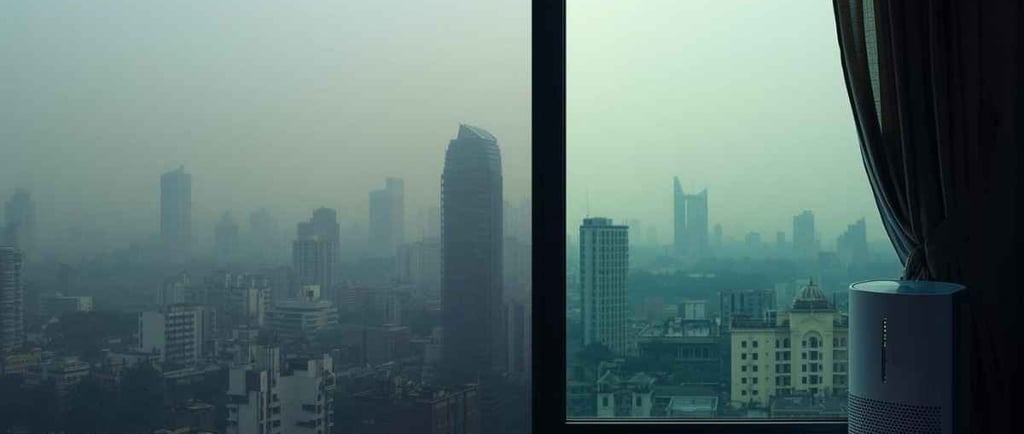
Air pollution in Dhaka, the capital city of Bangladesh, has reached alarming levels, positioning the city among the most polluted in the world. According to the World Air Quality Report, Dhaka consistently tops the global rankings for poor air quality, with the annual average particulate matter (PM2.5) levels significantly exceeding the World Health Organization's recommended limits.
Common sources of air pollution in Dhaka include vehicle emissions, which constitute a major contributor due to the high volume and outdated nature of the vehicular fleet. In addition, construction activities generate substantial dust and debris, while industrial waste from numerous factories exacerbates the situation. Other contributing factors include the burning of solid waste and biomass, which releases harmful pollutants into the atmosphere.
The impact of this severe air pollution is evident, as it poses significant risks to public health. Increased respiratory problems, cardiovascular diseases, and long-term conditions such as chronic obstructive pulmonary disease (COPD) are prevalent among the city's residents. Children and the elderly are particularly vulnerable to the effects of polluted air. Furthermore, air pollution has dire consequences on the environment, contributing to climate change and deteriorating the quality of life in urban settings.
Comparatively, Dhaka's air quality falls well below global standards, highlighting the urgent need for effective measures to combat this growing problem. The city’s residents are in dire need of clean air solutions. Hence, understanding the intricate landscape of air pollution in Dhaka is vital for developing targeted strategies aimed at improving air quality and, by extension, public health.
Health Impacts of Air Pollution
Air pollution is a critical issue in Dhaka, with profound implications for the health of its residents. The deteriorating air quality has been linked to a variety of short-term and long-term health effects, particularly affecting vulnerable populations such as children and the elderly. Respiratory issues are among the most immediate consequences of poor air quality. Residents frequently experience symptoms like coughing, wheezing, and shortness of breath. These acute conditions may escalate into chronic respiratory diseases, such as asthma and chronic obstructive pulmonary disease (COPD), if exposure to pollutants continues over time.
Moreover, air pollution has been implicated in increasing the risk of cardiovascular diseases. Studies indicate that fine particulate matter (PM2.5) can penetrate deep into the lungs and enter the bloodstream, leading to inflammation and arterial damage. This condition significantly raises the probability of heart attacks, strokes, and other cardiovascular complications. According to health professionals, the rise in pollution-related illnesses in Dhaka is alarming; a recent report highlighted a dramatic increase in hospital admissions related to respiratory and cardiovascular diseases, attributing it directly to environmental factors.
Children and the elderly are particularly susceptible to the toxic effects of air pollutants. The developing respiratory systems of children make them more vulnerable to the adverse impacts of air pollution, potentially leading to lifelong health challenges. Similarly, older individuals often have pre-existing health conditions that can be exacerbated by polluted air. As these populations breathe in contaminated air, they face an elevated risk of both immediate and chronic health problems, resulting in reduced quality of life and increased healthcare costs.
In summary, the escalating air pollution crisis in Dhaka poses significant health risks across all demographics, with particular emphasis on the most vulnerable. Addressing this issue through the use of effective air purifier solutions and public health initiatives is imperative for safeguarding the health of the city's residents.
Signs You Need an Air Purifier
As urban areas like Dhaka experience increasing levels of air pollution, it is essential to assess whether an air purifier is necessary for your home. Several signs indicate that indoor air quality may be compromised, prompting the need for an effective air purification solution.
One of the primary indicators is persistent allergy symptoms. If you or your family members frequently suffer from sneezing, nasal congestion, or itchy eyes, it may be a result of airborne allergens that an air purifier can help eliminate. Additionally, individuals with respiratory issues, such as asthma or chronic obstructive pulmonary disease (COPD), may notice worsening symptoms due to poor indoor air quality. An air purifier designed to trap particulate matter can help alleviate these health concerns.
Visible dust and grime accumulation on surfaces can suggest inadequate air filtration. Regularly needing to dust furniture or clean windows may indicate that pollutants are circulating within the home, where they can contribute to health problems over time. Furthermore, in light of the rising pollution levels reported in local news, it is crucial to remain vigilant about indoor conditions. The Air Quality Index (AQI) can provide a valuable insight into the outdoor air quality, influencing indoor air conditions as well.
Monitoring your home’s indoor air quality is vital. Techniques may include using air quality sensors to measure levels of pollutants like particulate matter, volatile organic compounds (VOCs), and carbon dioxide. It's also significant to recognize the limitations of natural ventilation in urban settings, where outdoor air quality may not be sufficient to clear indoor contaminants. For those living in densely populated areas, an air purifier can be instrumental in ensuring a healthier living environment.
Types of Air Purifiers Available
In the quest for clean air, various types of air purifiers have been developed, each utilizing distinct technologies to counteract air pollution. Understanding these options is key to selecting the right device for your needs. One of the most popular types is the HEPA (High-Efficiency Particulate Air) filter. This type is highly effective at capturing particles as small as 0.3 microns, making it particularly adept at removing PM2.5 pollutants, allergens such as pollen and pet dander, and dust mites. A HEPA filter typically guarantees at least a 99.97% efficiency in particle removal when properly maintained.
Another noteworthy category of air purifiers is those equipped with activated carbon filters. These devices excel at adsorbing odors, volatile organic compounds (VOCs), and some harmful gases due to the porous nature of activated carbon. This makes them particularly effective for households that deal with common household odors or chemical fumes, providing a more pleasant indoor atmosphere.
Ozone generators are also available but operate by generating ozone (O3) to neutralize contaminants in the air. While they can effectively eliminate odors and some pollutants, it is crucial to be aware of safety concerns since ozone can be harmful to human health when present in high concentrations. Furthermore, it's essential to consider features such as filter replacement indicators, noise levels, and coverage area when choosing an air purifier. Ensuring the device matches your specific air quality challenges and room size can significantly enhance its efficiency, ensuring optimal air cleanliness and health benefits for occupants.
Best Air Purifiers for Urban Pollution in Dhaka
Dhaka is one of the most densely populated cities in the world, making air quality a significant concern for its residents. With its high levels of urban pollution, selecting the right air purifier is crucial for ensuring clean breathing. Below are some of the top air purifier models that effectively combat urban pollution in Dhaka.
One of the leading air purifiers is the Dyson Pure Cool Link. This model not only captures gases and pollutants but also features a HEPA filter that removes 99.97% of allergens as small as 0.3 microns. It also comes with a real-time air quality monitor and a remote control. Priced around BDT 37,000, the Dyson is widely available on platforms like Daraz and in authorized electronics stores across Dhaka.
Another notable option is the Philips Series 3000i Air Purifier. Known for its high CADR (Clean Air Delivery Rate), this model is excellent for larger living spaces. It features a 3-layer filtration system, including a HEPA filter, which effectively reduces particulate matter. The unit costs approximately BDT 26,000 and can be found at local retailers or online stores.
The Mi Air Purifier 3 has gained popularity due to its affordability and effectiveness. With a price tag of about BDT 12,000, it’s a budget-friendly choice. It includes a HEPA filter and offers smart Wi-Fi connectivity, allowing users to monitor air quality via an app. This purifier can also be purchased through e-commerce sites such as Chaldal or Pakwan.
In addition to these models, reviews from users highlight satisfaction with their overall performance and noticeable improvements in air quality. Experts also recommend choosing a purifier based on room size and specific needs, ensuring optimal filtration against urban air pollutants. By investing in a quality air purifier, residents can breathe easier in Dhaka’s challenging environment.
Maximizing Air Purifier Efficiency
To enhance the efficacy of air purifiers in tackling indoor air pollution, strategic placement of the device is crucial. It is advisable to locate the air purifier in a room that receives frequent use, such as the living room or bedroom. Ensure that it is positioned away from walls, furniture, and curtains to allow unimpeded airflow. Additionally, avoid placing the device in corners, as this can hinder its air circulation capabilities. For optimal performance, a central location in the room often serves best, thus allowing the purifier to reduce airborne pollutants effectively.
Maintenance is another vital component in maximizing the air purifier's efficiency. Regularly replacing filters according to the manufacturer’s recommendations is essential to ensure peak performance. Clogged or dirty filters can restrict airflow and decrease the purifier's effectiveness in removing harmful particles from the air. Be mindful of the filter types; some purifiers come equipped with HEPA filters, which are particularly effective in trapping allergens and fine particles.
Practicing good housekeeping can also significantly assist in reducing indoor air pollution. Regular dusting, vacuuming, and cleaning surfaces help minimize the accumulation of dust, pet dander, and other allergens that can overwhelm the air purifier. Moreover, implementing measures to minimize outdoor pollutants' entry is beneficial. This can include keeping windows closed during high pollution days, utilizing doormats to reduce dust brought in from outside, and considering indoor plants that can enhance air quality by absorbing certain harmful pollutants.
Lastly, it may be beneficial to combine the air purifier with other methods of maintaining clean indoor air. Using exhaust fans while cooking or after showering can effectively remove excess humidity and cooking odors. Together, these practices contribute to a healthier indoor environment, ultimately allowing the air purifier to operate more efficiently and effectively.
Concluding Thoughts and Call to Action
Throughout this blog post, we have explored the pressing issue of air pollution in Dhaka, illustrating its severe impact on public health and daily life. The air quality in this bustling city continues to deteriorate, leading to increased respiratory illnesses and other health complications among its residents. It is imperative for individuals and communities to acknowledge the gravity of this situation and take proactive measures to mitigate its effects.
Investing in an air purifier is a critical step towards improving air quality within homes and workplaces. These devices can substantially reduce indoor air pollutants, providing a cleaner breathing environment. With a variety of models available, each equipped with distinct filtration technologies such as HEPA filters, the right air purifier can cater effectively to individual needs and preferences. By incorporating air purifiers into their daily lives, Dhaka's residents can combat the effects of external pollution and prioritize their health.
Moreover, raising awareness about the air quality crisis is vital. By sharing this blog post, engaging with local environmental initiatives, and discussing air pollution issues within your community, you can help shed light on this urgent matter. Encouraging others to recognize the importance of clean air not only promotes public health but also empowers individuals to advocate for better environmental policies. It can foster a collective movement aimed at reducing air pollution in Dhaka and beyond.
In summary, as we reflect on the significance of addressing air pollution, let us take actionable steps to protect our health and the well-being of future generations. Consider investing in an air purifier to combat the pervasive challenges posed by air pollution. Together, we can strive for a healthier, cleaner Dhaka.
Address:
264/5, Kamal Soroni Road, Mirpur, Dhaka-1216
Contact
Your Quaries on pest control askings
pestexterminatorbd@gmail.com
+8801642008383 +8801988300003, 01723057746
© 2025. All rights reserved. to Urban Pest Control Pvt. Ltd. this site is powered by Our Own IT Team