
Air Pollution in Bangladesh: Causes, Health Risks & Effective Air Purification Solutions (2026 Guide)
3/8/20268 min read
What is Air Pollution?
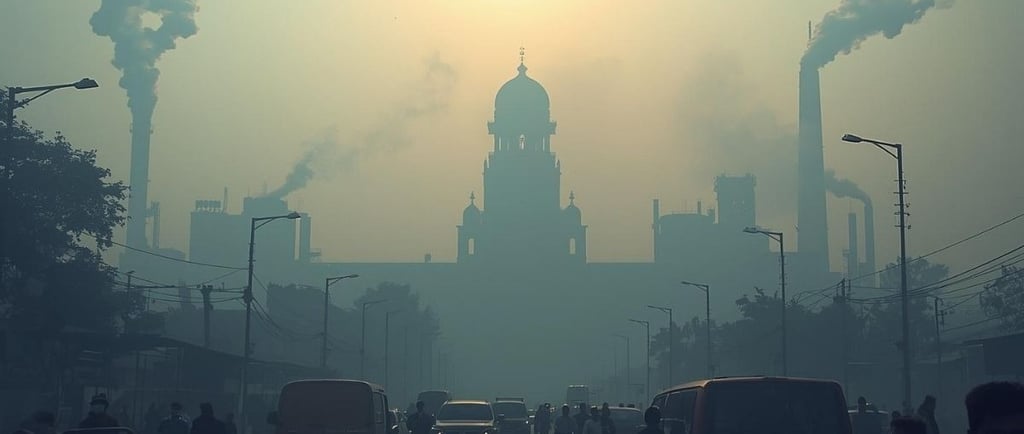
Air pollution is defined as the presence of harmful substances in the atmosphere, which can negatively impact both human health and the environment. These substances, known as pollutants, can be either solid particles, liquid droplets, or gases. They originate from various sources, including industrial discharges, vehicle emissions, agricultural activities, and even natural events such as wildfires and volcanic eruptions. In urban settings, such as the major cities in Bangladesh, the concentration of these pollutants is often exacerbated by factors like population density and economic activities.
There are several major types of air pollutants. Particulate matter (PM), for instance, is one of the most concerning pollutants, consisting of tiny particles that can penetrate the respiratory system and cause serious health issues. Another common pollutant is nitrogen dioxide (NO2), which primarily arises from vehicle emissions and can lead to respiratory problems and other health complications. Additionally, sulfur dioxide (SO2), primarily produced by burning fossil fuels, contributes to the formation of acid rain, posing risks to both human health and natural ecosystems.
Understanding air pollution is vital for managing its impact, particularly in urban environments like Bangladesh's major cities, where air quality is often compromised. People living in these regions are exposed to higher levels of pollutants, increasing their risk for respiratory diseases, cardiovascular problems, and other health-related issues. Furthermore, air pollution can adversely affect the environment, causing harm to wildlife and disrupting ecosystems. Public awareness and understanding of air pollution are essential for advocating better policies, promoting cleaner technologies, and ultimately improving air quality for future generations.
Major Air Pollutants in Bangladesh
Bangladesh, known for its rapid urbanization and population density, experiences significant air quality challenges predominantly caused by various air pollutants. Among these, particulate matter (PM) is a primary concern, particularly PM2.5 and PM10. PM2.5 refers to particulate matter with a diameter of 2.5 micrometers or smaller, while PM10 pertains to particles with diameters up to 10 micrometers. These fine particles can penetrate deep into the respiratory system, leading to serious health issues, including respiratory infections, cardiovascular diseases, and aggravated asthma.
Another critical air pollutant in Bangladesh is carbon monoxide (CO), a colorless, odorless gas produced primarily from vehicle emissions and combustion processes. Higher concentrations of CO can hinder the blood's ability to transport oxygen, leading to a range of health problems, including increased heart rate and headache. In urban settings, where traffic congestion is rampant, CO levels tend to rise, posing a significant risk to public health.
Nitrogen dioxide (NO2), a gas formed from burning fossil fuels, is also of great concern. It contributes to the formation of ground-level ozone, which can exacerbate asthma and other respiratory conditions. Sources of NO2 include motor vehicles, power plants, and industrial facilities. Lastly, sulfur dioxide (SO2) is predominantly produced from the burning of fossil fuels, particularly coal and oil. Exposure to SO2 can lead to respiratory problems and is known to form fine particulate sulfate when it reacts with atmospheric moisture.
Overall, these major air pollutants—PM2.5, PM10, CO, NO2, and SO2—are significant contributors to the deteriorating air quality in Bangladesh. Understanding their sources and effects is crucial for policymakers and the public to mitigate air pollution and improve health outcomes.
Sources of Pollution in Major Bangladeshi Cities
Air pollution in Bangladesh, particularly in its major cities, is a pressing concern that significantly impacts public health and the environment. The sources of air pollution are multifaceted, encompassing several sectors that contribute to deteriorating air quality. One of the primary sources stems from industrial emissions. Numerous factories situated in urban centers like Dhaka and Chittagong release a substantial amount of pollutants into the atmosphere. These industries, which often operate without stringent environmental regulations, emit volatile organic compounds (VOCs), particulate matter (PM), and other harmful substances that degrade air quality.
Vehicular exhaust represents another critical contributor to air pollution in cities like Dhaka and Khulna. The rapid urbanization and increasing population have led to a surge in vehicle numbers, resulting in traffic congestion and elevated emissions. Older models, which lack modern emission control technologies, exacerbate the problem by spewing high levels of nitrogen oxides and carbon monoxide into the environment, thereby compromising air quality.
Construction activities also play a significant role in urban air pollution. The ongoing development projects across cities lead to dust generation and the release of particulate matter into the air. This dust not only affects the local air quality but also poses health risks to construction workers and nearby residents. Furthermore, the practice of waste burning, which is prevalent in some urban neighborhoods, releases dioxins, furans, and other toxic pollutants directly into the atmosphere.
Additionally, other anthropogenic activities, such as brick kilns, power generation using fossil fuels, and improper disposal of solid waste, collectively contribute to the ambient air pollution levels in these urban areas. Addressing these diverse sources of pollution is vital for improving air quality and ensuring a healthier environment for the citizens of Bangladesh.
Health Effects of Polluted Air
Air pollution poses significant health risks that affect populations, particularly in densely populated urban areas like those found in Bangladesh. Short-term exposure to polluted air can lead to a range of immediate respiratory problems, including irritation of the airways, coughing, shortness of breath, and exacerbation of asthma. Vulnerable groups such as children, the elderly, and individuals with pre-existing health conditions are especially susceptible to these acute effects.
Long-term exposure to air pollution is associated with more serious health complications. Chronic respiratory diseases, such as Chronic Obstructive Pulmonary Disease (COPD), are increasingly prevalent due to sustained exposure to airborne pollutants. The fine particulate matter (PM2.5) that lingers in the atmosphere can penetrate deep into the lungs and enter the bloodstream, leading to systemic effects. This porous transition can trigger cardiovascular diseases, increasing the risk of heart attacks and strokes.
Moreover, air pollution is also linked to adverse effects on mental health and cognitive function. Studies suggest that long-term exposure to high levels of pollution can contribute to depression and anxiety disorders, although the mechanisms are still being researched. Additionally, emerging evidence indicates that children exposed to polluted environments may experience developmental delays and diminished cognitive abilities.
Aside from these immediate and long-term consequences, air pollution can also exacerbate existing health conditions, leading to increased hospital admissions and higher mortality rates. Therefore, understanding and mitigating the health effects of air pollution is crucial, not only for individual well-being but also for public health initiatives. Implementing policies aimed at reducing emissions from industry and vehicles can play a vital role in enhancing air quality and protecting the health of Bangladesh's population.
Vulnerabilities: Impact on Children and the Elderly
In Bangladesh, the adverse effects of air pollution are especially pronounced among vulnerable populations, such as children and the elderly. These demographics are at heightened risk due to their physiological characteristics and pre-existing health conditions. Children, whose lungs and immune systems are still developing, are particularly susceptible to airborne pollutants. Exposure to harmful substances like particulate matter (PM) and nitrogen dioxide (NO2) can impede lung growth and function, potentially leading to chronic respiratory conditions later in life. Moreover, studies indicate a correlation between air pollution and cognitive impairments in children. This includes diminished IQ levels and learning disabilities, underscoring the long-term implications of poor air quality on the younger generation.
For the elderly, the impact of air pollution can exacerbate pre-existing health issues such as asthma, chronic obstructive pulmonary disease (COPD), and cardiovascular diseases. The decline in overall health associated with aging requires a clean air environment to manage and mitigate health risks. Research has shown that elderly individuals exposed to high levels of air pollutants face increased hospital admissions and a higher rate of mortality. The interplay between pre-existing health conditions and the effects of air pollution underscores an urgent need for targeted public health initiatives.
The vulnerability of these two populations necessitates a multifaceted approach to address the critical issue of air pollution in urban Bangladesh. Interventions should include educational programs and stricter air quality regulations aimed at minimizing exposure to harmful pollutants. Additionally, healthcare systems need to be equipped to monitor and manage the health of children and the elderly, focusing on preventive measures. Fostering public awareness about the dangers of air pollution will also be key to encouraging localized action and improving the overall health landscape for these vulnerable groups.
Indoor Air Pollution Problems
In Bangladesh, the issue of indoor air pollution is a growing concern, particularly in densely populated urban areas such as Dhaka and Chittagong. Indoor air quality can often be compromised by a variety of pollutants that originate from everyday activities and materials used in homes. Understanding these sources and their potential health effects is crucial for promoting awareness and implementing effective solutions.
Common sources of indoor air pollution include the use of solid fuels for cooking, inadequate ventilation, and the presence of household chemicals. For instance, many households in urban Bangladesh rely on biomass fuels such as wood or dung, which emit harmful particulate matter and carbon monoxide when burned. Additionally, the use of kerosene lamps and the burning of candles can further contribute to poor indoor air quality.
Moreover, indoor pollutants can also arise from materials used in construction and home furnishings. Volatile organic compounds (VOCs) are emitted from paints, varnishes, and adhesives, leading to significant health risks when these substances accumulate in poorly ventilated spaces. As a result, residents may experience a variety of health issues, including respiratory problems, eye irritation, and exacerbated conditions such as asthma.
Furthermore, indoor air pollution can have a particularly pronounced effect on vulnerable groups, including children and the elderly. Exposure to contaminated indoor air can lead to long-term health complications and reduced quality of life. It is essential to recognize that indoor air pollution can be as detrimental to health as outdoor air pollution, urging a call to action for improved air quality in our homes.
Mitigating Air Pollution: Government Initiatives and Solutions
In Bangladesh, the challenge of air pollution has prompted the government to take decisive steps aimed at mitigating its adverse effects. Various initiatives have been implemented to improve air quality across major cities, focusing on both policy formation and regulatory measures. One of the critical approaches has been the establishment of stringent emission standards for industries, primarily targeting the brick kilns and manufacturing sectors that are significant contributors to air pollution. The government has mandated that these industries adopt cleaner technologies and practices to reduce emissions, thus improving the overall air quality.
Moreover, the Bangladesh National Environment Policy outlines several action plans aimed at promoting sustainable development while addressing environmental concerns. This policy encourages public awareness campaigns that educate citizens on the health impacts of air pollution, thus fostering community engagement and collaborative efforts in pollution reduction. Campaigns like "Clean Air Day" promote awareness and encourage local communities and organizations to take ownership of their air quality.
In addition to these traditional methods, emerging technologies are also being harnessed to tackle air pollution at the household level. The government is exploring smart air purification systems that not only filter out harmful particulate matter but also integrate with digital platforms to offering real-time air quality monitoring. These advanced technologies, often supported by public-private partnerships, allow households to better manage indoor air quality, aligning personal health with broader environmental goals.
Efforts to mitigate air pollution in Bangladesh continue to evolve, with an emphasis on preventive strategies and innovative solutions. By implementing these initiatives, the government aims not only to reduce pollution levels but also to cultivate a greater sense of environmental stewardship among its citizens, contributing to long-term improvements in air quality.
Practical Tips to Reduce Exposure to Air Pollution at Home
Air pollution is a pressing issue not only outdoors but also indoors, where individuals and families spend a significant amount of their time. By taking proactive steps, it is possible to reduce exposure to harmful pollutants within the home environment, fostering better health and well-being.
One effective measure is the use of air purifiers equipped with HEPA filters. These devices are designed to trap fine particles such as dust, pollen, and smoke, ensuring cleaner air circulates within your living space. It is advisable to choose an air purifier that is appropriately sized for the room and to regularly replace the filters to maintain optimal performance.
In addition to air purifiers, homeowners can incorporate indoor plants that have air-purifying qualities. Certain species, such as spider plants and peace lilies, can remove toxins from the air naturally. However, it is essential to ensure that the plants are well-maintained, as decaying foliage can contribute to indoor air pollution.
Another practical habit involves minimizing the use of chemical-based cleaning products and opting for natural alternatives. Many conventional cleaning agents release volatile organic compounds (VOCs) that can deteriorate indoor air quality. Using vinegar, baking soda, and essential oils can not only reduce exposure to these harmful chemicals but also promote a healthier home.
Maintaining good ventilation is crucial as well. Opening windows and doors when weather permits can allow fresh air to circulate and dilute indoor pollutants. Moreover, ensuring that any gas appliances are well-vented and regularly maintained can prevent harmful fumes from accumulating indoors.
Lastly, consider establishing a no-shoes policy to minimize the introduction of outdoor pollutants into the home. By practicing these strategies, families in Bangladesh can create a healthier indoor environment, mitigating the adverse effects of air pollution.
Address:
264/5, Kamal Soroni Road, Mirpur, Dhaka-1216
Contact
Your Quaries on pest control askings
pestexterminatorbd@gmail.com
+8801642008383 +8801988300003, 01723057746
© 2025. All rights reserved. to Urban Pest Control Pvt. Ltd. this site is powered by Our Own IT Team