
Activated Carbon Gas Mask: How It Protects You from Toxic Air
3/30/20267 min read
Introduction to Activated Carbon
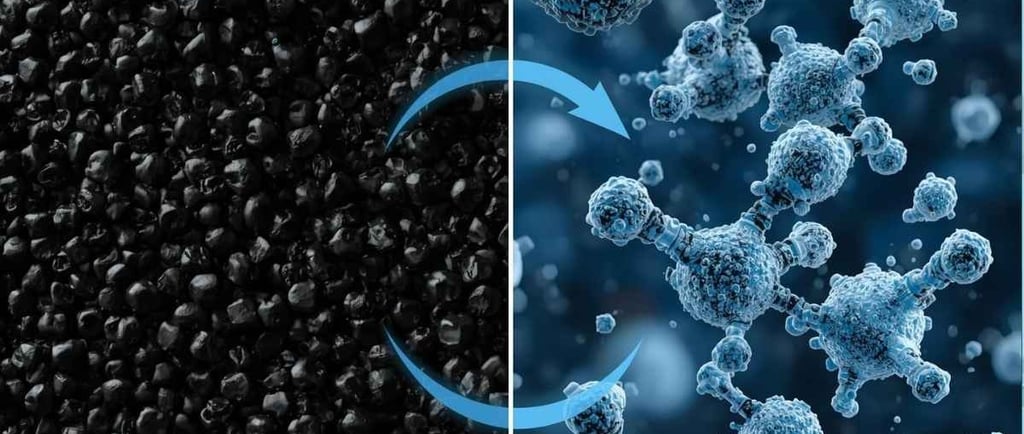
Activated carbon, also known as activated charcoal, is a highly porous form of carbon that has been treated to enhance its adsorptive properties. This material is produced through a process known as activation, which typically involves heating carbon-rich materials such as wood, bone, or coconut shells in an oxygen-free environment. This process creates a large surface area with numerous tiny pores, enabling activated carbon to adsorb a wide variety of substances.
The unique physical and chemical properties of activated carbon contribute to its effectiveness in air purification. Because of its extensive surface area, with some types of activated carbon having up to 2,000 square meters of surface area per gram, it can capture pollutants, odors, and volatile organic compounds (VOCs) from the air efficiently. When air passes through a filter containing activated carbon, harmful particles adhere to its surface, thus improving overall air quality.
Activated carbon exists in several forms, including granular activated carbon (GAC), powdered activated carbon (PAC), and extruded activated carbon. GAC is commonly used in air and water filtration systems due to its effectiveness and larger particle size, allowing for better airflow. In contrast, PAC is often used for specific applications or in smaller systems where rapid adsorption is required. Extruded activated carbon is engineered into pellet form, making it suitable for environments with limited space. These various forms of activated carbon ensure wide-ranging applications, not just in air purification, but also in water treatment, food production, and chemical processing.
How Activated Carbon Works in Filtration
Activated carbon, also known as activated charcoal, is renowned for its ability to filter air and water due to its remarkable adsorption properties. The process of adsorption is central to how activated carbon works; it is important to differentiate this from absorption. Adsorption refers to the adhesion of atoms, ions, or molecules from a gas, liquid, or dissolved solid to a surface, while absorption involves the material being consumed entirely.
Activated carbon is created by processing carbon-rich materials, such as coconut shells or coal, through high-temperature treatment in the presence of gas. This process enhances its porosity, increasing the surface area significantly—up to 2000 square meters per gram. The extensive surface area provides numerous sites for the adsorption of pollutants, making activated carbon an effective filtering agent.
In air purification, activated carbon filters can capture volatile organic compounds (VOCs), toxic gases, odors, and various harmful chemicals. When air passes through an activated carbon filter, pollutants adhere to the surface through physical and chemical mechanisms. Physically, the van der Waals forces attract molecules of the pollutants to the porous structure of activated carbon. Chemically, some contaminants can react with the surface atoms of the carbon, forming stronger bonds and further enhancing the filtering efficiency.
Additionally, the different pore sizes in activated carbon can trap particles based on their size. Micropores tend to adsorb gases and small organic molecules, while larger pores are effective for the trapping of larger particles. As a result, the combination of high surface area, varied pore sizes, and the chemical nature of activated carbon contributes to its high effectiveness at removing a wide range of pollutants from the air.
Activated carbon masks have gained considerable attention for their effectiveness in improving air quality, especially in urban areas often plagued by pollution. One of the primary benefits of using these masks is the improved respiratory health they offer. By filtering out pollutants, allergens, and particulate matter from the air, activated carbon masks help reduce the risk of respiratory problems, such as asthma and bronchitis. Users may experience fewer allergies and irritation due to airborne contaminants, which is particularly beneficial for those with pre-existing respiratory conditions.
Another significant advantage of activated carbon masks is their ability to protect users from harmful gases and unpleasant odors. The porous structure of activated carbon effectively absorbs various gaseous pollutants, including volatile organic compounds (VOCs) and odors from industrial activities, vehicle exhaust, and other sources. This absorption capability not only enhances the comfort of the wearer in polluted environments but also creates a cleaner breathing experience. For individuals working in industries that expose them to harmful substances, these masks can provide a necessary layer of protection.
Enhancing overall air quality is yet another key benefit of utilizing activated carbon masks. By trapping and neutralizing pollutants, these masks contribute to a cleaner environment for the individual and those nearby. The use of activated carbon technology signifies a proactive approach to personal health and hygiene, especially in regions with poor air quality. As individuals become more aware of the impacts of air pollution on health, the adoption of such masks represents a simple yet effective strategy to mitigate these risks. Incorporating activated carbon masks into daily routines can significantly foster improved health outcomes while promoting better air quality in congested urban settings.
Comparison with Standard Masks
Activated carbon masks have gained prominence due to their potential effectiveness in air purification when compared to standard cloth or surgical masks. While standard masks are primarily designed to filter out larger respiratory droplets and particles, they often lack the ability to effectively filter out harmful gases and fumes. This limitation becomes particularly significant in environments with exposure to toxic gases, such as industrial sites or during wildfires, where air quality can be severely compromised.
Standard surgical masks provide a barrier against saliva and other bodily fluids, thereby reducing the transmission of infectious diseases. However, they are not equipped with specialized materials to absorb or neutralize noxious chemicals or odors. In contrast, activated carbon masks feature a layer of activated carbon, which has a porous structure and a large surface area, allowing it to adsorb volatile organic compounds, carbon monoxide, and other toxic substances present in the air.
Performance metrics indicate that activated carbon masks can significantly enhance air quality and safety for users in contaminated environments. For instance, testing has shown that these masks can filter out particulate matter effectively while also trapping harmful gases. In real-world scenarios, this capability makes them a more suitable choice for individuals working in high-risk areas, such as laboratories or construction sites, where air pollutants are prevalent.
The effectiveness of activated carbon in masks has been documented in several studies, highlighting its superiority over standard cloth or surgical masks in terms of air purification. Thus, for those looking for optimal protection against both particulate matter and gaseous pollutants, activated carbon masks represent a more effective solution compared to traditional options.
Use of Carbon Filter Masks in Bangladesh
In recent years, Bangladesh, particularly its capital city Dhaka, has grappled with worsening air pollution, prompting a growing need for effective air purification solutions. The high levels of particulate matter, combined with industrial emissions, vehicular exhaust, and burning of waste, contribute to significant health risks for residents. As urbanization continues to rise, the reliance on coal for energy and the exponential increase in motor vehicles exacerbate the air quality issues that prevail.
Activated carbon masks have emerged as a practical intervention in Bangladesh's quest to mitigate the adverse impacts of air pollution. These masks are designed to filter out toxic particles, including PM2.5, a major component of urban air pollution that poses severe risks to respiratory health. The inclusion of activated carbon within these masks enhances their effectiveness by adsorbing harmful substances, promoting cleaner and safer air for individuals who wear them.
In urban areas like Dhaka, where the air quality index often dips into unhealthy or hazardous zones, the use of carbon filter masks has been increasingly seen as essential. Many residents have adopted these masks while commuting or engaging in outdoor activities, recognizing their role in reducing exposure to harmful pollutants. Additionally, with rising awareness about health implications associated with air pollution, public health campaigns have encouraged the use of such protective gear.
Moreover, the affordability and accessibility of activated carbon masks make them an attractive option for a wide demographic in Bangladesh. Local markets have witnessed a surge in the availability of these masks, allowing citizens from different backgrounds to protect themselves. Ultimately, while activated carbon masks are not a panacea for air pollution, they represent a significant step towards safeguarding public health in a country facing persistent environmental challenges.
Choosing the Right Activated Carbon Mask
When selecting an activated carbon mask for air purification, several key features should be evaluated to ensure their effectiveness. The first factor to consider is the filtration efficiency. Masks with a high filtration efficiency are crucial for capturing pollutants, allergens, and fine particulate matter. Look for masks that meet or exceed standards such as N95 or higher, as these are designed to filter out at least 95% of airborne particles.
Fit and comfort are also essential aspects when choosing a mask, as a proper fit ensures an effective seal around the wearer's face. An adjustable strap and a moldable nose bridge can enhance comfort, creating a snug fit that prevents any gaps. This not only increases comfort during prolonged use but also improves the mask’s overall effectiveness in air purification.
Another important aspect is the material of the mask, specifically the activated carbon layer. The effectiveness of an activated carbon mask can vary based on the quality of carbon used and its thickness. High-quality activated carbon can adsorb a broader range of pollutants, so it is advisable to select masks that are well-reviewed and backed by scientific research.
Certifications can serve as indicators of quality and performance. Look for masks that have been tested and certified by recognized organizations, as this can assure you that the product meets specific safety and quality standards.
For those looking for well-reviewed models, consider brands like 3M and Respro, which offer various options suited for different needs. Always check user reviews and ratings to gauge the real-world effectiveness of the mask. In conclusion, making an informed choice about an activated carbon mask can significantly enhance your air purification experience and promote better respiratory health.
Conclusion and Future Implications
Activated carbon masks have emerged as a vital tool in the fight against air pollution. These masks utilize activated carbon's unique properties, enabling them to adsorb various pollutants, including harmful gases and particulate matter. As urbanization and industrialization continue to escalate globally, the importance of air quality is becoming increasingly recognized. Individuals are now more than ever aware of the dangers posed by contaminated air, reinforcing the necessity for effective personal protective equipment (PPE). Activated carbon masks serve not only as a barrier against pollutants but also as an essential line of defense, promoting healthier respiratory practices.
Looking forward, advancements in air filtration technology will likely drive the evolution of activated carbon masks. Researchers are exploring new materials and designs that can enhance the filtration capabilities of these masks, making them more effective in removing an even wider range of harmful substances. Additionally, innovations in comfort and usability will play a crucial role in encouraging their widespread adoption, especially in urban areas with high levels of air pollution.
The increasing frequency of environmental challenges, such as wildfires, smog events, and global climate change, underlines the urgent need for reliable air purification solutions. As our understanding of air quality’s impact on health continues to grow, activated carbon masks could become a standard in personal health safety. Society must prioritize developing and implementing effective air filtration technologies to protect public health and ensure a safer environment for future generations. In conclusion, the role of activated carbon masks in mitigating the adverse effects of air pollution cannot be understated; they represent a crucial step toward a healthier future in an increasingly polluted world.
Address:
264/5, Kamal Soroni Road, Mirpur, Dhaka-1216
Contact
Your Quaries on pest control askings
pestexterminatorbd@gmail.com
+8801642008383 +8801988300003, 01723057746
© 2025. All rights reserved. to Urban Pest Control Pvt. Ltd. this site is powered by Our Own IT Team